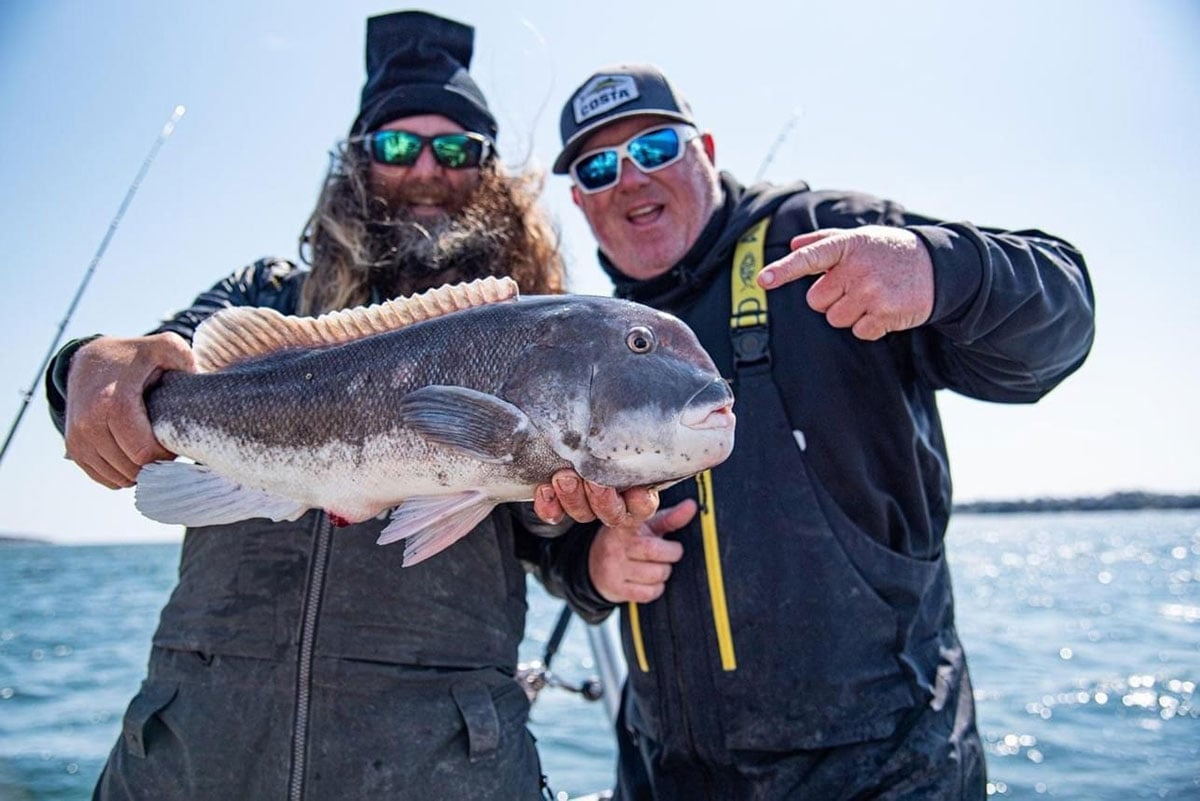
Choosing the right path to the biggest tog of your life!
For anyone fishing in the Northeast, it’s hard not to notice there has been a seismic shift in the status of blackfish over the past decade. Where catching a 50-pound striper was once considered the undisputed Holy Grail of accomplishment for Northeast saltwater fishermen, nowadays catching a double-digit (DD) blackfish has nearly equaled that if not surpassed the status of joining the 50-pounder club.
Anglers clamor to get the best tog fishing gear; rods, reels, jigs, rigs or whatever they think will improve their chances by even the slimmest of margins. Entire lineups of new rods have hit the market all designed to help anglers reach that coveted 10-pound or heaver “Togzilla”.
Anglers that have already decked a double-digit tog thirst for more, while anglers that haven’t yet joined the club continue to lose sleep and dream of the day that it finally happens. Whether you are already in the club or want to join, let’s take a look at some strategies that might help you tie into your next (or first) DD tog.
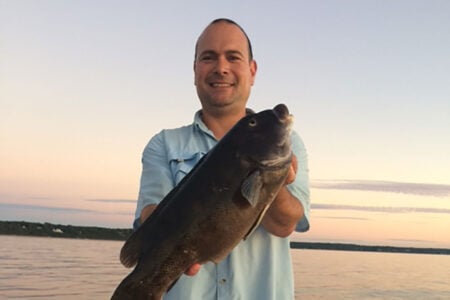
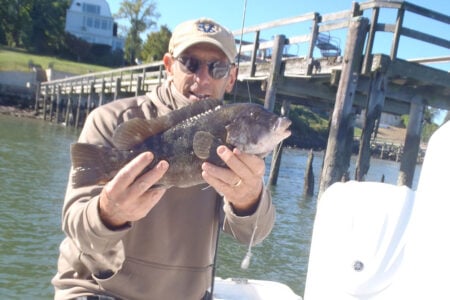
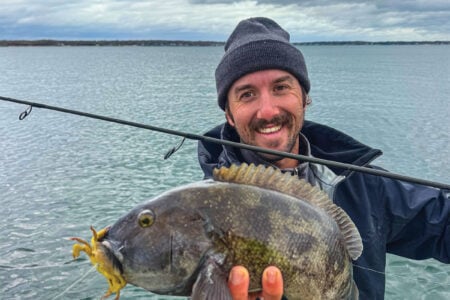
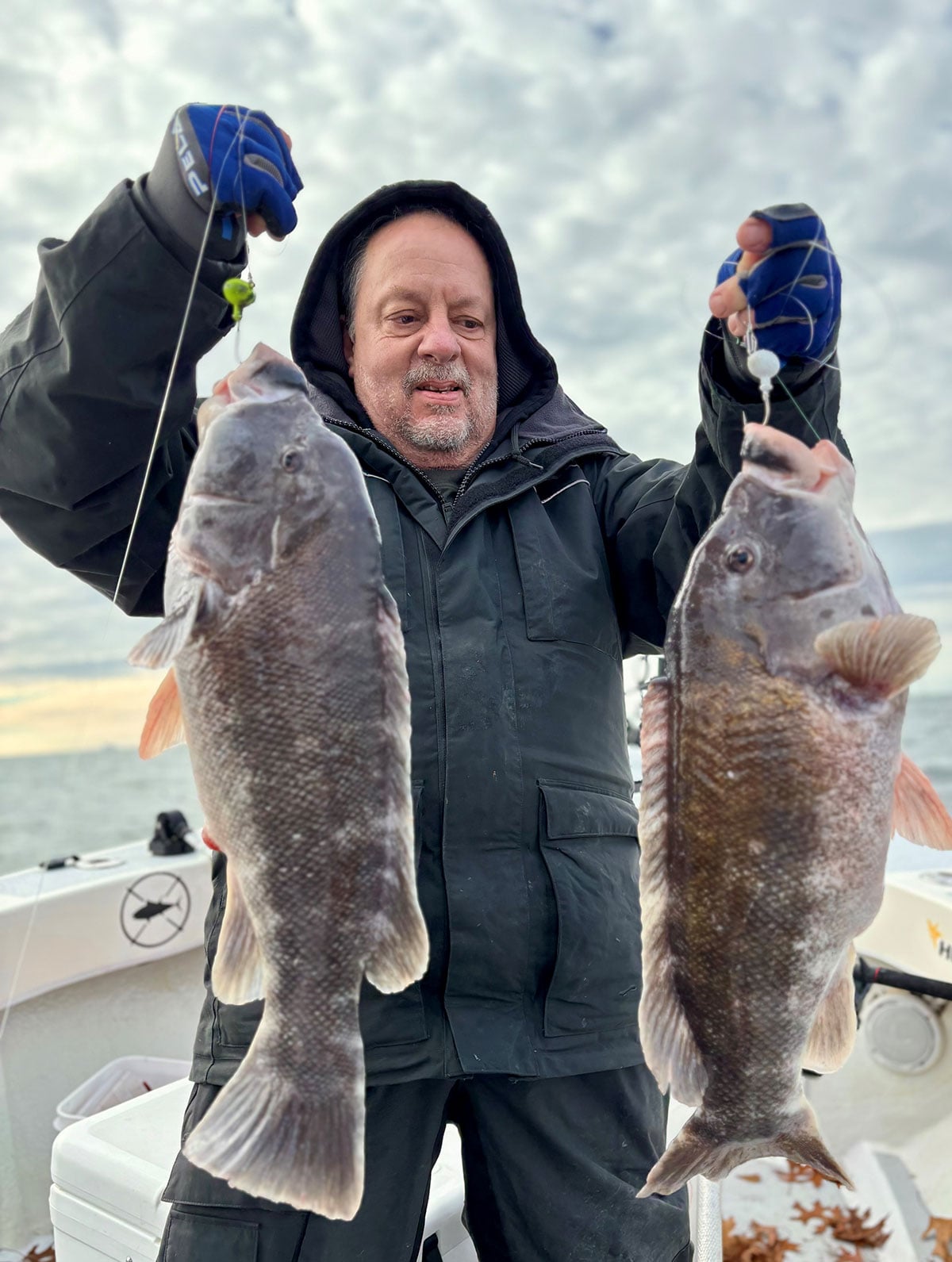
Spend any amount of time at all on social media and it’s easy to come to the false reality that everyone but you is out there catching double-digit tog every trip. The reality is, it’s pretty far from that. First keep in mind that not every tog posted on social media claiming to be a “DD” really is; photos of 8- and 9-pound tog look pretty impressive and plenty of anglers are posting double-digits on social media that simply wouldn’t meet the mark on an actual scale. Sure many of the best head boats seem to show a DD almost daily at the height of the season, but even then you have to accept that of the 40 or so anglers on the trip, one monster tog still means 39 of the anglers onboard didn’t get one. Despite this many of the best for hire charter and headboats do get multiple DD’s each season and it’s not unheard of for boats to string multiple trips in a row with DD tog hitting the deck.
Private boat anglers and even some yak anglers land plenty of true “DD” tog, as well. So how do you join the club in 2026?
Pros vs. Joes
Each path comes with advantages and some drawbacks. One thing is clear, as it gets later into the fall season, the pendulum clearly swings in favor of the for-hire/headboat option. By November most of the DD’s being posted clearly come from the professional side of things so let’s start there.
This is due I believe to a few factors. First, the top for-hire tog boats dedicate themselves to blackfish and nothing else in the fall; they live and breathe it. By staying on them each and every day they are able to quickly adjust to patterns and make subtle depth and location adjustments as the biomass shifts farther offshore. These adjustments keep anglers on the leading edge of the migration and allow for that all important ‘first crack’ at the largest fish rather than following behind and working on picked over fish.
Charter and party boats also continue to fish well into November and early December (where legal) long past when most private marinas have shut down. When you combine lack of marina service with deteriorating weather conditions and generally better safety gear available on most for-hire vessels, the late-fall season odds continue to tip towards the for-hire fleet. Comfort certainly comes into play by November as the temperatures drop and most of the for-hire fleet captains generally are running larger boats with more stable fishing platforms. Not to be overlooked which might be the most important factor of all is that they get to put their experience and skill on display which allows them to navigate safely and find both fish and fishable water –on a daily basis.
Dwindling bait supplies also work against private anglers later in the fall. Just as the some of the best chances for catching a DD tog approach (late-October through November) access to bait often becomes more challenging. Once you get past Columbus Day it can become increasingly difficult to find good supplies of crabs as bait shops begin to shut down for the season. Again this advantage swings to the for-hire option, they often have connections and purchasing power that allow them to continue to provide the best baits throughout the late portion of the season.
So why not just simply choose the for-hire option for your quest to reel in a DD? Pride still matters. For many of us, the thought of heading out, picking the spot, building a bite and decking that tog of a lifetime on our own (or a buddy’s boat) is what drives us. Thankfully running your own boat can help tip some of the odds in your favor.
On Your Own Boat
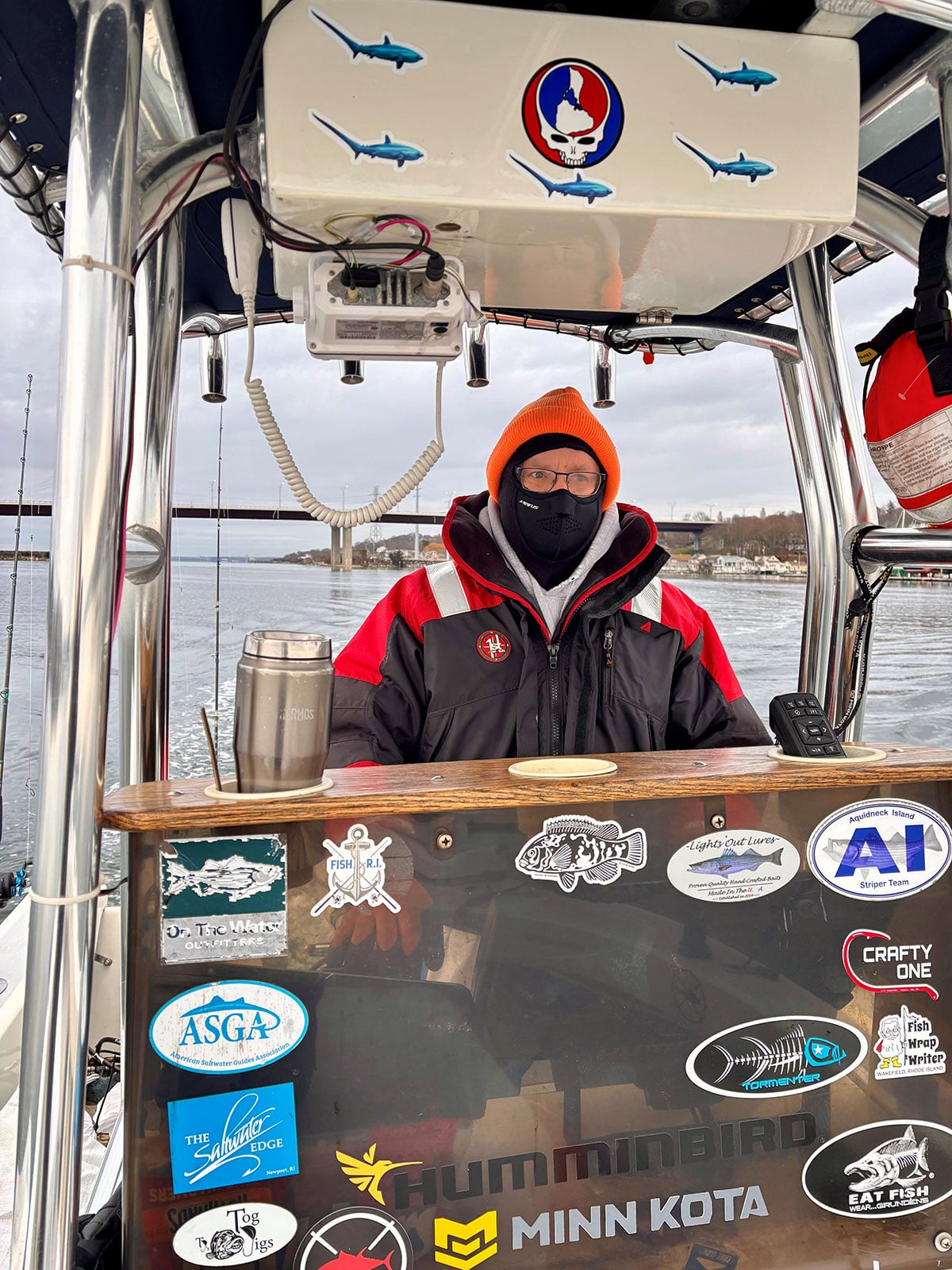
Fishing from your own boat allows for you to make the decisions that benefit you specifically as the angler. For starters, you get to choose the location and style of fishing that best suits your skills. Tog fishing techniques vary widely and not all of us are equally skilled at all techniques. As an example, very few anglers are equally skilled at working a 3/4- to 1-ounce jig in 50 feet of water for a “light bite” day over a gravel shoal as they are at fishing a deepwater wreck in heavy current with a 12-ounce sinker and a rig where muscle and an aggressive initial hookset determines success or failure often within seconds.
Each approach requires different gear and different levels of finesse and feel. So lean into your strengths. Look to match conditions that favor what you do best. If you like heavy structure seek out wrecks on days with moderate to light current and then dial in. I like to fish the sides and on top of wrecks on light to moderate current and as the current ramps up I shift to the down current end of the wreck where you can still fish in the lee where I think the tog tend to slide as the current builds.
When fishing strong tides, I always look for physical current breaks where the flow is disrupted or being redirected. Concentrate on the eddies if in waters of 30 feet or less. In deeper water, look for steeper drop-offs and fish the bottom right as it flattens out at the end of the shelf. The steeper the drop the calmer the water tends to be right at the base.
Having the luxury of moving and making small adjustments as the current ebbs and flows is valuable and you should take advantage of this as much as possible when in your own boat. Whether using spot lock or adjusting your anchor, staying on top of the fish is absolutely critical to maximize your opportunities. Plus, in your boat you don’t need to worry about moving 20 other anglers on the other side of the boat off their spot as you improve yours!
Seeking Giants
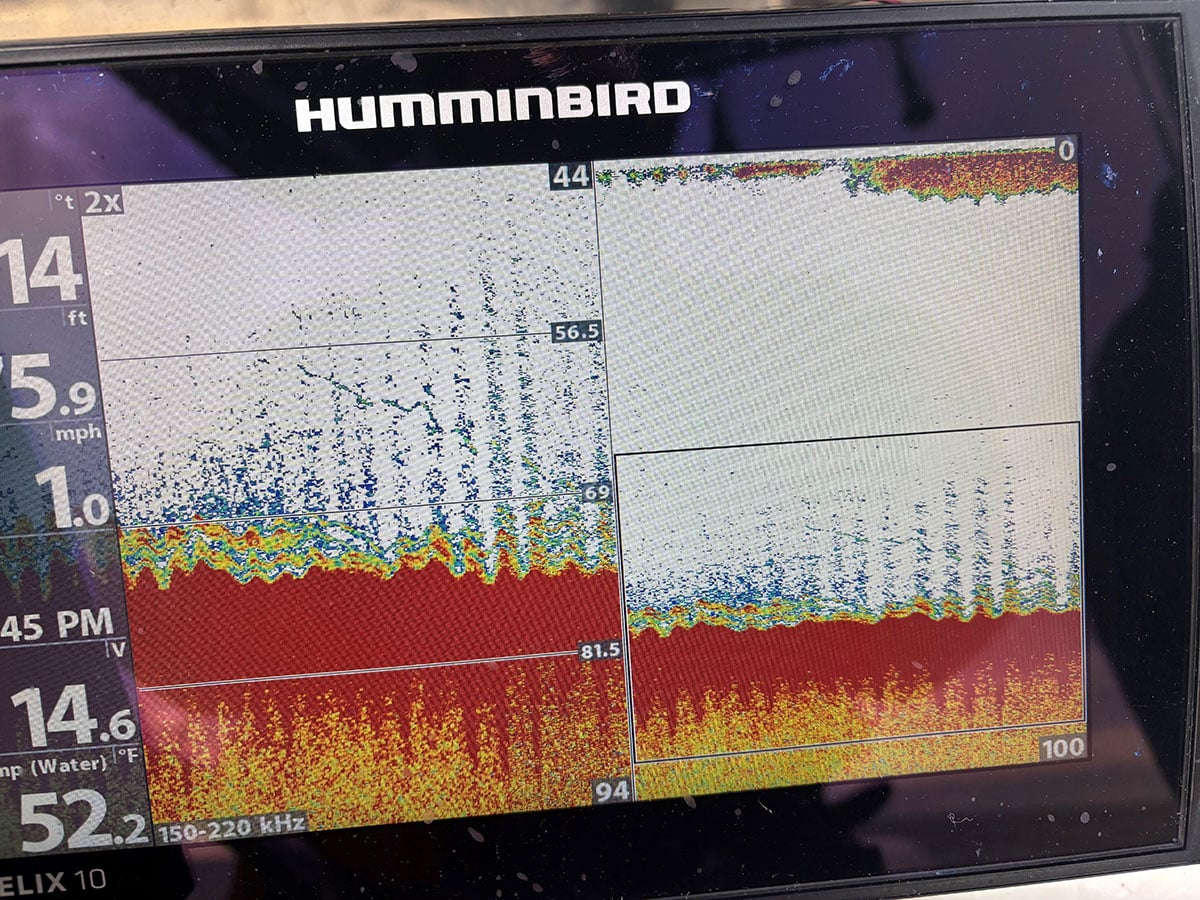
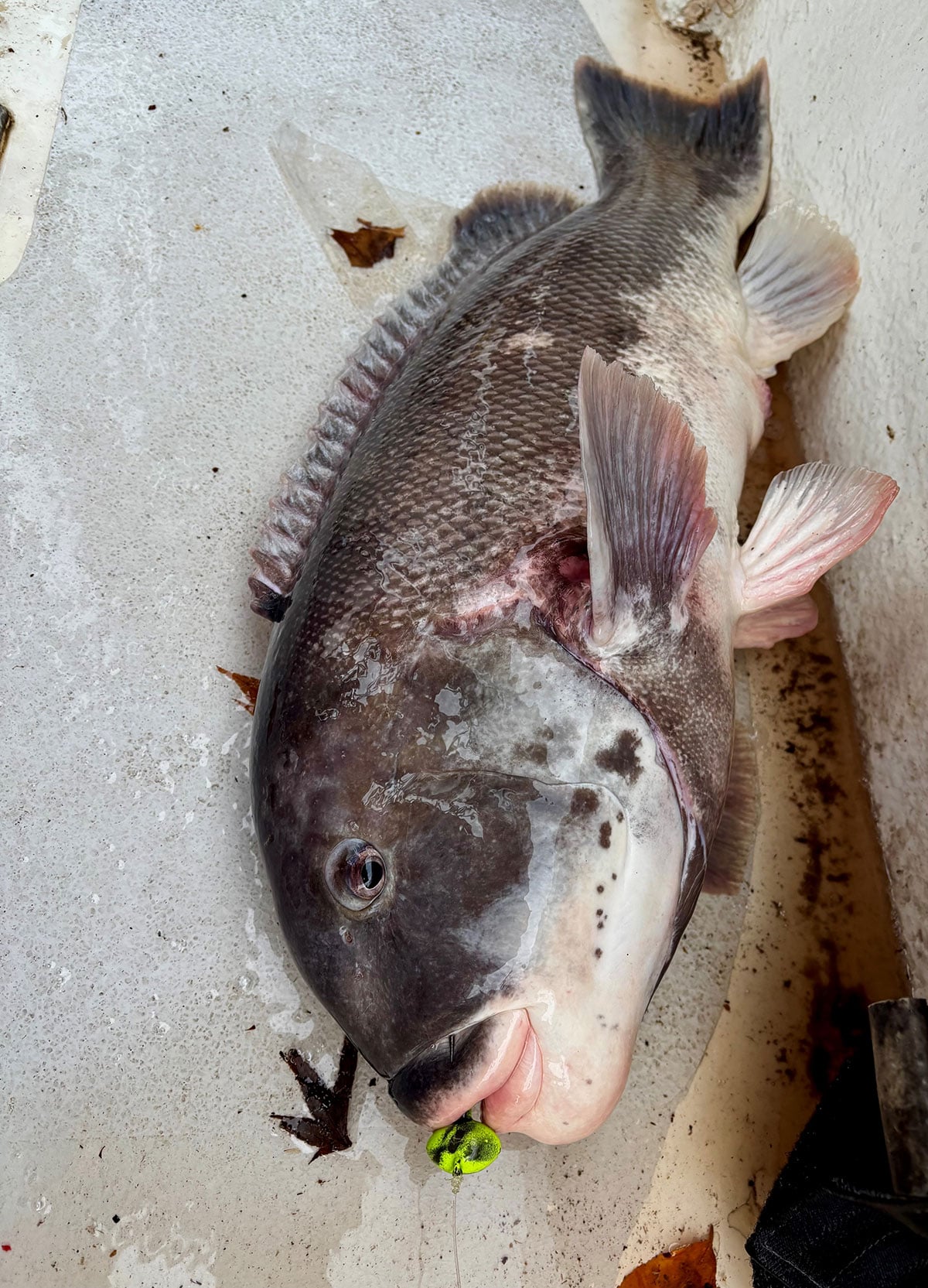
Stay ahead of or behind the fleet whenever possible. Double-digit tog have gotten that big by doing something different. So, if the fleet is hammering tog in 50 to 60 feet of water in late-October, push out a bit deeper; if that doesn’t work, backtrack and work shallower waters. It pays work the water that’s not getting slammed. My best day last season was when a small weather window opened up in late-November and I headed out to a spot I call “the gas station”; a small hump out by itself that comes up to about 65 feet. It’s the last of its kind before the bottom flattens out for miles heading offshore. I am positive the tog stop there for one last feed to “fill up the tank” on their way offshore.
My partner and I had more 7- to 9-pound tog than we had ever caught in single trip and were able cap it off with a 12.4-pound bull male that ate a 2-ounce jig without another boat in sight. I should note that I rarely fish jigs that deep as it’s not my best skillset, but the conditions were perfect, with light to moderate swell, very light current and not much wind. The spot didn’t require precision so you could let the jig bounce and slide a bit down there until it found a dance partner. I don’t think a rig would have done that as well, but if I hadn’t been on my own boat, I probably wouldn’t have felt comfortable enough to really “take my time” with the jig.
Choose Your Path
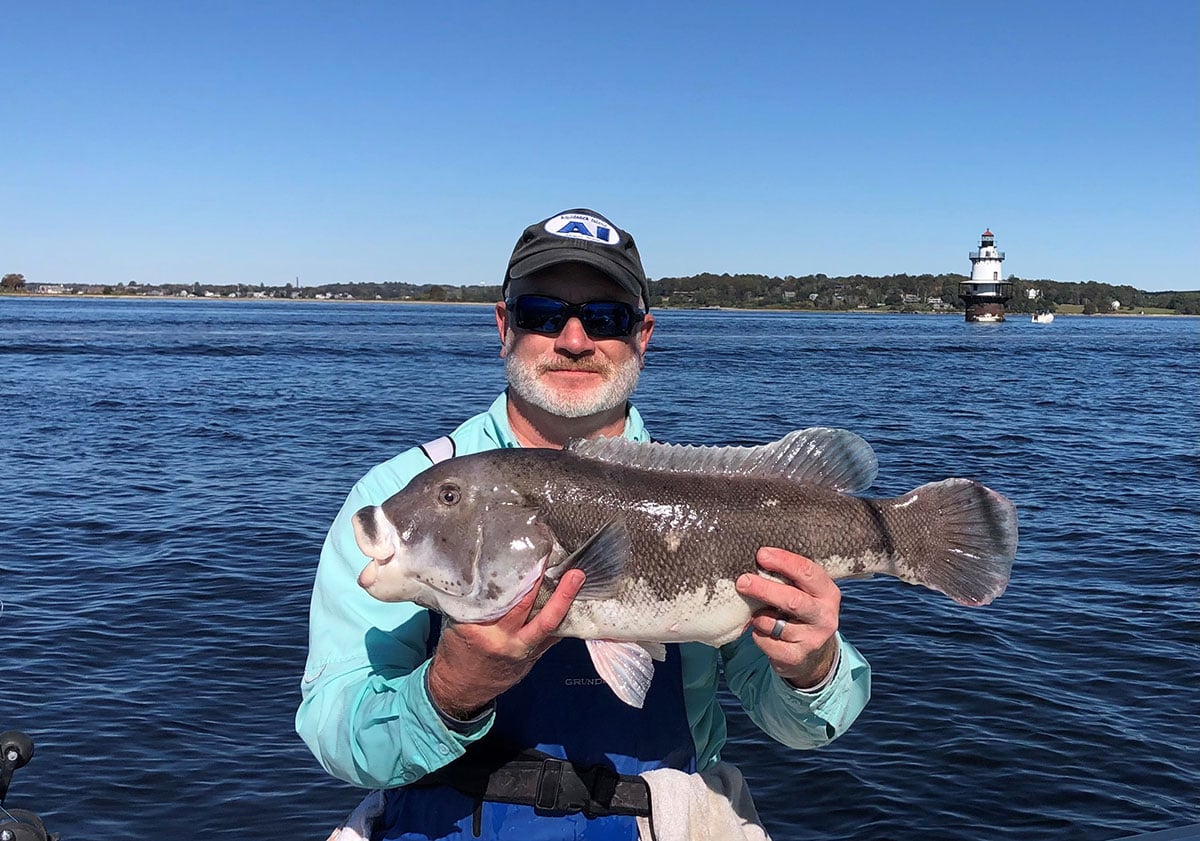
Being aware of your own abilities pays dividends by knowing where you excel, then choosing locations and techniques that best match your skills. By using your own boat, small moves can continually be made to put yourself in the best position for success without having to deal with another 20 anglers on the other side of the boat who want the boat to stay just where it is. When you’re the captain, you enjoy ultimate flexibility; you get to pick the weather, winds, tides and dates you want to go in real time. Unlike the for-hire boats where most all the best captains are booked a year or more in advance and getting any dates around what are considered the prime big fish dates in October and November may be near impossible if you aren’t already in the loop.
| GO HEAVY |
| In other words, bring a gun to a gun fight. DD hunters need to use gear that can handle large fish. It’s no secret that outsized tog are absolute bulldogs. If your gear strains to control 5- to 7-pound tog, expect heartbreak when you hook a real dozer. You can get away with lighter-than-ideal gear on muscle beds and gravel bars, but boulder fields, sharp ledges and wrecks will not be so forgiving. Plan for success when you choose your gear. I run 30-pound braid with a short 40-pound mono topshot and 50- or 60-pound leaders on my jig sets ups and 40-pound braid to a 40-pound mono topshot with a 60-pound mono leader on my wreck set ups. These setups make short work of 3- and 4-pounders, but keeps the odds in my favor when a true DD decides to bite. |
Given that many of us have no clue what we are doing a few weeks from now, let alone a year or more in advance, booking out as far as is often required can lead to logistical nightmares when you book your trip 10 months ahead only to find out that your family and spouse have different visions of what you need to be doing that day.
Spur of the moment trips and late-season weather windows can provide unexpected opportunities for private boaters to take advantage of and these trips can be some of the best of the year. However, late-fall conditions can turn nasty in a blink and all it takes is a building 5-foot sea and sleety rain to leave you questioning life’s decisions! If you go it’s critically important to have good safety gear, working radios and a boat with bilges and pumps in top condition.
True double-digit tog are rare but they are out there and if you line up these small decisions correctly and set yourself up for success, 2026 just might find you holding the largest tog of your life. You just have to play your cards right.