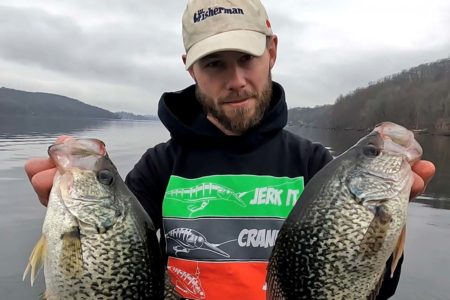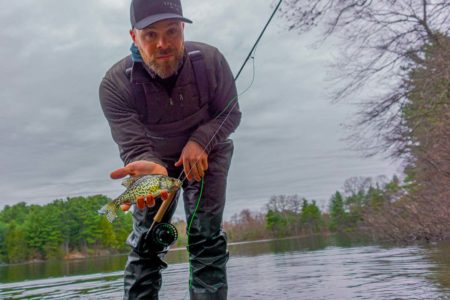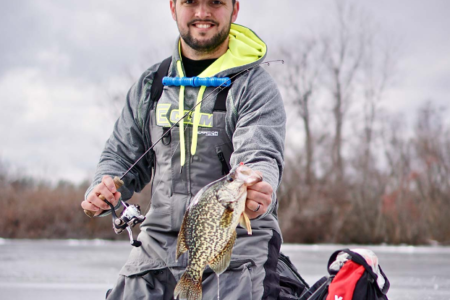
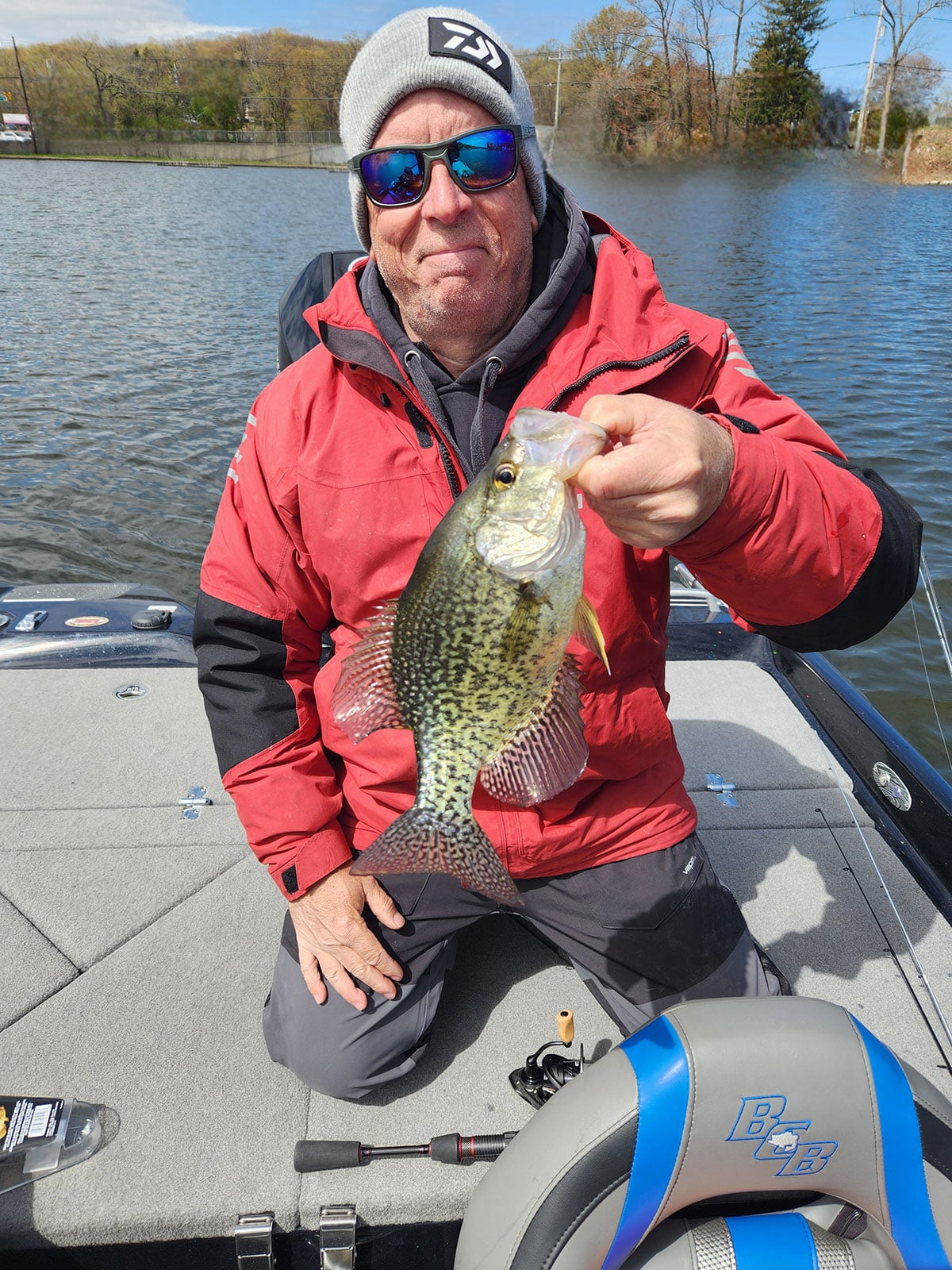
Gear up for America’s favorite freshwater panfish.
With the anticipation of spring many freshwater anglers will be gearing up to target one of America’s favorite freshwater panfish, the crappie. Known for schooling in numbers in the early to mid-spring, these fish start to move shallow in preparation for the spawn. Once located, it is not uncommon to catch them in significant numbers from a small area.
Like most other fish species, crappie can be found in varied types of cover and structure – weeds, laydown trees, and dock pilings to name a few. Good electronics, if fishing from a boat, can help you find productive water quickly. A stealthy approach is important, especially if fishing in shallow waters. As such, the trolling motor should be used to move around once you have reached your desired destination.
Light or ultra-light tackle gets the nod here; use a quality line and check your line often if you are fishing around wood, and docks. Rods from 5 to 6 feet, with 4- to 6-pound test line will get the job done. If you are fishing from the bank, a longer rod may give you a bit more distance in your cast. A 1000 size reel is more than adequate in not only line capacity but also achieving a balanced feel while casting. Keep in mind that a crappie has a soft mouth, so rods with a heavier action may tear the bait out of their mouths.
I have had success with both live bait and artificial lures. Small live “fat head” minnows from your local tackle shop will produce when the fish are biting. A weighted bobber is sometimes used to make an effective cast, as the bait itself is very light and difficult to cast any great distance. In terms of artificials, small plastics like Bobby Garland’s 2-inch minnow imitation, fished with a weighted bobber, is a tried and true combination. There are many colors available, but you can’t go wrong with white, pink, and black with chartreuse. Marabou jigs, and small tubes will also produce, somewhere in the 1/16- to 1/32-ounce range.
One overlooked lure for crappie is the jerkbait which I’ve seen result in larger crappie. A slow rising bait is key, as you’ll want to get the bait down to about 2 feet and allow it to slowly rise to the surface which is where the strike usually occurs. Silver, black back, and clown color work well. Remember, crappies hunt for a meal above them, looking up.
When using the bait and bobber combination, just cast it out and keep an eye on the bobber as it will indicate that a fish is interested in your offering. I have caught hundreds of fish with artificial plastics. Either way, in the spring when weeds have not reached the surface, leaving a few feet of “clear” water, it’s a good place to fish. Adjust your bobber so the bait rides slightly higher than the weed tops, then cast your bait out and allow it to sink slowly. Gently pull the bobber towards you, as you reel in the slack; the trailing bait will rise in the water column, then fall on a slack line. When the bobber is pulled down, an even pull back on the rod is all you need to hook the fish. Don’t set too hard!
Crappies have no teeth, so you can lip them into the boat. If possible, have a few rods rigged with different baits and colors. I have seen fish key in on one particular bait or color, so preparation is key.
As noted, weeds are a very productive area, so too are dock pilings which provide excellent structure to find fish. The “older” supports, ones that have been in the water awhile, seem to hold more fish. Underwater logs and trees that have fallen off the bank into the water can produce some real lunkers. Isolated rocks off the bank have held numbers of quality fish for me in the past and deserve a few casts. Cast as close to the structure as you can and work the bait back. The fish will tell you where they are positioned in relation to the cover you are fishing. Vary the retrieve speed but be sure not to work it too fast. Fan cast the area and pay attention to where you are getting bites. There are almost always more than one in that area.
I find overcast, cloudy days are best when targeting crappies which often look up to find their next meal; strong sunlight and UV rays will push them deeper into the cover, which makes presenting bait more difficult. A slight wind will also help diffuse the sunlight, and the fish are more inclined to move around a bit.
Like most anything in fishing, put the time in, and you will be rewarded with the excitement of catching these popular freshwater panfish of spring!