A quick guide to essential inshore boating safety gear and preparation.
With boating season finally here after a long, cold winter, nothing signals the start of fishing season quite like prepping and launching your boat for the months ahead. For many anglers in the Northeast, splashdown typically begins in April and runs into early May. During this time, most boaters are focused on removing shrink wrap, tackling spring maintenance, and getting back on the water.
This time of year is usually filled with engine servicing, fixing pumps and fittings, and installing upgrades that have been waiting on the offseason to-do list. However, one aspect that doesn’t get nearly as much attention—because it’s not as exciting—is boating safety gear. It’s easy to push safety prep aside in favor of new electronics or tackle, but it’s one of the most important things to address before leaving the dock.
Many boaters assume that serious issues won’t happen to them. Whether it’s because they stay inshore, only go out in fair weather, or simply don’t want to think about worst-case scenarios, safety can become an afterthought. The reality is that problems can arise quickly and unexpectedly, even in calm conditions. Being prepared is essential, no matter how routine your trip may seem.
When it comes to inshore boating, there are a few key safety essentials every angler should have dialed in.
A float plan is one of the simplest, yet most effective, safety measures you can take. It can be as detailed or as basic as you want, but at minimum it should include:
- Your boating location and planned activity (fishing, cruising, watersports, etc.)
- Your departure point
- A description of your vessel (size, color, type)
- Your departure time and estimated return time
- The number of people onboard
There are more detailed templates available online, but even a simple version is far better than nothing. Just as important as creating a float plan is making sure you share it with someone you trust.
These days, sending a quick text before leaving the dock is easy and effective. A friend, family member, or dockmate should know your plan and your expected return time. If you don’t check back in, that person becomes the first line of action in alerting authorities such as the Coast Guard or local marine patrol. Personally, sending a float plan text has become part of my routine every time I leave the slip. Whether it’s a full day of fishing or a quick evening cruise, it’s a simple habit that every boater should adopt.
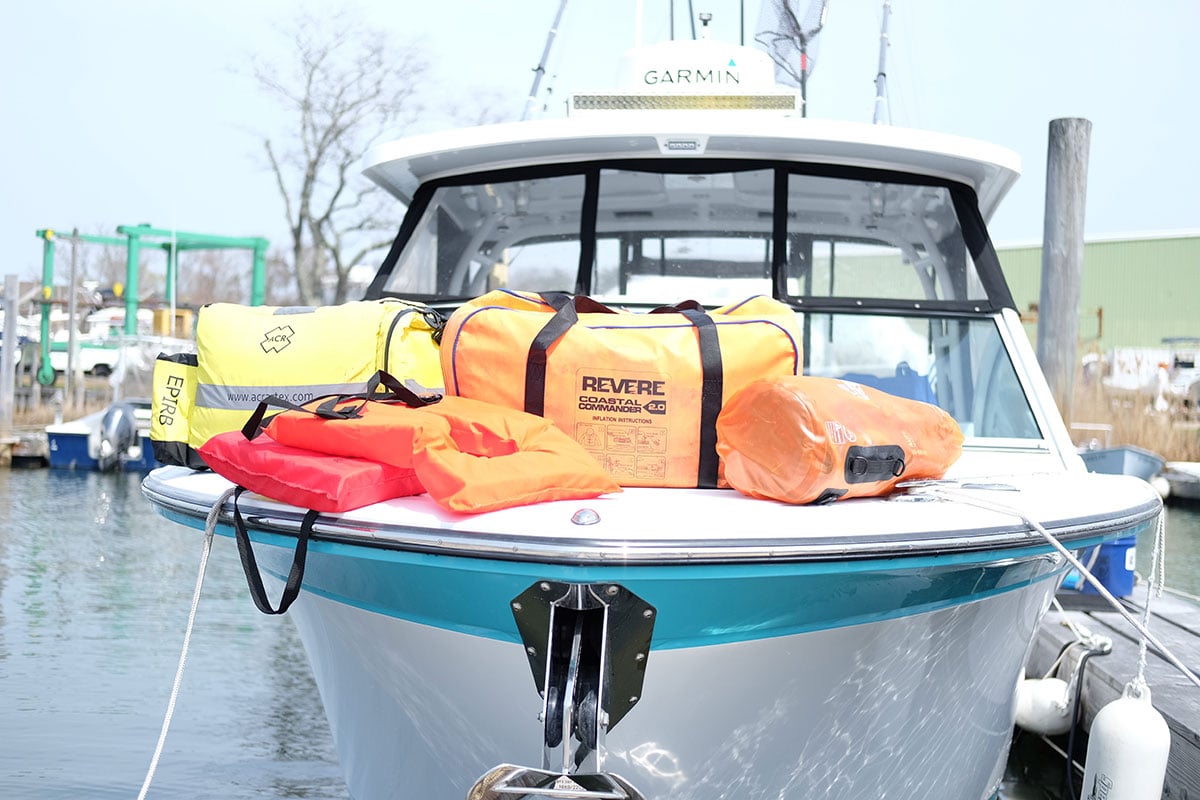
When something goes wrong on the water, you may only have seconds to react. That’s where a ditch bag becomes critical. Like a float plan, it can be as simple or as elaborate as you prefer, but the key is keeping all essential safety gear in one easily accessible location. For inshore boaters, a ditch bag should include required Coast Guard safety items, along with additional gear such as:
- Signaling devices
- A first aid kit
- Communication devices
- A basic toolkit
- Waterproof flashlights
- Foul-weather or cold-weather gear
- Duct tape and zip ties
- A safety knife
Most of these items can be stored in a waterproof dry bag, many of which are designed with bright colors and built-in flotation for visibility and security. Having everything organized in one place can make a major difference in an emergency. I remember being on a friend’s boat when we needed a simple bandage, and the operator had to search multiple compartments to find a first aid kit. It wasn’t a serious situation, but it highlighted how valuable it is to have everything centralized and within arm’s reach.
Many inshore anglers rely heavily on their cell phones for communication—and while that’s understandable, it shouldn’t be your only option. Cell service can be unreliable depending on your location, and a dead battery or lost signal renders your phone useless in an emergency. A VHF radio is a must-have onboard, even for inshore trips. A waterproof handheld VHF is an affordable and effective solution. It allows you to call for help, monitor weather updates, and communicate with other boaters or marina staff. Handheld units are compact, easy to store in a ditch bag, and simple to operate. As long as it’s charged or equipped with fresh batteries, it provides a dependable backup when your phone can’t. Of course, your cell phone is still a useful tool when service is available, but having a VHF ensures you’re never without a reliable means of communication.
While these safety essentials are geared toward inshore boating, they apply to nearly every type of vessel—kayaks, personal watercraft, sailboats, and both small and large powerboats. Whether you’re a hardcore angler fishing sunrise to sunset, a casual boater enjoying fair-weather cruises, or someone squeezing in a quick evening trip, preparation is key. It’s always better to be overprepared than caught off guard. If you have any questions, feel free to reach out via Instagram @EastEndAngler or by email at eastendanglers@gmail.com.