As the 2026 Independence Day holiday approaches, waterways across the nation are expected to see record-breaking recreational boat traffic. While watching a coastal fireworks display from the water offers an unforgettable view, navigating crowded harbors after dark introduces unique hazards, including low visibility, heavy wake, and drifting smoke. To help boaters safely navigate the busy holiday weekend, the non-profit Sea Tow Foundation is sharing crucial safety reminders for anyone planning an evening on the water.
First, everyone on board must wear a properly fitting life jacket or an inflatable personal flotation device. Navigating through dense crowds after dark amid a haze of fireworks smoke can quickly mimic the disorienting conditions of heavy fog or stormy weather. For extra security, ensure life jackets are buckled over the top of any warm sweatshirts or jackets worn after sunset.
Second, always designate a sober skipper before leaving the dock. Operating a vessel requires total focus, and the combination of sun, wind, and waves creates natural fatigue that amplifies the dangerous effects of alcohol. The designated operator must stay entirely sober all day and/or evening to guarantee that the boat and its passengers make it safely back to shore once the festivities conclude.
Third, strict adherence to boat weight capacity is non-negotiable. The number of seats on a boat is never an accurate indicator of its safe passenger limit. Operators should locate the official capacity plate near the helm or transom, or consult the manufacturer’s manual, to ensure the boat is not overloaded with holiday guests.
Fourth, recognize that familiar waterways look completely different after sunset. Visual landmarks and navigation buoys relied upon during the day often become invisible in the dark. Captains should chart their route to the fireworks viewing area well in advance and heavily utilize GPS-enabled marine electronics to assist with safe nighttime navigation.
Fifth, boaters must obey all local instructions and safety zones. The U.S. Coast Guard, Coast Guard Auxiliary, and local marine authorities establish specific exclusion and anchoring zones to keep vessels at a safe distance from falling sparks, ash, and the fireworks barge itself.
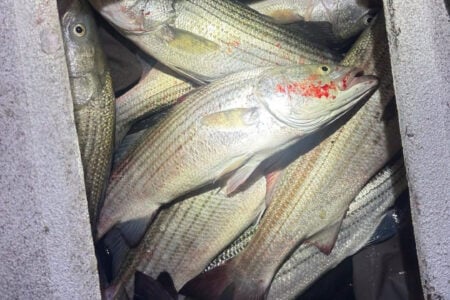
Sixth, it is important to remember that not all boats on the water during these festive events are there for the show, on you route home or back to the ramp you might encounter fishermen anchored or drifting for striped bass or other nocturnal species. You may also encounter nighttime kayakers out for a summer paddle or fishing. It is of paramount importance that anyone operating a boat is focused on their route and keeping a close watch for anything unexpected that might appear in their path.
Finally, patience is key when the show concludes. The absolute worst rush hour on the water occurs the moment the final grand finale fireworks explode. Rather than pulling anchor immediately and fighting heavy wake and disoriented operators, boaters should relax, allow the initial mass of boat traffic to clear, and give themselves plenty of time to head home safely.