A late-winter look at ling and whiting fishing on the 12 Mile Reef.
When my phone rang one early evening last March, I knew who it was before even looking at the screen. “Slammed them real good today—my brother and I are heading back out in the morning. You in?” It was my lifelong friend, Capt. Paul Nilsson of Just One Bite Charters, and the target was tasty winter fare at the 12 Mile Reef south of Moriches, where Paul and his charter had done well boxing a mess of ling and whiting.
“The morning forecast calls for a west wind at 10 knots or less with 2- to 3-foot seas. Since the going is good, why not hop aboard?”
“How about 15 degrees air temperature?” I rattled back.
“Since when did you worry about temperature?” said Paul.
“Since these bones can’t hop around like they used to,” I replied.
“Well, we’re going, so if you want to join us, you know the drill,” Paul stated.
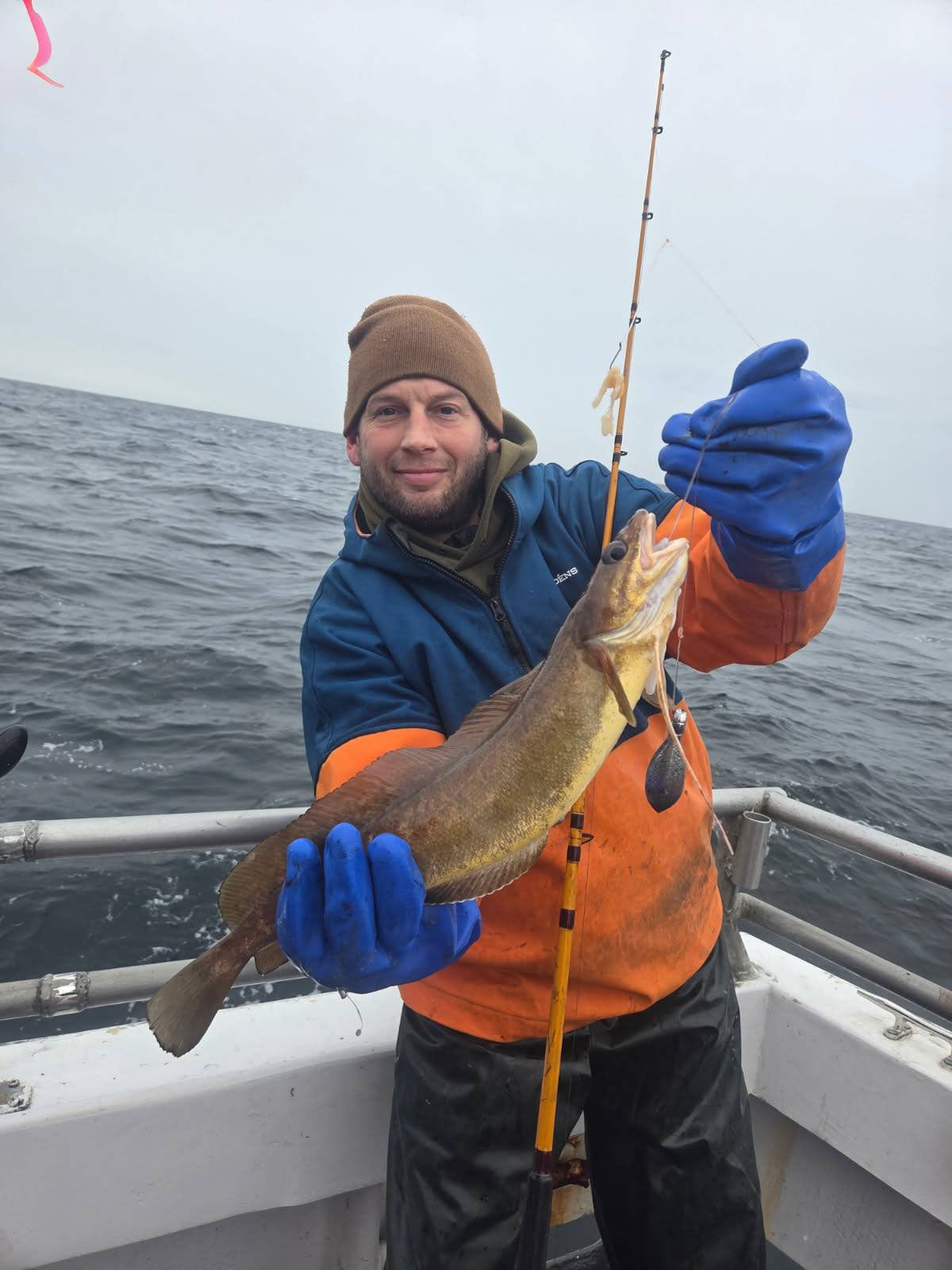
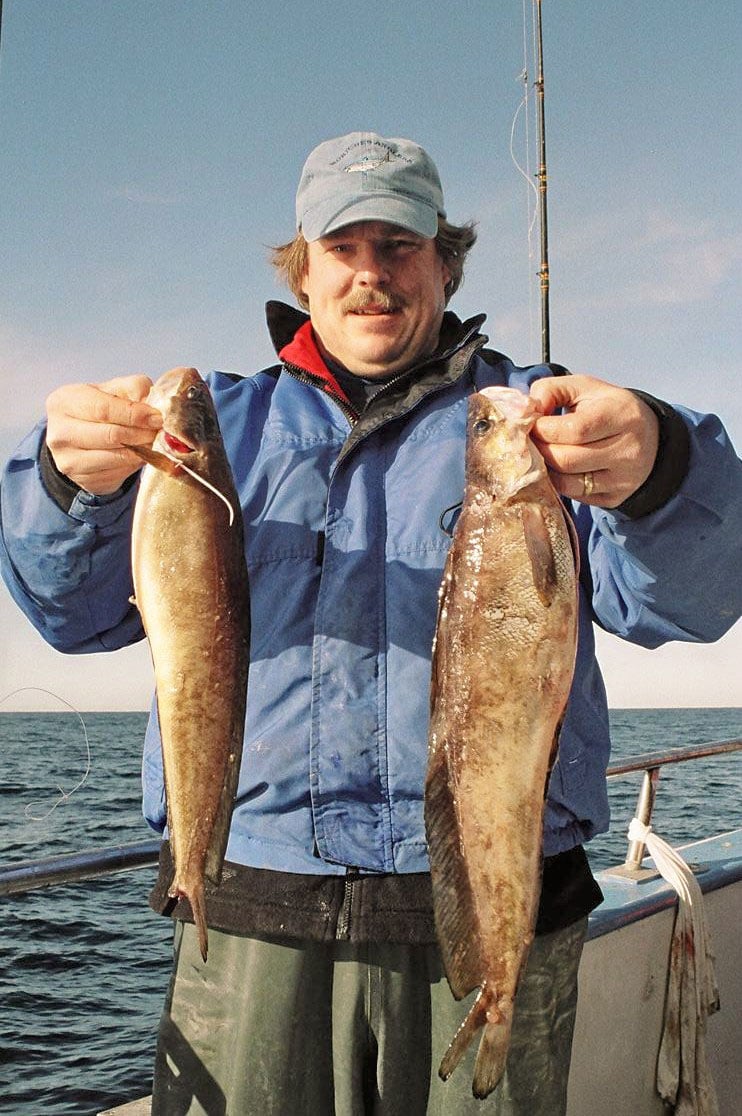
Lo and behold, as a dyed-in-the-wool veteran of the sport, I couldn’t pass up the trip. The next morning found the three of us bailing ling, whiting, and one short cod that was safely released. We also landed two sea ravens which, spiny as they are, are a real treat at the table. By day’s end, a dozen big ling and a half-dozen medium-sized whiting hit the fillet table, with many others released for another day. Action like this occurs year-round; however, if you want solid action with silver and red hake, now is the time to hit the 12 Mile Reef.
12 Miles To Paradise
Considering the acreage of the reef, there really isn’t that much material scattered throughout the area. As of this writing, the site consists of two 102-foot towboats, 16 steel center-beam railcars, several tiers of tires cast in concrete, and hundreds of galvanized pipes spread across the reef.
NYDEC plans to drop more material across this young reef, which was established in 2019. Since the reef is a bit of a hike from any South Shore inlet, the area is lightly fished—especially this time of year—yet the grounds are extremely fertile with market-size cod and red hake, otherwise known as ling or scrod, depending on who you talk to. Ling are abundant throughout much of the year and can often be found paving the reef.
It should also be noted that, as of now, anglers are not allowed to retain Atlantic cod outside of the Gulf of Maine Regulated Mesh Area, which this location falls under, until further notice. So while in the past cod would make their way into the box, all must be immediately returned to the water upon landing.
March through May sees most fish ranging from 2 to 4 pounds, with some pushing 7 pounds. Granted, their slimy and unattractive appearance will never win red hake any beauty contests or battle awards, but what they lack in looks and strength is more than forgiven at the dinner table. Their delicate white meat is a delicacy beyond compare and is widely sold in seafood restaurants as scrod.

A Whole Lot of Silver
Aside from scrod and cod, there has been a strong showing of silver hake—better known as whiting—in recent years. For the past decade or so, I’ve seen them steadily rebound while shark fishing along the first set of Fingers. As an avid bottom fisherman, I’d often drop a bait over the side while sharking, hoping for an outsize fluke or two. Instead, I found myself knee-deep in baby whiting—too small for the table—but it was clear it was only a matter of time before they made a comeback along Long Island’s South Shore.
Indeed, they have. In fact, Capt. Paul, formerly of the Peconic Star Fleet, was filling bucket after bucket this past October and November while running night squid trips aboard the Montauk Star out of Montauk.
Whiting has always bitten just as well—if not better—at night than during the day. Back in the 1970s, they were so abundant that Sheepshead Bay headboats sailed daily all winter at 6 a.m. and 6 p.m., where anglers from the Tri-State area filled burlap sacks with tasty whiting and ling. The cod grounds from Point Lookout to Montauk were paved with baseball-bat-sized whiting for anyone who wanted them. Now they’re back, providing excellent offshore action for all who seek them.
Deep Tackle
Fast-tapered graphite rods in the 6- to 7-foot range, paired with conventional reels in the 3/0 to 4/0 class spooled with 30- or 40-pound braided line, are best suited for the task. Braided line is essential over monofilament due to its sensitivity and strength. You’ll also appreciate its thin diameter when dealing with strong currents, allowing you to reduce sinker or jig weight and better feel subtle bites in deep water. Bottom line: increased sensitivity leads to more hookups and fewer missed strikes.
While braid has many advantages, it is highly visible, which can be a drawback when targeting groundfish with sharp eyesight. A 30- or 40-pound fluorocarbon leader, approximately 8 feet long and tied directly to the braid, usually eliminates any line shyness. Interestingly, I’ve often found that an 8-foot shock leader of 30-pound pink Ande monofilament outperforms fluorocarbon—something worth considering, as it can make a noticeable difference.
Rigging & Baiting
Whether you choose rigs or jigs depends on whether you drift or anchor. My preference on these grounds is to anchor. With the abundance of ling and whiting, you can sit tight on a productive spot and enjoy steady action.
Whiting are generally found over open bottom, so don’t be overly concerned if you’re not directly over structure. If you’re marking fish on your recorder, chances are they’ll find your baited hooks. The tried-and-true hi-lo rig remains a staple: two super-sharp 5/0 Gamakatsu Octopus hooks positioned three feet and one foot above the sinker using dropper loop knots. This setup allows baits to fish naturally with minimal line twist. When using this rig, keep baits on the smaller side to help detect even the lightest taps. Fresh skimmer clams are commonly used, but they must be fresh and unsalted to be effective.
Fish baits such as freshly-stripped cunners or whiting also work well. Artificial options, particularly Berkley Gulp, are another excellent choice. Ling love Gulp, and I’ve done very well with 3- and 4-inch Swimming Mullets and Shrimp. One bait will often catch multiple fish before needing replacement. If artificials don’t get it done, natural bait is always a reliable fallback.
Know Before You Go
| TWELVE MILE REEF – ARTIFICIAL REEF SITE |
| Latitude / Longitude Coordinates NW Corner: 40°37.250 / 72°32.250 NE Corner: 40°37.250 / 72°30.930 SW Corner: 40°36.250 / 72°32.250 SE Corner: 40°36.250 / 72°30.930 Location: Atlantic Ocean, approximately 12 nautical miles from Moriches and Shinnecock Inlets. Size: Approximately 850 acres (2,025 yards x 2,025 yards). Depth: Ranges from 123 to 143 feet. Reef Materials: Two vessels, 16 steel center-beam railcars, rock, and ECOncrete habitat structures. |
Before heading out, make a checklist to ensure a smooth day on the water. First and foremost: weather and sea conditions. Always check both inshore and offshore NOAA weather reports. Calm inshore conditions don’t always translate offshore.
I can’t count how many times I’ve left the inlet in flat seas only to encounter gusty winds and 6- to 8-footers offshore. It happens more often than you think. Use common sense. Leave a float plan at home, note which inlet you’re departing from, record your GPS numbers, and give someone a deadline for your return. If needed, this information makes locating your vessel far easier for the Coast Guard.
Dress appropriately—it’s March, and it’s cold. Bundle up, wear a wool hat and gloves, and bring extras. Finish with boots and foul-weather gear to stay dry and block the wind. Bring plenty of drinking water and some healthy snacks. Follow these steps, and there’s no reason you can’t enjoy a safe, productive day on the water.