
NEW HAVEN FLUKE, CT
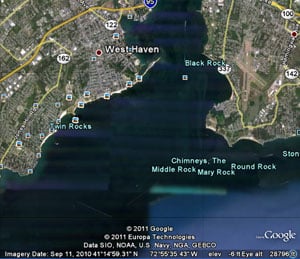
New Haven Harbor is a triangular, four-mile-long bay. Three large breakwaters define the harbor to the south and are accessible only by boat. While New Haven Harbor is no longer known for having the largest or most numerous fluke in Long Island Sound, it has a lot to offer bottom bouncers. The harbor is centrally located, so it’s an easy drive to a ramp for most of us in Connecticut. The prime fluke waters are nearshore in sheltered waters, so smaller boats can easily access and fish them. The prime fishing areas are a short run from several launches, including West Haven, Lighthouse Point in East Haven, and Branford.
Three rivers — the Quinnipiac, Mill and West — flush forage into the area on each ebb tide. Their currents carry the length of the harbor and out into Long Island Sound. Extensive flats, weed beds and shellfish beds furnish an excellent environment for numerous baitfish – including mummichogs, silversides, grass shrimp and snapper blues – which provide sustenance for the harbor’s fluke population. The long, central shipping channel provides slope waters for fluke to rest against and ambush food as it’s swept past.
You can narrow the best fluke waters to three or four locations. During a moving current on either side of high tide, try the oyster stakes marking the shellfish beds off West Haven. Don’t be surprised if you hook a blackfish here, too. On an outgoing tide, especially in its last stages, work along the channel edges and slopes mid-harbor.
The third and fourth hotspots are located north of and between the breakwalls. The West Haven and Middle wall entrance offers a good current for drift fishermen. The shipping lane between the Middle and East walls, particularly on the west side of the channel, is a constant producer.
Tactics for taking fluke in New Haven aren’t much different from other areas. However, thanks to shallow water and milder tides, you won’t need as much weight to hold bottom during your drifts as in the eastern end of the Sound or in some New York waters. Three ounces or less should do it.
Always try to pick a tide that coincides with the wind forecast. An opposing tide and wind offset each other and may hold you motionless or move you with the wind (and thus against the tide). Fluke face into the tide to enhance their oxygen intake and to ambush prey moving down-current. Therefore, your best presentation will come with a prevailing current — your baits approach the fluke face-first, rather than from behind.
If you start experiencing smaller hits that you can’t seem to hook, they’re probably big porgies. The porgy numbers have been so good the last few years that they’ll chase down moving strip baits. When this happens, I rig another rod with baited porgy hooks, and double-dip. A fish fry was never so good.
For terminal tackle, there are two ingredients common to most fluke rigs fished in New Haven Harbor. The first is bucktail material — real or synthetic — tied over the hook to resemble forage. The second is almost any form of natural bait, which includes a whole mummichog, silverside, squid strip or fish belly strip. Lures can’t beat the look, feel and smell of fresh bait, especially during slow drifts. The waters here are shallow, so any medium-light fluking rod-and-reel combo will work perfectly.