POWERS LAKE, CT
I had a tremendous tug on my line—rod doubling over—after something grabbed my chunk of sunfish. “Damn,” Dad said, “you’ve got a big snapping turtle.” But then the line started quickly peeling off my reel, and we knew it was a good fish. After several minutes of the brute turning our aluminum boat, Dad finally netted a 10-pound white catfish.
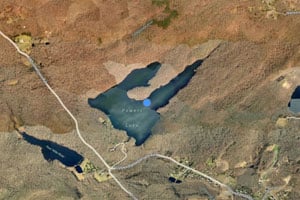
Powers Lake is 144 acres of the cleanest water in Connecticut. So clean, in fact, that it holds freshwater jellyfish (Craspedacusta sowerbii), a small, translucent, non-stinging jelly, which thrives in pristine waters. Powers is pure because it’s one of the few lakes in Connecticut with no houses or paved roads on its shores. The spring-fed lake is surrounded by private property of the Yale Outdoor Education Center’s summer camp located on the south shore. You may not land your boat or fish from shore anywhere except at the 1-acre state boat launch located on the west corner.
Powers Lake offers a wide variety of species, including largemouth bass, pickerel, crappie, sunfish, bluegills, brown bullheads, white catfish, eels and yellow perch. However, the lake is shallow—about 12 feet at its deepest parts—and it warms and cools quickly. Several catch-and-release bass contests take place here each summer. I have seen largemouths taken from here that top 10 pounds, although these fish are not numerous due to the horseshoe-shaped lake’s small size.
East Lyme’s quietest lake is restricted to an 8-mph speed limit, making this water perfect for fishing from kayaks, rowboats or canoes. Lily pads dot the shoreline in small clusters and are a favorite spot for fly fishers to cast surface poppers for small bass and large bluegills and pumpkinseeds. Children do well with worms, pulling out plenty of sunfish and perch. But the serious bass anglers are dedicated to low light and nighttime conditions when the fish are active and boat traffic is non-existent.
Milfoil weeds are dense at the lake’s northeastern-most tip, but it disappears rapidly as the water depth increases. Anglers favor casting to the edge of the milfoil to attract pickerel, bass and crappie. Powers also features four or five coves. These coves, as well as the rest of the lake’s perimeter, are littered with boulders left from the last glacier. Although the lake’s bottom is flat, muddy and lacking in significant contours, the many boulders, along with various storm-felled trees, offer shoreline habitat.
Due to these boulders, motorboaters must use caution when approaching any shore. In particular, one prop-crunching boulder is located at least 200 feet off the tip of the big peninsula. The water here is deceiving, as it drops off from shore normally, but then shallows up again with a big rock on the high spot.
You can find the Powers Lake ramp by taking Route 1 in East Lyme to Upper Pattagansett Road, which becomes Whistletown Road. Follow Whistletown about a mile, where you’ll see the launch located on the right. For GPS directions, use 179 Whistletown Road. The driveway and launch are gravel, and there’s parking for 20 cars, but you’ll rarely see more than two or three here.
Powers Lake is moderately popular for ice fishing, where catches of pickerel, crappie and yellow perch are not uncommon. Remember, ice needs to be at least 4 inches thick to be safe for foot access. Do not drive a car onto this lake. Despite its shallowness, Powers freezes much later than Connecticut’s more northern lakes due to its close proximity to Long Island Sound.
For a peaceful, family-oriented lake, free of jet and water skiers, Powers is a great spot to teach your kids how to fish while you still have a chance at a grand-daddy bass.