ROBERT MOSES BRIDGE, NY
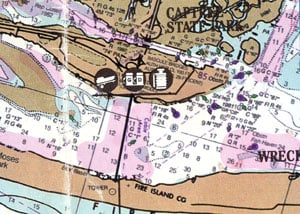
The Robert Moses Bridge, the last span connecting the mainland with Fire Island, arches across the easternmost expanse of Fire Island Inlet. From spring through fall, scores of private boat anglers and most of the Captree fleet rely on this structure for its variety of angling opportunities, and for an unusually high level of consistency. Whether you’re hunting stripers, fluke or blackfish, the waters under and around the bridge can usually be counted on to produce some action.
The bridge is probably best known for its ability to produce stripers on a consistent basis from the opening gun in April until the snowflakes fly in December. Clam chumming is a season long approach that many private boatmen rely on, but many others have discovered that casting bucktails and soft plastics around the bridge’s shadow lines can be equally productive on night tides, and it’s a lot more fun. Most Captree open and charter boats that target stripers rely on this approach, especially in the spring, and again in the fall.
As is the case with stripers wherever they swim, live bait will usually account for the biggest fish, and drifting live baits like eels, bunker, shad and kingfish has produced several 50-plus pound cows in past years. A favorite big fish tactic we used years ago here was to troll big metal lip swimming plugs on 100 foot shots of wire along the face of the bridge, stemming the current and allowing the plugs to do their thing along the upcurrent side of the shadow line. Jarring strikes were often the result of these efforts. The same tactic still works today, but finding nights when boat traffic is minimal enough to accomplish this feat is another matter.
The bridge sits in the middle of the main thoroughfare for fish entering and leaving the confines of Great South Bay. This is especially true of fluke migrating in from the ocean in spring and summer, and then reversing their track in late summer and early fall. As a result, the rips adjacent to the bridge can be counted on to yield summer flatties from May through September. And while there will be a fair amount of “slow” days, there will also be days when you can’t keep the fluke off your baits. This is especially true if you focus your efforts here on the last of the incoming current and the beginning of the ebb. Some shallow bars make up adjacent to both sides of the bridge, particularly along the southeast quarter. Light spinning tackle and small bucktails or leadheads with Berkley Gulp plastics or belly strips are a perfect match for these shallows, and if you hit it right, you’ll have a bail job, albeit, we are talking predominately shorts in these days of excessive size limits.
Spring blackfishing is limited to April due to seasonal closures, but some decent scores are possible for those dunking fiddler or green crabs. October is probably a better bet, although the increased effort on tog in the fall can deplete the resident population rather quickly.
Pretty much every species that swims this bay is a potential target in the waters surrounding the bridge. Sea bass will often intrude on anglers drifting fluke baits in some of the deeper channels around the span, and bluefish can often be found under flocks of screaming gulls and terns, particularly during May and June.
A nice feature for those who trailer their boat is that the Captree Launch Ramp, one of the best in the state, is right around the corner from the bridge. Launching at Captree eliminates what is often a bumpy and sometimes wet ride across the bay, and there are no residency restrictions.
Fishing at the bridge is not limited to boatmen. The shoreline at both ends of the span is certainly worth the efforts of surfcasters probing for bass and blues. Both ends offer good potential for connecting with stripers, while bluefish seem more confined to the northern shore. Some big bass prowl the shadow lines within casting distance of wading anglers, but the vast majority of my hookups have come on the uptide side of the bridge, making it difficult to keep fish bigger than 30 pounds from running into the bridge and cutting you off on the abutments. Darters were always the key to the larger fish here. Pushing out on the bar adjacent to the bridge will also allow you reach some fishy water, particularly the cut that boatmen use to navigate into Oak Beach.
The Robert Moses Piers sit fairly close to the south end of the bridge, and I have plugged some bass from the easternmost pier by tossing metal lips swimmers and pencil poppers parallel to the shoreline just west of the bridge. The shoreline at the south end also provides opportunities to work the shadow lines, similar to the north side.
For those looking to work the north shoreline, nighttime parking is available in the Captree Overlook parking lot by purchasing a night/sportfishing permit for $30 at the Robert Moses Park office. That same permit allows you to park in Field Two at Robert Moses after dark from spring through fall and you can hike it from there. The walk becomes shorter in the fall when Filed Three is open to nighttime anglers.
It’s easy to see why many anglers focus a good part of their inshore efforts on the waters surrounding the Moses Bridge. If you are not among them, do yourself a favor and commit to taking a closer look at this area over the course of the season.