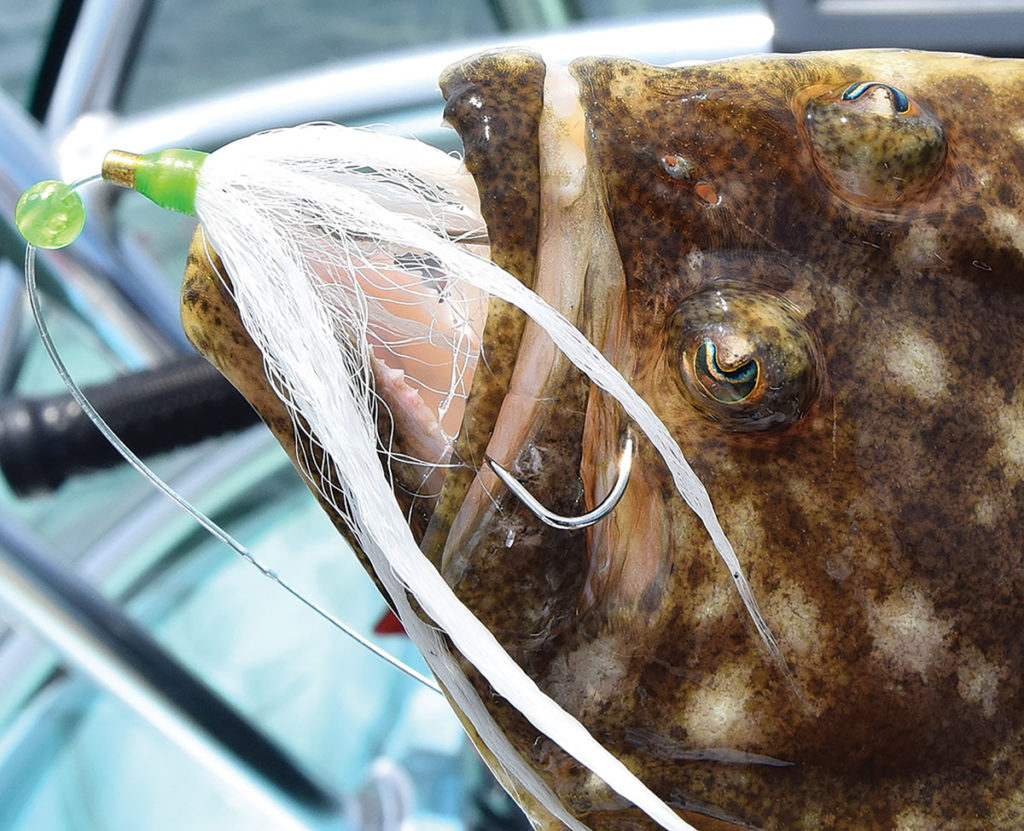
The Importance of Scent in Fluking
Catching fluke might not be rocket science, but there is sound science behind it.
Catching fluke might not be rocket science, but there is sound science behind it.
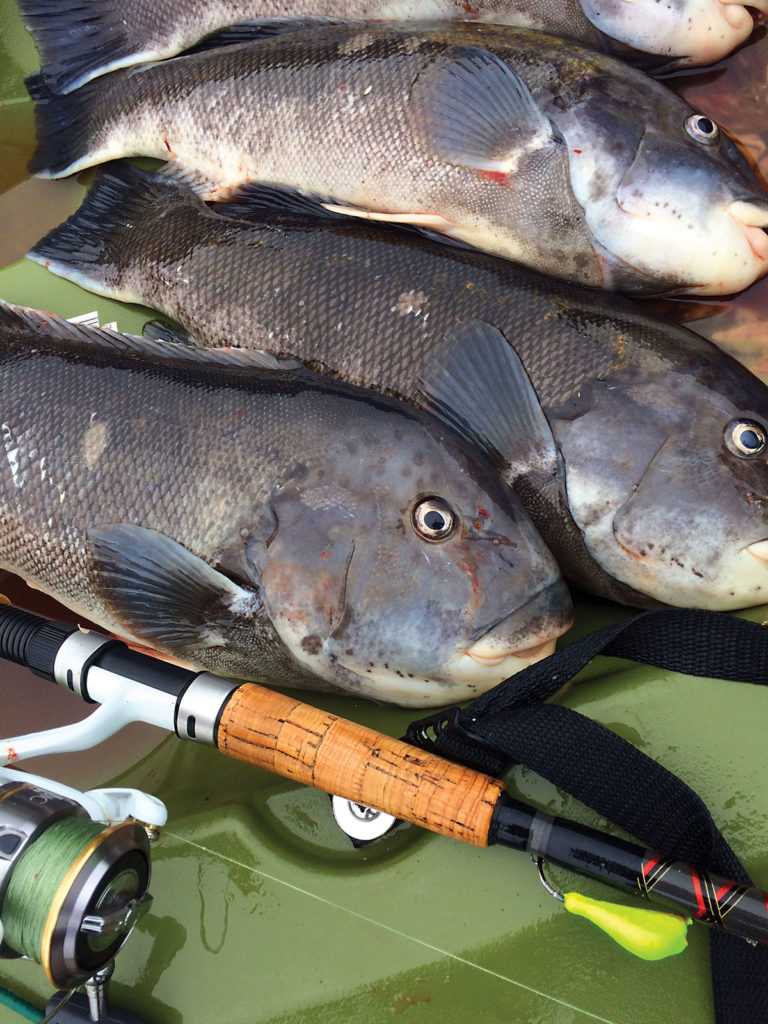
From New England through the Mid-Atlantic, the springtime tautog fishery is dominated by the use of soft baits.

No matter how many seasons you have under your hull, there is always something new to learn.

Reliving an epic day of striped bass fishing off of Long Island’s South Shore on June 9 of this year.
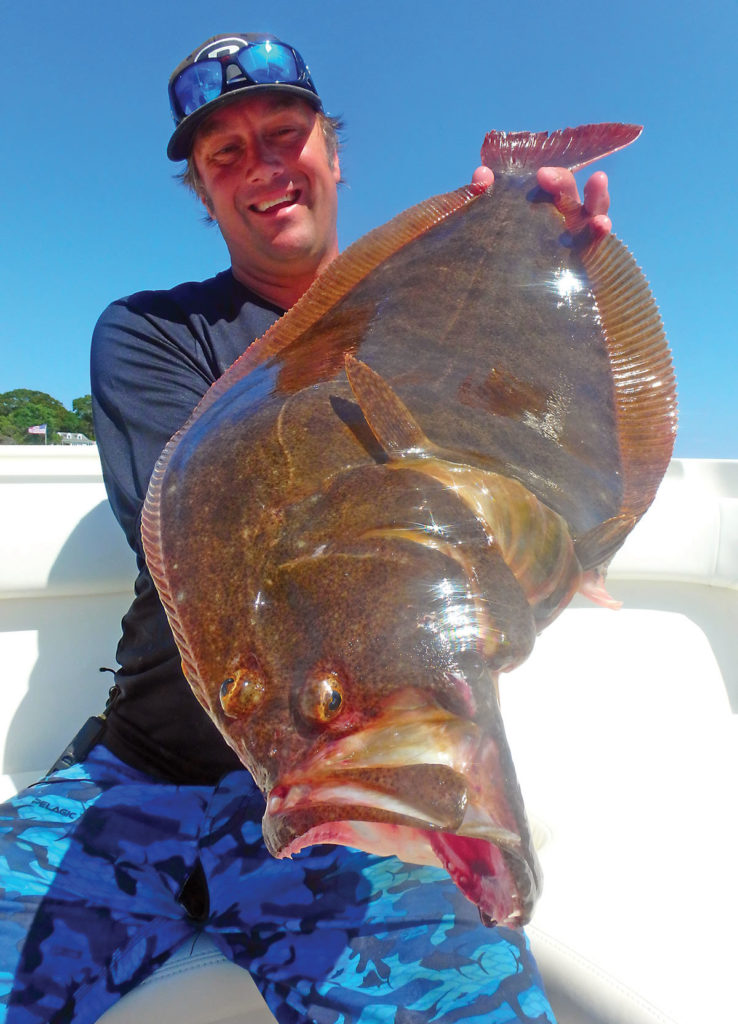
Late summer fluking can yield some of the biggest fish of the season, including some worthy of Dream Boat status.
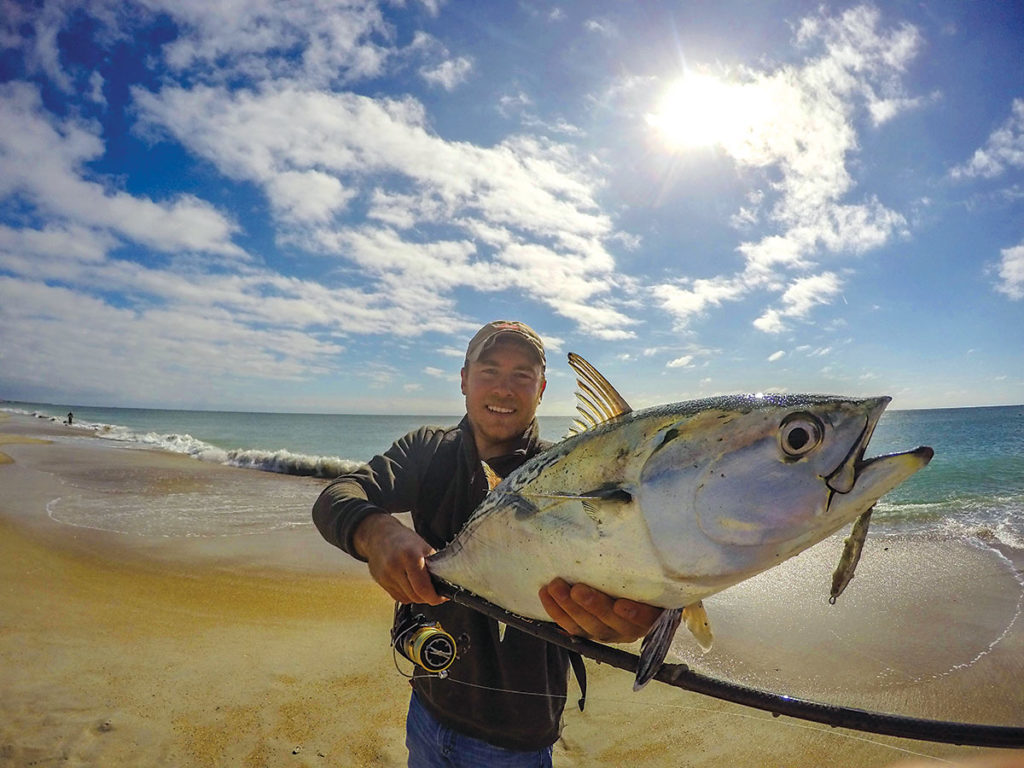
These late summer visitors are a fan favorite of light tackle anglers in the Northeast.

The modus operandi for wreck fishing changes with the seasons, and the summer months typically offer the most varied possibilities for success.
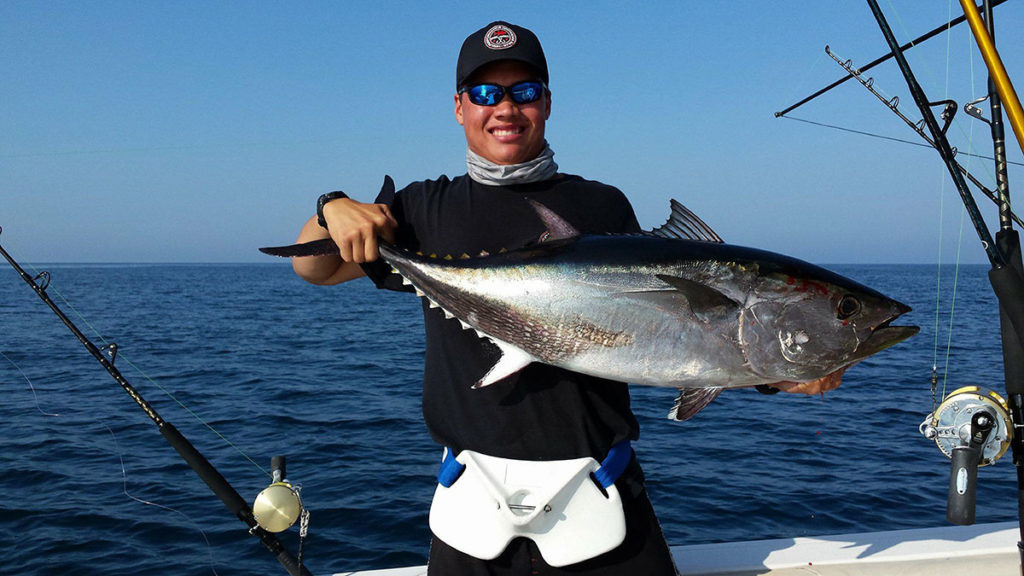
Tried and true trolling spread techniques that turn on tuna and mahimahi.
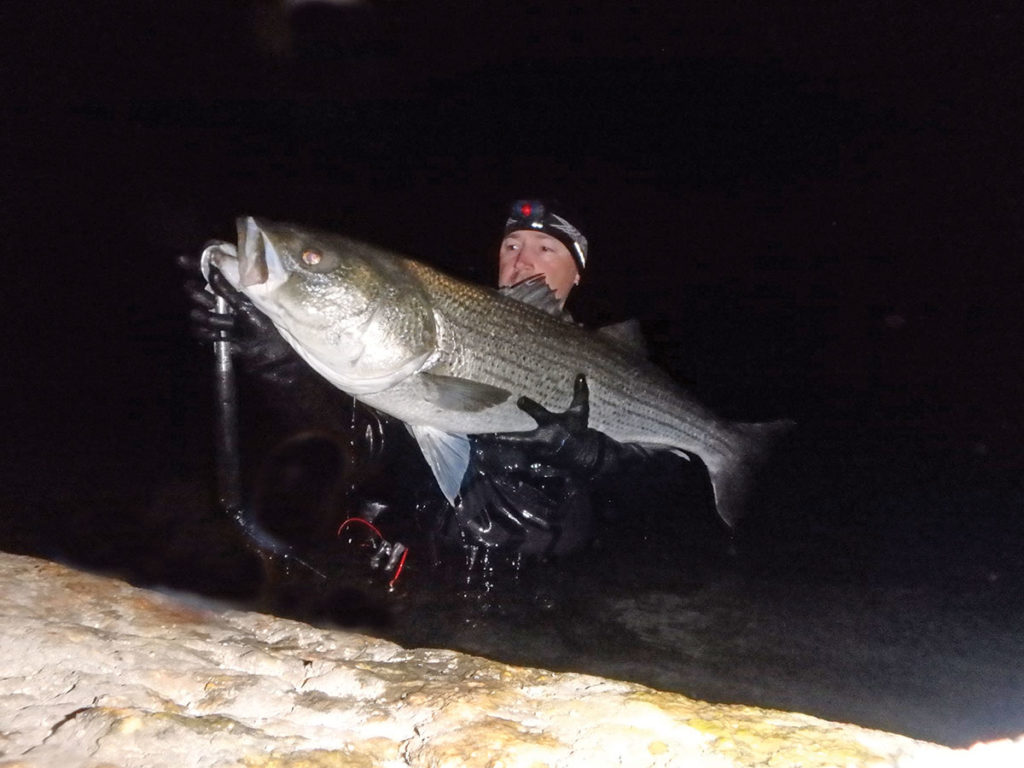
Casting eels at night in the August surf is the surest way to fend off the summer doldrums.

Having the tools to shift gears and vary your approach to the fluke game helps you catch more and bigger fluke over the course of a season.
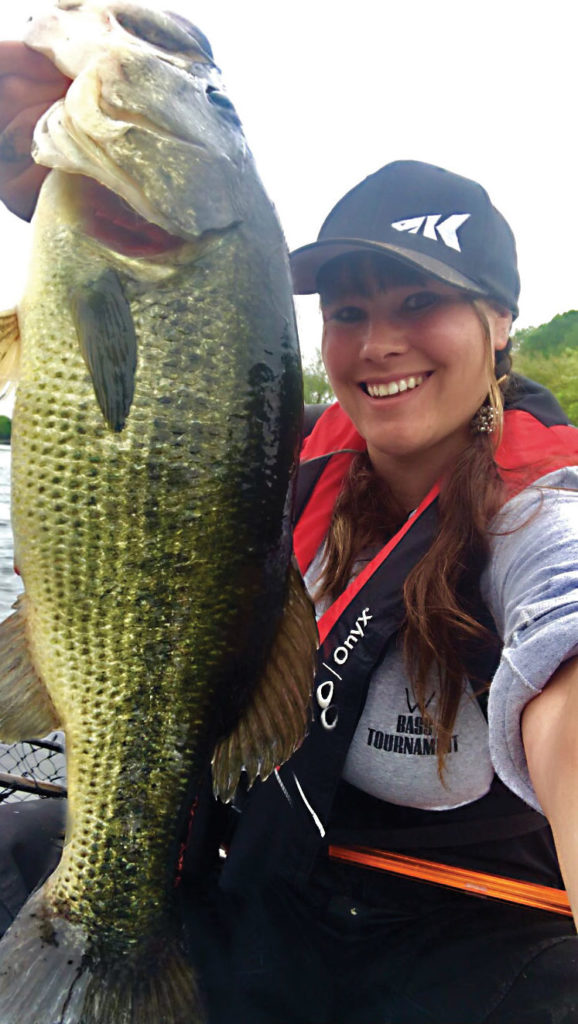
Fishing for largemouth bass is a lifelong passion of mine, and I’m always looking for that one special fish.
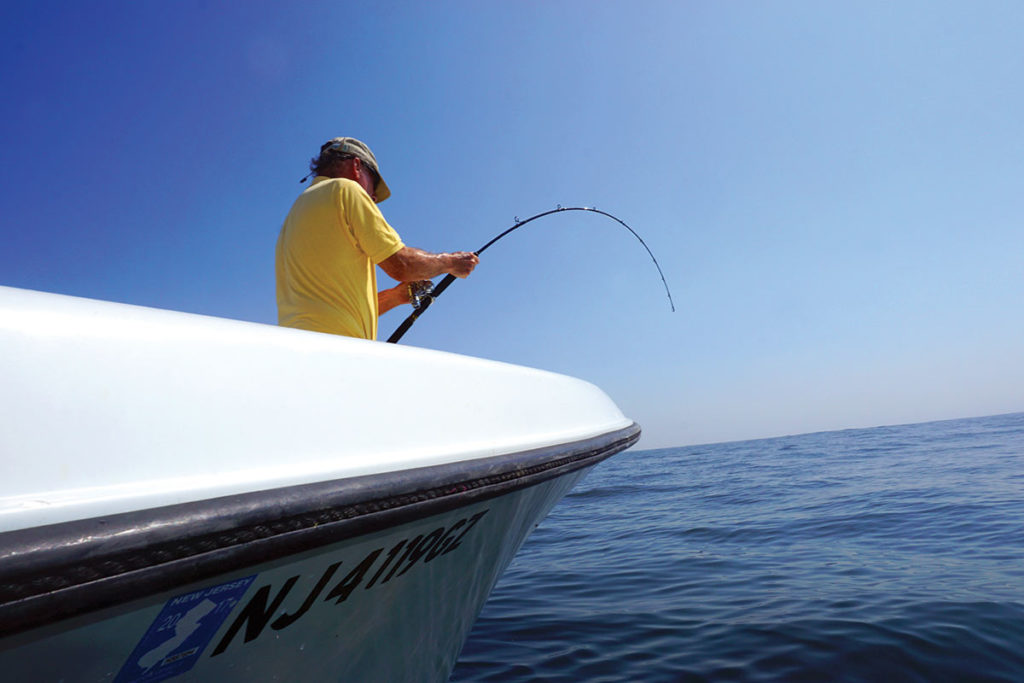
Slow pitch jigging is very much like Butterfly jigging. A complete system of rod, reel, line and jig, and you need all of those components to do it properly.
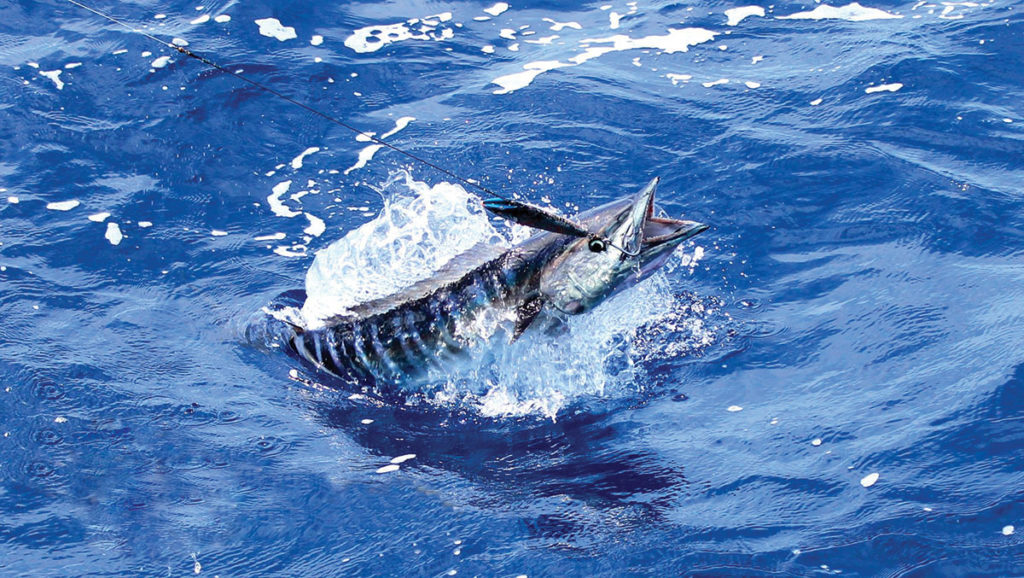
It might come as a surprise to some anglers but wahoo are a species that can and should be targeted here in the Northeast.
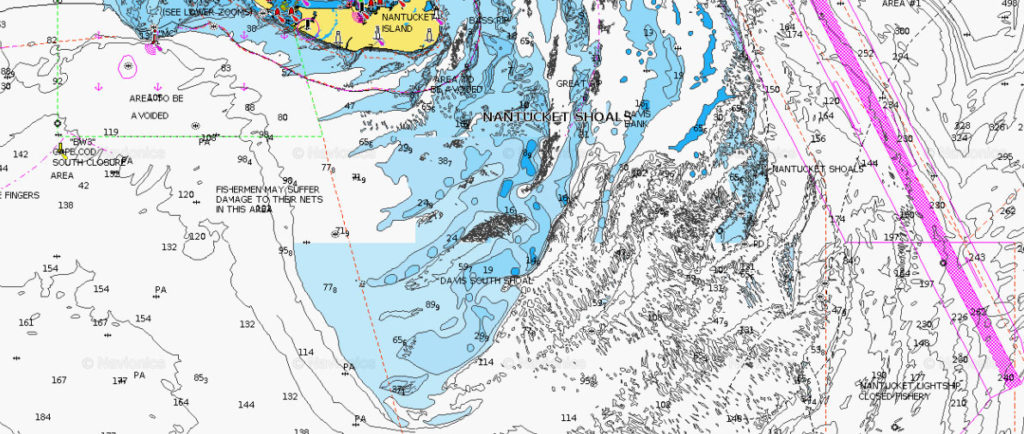
Year after year, more Northeast and Mid-Atlantic anglers are taking the ride to trophy town in quest of high quality fluking.
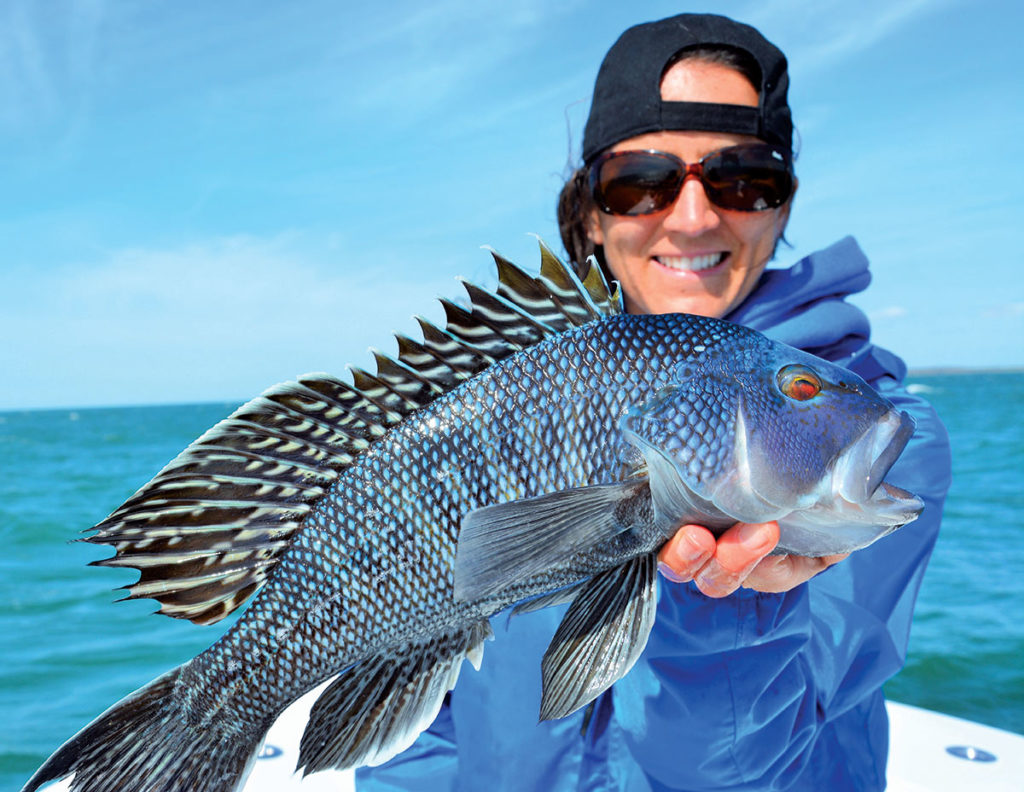
There is no reason to gear up with heavy gear to crank up doubleheaders for the freezer when you can still fill your limit and have a lot more fun doing it with light tackle.

Once considered an expensive novelty less than five years ago, LED (light emitting diode) lighting is the new normal.