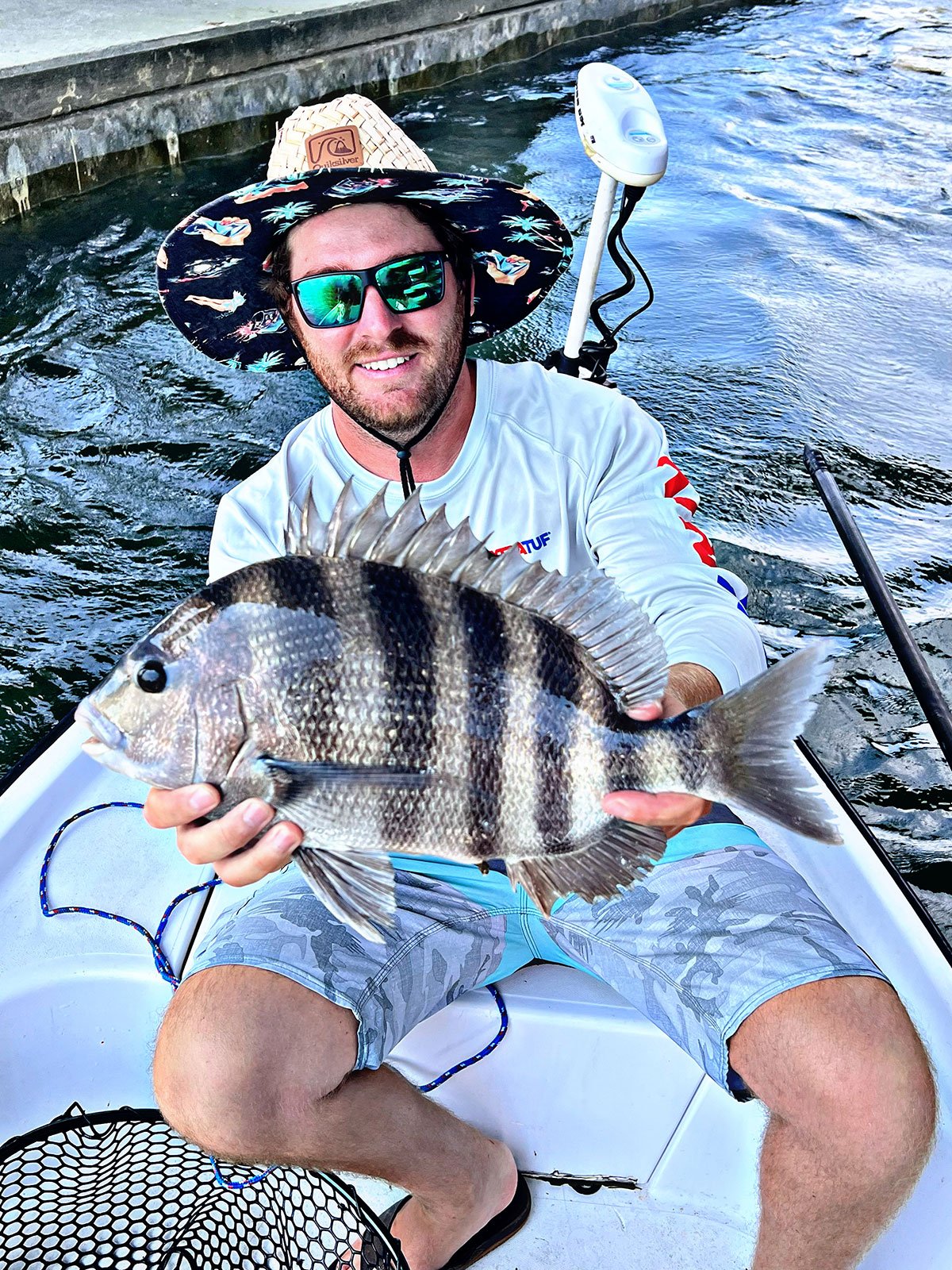
A summer option known for blistering runs and a sneaky talent for stealing bait.
For generations, the phrase “when the dogwoods bloom” has been the cue that black drum have arrived. But for us sheepshead herders, it’s also our signal that it’s time to gather the gear and start thinking about when to splash the boat or launch the kayak.
Thanks to lessons from the South Jersey shepherd Capt. Dan Schafer of Insomniac Guide Service out of Stone Harbor I’ve learned to pay close attention to this moment. Over countless conversations, we’ve always agreed that the first wave of sheepshead tends to arrive right around when the black drum show up; not necessarily the early ones we spot in April in the Great Bay area, but the bigger push that invades Delaware Bay in May.
Some anglers have hooked into sheepshead as early as the first week of May – and the season can stretch all the way into November – but the real action kicks off when nature, and the dogwoods, say it’s time.
Location, Location, Location
Inlets serve as vital aquatic corridors or “highways” for marine life of all sizes. These dynamic zones usher in clean, oxygen-rich water and offer abundant structure which in turn attracts a buffet of bait species and crustaceans. Sheepshead take full advantage of these travel routes, migrating into back bays and estuaries, often stopping to feed much like a commuter grabbing a quick bite at a roadside stop. While some sheepshead follow the tides and move through the inlets seasonally, I believe that others will take up residence year-round. However, targeting these resident fish can be more challenging, as they often compete with other crustacean-loving species like tautog and bergalls. All are drawn to the same favored baits, including Asian shore crabs, fiddler crabs, and sand fleas.
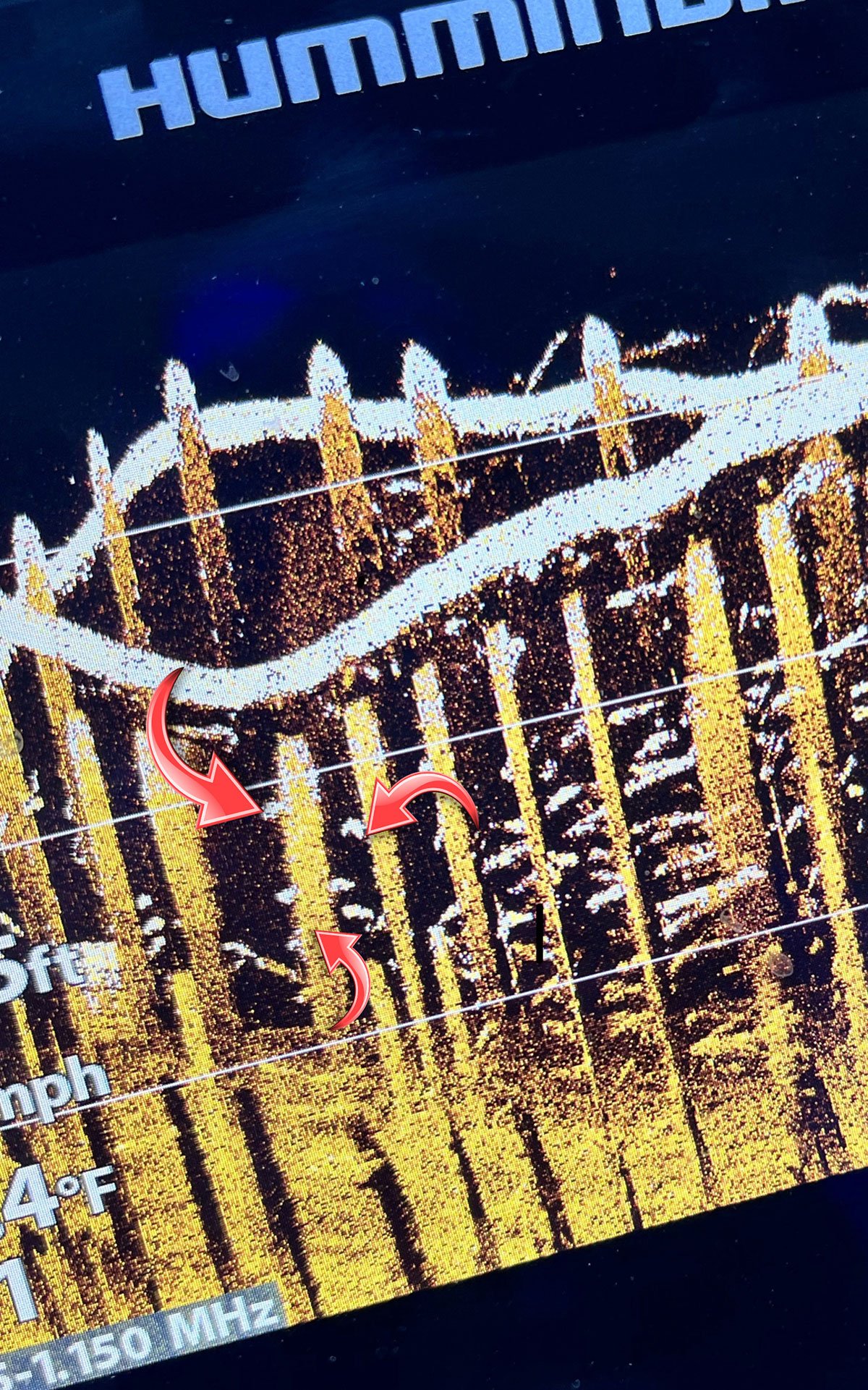
One of the most effective places to target sheepshead is along bridge structure near these inlet locations, specifically pilings, abutments, and footings. These areas serve as prime feeding grounds, offering a mix of barnacles, crabs, oysters, and grass shrimp. While New Jersey offers no shortage of bridges, not all are equally productive. Bridges closest to the inlets typically yield higher numbers of sheepshead due to their proximity to moving water and diverse forage.
When scouting bridges, pay attention to the type of structure. Some may have round wooden pilings, while others are built with massive square concrete columns. It’s up to the angler to investigate and determine what works best in their region. Depth is another critical factor; bridges in 15 feet or more of water tend to hold more sheepshead, likely due to greater vertical movement during tidal shifts. Look for bridges with strong tidal current, which helps position the fish predictably and increases your odds of a successful catch.
A second high-percentage area for sheepshead can be found along docks and fishing piers (again, particularly nearer inlets). Last season, divers and underwater drone footage revealed surprisingly high concentrations of sheepshead carpeting these areas. While many of these docks are privately owned, it’s essential for anglers to respect property boundaries. Avoid tying up to, walking on, or making contact with private docks unless granted permission. Just remember, the water around them is public and fair game for fishing, but do so with respect.
Prioritize older structure with visible growth; grass, barnacles, and algae indicate a thriving food source. Depth is less critical here than with bridges, but look for at least 4 feet of water. Sheepshead can be surprisingly wary, so start by fishing from a distance. Pitching baits underneath and around the dock edges can be particularly effective. Often, you’ll know right away if a sheepshead is home; quick pecks at your bait or a sudden tug on your jig are dead giveaways. Work each dock thoroughly before moving on, and be prepared for a tough fight as these fish are notorious for wrapping anglers up in pilings if not quickly muscled out of structure
Armed For Battle
The rod you choose is arguably the most important piece of the puzzle. Sheepshead have an infamous reputation for being incredibly picky feeders; one minute they’re crushing barnacles and fiddler crabs with their molar-like teeth, the next they’re lightly mouthing a crab or fiddling with your bait like a fussy toddler. That’s where sensitivity becomes your best friend. Ideally, you’re looking for a fast-action rod that allows you to feel even the slightest bump or hesitant nibble. But – and this is critical – that same rod must have the backbone to turn the fish’s head before it runs back into cover. That delicate balance of finesse and power is essential.
There are plenty of great rods on the market that fit the bill. For anglers looking for a solid budget-friendly option, the Tsunami Carbon Shield II series offers surprising performance at an approachable price. On our boats, we prefer to run the Century Weapon and Weapon Jr. rods which are premium tools with precision sensitivity and rock-solid backbone that have stood up to years of heavy use and abuse. Choose a rod that fits your style and fishing environment, but don’t skimp on sensitivity or stopping power.
While the reel may not always get as much attention as the rod, it plays a vital supporting role in the sheepshead game. A smooth, reliable drag is key, as sheepshead hit hard and fight dirty. If your drag sticks or locks up at the wrong moment, it can be game over before the fight even starts. A reel in the 2000 to 3000 size class will keep your setup light and agile, and that smaller profile gives you better feel and control, especially when vertical jigging or casting tight to structure. Our go-to reels are the Shimano Stradic and Nasci models, both of which deliver smooth performance, excellent drag systems, and the kind of durability you need when fishing hard, day in and day out.
Line and leader setup can vary depending on where you’re fishing, but here in South Jersey, we’re almost always working near structure like bridges, sod banks, dock pilings, jetties – it’s prime real estate for sheepshead, which come with a high risk of snags and break-offs. That’s why we prefer running 15- to 20-pound braid, the thinner diameter allowing for better sensitivity which cuts through the water more efficiently, especially when current is a factor. It also gives you quicker hooksets and more precise control when navigating tight spaces. As for leader material, we recommend about 36 inches of 20- to 30-pound fluorocarbon or monofilament.
When it comes to jig selection, the good news is that almost all sheepshead jigs will work, as long as you pay attention to hook strength and presentation. The fish aren’t usually picky about color or finish, and if you’re able to drop a crab-tipped jig right in front of a hungry sheepshead, it’s going to get crushed, regardless of whether it’s green, orange, or chartreuse. But there’s a catch – weak hooks will get exposed fast, and sheepshead can and will bend or snap cheap hardware without a second thought.
We rely heavily on BottomSweeper jigs designed by Capt. Dan Schafer. These jigs feature a compact profile, ultra-strong hooks, and a shape that stays put in the strike zone. They’ve been field-tested extensively by our crew and consistently outperform other options when it comes to durability and hook-up ratios. Remember, don’t overthink the color; focus on quality construction, proper weight for your depth and current, and a hook that can handle serious pressure.
A Guide’s Secret
A little secret weapon that we keep in the toolbox is a rig that’s especially effective when fishing from jetties, docks, or shallow bridge channels. It’s a modified slip float rig, borrowed from the world of weakfish anglers who drift bloodworms under floats with pinpoint precision. Start with a small slip float, one that allows the line to run through the center freely. Above the float, add a sliding bobber stop so you can easily adjust your depth. Below the float, attach a small split shot heavy enough to keep your bait vertical in the water. Finally, tie on a 1/0 or 2/0 hook of your choice.
| RELEASE THE BEASTS |
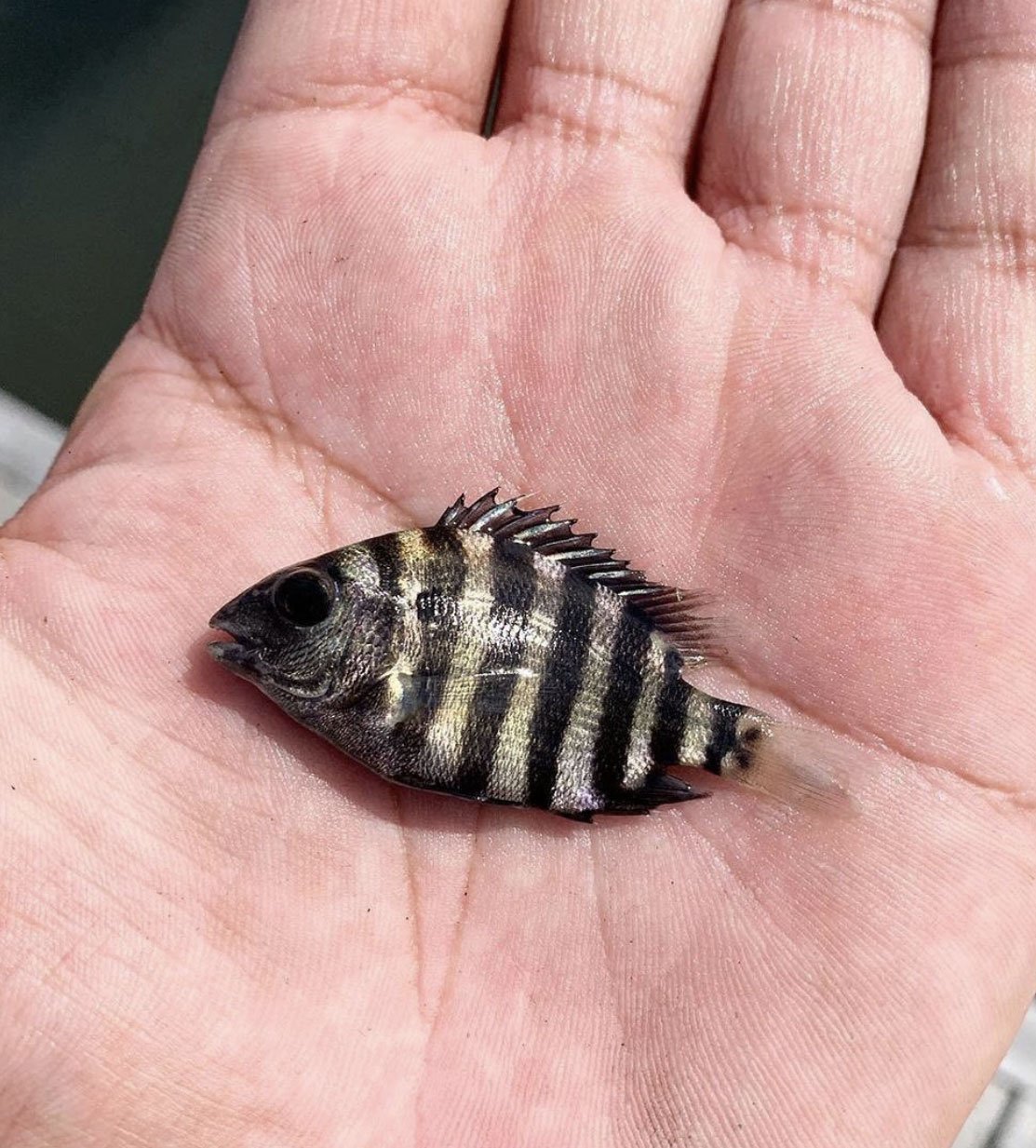
| As it currently stands, New Jersey has no specific sheepshead regulations, which means no size or bag limits, and no seasonal protections. That’s something many of us in the fishing community are actively working to change, and it’s something that the New Jersey Division of Fish & Wildlife is currently looking into. While the overall population has grown significantly over the last two decades, a troubling trend that many of us have noticed is a decline in the number of larger, double-digit-class sheepshead. It wasn’t long ago that a day of fishing might yield three to five trophy-sized sheepshead over 10 pounds, whereas now we’re lucky to see two or three of those caliber fish the entire season.
These bigger sheepshead are the backbone of the spawning stock, and once they’re removed from the system, it can take years to recover that genetic legacy. That’s why I always advocate for selective harvesting; keep a few smaller, legal-sized fish for the table if you want, but when you land that big, beautiful 10-pounder, consider the bigger picture; release those spawning class sheep. |
The presentation is key! Simply cast the rig up-current and let the tide carry your bait naturally toward the zone. Adjust your bobber stop so the bait stays just a few feet off the bottom, right in the strike zone where sheepshead are feeding on barnacles, crabs, and other bottom-dwellers. It’s an incredibly stealthy, natural approach that can outfish traditional bottom rigs in certain spots.
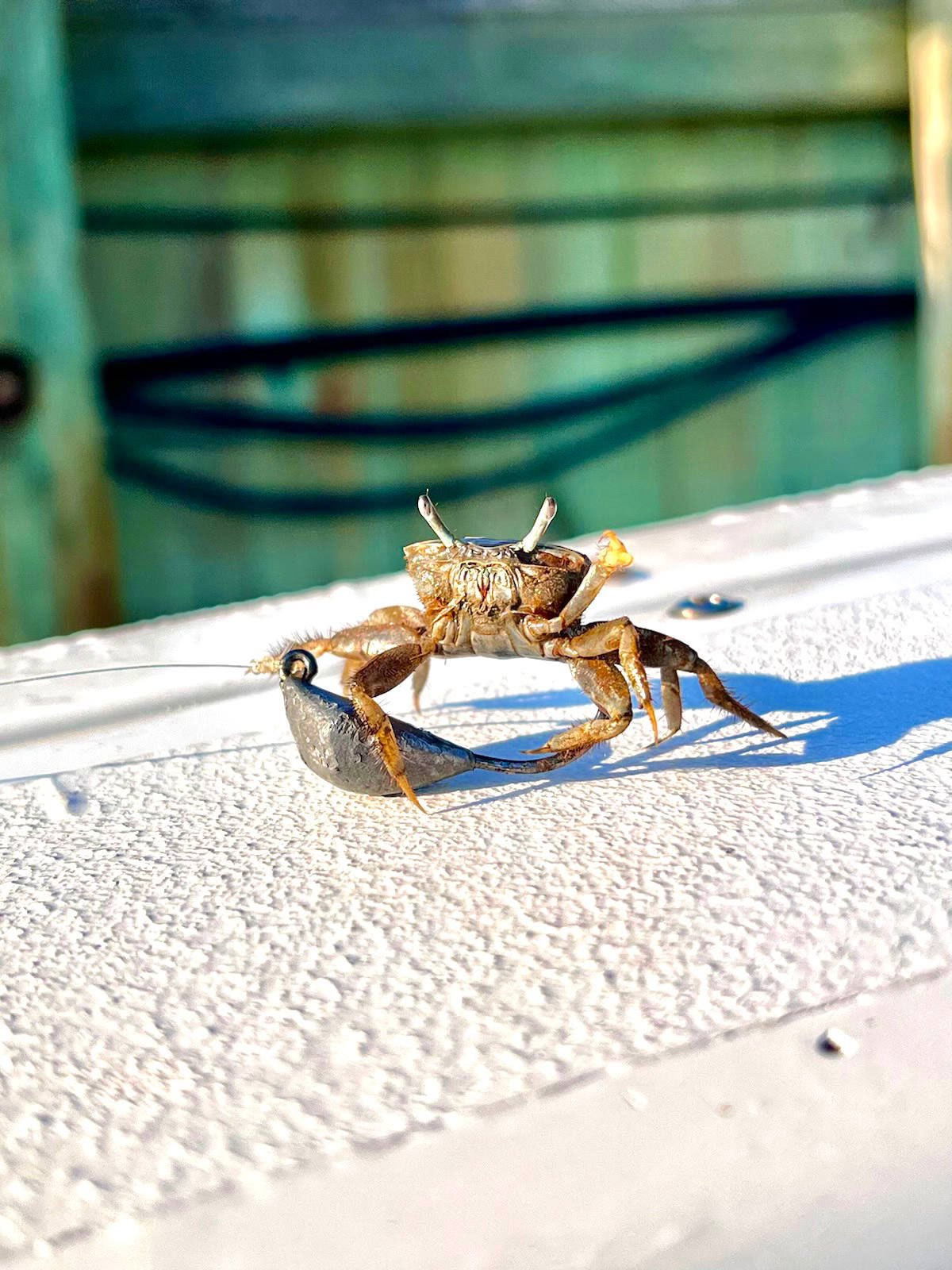
Your bait selection often depends on where you’re fishing and the mood of the fish on any given day. In our waters, the top three most effective baits are fiddler crabs, Asian shore crabs, and sand fleas (aka, mole crabs). I always recommend anglers come prepared with a variety. Ideally, you’ll want to have all three on hand, but even having two out of the three can dramatically increase your chances. Sheepshead are notorious for being selective feeders; some days they’ll hammer fiddlers nonstop, where other days Asian shore crabs or sand fleas will be the clear favorite. Let the fish tell you what they want, and be ready to switch it up.
Fiddler crabs can typically be found scuttling across salt marsh edges and near sandy beaches during low tide. Asian shore crabs are easy to collect by flipping over rocks along the shoreline, especially in areas that are submerged during high tide. As for sand fleas, these can be raked up right along the surf line, especially in areas with soft, shifting sand. A dedicated sand flea rake works best, but if you’ve got a few kids or grandkids in tow, they’ll have a blast helping you dig up a day’s supply.
Targeting sheepshead isn’t just about brute strength. It’s all about precision, patience, and preparation. These fish demand your full attention and reward those who approach the hunt with skill and respect.