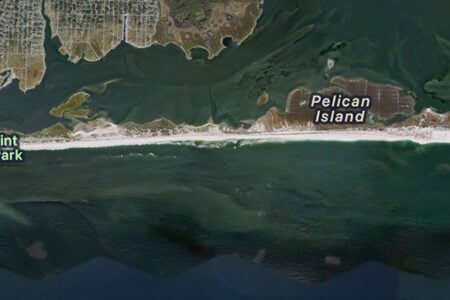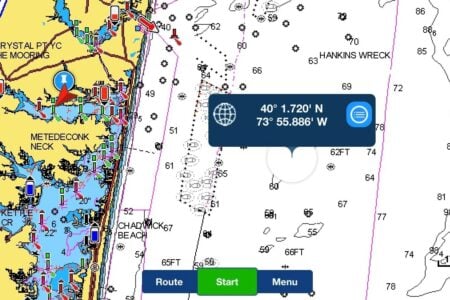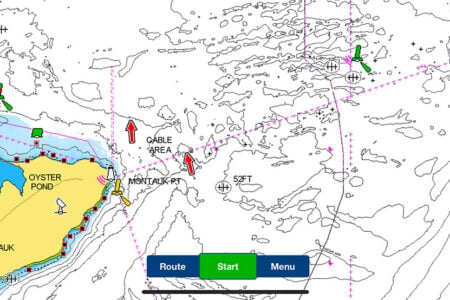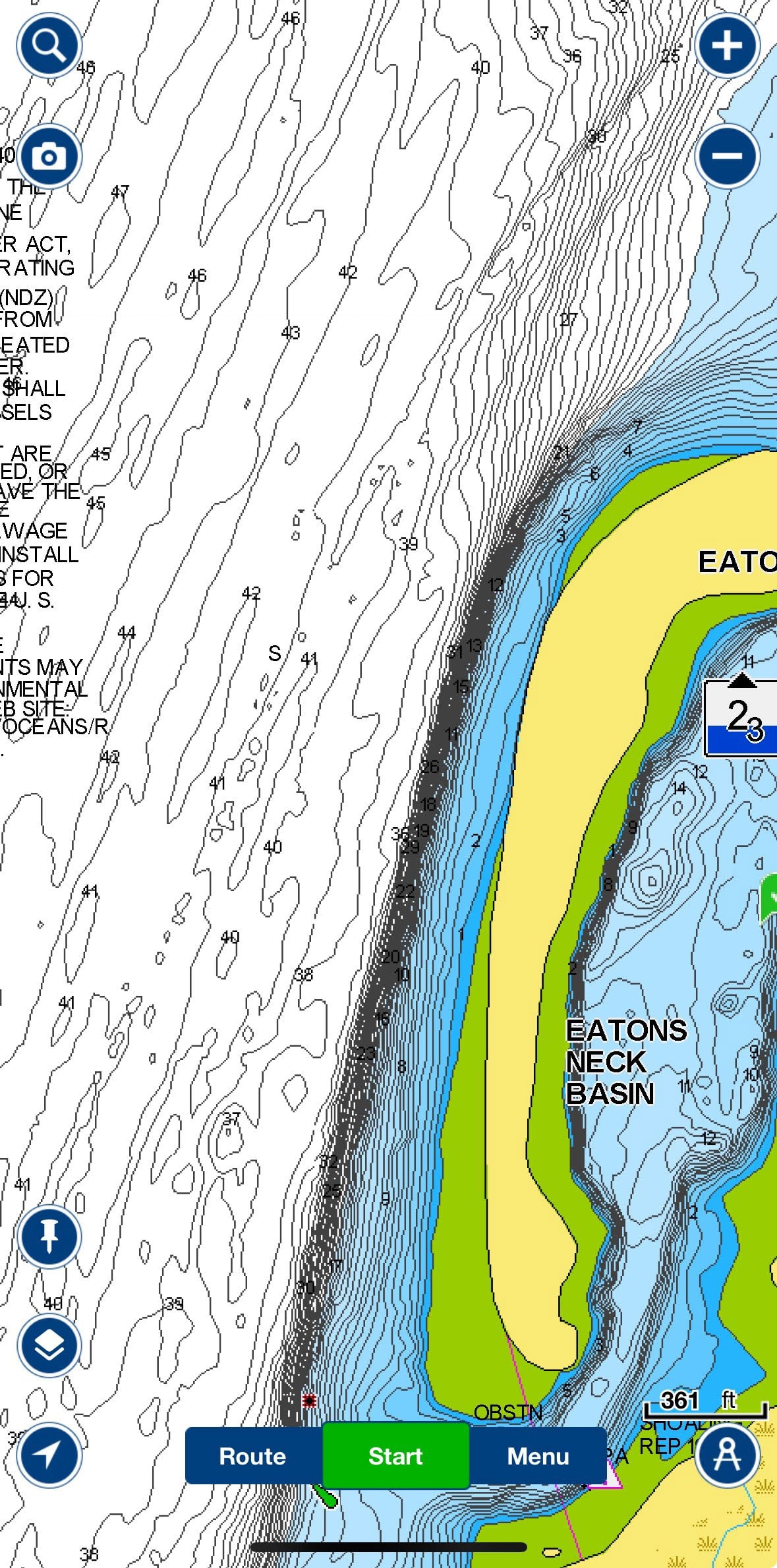
Here is a spot that can accommodate many boats at the same time and produces good catches seven months out of the year. Located on Long Island’s North Shore, just west of Eaton’s Neck on the east side, is the area known as the Brush Pile. The Brush Pile consists of a large rock bed that sits in 15 to 50 feet of water. Despite the rocky lair, the boulders are small enough to keep snags at a minimum whether you’re at anchor or drifting.
The season kicks off by mid to late April with striped bass raising the curtain, slamming Storm Swim Shads, Albino Sea Shads from Bass Assassin, and swimming darters from Yo-Zuri and Rapala. With water temperatures in the mid-50s, the stripers are still a bit sluggish, so your soft plastics and plugs should be retrieved very slowly, with plastics worked close to the bottom to stay in the strike zone.
Next up are fluke, which can be targeted along the drop-offs with pink, white, and glow-colored Spro Prime Bucktails leading the way. Adding a Spro Bucktail teaser in chartreuse/white about 18 inches above the main bucktail can increase your odds, especially when both are tipped with spearing or a strip of squid. Be sure to rig your setup on a fluorocarbon leader. I prefer the Spro RT Fluorocarbon Leader for most of my terminal applications. It offers low visibility and the strength needed for both inshore and nearshore work. A 30-pound leader is ideal for handling not only quality fluke but also the occasional cow striper or gator bluefish that move through the area in May and early June.
From late May through October, porgies become the mainstay, with jumbo scup showing early before transitioning to steady action with medium-sized fish through the summer. By late June, short sea bass begin to mix in, along with a few near-keepers sharing the same structure. Standard porgy rigs are more than sufficient, with sandworms and clam bellies producing the best results. When using clams, always opt for the soft bellies rather than the tongue, as they consistently outfish the tougher pieces. If you tie your own rigs, use sharp, reliable hooks like the Gamakatsu 1/0 Octopus or O’Shaughnessy styles. These hooks hold their edge and stand up to pressure, which is key when fishing around structure.
As the season winds down, blackfish take over the stage by late October into November. Last season saw strong and consistent tog fishing in 30 to 40 feet of water during October, although much of November was impacted by persistent winds. On the few fishable days, anglers still managed solid catches with fish up to 5 pounds.
When targeting blackfish, focus on rock piles that rise just 2 to 3 feet above the surrounding bottom. These subtle pieces of structure are prime holding areas, and the Brush Pile has plenty of them. While traditional tog rigs are effective, fishing jigs from 1/2 to 2 ounces offers a more hands-on approach and is a lot of fun on light tackle. Although jigs come in a variety of colors and styles, I tend to keep things simple with unpainted sheepshead jigs ranging from 1/2 to 3 ounces. Despite having a range of options on hand, these unpainted versions have consistently produced over the past few seasons.
Green crabs are the top bait choices for blackfish. When fishing jigs, be sure to use a fluorocarbon leader, as tog have sharp eyesight and will often shy away from heavier or more visible lines. A 30-pound Spro RT Fluorocarbon Leader provides the right balance of stealth and strength, helping keep rods bent and fish coming over the rail.
There you have it. When all else fails, chances are the Brush Pile will come through.