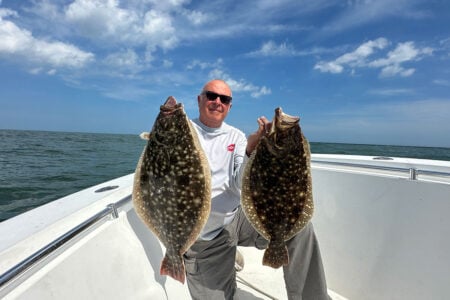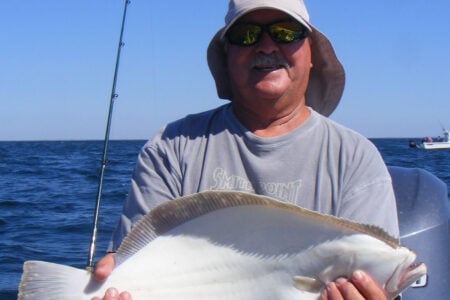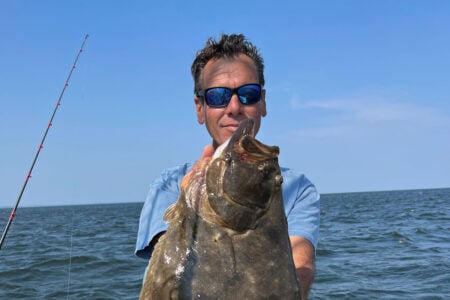
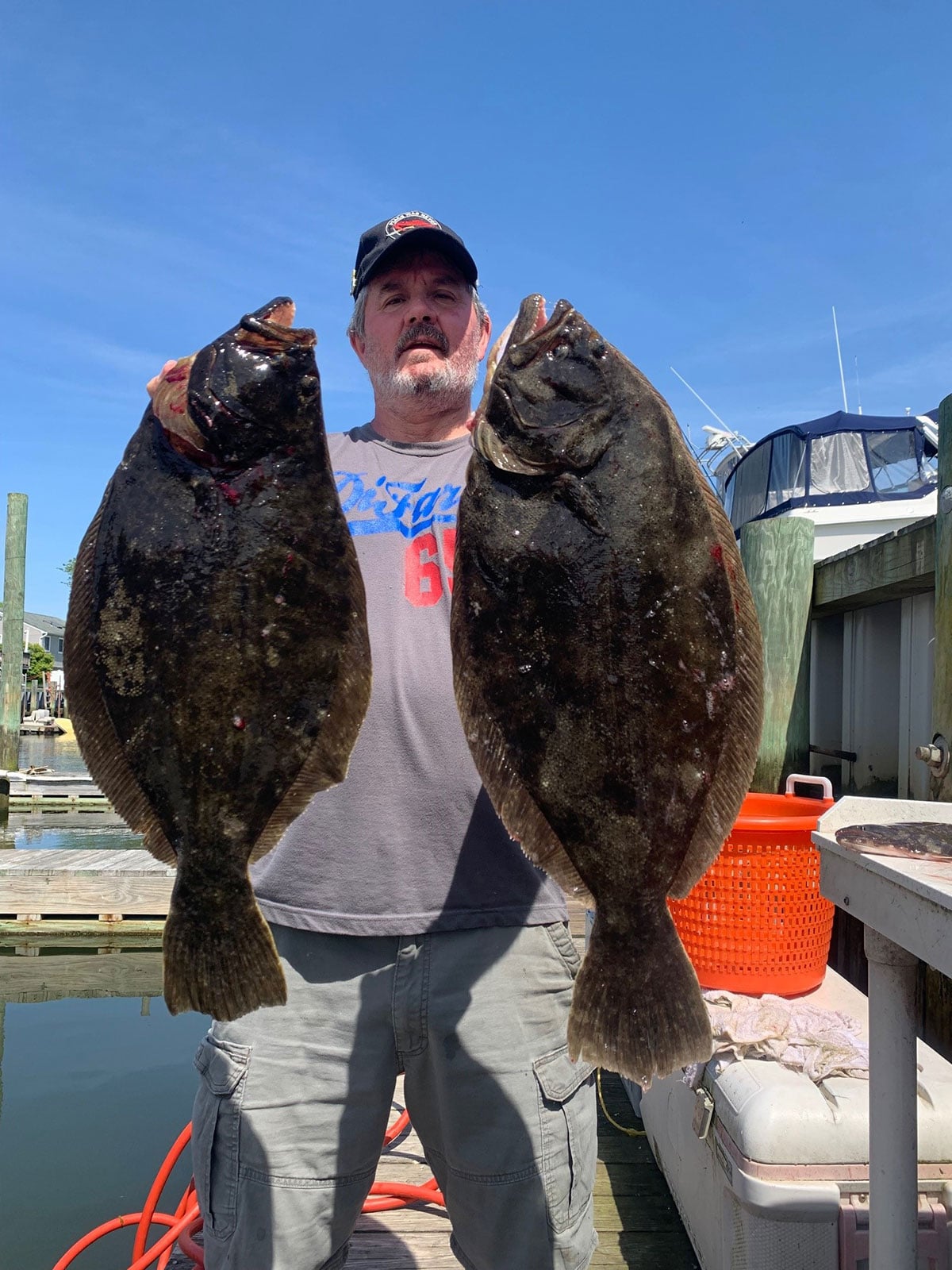
A season-long approach to finding, presenting, and staying on fluke along the South Shore of Long Island.
After more than three decades running charters along the South Shore of Long Island, I’ve come to appreciate one simple truth about fluke fishing—everything revolves around movement. Not just the movement of the fish, but the bait, the tide, the drift, and most importantly, what you’re doing at the end of your line.
Fluke are predators. They’re built to track, ambush, and react. If your bait isn’t moving, you’re not giving them a reason to engage. That’s where most anglers fall short. They wait for the bite instead of triggering it.
The anglers who consistently produce don’t just fish—they adjust. They follow the progression of the season, they read the water, and they stay dialed into how the fish are behaving on a given day.
The season itself lays out the roadmap. As spring sets in, fluke begin moving off the continental shelf and pushing toward the coast. By late April/early May, they’re filtering into the bays and estuaries where the water warms first. That’s your starting point.
Bay Fishing
Early in the season, the back bays offer some of the most consistent action, but only if you understand what’s driving it. Temperature is everything. A stretch of shallow water that’s been cooking in the sun all afternoon can be several degrees warmer than surrounding areas, and that’s enough to turn fish on.
That’s why the outgoing tide is often your best shot. That warmed water—and the bait it holds—gets pulled across the bay, creating a feeding window. Incoming ocean water, on the other hand, can drop the temperature and slow things down.
As the season progresses, the fish move into deeper water as bay temperatures rise.
Fish The Edges
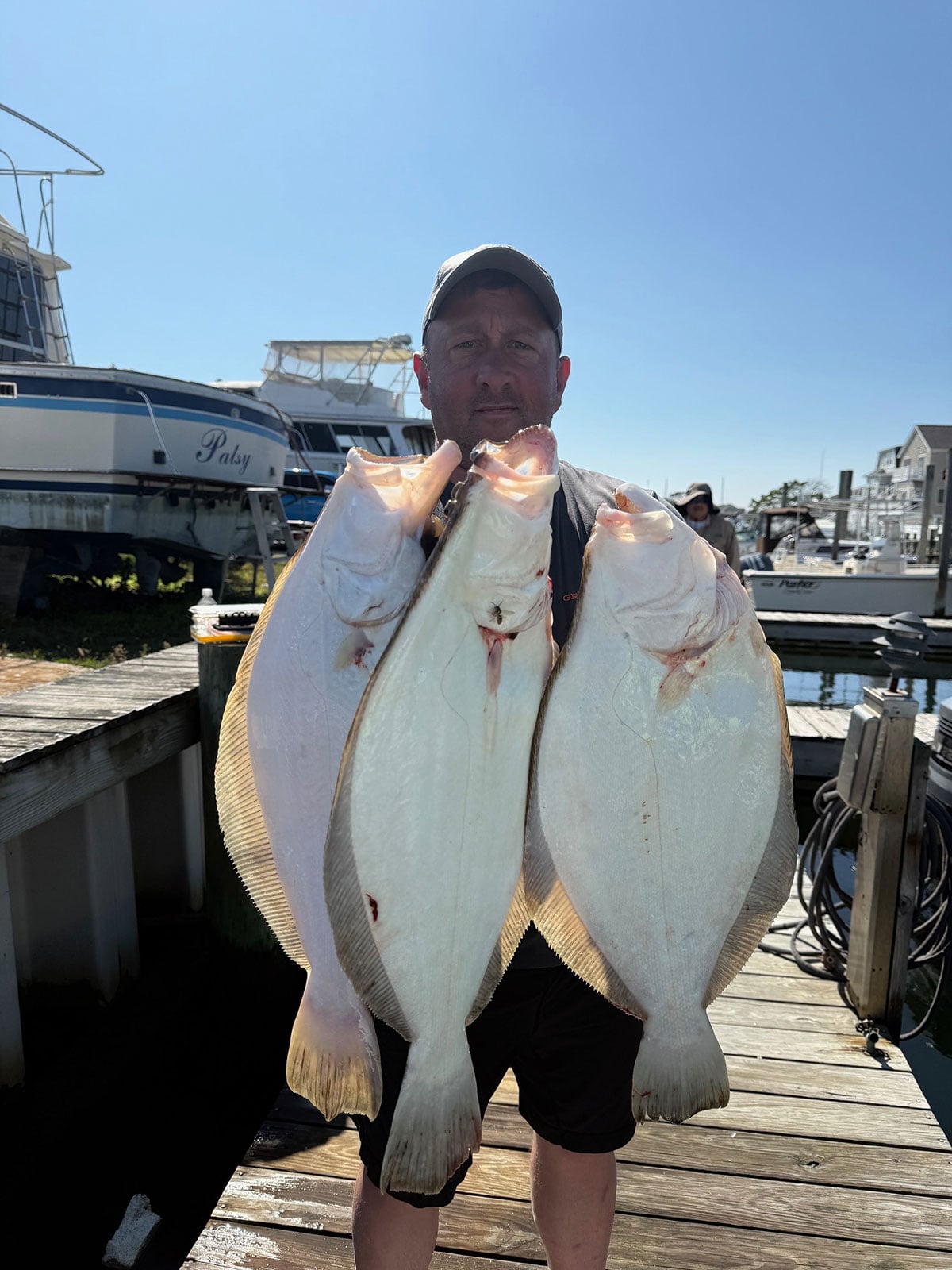
Location within the bay is just as important as timing. Fluke don’t roam aimlessly across flat bottom. They position themselves along edges, drop-offs, and subtle contour changes where they can ambush prey.
Sometimes it’s nothing more than a slight dip or transition—but those are the spots that consistently hold fish.
Electronics have become a major advantage here. A good sonar and chart plotter aren’t just for the ocean. Mark your spots. Pay attention to what’s under you. And when you find a productive area, work it thoroughly with short, controlled drifts.
Keep It Small, Keep It Light
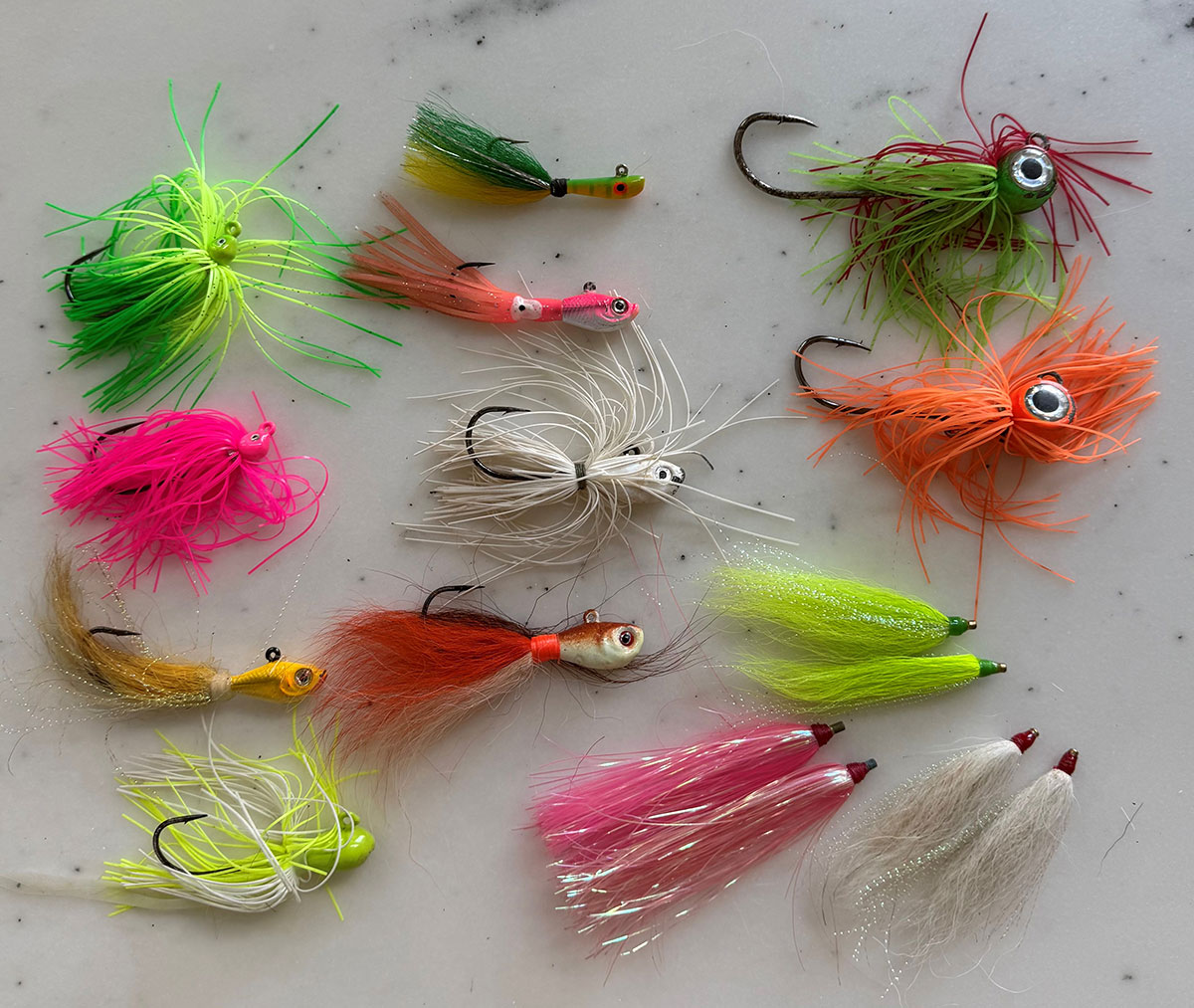
Early season fish also demand a scaled-down approach. The bait at that time is small—primarily spearing and grass shrimp—so your presentation should match the hatch.
A small bucktail (to 1 ounce) combined with a soft plastic is very effective when conditions allow. If you need more weight to hold bottom, I use a trusty hi/lo rig that features a teaser and soft plastic. You move this rig the same way you would a bucktail. I also tip my spring rigs with small spearing to enhance the presentation. The colors I prefer to use in spring include green, chartreuse, and white.
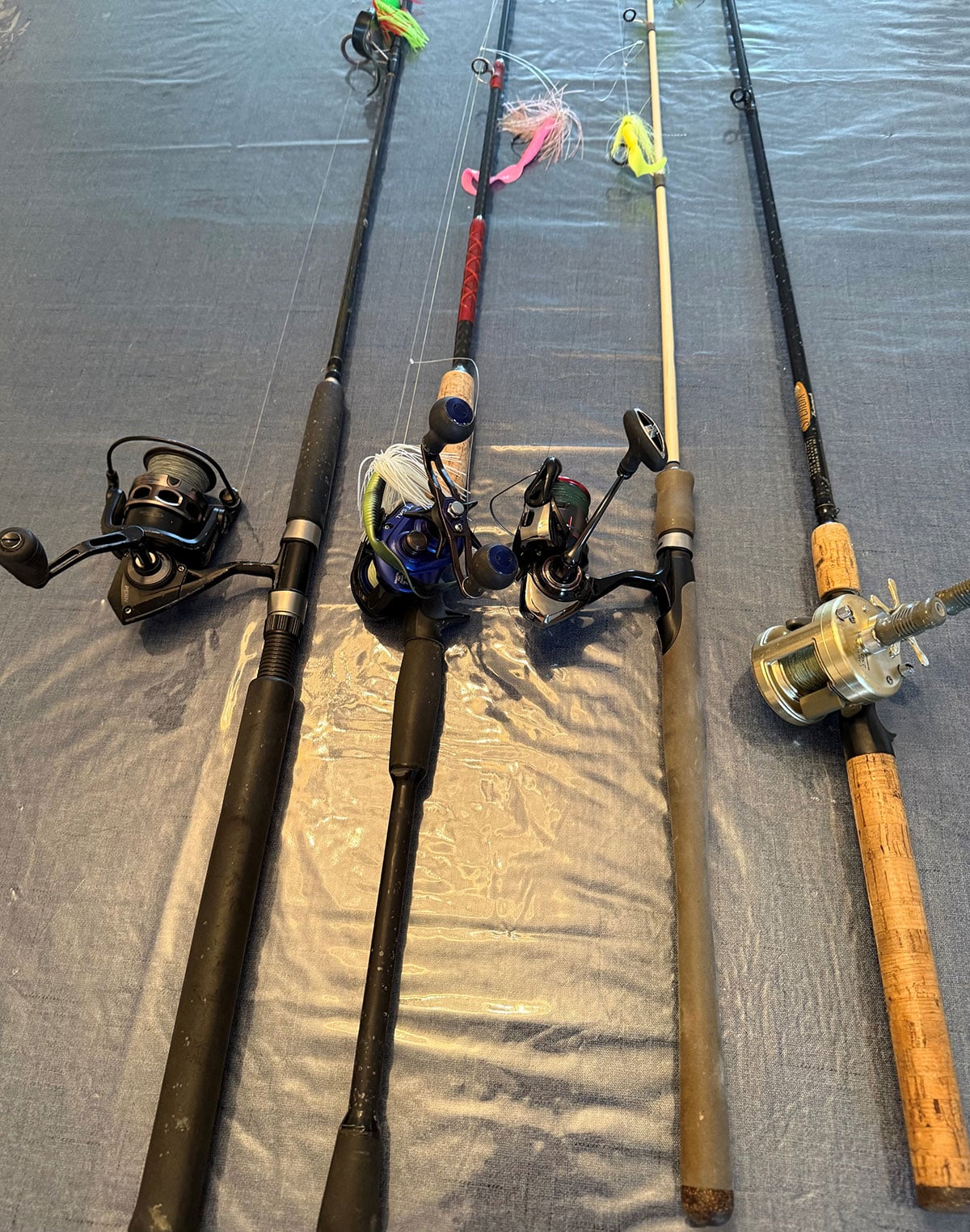
As for tackle, I like to keep it light. Spinning or conventional rods rated 10–20 pound, 15-pound braid, and a 20-pound leader. Not only is it more fun to catch fluke this way, this setup allows you to stay connected to what’s happening on the bottom.
That connection matters, because the bite can be subtle. In colder water, fluke aren’t always aggressive. Often, bigger fish will give you a light tap before committing. A slower presentation, a controlled bounce, and a moment of patience can make the difference between a missed opportunity and a fish in the net.
Ocean Fishing
By late June, the pattern begins to shift. While there are still fish in the bay throughout the summer—particularly in deeper channels—the better bite often starts to develop offshore.
As the bay warms, fluke move toward the ocean where cooler water temperatures and an abundance of bait awaits. From there, the focus turns to fishing structure.
Fishing Structure
Ocean fluke relate heavily to bottom features—reefs, wrecks, hard bottom, and even subtle depth changes.
There are many reefs just outside our western South Shore inlets—Fire Island, Hempstead, MacAllister, Atlantic Beach, and Rockaway. In addition, natural bottom areas such as Cholera Bank, Middle Grounds, and Angler Banks lie just a little further offshore. These areas all concentrate bait, and where there’s bait, there are fluke setting up to feed.
Finding that structure is one part of the equation. Fishing it effectively is another. When you locate fish, it’s critical to stay tight to the area. Long drifts might cover ground, but short, precise passes will consistently produce more. When you hit fish, mark it immediately and work that piece.
There’s a rhythm to a good day of fluke fishing. More often than not, the bulk of your catch comes in a relatively short window. When you’re on them, you need to recognize it and capitalize. When you’re not, it’s time to move.
Drifting is the standard approach, but it’s not always the right one. When the drift picks up or the bottom becomes particularly unforgiving, anchoring can be the better option. It allows you to fish more vertically, maintain control, and keep your presentation in the strike zone longer—especially when fish are holding tight to structure.
Ocean Tackle & Rigs
Offshore tackle needs to match the conditions, but the goal remains the same—stay as light as possible while maintaining bottom contact. Braided line has become essential for that reason. It gives you sensitivity, control, and the ability to fish effectively in deeper water with less weight.
Similar to bay fishing, rig selection comes down to conditions and preference. Both bucktails and hi/low rigs have their place. In the ocean, bucktails up to 3 to 4 ounces are my maximum. On my hi/lo rig, I’ll fish both larger hooks—6/0 baitholder—and teasers. What matters most is how the rigs are worked. A properly presented rig—kept vertical, actively worked, and matched to the conditions—will produce best results.
As for my rod and reel setup, a 6 foot, 6-inch fast-action (15 to 30 pound) rod with 30-pound braid and a 30-pound leader is my preference. A spinning setup for bucktailing and a conventional for the heavier hi/lo rig.
Bait Vs Artificial
There has been a long-standing debate between bait and artificial. There’s no question that artificials (e.g., Gulp) produce and are often fished without bait.
But in many cases, especially around structure, incorporating fresh fish bait can make a noticeable difference. My favorite fish baits are fluke belly and fillets of bluefish, sea robin, and scup.
It’s not about choosing sides—it’s about giving the fish a complete presentation that they’re willing to commit to.
Color, size, and profile all play a role, but there’s no fixed formula. Conditions change, and the fish respond accordingly. The anglers who do best are the ones willing to experiment and adjust until they find what’s working.
Follow The Season
At the end of the day, fluke fishing along the South Shore is a progression. Start in the bay when the season opens, adjust as the water warms, and follow the fish as they move deeper.
Focus on structure, keep your presentation active, and pay attention to what’s going on around you.
Do that consistently, and you’ll find yourself catching more fish—and understanding why.
Fish hard. Have fun. And when they hit—be ready.