Before pulling the boat for the season, consider the late-fall fishing opportunities still available throughout the Northeast.
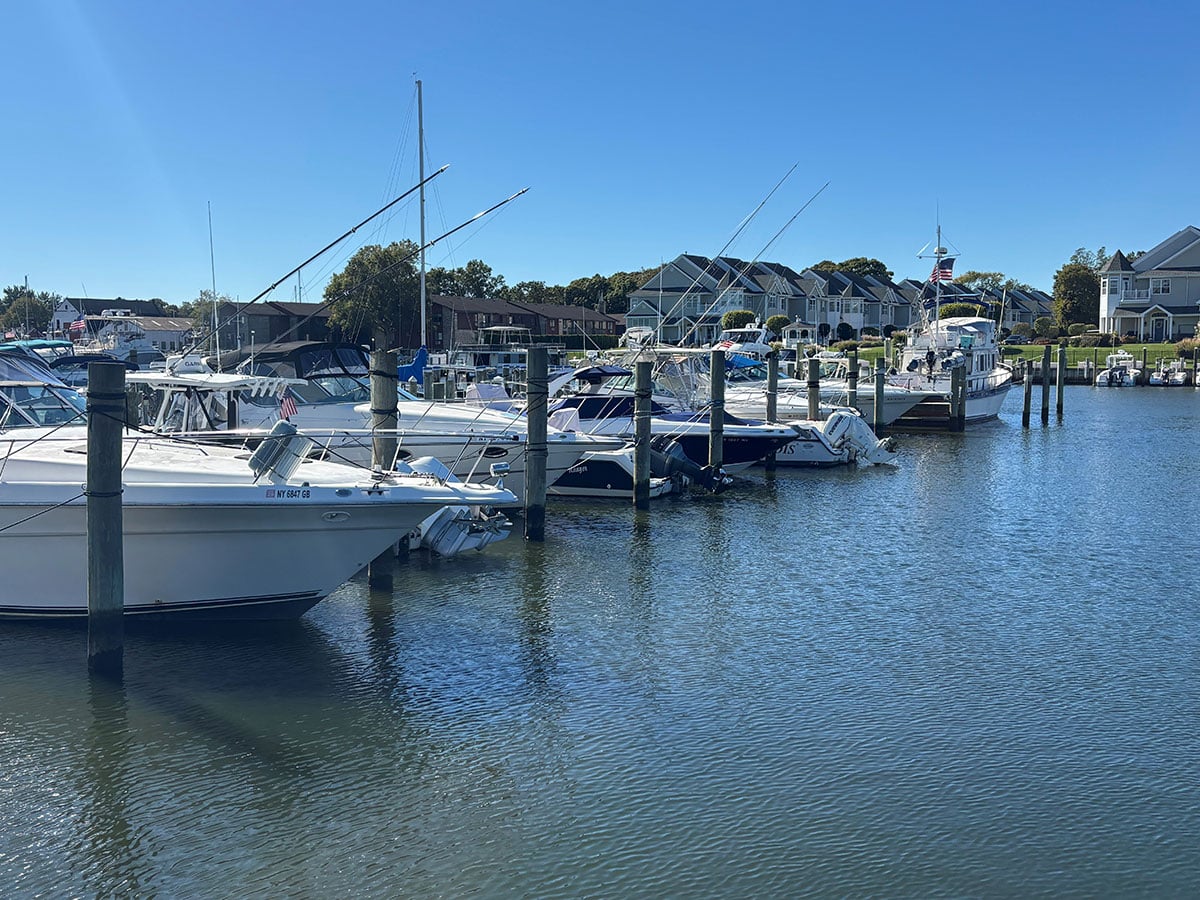
For many Northeast boaters, November signals the end of another fishing season. Marinas begin thinning out, boats disappear beneath shrink-wrap, and the sounds of pressure washers and winterization work replace the usual activity around the docks. However, for those willing to keep their boats in the water a little longer, November can offer some of the most rewarding fishing of the entire year.
I’ve always felt that some anglers are a little too quick to call it a season. Sure, the weather becomes less predictable, daylight is limited, and finding a comfortable fishing window requires more planning. But the fish certainly haven’t gotten the message that it’s time to pack everything away.
Throughout the Northeast, November presents a variety of opportunities. Striped bass continue their migration along the coast, blackfish remain active around rocky structure, and sea bass and other bottom species provide options where seasons remain open. Depending on the region and conditions, late-season bluefin tuna can also offer some exciting action. The key is being willing to adapt rather than expecting November to fish like September or October.
Pick Your Windows
Perhaps the biggest adjustment when keeping a boat operational into November is learning to work around the weather. During the summer, it’s easy to plan a trip several days in advance and feel reasonably confident that conditions will cooperate. By November, that approach becomes much less reliable.
Instead of committing to a particular day, I like to look for opportunities between passing weather systems. A stretch of relatively light winds following a cold front can create favorable conditions, even when air temperatures are considerably colder than earlier in the season.
Wind direction is especially important. A northwest wind might leave portions of the ocean uncomfortable while providing protection along certain shorelines or inside bays and sounds. Conversely, an easterly blow could make an otherwise productive stretch unfishable. Knowing which areas offer protection under different conditions can significantly extend your season.
Don’t overlook the importance of having a backup plan. If the ocean isn’t cooperating, perhaps a sheltered bay, harbor or inshore piece of structure can still offer productive fishing. Just remember that November isn’t the time to push your luck. Strong winds, cold water and shorter days leave little room for mistakes.
Keep Your Options Open
One advantage of late-season fishing is the variety of species still available across the region. Rather than heading out with one specific target in mind, it often pays to keep several options available.
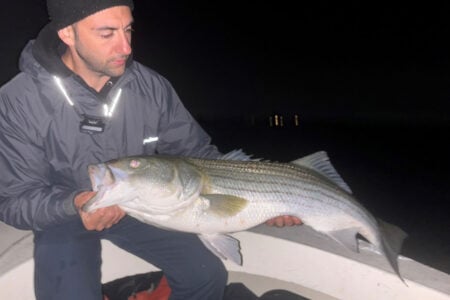
Along the oceanfront, migrating striped bass may provide excellent action when schools of bait move through. For boat anglers, that could mean casting plugs and soft plastics to feeding fish, jigging beneath working birds or fishing live bait where permitted.
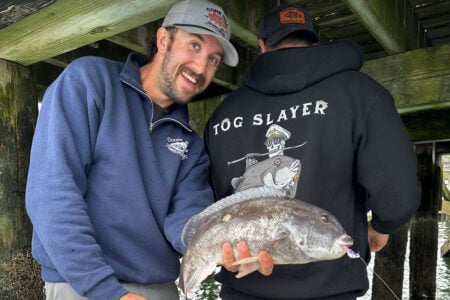
Blackfish are another November staple. As water temperatures fall, tog begin transitioning toward deeper structure, although plenty of fish can remain relatively shallow during favorable conditions. A selection of jigs, traditional rigs and appropriate crab baits can keep anglers in the game throughout the month.
Farther offshore, sea bass, porgies and even tuna may provide opportunities, depending on local regulations, water temperatures and weather. Of course, these trips require additional planning, and the shorter November days should factor heavily into how far you’re willing to run.
The important thing is not to become locked into one species or location. November rewards anglers who can adjust their plans based on the weather, available bait and current fishing reports.
Prepare for the Cold
Keeping a boat in service later into the year comes with additional responsibilities. Cold mornings can be particularly hard on batteries, while freezing temperatures can threaten onboard plumbing, livewells, washdown systems and other equipment containing water.
Make sure your batteries are in good condition, charging systems are operating properly and all essential safety equipment is accessible. Any freshwater systems or exposed plumbing that could freeze should be properly protected, even if the boat remains in service.
Fuel management also deserves attention. With fewer boats operating, some waterfront fuel docks may reduce their hours or close for the season. Knowing where fuel is available before leaving the dock can prevent unnecessary problems.
Personal safety becomes even more important as water temperatures drop. A fall overboard can quickly become life-threatening, regardless of swimming ability. Wearing a properly fitted life jacket, keeping communication equipment available and making sure someone knows your float plan are essential precautions. Insulating layers, waterproof outerwear and protection for your hands and feet can make a substantial difference in comfort and safety.
Gear Up for the Season
November doesn’t necessarily require an entirely different collection of fishing tackle, but simplifying your approach can make things easier.
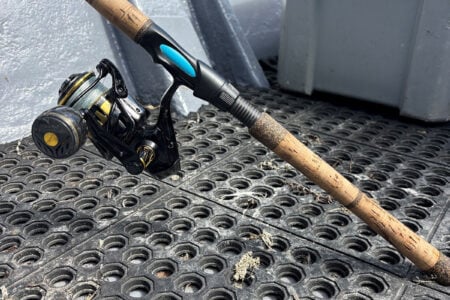
For striped bass, I like having a versatile spinning outfit capable of throwing soft plastics, metal jigs and swimming plugs. A heavier setup can cover larger presentations or live bait when necessary.
For blackfish, a dependable conventional or spinning outfit suited to the depth and current is usually all that’s needed. Keep an assortment of jig weights and traditional rigs available so you can adjust as conditions change.
Organization becomes especially important when fishing in colder weather. Having rigs prepared, leaders tied and tackle within easy reach means less time fumbling with small components while wearing gloves or dealing with cold fingers.
The Reward for Staying Out
Perhaps my favorite part of November boating is how much quieter everything becomes. Places that were crowded just a month earlier can suddenly feel almost deserted. Boat traffic drops considerably, popular fishing grounds see less pressure, and there’s something satisfying about having a productive piece of water mostly to yourself.
Of course, extending the season isn’t for everyone. There comes a point when weather, freezing temperatures and personal schedules make winterization the sensible choice. The goal isn’t to keep fishing at any cost, but to recognize that the calendar alone shouldn’t determine when your season ends.
Some of the year’s most memorable catches happen after many anglers have already put their boats away. Whether it’s one more quality striped bass, a cooler of blackfish or an unexpected late-season bite, November can still deliver.
So before scheduling that haul-out or reaching for the shrink-wrap, take another look at the forecast. There might be one more worthwhile trip left in the season.