How moving water, sand structure and turbulent current create prime ambush points for summer flounder.
Those who fish seriously for fluke preach, “structure, structure, structure.” And this is dead-on accurate, but what about when rock, reef and wrecks aren’t in a stretch of water that summer flounder traverse? Where can anglers find quality fluke congregated more densely than other areas? Say hello to fluking the rips. Yes, rips are most associated with striped bass fishing, but they also attract and hold fluke too. They are well worth the time and effort for boats to drift.
Rips generally occur on sand bottom that rises and falls over a distance. For instance, in any given stretch of waterway, the depth might rise from 30 feet to 8 feet and fall back to 30 again only to rise again to 8 feet before dropping again to 30 feet. The aforementioned depth pattern is simply an example, but rips can get so shallow that a swell might break on the high portion of the rip. In the ocean, the same affect can take place, but out of greater depths depending on where on is fishing. The shoals surrounding Nantucket rise to less than 10 feet in one place and then drop back to anywhere from 40 to 110 depending on the individual rip. The rips that are created by the movement of sand by water can be seen on satellite imaging and can lead captains to areas to prospect for fluke.
Rips provide the attributes fluke prefer when seeking a spot to ambush prey. Rips are in places with sufficient current, oxygenated water and turbulence. Fluke require current and oxygen-rich water for comfort and to wait downstream for forage to get swept within range. The turbulence disorients forage making it easier to prey upon. Fluke can be found anywhere in a rip environment too. You’d think they’d only lay in the depressions between the high spots where food would be swept over them, but I’ve caught on the high spots just as much. That’s the beauty of a summer flounder’s biology. They really can survive and thrive in a multitude of environments, and although they have tendencies, they often break their own rules.
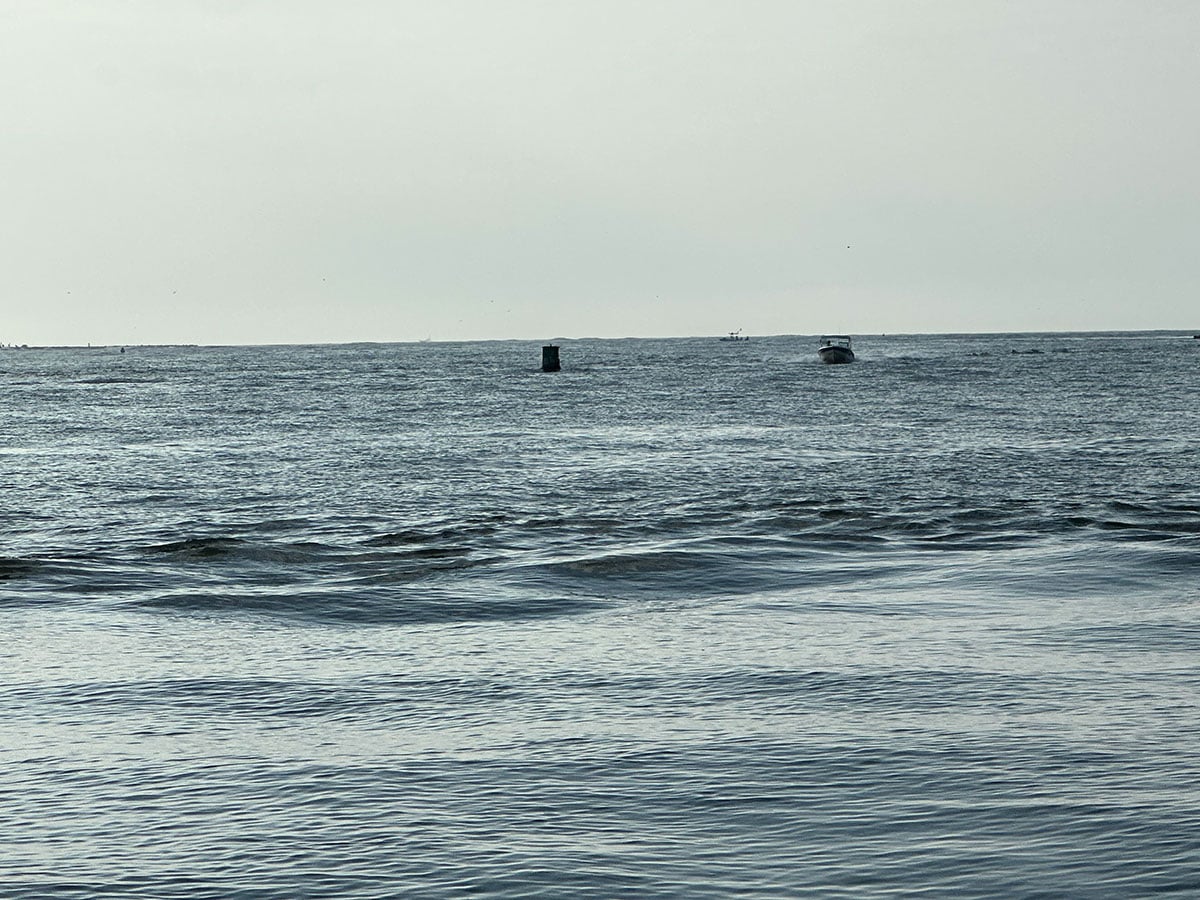
Back bays and sounds have rips all over the place. Some channels, creeks, and waterways have a single rip while others provide a series. Anglers will observe confused and boiling water on the surface that often stands up as the tide and current push over the high portion. On the backside of a rip, the water will settle down. Captains should drift over the front and continue to fish then backside of any rips they locate. They should make certain to hit each area of the rip in order to present bait to any staging keepers. Every back bay I have ever fished contains rips within their confines. Some waterways have more than others, but they all have them. Singular rips require drifting a short stretch and then motoring back up to redo a similar drift. While those places with a long series of rips allow an angler to float for quite some time before reeling up and starting over.
Places like the Long Island Sound, Delaware Bay and Raritan Bay all have rips forming inside the bay, at the entry and just offshore. Tide, current and years of flowing water have put together the unique underwater topography. Some spots hold huge fluke while other spots draw less size and more abundance of summer flounder. Skippers should look for turbulent water on the surface and drop baits. A word of caution, if the waters are too rough on the rip, they should wait for days with less swell. Ocean or big water rips can be hazardous compared to the softness of estuary rips.
Ocean rips occur off places like Nantucket, Martha’s Vineyard, Montauk, Block Island and waters offshore of Cape May. The rips are forage-rich and draw congregations of fluke better than most of the nearby hard structure. Anglers are best to learn every stretch of the rips because huge fluke reside within this environment. Sometimes the fluke lay in one section of the rip so a captain must locate where they are ganged up and then fish the area hard.
When the current is slow, a top and bottom rig with a jig and teaser works extremely well. Gulp, “meat” and live bait all work. When the current is ripping and the boat drifts in excess of 1.5 mph, captains should consider a traditional three-way swivel rig with 36-inches of leader leading to a bait. Beads, skirts, Colorado blades and all the dressing can be employed before a long length of meat, whole squid or Berkley Gulp grub. This presentation can really ignite a bite when the drift is cooking over a give rip. No matter where you fish for fluke, I’m sure there are some rips that have fluke. If you haven’t already, give them a go this season.