How to maximize the life of your synthetic baits for fluke.
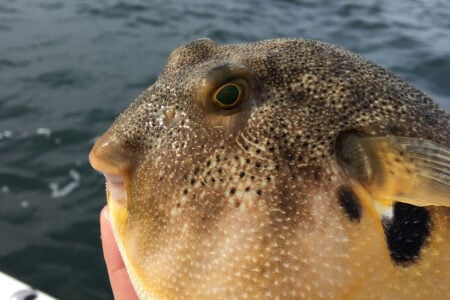
Anyone that fluke fishes with synthetic or plastic baits knows all too well how quickly one can run through their supply. Of course, if the bite is slow, the reserves hold up, but what about when every creature on the bottom is attacking and mutilating baits in rapid fashion? Fluke fishing from a vessel often includes bycatch such as sea bass, sea robins, croakers, dogfish, skates, bluefish and crabs. They can wreak havoc. There are ways, however, to get the most bang for your buck and extend the longevity of your supply.
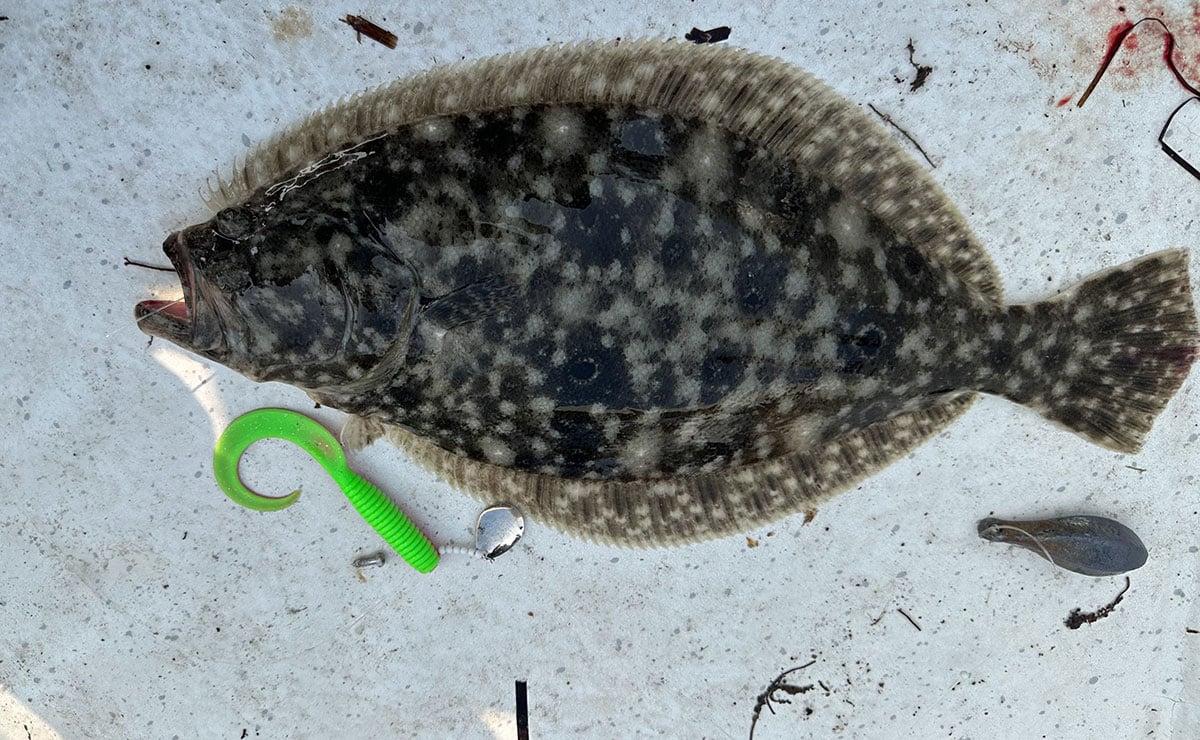
The first thing any fishermen needs to do in order to get multiple uses out of a single bait is to immediately immobilize any landed fish. Summer flounder are known for thrashing their head wildly and bouncing all over the deck when not secured. The force of the fish violently pulling on a jig-mounted soft bait will cause the upper portion of the bait to tear. No matter how good an angler is at preventing this, it happens. In that event, anglers can thread the hook into the opposite side of the bait in effort to find more “meat” that will hold the hook properly. Despite the hook protruding from a different side of the bait, fluke will still readily smash the offering as long as it’s streamlined and swimming straight. Sometimes I quadruple the life of a Gulp or plastic bait using this method alone.
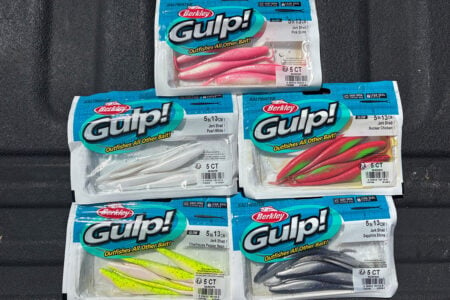
If the upper portion is entirely annihilated and cannot be salvaged by reversing the hook, then the angler can simply chop off the upper region entirely. On a 6-inch Berkley Gulp, 1 inch can be removed from the top in order to access a whole new area to insert the hook point. Not all fluke devour the entire bait in one shot, but rather, they climb the bait with a few grabs and pulls before full consumption. They’ll grasp, taste and decide if they are willing to go all the way. Therefore, it’s essential that the bait doesn’t get pulled to the curve of the shank because that is the number one way fish are lost when fishing soft baits. It’s a pretty terrible feeling when a fluke drops on the way up, and when the bait comes to the surface, the angler finds it yanked down to the bottom of the hook. This is why anglers have to assess their baits regularly so that they can reposition and re-hook as needed.
When the unwanted species are biting hot and heavy on any bait with a paddle or fluttering tail, anglers should consider switching to a bait without that kind of motion. A Gulp Jerk Bait or shrimp are two examples that come to mind. Fluke still love these choices, but every other little fish in the sea won’t pull off the tail as readily since there isn’t a narrow section before the paddle.

Hooking a bait through the lower chin and out the top like a live bait is another extremely effective way to swim a bait properly and get strikes. For instance, I’ve caught hundreds of keepers on the 4-inch Gulp Swimming Mullet by rigging it like a live minnow on a bare hook. The action remains fantastic and there’s no chance of the bait being pulled to the hook base due to the rigging style. When the bait is torn across at the top from traditional fastening, the angler should impale the hook perpendicular and across the damaged section. This will hold the top of the bait together and allow the bait to function perfectly.
There are waterways in on the coast that are simply inundated with crabs. The Shrewsbury River in New Jersey comes to mind as an example where small blue claw crabs make quick work of even the biggest minnows. To combat this, I utilize a Gulp that has had its paddle tail torn off to remain on the hook. I use a live bait above the wrecked Gulp, and amazingly, the crabs latch to the Gulp, often skipping ruination of my live minnow! So save your tail-less Gulp baits!
When Gulp or other scented synthetics are ruined beyond their useable life, it’s time to drop them in the bucket for trap use. A handful of scented baits tossed in a minnow trap with or without the standard bunker heads will bring the killies to the scene. In fact, when the bunker is devoured, the synthetics will continue to attract minnows for quite a while.