Highlighting the attributes of a rod and reel combo that will work for a number of October species.
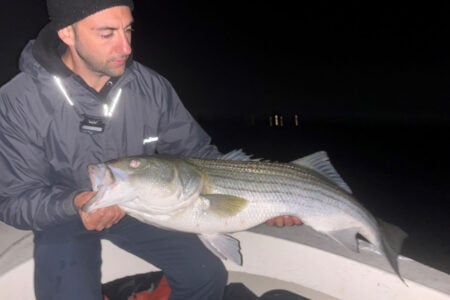
October is one of those months when you never really know what you are going to run into. You might leave the dock expecting striped bass and find false albacore tearing through bait instead. Bluefish can show up almost anywhere, and on the right day you might even end up dropping heavier jigs over deeper structure.
That variety is part of what makes October so much fun, but it can also lead to carrying more tackle than you really need. Instead of bringing a separate setup for every possible situation, I like the idea of building one versatile spinning outfit that can cover most of what the month throws at you.
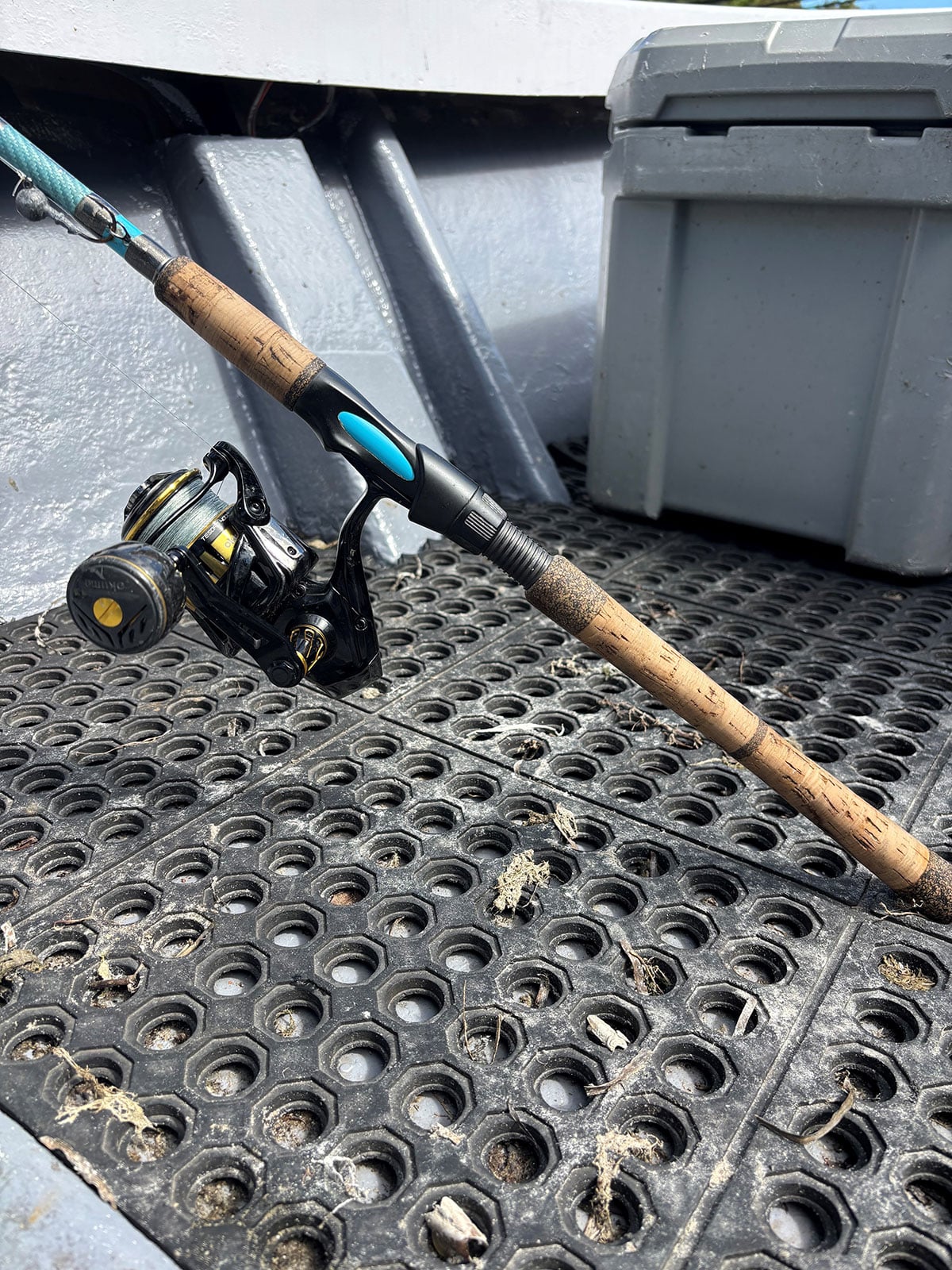
For me, that starts with a rod somewhere around 7 to 7-1/2 feet, with a medium-heavy power and a fast action. That gives enough backbone to handle decent stripers and blues, while still having enough tip to throw smaller metal jigs, soft plastics and lighter plugs when albies show up.
You do not want the rod to be too heavy. A broomstick might work fine when throwing large plugs or fishing heavy current, but it quickly becomes tiring when you are making cast after cast to fast-moving fish. October often involves a lot of casting, so balance matters just as much as power.
At the same time, a true medium setup can sometimes leave you feeling under-gunned when the current gets strong or a larger striped bass takes off alongside the boat. The goal is to find that middle ground where the outfit still feels light enough to enjoy but has enough reserve power when something bigger eats.
A 4000- to 5000-size spinning reel matches well with this kind of rod. Either size gives enough line capacity for most inshore situations while keeping the overall outfit manageable. A smooth drag is especially important because species like false albacore can make blistering runs, and October stripers can still have plenty of power.
For line, 20- to 30-pound braid covers most of what I want to do. Twenty-pound gives you a little more casting distance and a lighter feel, which can be helpful when chasing albies or throwing smaller offerings. Thirty-pound gives a little more insurance around structure, when working heavier jigs and when hooked up to bigger fish.
Leader selection is where I make most of the adjustments. Around albies and finicky striped bass, I might go lighter with fluorocarbon. When bluefish are around or I am working heavier structure, I can step up in leader strength without changing the entire outfit.
That ability to adjust at the terminal end is what makes the setup so useful. The same rod can throw a small metal jig into an albie feed in the morning, work a soft plastic for striped bass around a rip later in the day and then fish a heavier jig over deeper structure in the afternoon.
It is not going to be perfect for every single technique, and that is important to understand. A dedicated albie rod will probably cast a small metal farther. A heavier jigging rod will have more power in deep water. A specialized striper setup might handle oversized plugs better. But October is not always about being perfectly specialized. Sometimes it is about reacting quickly to whatever appears in front of you.
False albacore are probably the best example. You might be running down the beach looking for bass when a school suddenly erupts 50 yards away. If your versatile rod is already rigged and ready, you can grab it and make a cast before the fish disappear.
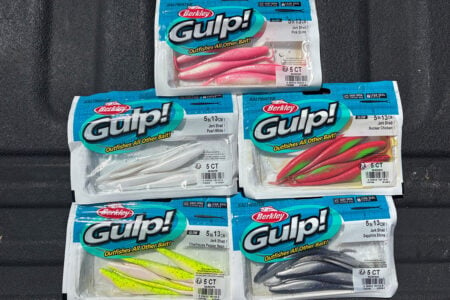
Striped bass are equally well suited to this kind of setup. Paddletails, bucktails, small topwaters, swimming plugs and metals can all be fished effectively. Around bridges, rips and points, the extra backbone of a medium-heavy rod also helps when the tide is moving.
Bluefish do not require much convincing when they are feeding aggressively, but they can test tackle. A setup with a quality reel, dependable drag and slightly heavier braid provides enough durability without requiring you to switch to a dedicated bluefish rod.
Heavier inshore jigging is where the outfit starts approaching its limit, but it can still handle quite a bit. Depending on the rod, jigs in the 1- to 3-ounce range can cover a variety of deeper-water situations. That can be enough for sea bass, deeper striped bass or even working structure where fall fish are holding below the surface.
The biggest advantage is simplicity. Instead of looking at four or five rods leaning against the console and wondering which one to grab, you have one setup that can handle the majority of the day’s fishing. That also matters on smaller boats, where rod storage and deck space are limited. Fewer rods mean less clutter, fewer tangles and less gear getting knocked around while you chase moving fish. You can certainly carry specialized outfits for every situation, and there are times when that makes sense. But for a typical October day in the Northeast, a balanced medium-heavy spinning setup can cover an impressive amount of water and techniques.
Photo Caption – The author’s go to all-around October setup has been the Okuma SRT Elite rod and Tesoro spinning reel.