September’s peanut bunker schools can ignite inshore action in a hurry. Follow the bait and match the hatch for striped bass, bluefish, and weakfish.
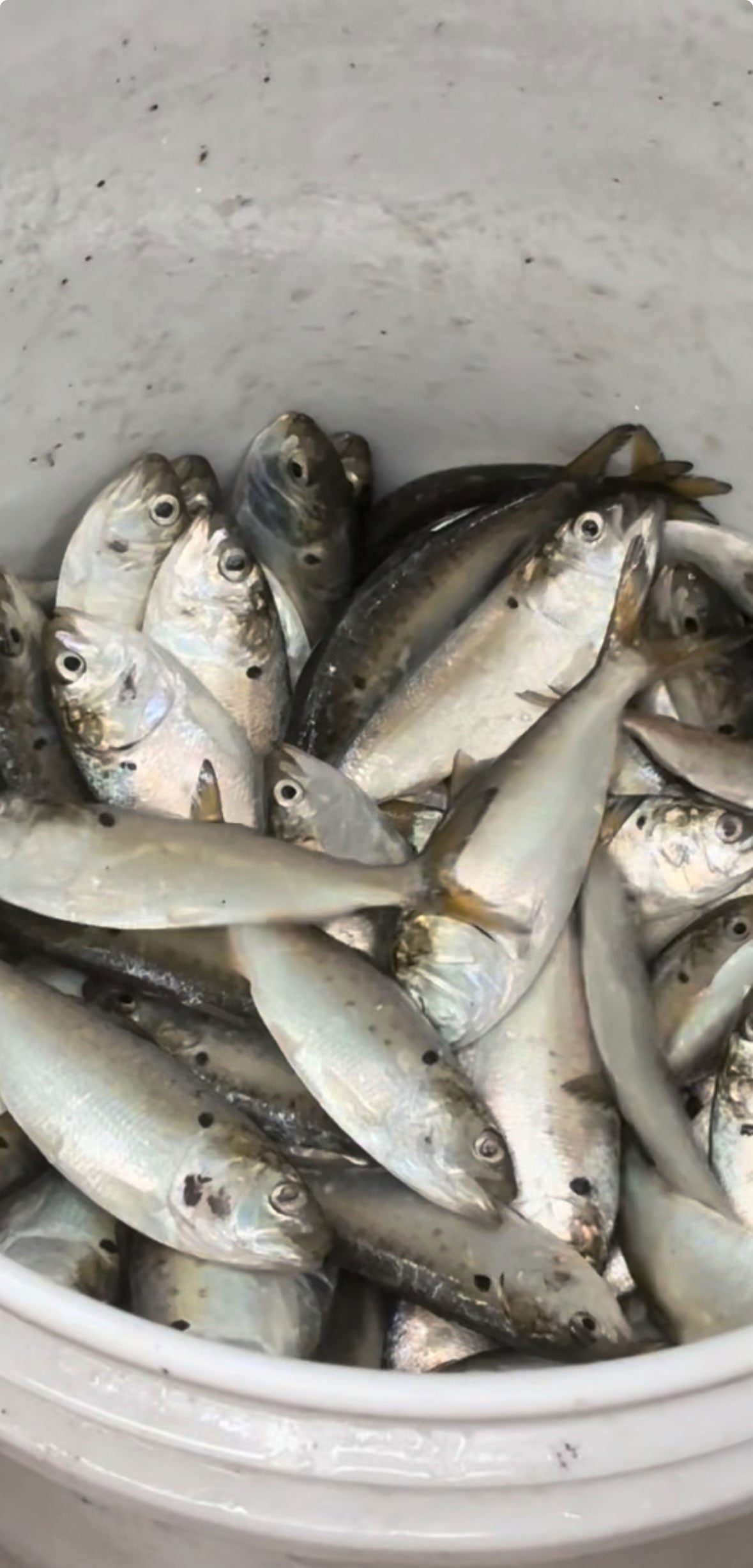
By the time September arrives, inshore waters across the Northeast are loaded with bait, and one of the most important pieces of the fall run puzzle is peanut bunker. These young-of-the-year menhaden spend much of the summer growing inside bays, creeks and harbors, but as summer gives way to fall, they begin gathering into noticeable schools. For fishermen, those schools can be the starting point for some of the best light-tackle action of the season.
Striped bass, bluefish, and weakfish can all take advantage of concentrations of peanuts. The key is figuring out where the bait is gathering, what is feeding on it and how closely your lure needs to match its size and behavior.
September peanuts can show up almost anywhere in protected inshore waters. Creek mouths, marina basins, bridges, docks, channels and the backsides of inlets are all worth checking. As the month progresses, schools often begin working toward larger bays and inlet systems. Moving water can concentrate bait into tighter groups, creating natural feeding stations for predators waiting nearby.
Finding peanuts can be as simple as looking for nervous water. A tightly-packed school dimpling the surface, periodically spraying from the water or being pushed against a shoreline usually means something is underneath it. Birds provide another clue, but don’t expect every feed to have a giant flock overhead. A few terns dipping toward the surface can be enough to reveal bait being pushed up.
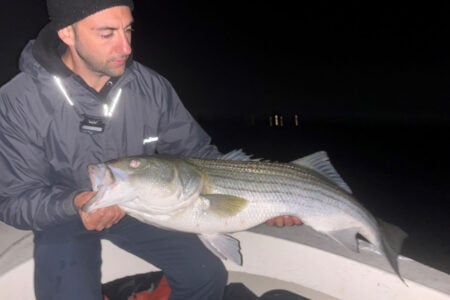
Striped bass and bluefish are two of the most obvious predators associated with peanut bunker. When either species gets a school pinned against a beach, sod bank, dock or inlet wall, the resulting feeds can be impressive. September mornings can go from seemingly lifeless to explosive in minutes when peanuts get pushed into the wrong place at the wrong time.
This is a good opportunity to scale down your presentation. Small paddletails in the 3- to 5-inch range are among the most versatile choices. Rig them on jigheads appropriate for the depth and current, and concentrate on keeping the lure in the same portion of the water column as the bait. Small swimming plugs and topwaters can also be excellent choices when peanuts are near the surface.
Don’t automatically assume a faster retrieve is better. When bass are underneath a school picking off injured bunker, allowing a paddletail or small metal to sink below the main concentration can out-produce burning a lure across the surface. Bluefish are generally less selective, but matching the size of the peanuts can still produce more consistent action.
Weakfish can be overlooked when more visible predators are crashing bait on top, but September is a good time to keep them in mind. Peanuts gathering around channels, creek mouths and deeper bay structure can attract weakfish, particularly during lower-light periods. A small paddletail or soft plastic worked closer to bottom is a dependable option. Small bucktails can also be productive around channel edges where current sweeps forage past deeper water.
One of the easiest mistakes to make during a peanut bunker feed is throwing something much larger than the forage simply because the predators are aggressive. Start by matching the profile. If the peanuts are around 3 inches long, begin with something in that neighborhood. A small paddletail, compact metal or swimming plug can imitate the general shape without requiring a perfect bunker replica.
Color can matter, but size and presentation usually deserve more attention. Natural bunker, white, silver and olive patterns are good starting points. Carry a selection that lets you cover different depths. A small topwater handles surface feeds, a paddletail covers the middle, and a compact metal or jig gets underneath the school.
September inshore fishing can change quickly, so don’t rely solely on spots that produced during summer. Look for where the bait has moved. Peanut bunker provide one of the first major hints that the Northeast’s fall transition is underway. Find the peanuts, match their profile and pay attention to where the tide is carrying them. Do that throughout September, and you’ll put yourself in position for some of the most exciting inshore fishing of the season.