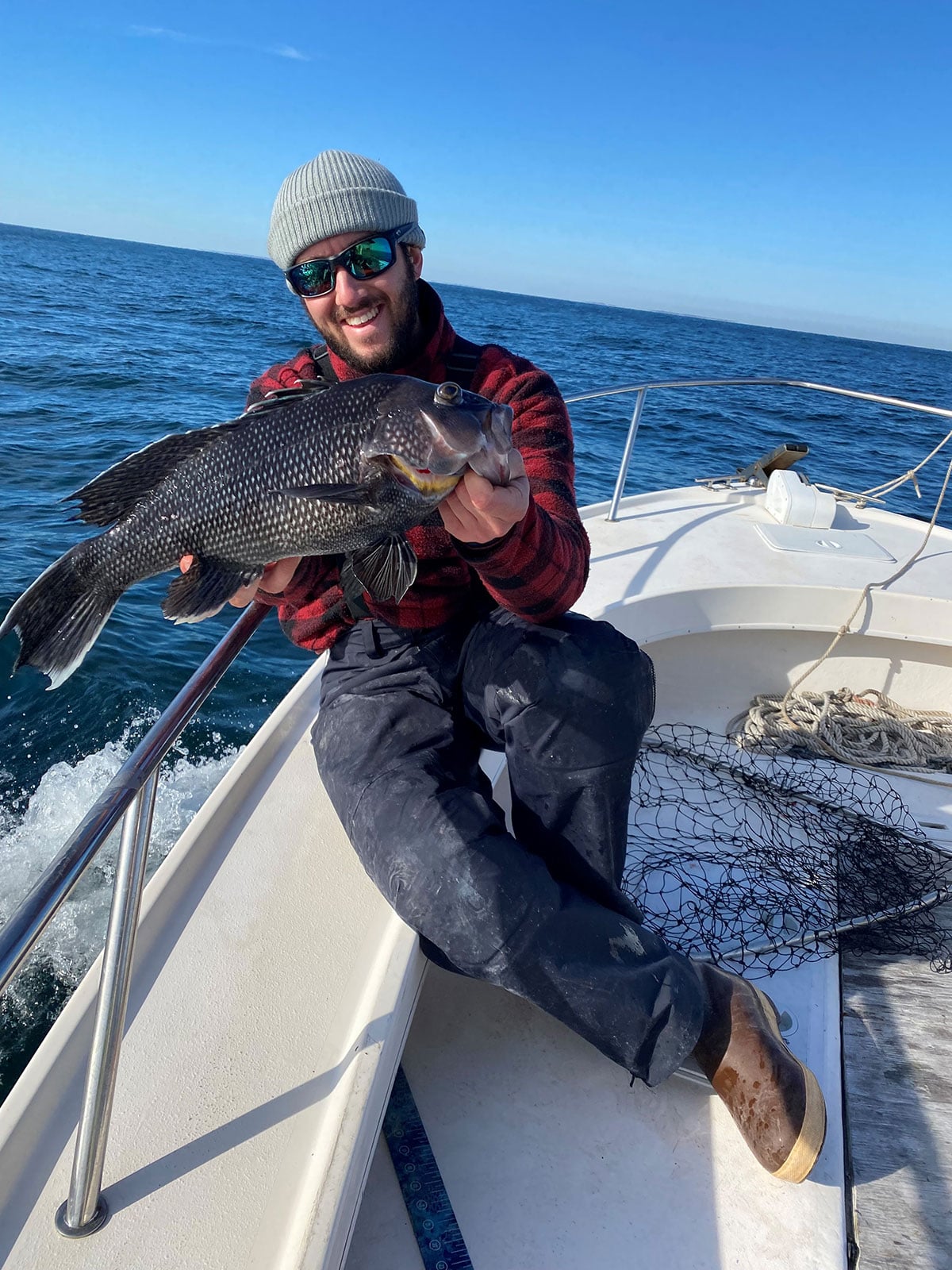
Each wreck is a new puzzle to solve.
As November takes hold, many anglers assume the inshore season is winding down to nothing more than a few scattered stripers or a stubborn tog bite on the rocks. The truth is, for those willing to venture out to inshore wrecks and rock piles, November can deliver some of the most consistent mixed-bag action of the year. Bottom fishing takes center stage, with blackfish, porgies, and sea bass crowding structure as water temperatures drop and bait funnels out of the bays. The trick is in how you approach these trips. Instead of anchoring on one piece for the day and hoping for the best, November is tailor-made for wreck hopping—moving from spot to spot until you find the structure that’s loaded up.
One reason wreck hopping pays off this time of year is the sheer number of fish congregating before moving deeper. As the calendar pushes deeper into fall, inshore waters cool quickly, driving porgies and sea bass to gather in big schools around wrecks, reefs, and any hard-bottom they can find. Blackfish, too, slide out of back bays and shallower pieces, settling into slightly deeper structure where they’ll spend the next few weeks before heading to their deep winter haunts. These shifts mean that not every piece of structure is holding equally, and anglers who spend their whole day on one spot often miss the bite by just a mile or two. By checking multiple wrecks, you greatly improve your odds of finding the one that’s lit up.
Anchoring technique is a major part of the wreck-hopping game. Dropping the hook directly on top of a wreck can spook fish or tangle rigs, while being just a little off the mark may leave you fishing barren bottom. November currents are often stronger as cold fronts push through, so being able to position the boat uptide and drop back into the strike zone is crucial. Good captains keep an eye on wind and current, adjusting anchor lines or even double-anchoring to hold a precise position. On smaller skiffs, a wreck anchor and plenty of line are essential for safety and accuracy, and carrying more than one anchor is never a bad idea in case of hang-ups. And, of course, Spot Lock will put you right on top of a piece you are looking to focus on.
When it comes to tactics, think variety. A November wreck can produce double-digit blackfish, a cooler of porgies, and some knothead sea bass all in the same trip. Serious toggers will still lean on green or white crabs, fished on Snafu rigs or jigs, but don’t overlook the potential of clams or squid strips for porgies and sea bass. Rigging a couple of rods differently allows you to cover more of the water column. Blackfish are usually tight to the wreck itself, while porgies and sea bass will fan out slightly above and around the structure. Dropping clam baits on a hi/lo rig can keep rods bending when the tog get finicky, and it’s often the porgies or sea bass that provide steady action between big blackfish bites.
Another overlooked advantage of wreck hopping in November is the quality of the catch. While summer porgy and sea bass trips often result in plenty of shorts, by late fall the average size climbs. Large porgies in the 2-pound class and sea bass pushing 4 pounds are common, and blackfish into double digits are always a possibility. With fewer anglers on the water, the pressure is lower and fish are less wary, making for better action on each stop.
Electronics play a huge role in finding the right pieces. Many inshore wrecks are charted, but not all hold fish every season. Good anglers mark several waypoints and cycle through them until they find the life they’re looking for. Side scan and down scan sonar have become invaluable for reading structure and fish placement. Seeing a wreck that looks “lit up” on the screen is often the green light to drop anchor and start fishing, but even then, the bite can be tide-specific. Don’t be afraid to give a wreck a short try, pull the anchor, and check back later during a different stage of the tide.
The beauty of wreck hopping in November is also in its rhythm. Rather than grinding out one spot all day, you build a trip piece by piece, filling a cooler with porgies, adding a couple of knothead sea bass, and hopefully icing a few trophy blackfish along the way. Each wreck is a new puzzle to solve, and by the end of the trip you’ve covered multiple areas, learned something about the bite, and almost always found better action than if you stayed put.