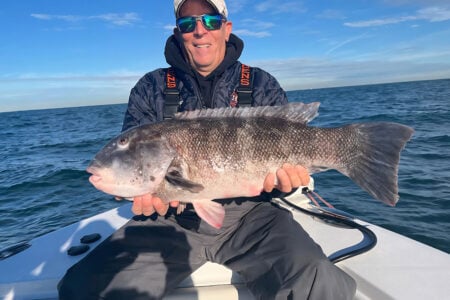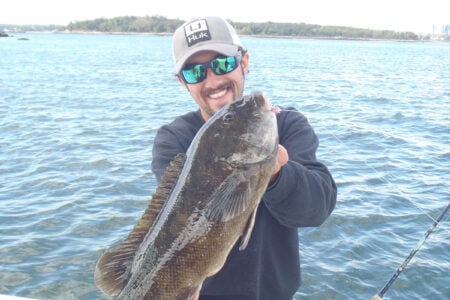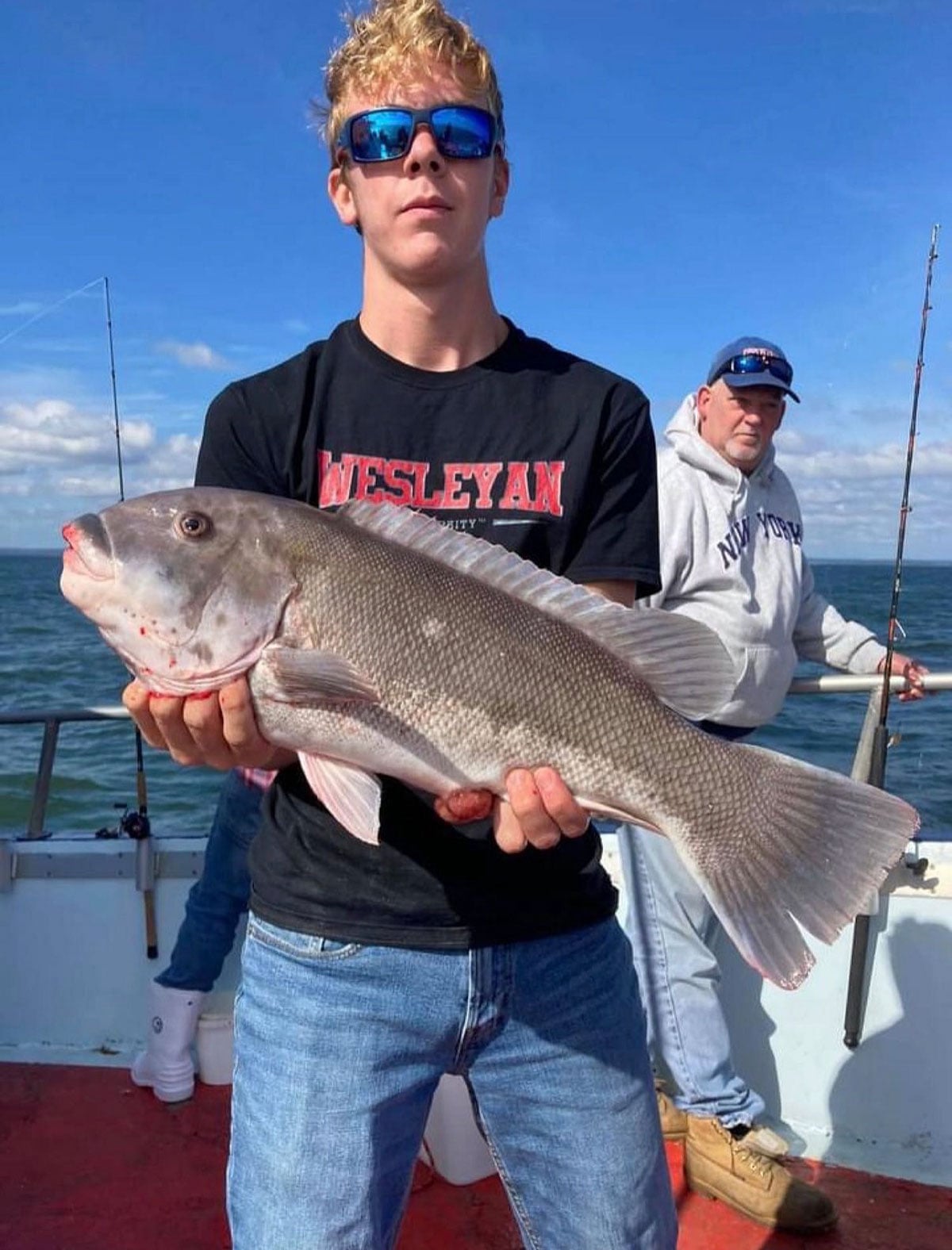
From crab selection to rig adjustments, a few key tactics can help put more blackfish over the rail on your next party boat trip.
As November arrives, blackfish season is hitting its stride around Long Island. With water temperatures dropping and tautog settling onto wrecks, rock piles and other hard structure, party boats are making the most of one of the fall’s most anticipated bottom fisheries. While plenty of anglers remain focused on the late-season striped bass run, others are turning their attention to the hard-fighting blackfish that inhabit our nearshore waters. Highly coveted for their delicious white fillets, which are no doubt so tasty because of the tautog’s crustacean-based diet, these bottom dwellers draw anglers eager to pay their fare for a full day of blackfishing.
Having fished and worked on party boats for the past eight years, I’ve come to understand the appeal of blackfish and believe they are among the hardest fish to figure out. I’ve watched regulars who catch plenty of fluke aboard these vessels strike out when targeting tautog. These fish are by no means an easy catch on a party boat, let alone any boat, as competition from fellow anglers and the constant threat of snags add to the challenge. But before you give up on tautog to chase schooling bass after losing your tenth sinker, consider some of these tips from someone who both mans the deck and swings his own fish over the rail. I can guarantee they’ll help you put more blackfish in the boat.
Feeling Crabby?
Unlike fluke or sea bass, which are often quick to eat a piece of Gulp without a tail, sometimes that fresh green crab you consider premium bait won’t even entice a glance from a passing tautog. On some days, the deciding factor between getting hits and going untouched comes down to the type of crab you’re fishing. On others, how you present that crab can have an equally significant impact on your catch rate.
What I mean is that some days, fish can be so particular that two anglers fishing halved green crabs will have completely different results simply because one removed the top shell while the other left it intact. Blackfish will also show preferences for crab size, with a small crab fished on a single hook sometimes outproducing a larger offering, or vice versa.
Why tautog can become so darn picky when presented with a fresh piece of bait is beyond me. However, having observed these small details make a difference over the years, I’ve come to believe that experimenting with crab presentation is well worth the effort, and you should, too.
Rod-Wrangling Wrasse
One of the biggest challenges of blackfishing isn’t just setting the hook but getting a fish out of the structure and into the boat. I’ve watched plenty of anglers break off big tog or give up on fish that wedged themselves into a wreck after winning a life-or-death game of tug-of-war. There’s a misconception in blackfishing that you need a rod with tremendous backbone, which has led many older fishermen to use rods as thick as broomsticks.
Don’t fall into that trap. You certainly want a sturdy rod, but make sure it’s one with a responsive, fast-action tip. Without the proper tip action and sensitivity, you’re likely to miss many of the subtle bites that occur when tautog begin pecking away at your bait.
Once you hook a fish, and let’s say it’s taking some drag, don’t panic if your rod is doubled over. Many anglers assume their reel is the only source of pressure they’re applying and forget that the rod itself provides leverage during the fight. By maintaining a firm, controlled rod angle, you can use the rod’s bend to apply additional pressure and tire the fish more efficiently. Just be careful not to high-stick the rod, as raising it beyond a safe angle can cause it to break. Used properly, the rod can help you turn a stubborn tog before it buries itself back into the structure.
Covet Thy Neighbor’s Goods
An odd thing can happen on party boats that people either fail to notice or simply don’t like talking about: other anglers catching fish while you’re left watching. In the eyes of some fishermen, this might appear to be a matter of skill, which in certain situations it certainly is. However, even with hook-hungry fish like sea bass and porgies, there are times when one side of the boat will consistently outfish the other for no apparent reason beyond its position over the bottom.
Multiple times each season, I’ve worked the deck of the Captain Lou and witnessed this exact phenomenon. Full buckets on one side of the boat and just a smattering of fish on the other. Believe me when I say that the determining factor isn’t always the fishermen. It’s where the fish are.
This occurrence can become even more extreme with blackfish, which generally aren’t as concentrated as sea bass or porgies and often prefer very specific sections of bottom structure rather than spreading across an entire piece. This behavior helps explain why just a couple of anglers might catch their limit of tautog while others standing only a few feet away have none. When this happens, I urge you to either get friendly with your fishing neighbors or start exploring different areas of the bottom with your casts, provided you can do so without interfering with others.
There’s nothing wrong with being a jealous fisherman as long as you use that feeling to learn something. Ask your neighbor, if they’re willing to share, what they’re feeling with their sinker when it reaches bottom. With today’s braided lines, anglers can detect holes and divots in structure and even distinguish between muddy and rocky bottom. Your new friend might tell you he’s found a hole holding tog or that the fish are positioned along the outside edge of a piece, where his sinker is resting in the mud just beyond the rocks.
These little bits of information can help you understand what’s working. From there, you can try to locate your own productive pocket or test your luck by finding a similar piece of bottom. Complacency in fishing, especially blackfishing, rarely leads to success. More often than not, a little prodding and poking around is what will put a few tautog in the cooler for dinner.
Sinker Shortcomings
As with just about everything in fishing, what works can change from day to day and even throughout a single trip. Blackfish are particularly finicky, so understanding the presentations they’re willing to accept is essential to putting together a catch, even when you know where they’re holding. At the most basic level, this might mean deciding whether to fish a blackfish jig or a traditional rig. However, if you’re serious about figuring these fish out, there are plenty of additional details to consider.
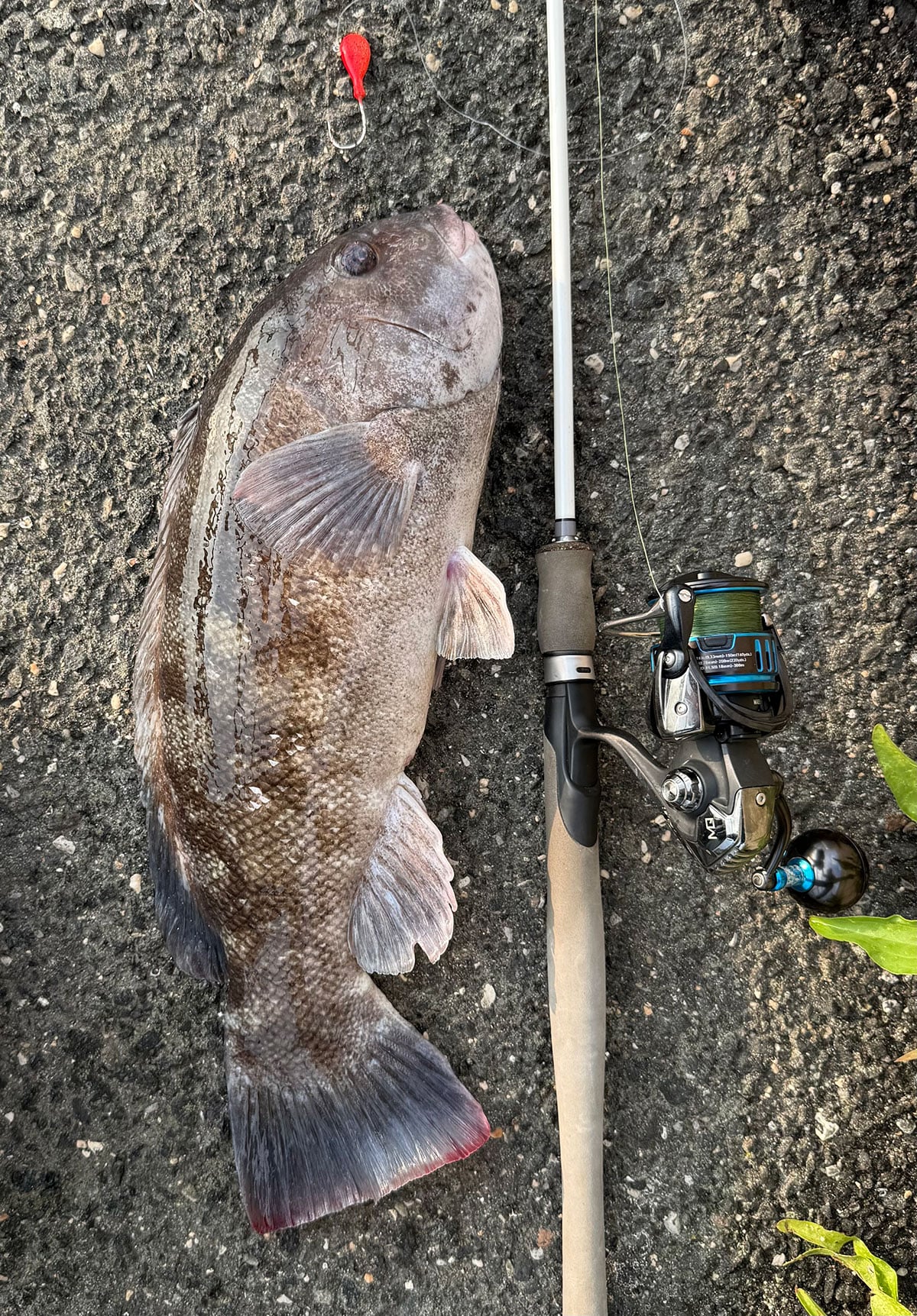
Jigs are, in my opinion, both the simplest and most efficient way to catch tautog. Very seldom will a tautog shy away from a crab presented on a jig, and using one eliminates many of the considerations involved in tying a traditional rig. The hardest part of jig fishing is detecting bites, as fish will often pick up the jig and swim away with it. This can feel like extra weight at the end of your line or appear as sudden slack when a fish swims toward you. The latter can be more difficult to detect, but once you recognize it, all you need to do is reel up the slack and set the hook.
Unfortunately, despite their efficiency, jigs can be difficult to fish properly aboard party boats. Light jigs weighing 2 ounces or less often create excessive line scope in the deeper water these boats frequent, increasing the likelihood of tangling neighboring anglers. That means opportunities to jig won’t always present themselves on every trip. However, when conditions allow you to jig effectively, take advantage of them.
Due to these limitations, most of your fishing will likely be done with a sinker and traditional rig. Contrary to what some might believe, while jig fishing is the newer technique, learning to tie an effective tog rig for different situations can actually be more daunting. With jig fishing, the primary considerations are water depth and current speed, which determine how much weight you’ll need to reach bottom. When fishing a traditional rig, you must account for those factors along with the type of structure, how aggressively the fish are feeding and the size of the ocean swells moving the boat.
Learning to adjust your rig for these conditions takes experience, but thinking about how you’d approach different situations, even when you’re not on the water, can make you a better fisherman. Let’s consider a couple of examples.
Suppose you’re fishing a relatively snag-free piece of bottom, and the current and swell conditions are favorable. Your sinker isn’t scoping away or constantly bouncing off the bottom. In this situation, a 6-inch dropper loop with a single or double hook will likely suffice. The bait won’t be disturbed enough to appear unnatural, and the shorter loop allows you to detect bites more easily.
Now consider the opposite scenario. You’re fishing on a rough day with stronger current and snaggy bottom. The rig just described would likely be ineffective because the hook is positioned too close to a sinker that’s constantly moving and bouncing against the rocks. This unnatural movement can easily spook fish that might otherwise be willing to feed. To catch blackfish under these conditions, you’ll need to make a few adjustments.
First, lengthen the dropper loop substantially. The farther your crab sits from a bouncing sinker, the more likely it is to attract a bite. You also won’t have to worry as much about detecting strikes with the longer leader because the stronger current should keep tension on the bait. Next, increase your sinker weight considerably and fish only a single hook. Extra hardware creates additional drag in the water, which can increase line scope and make maintaining bottom contact more difficult.
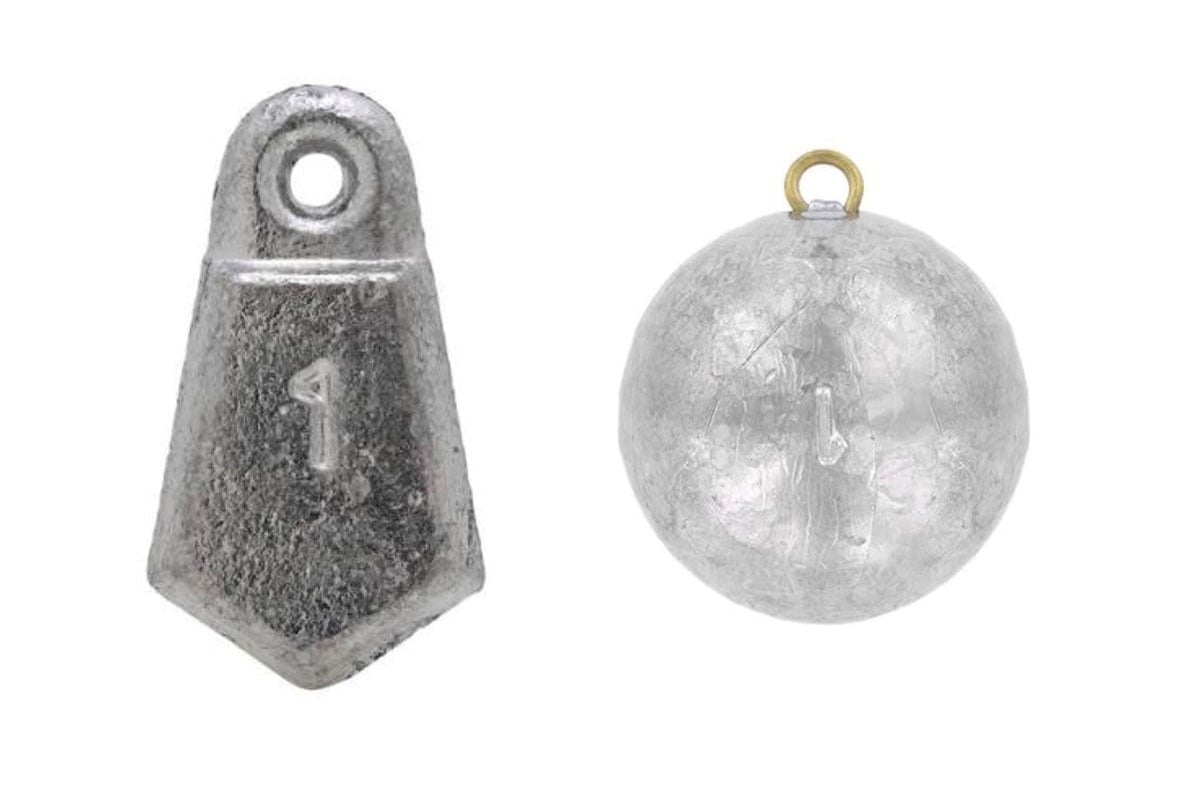
If you’re still getting snagged after making these adjustments, consider switching from a traditional bank sinker to a cannonball or flat bank sinker. Both can be less prone to snagging in certain types of structure and may help reduce the number of rigs you lose throughout the day.
Finally, pay close attention to the boat’s movement in the ocean swells. You’ll need to match that motion by raising and lowering your rod tip to prevent the sinker from repeatedly bouncing off the bottom and spooking fish. Keep an eye on neighboring anglers as well. If their sinkers are constantly bouncing, that disturbance could affect the fish holding near your bait.
Ideally, implementing these adjustments will allow your rig to present the crab more naturally and lead to additional bites. Obviously, the rough conditions described in this example aren’t ideal, but the cold waters that tautog inhabit during the late fall and winter can be unforgiving. Not every day will offer calm seas and easy fishing. By preparing yourself and your tackle for the conditions you encounter, you’ll greatly improve your chances of success on your next party boat blackfish outing.