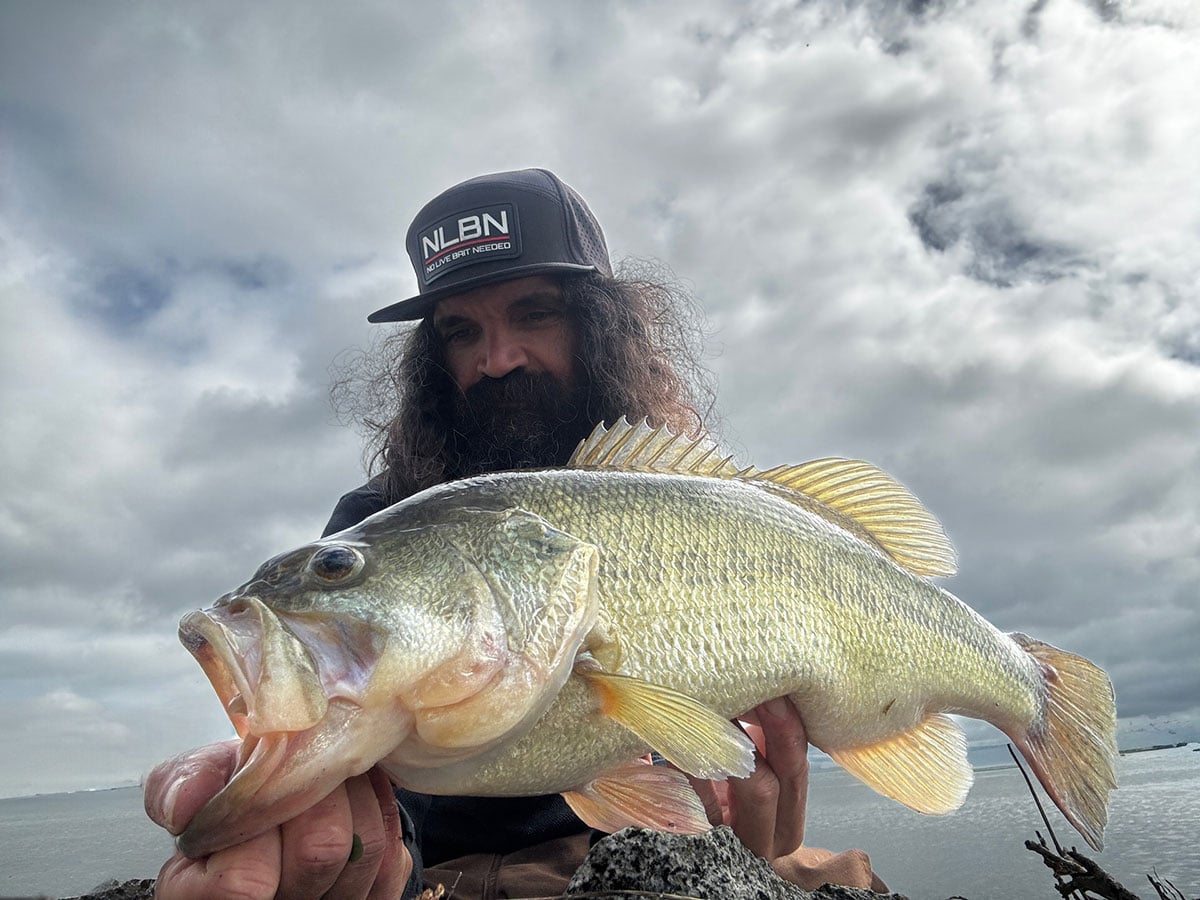
November bass are bulking up, making it a prime month to hook a giant!
November is the absolute best month of the year for big largemouth bass. Plain and simple, it’s the month for monsters.
Here in the Northeast, late-autumn represents our last reliable open-water window that comes with that distinct opportunity to stick a giant. We never truly know what kind of winter we are in for—some years feel like a full-blown ice age, while others stay mild—making November sort of a breaking point where hardcore open water bass hunters need to make things happen before the hard water sets in.
Get Mental
Catching late-season giants isn’t as simple as just casting away; it is a mental game, a strategic game of chess, cadence, and unwavering confidence. Let’s face it, big bass don’t get big by being stupid. They’ve been around the block and seen every trick in the book. They live in these waters 24/7, 365 days a year. Chances are, those shiny new spinnerbaits and crankbaits you picked up at the tackle shop have passed right over their heads or nudged right up to their noses, only for a true giant to stare at it without moving an inch… and you never even knew. It’s remarkable how well they can distinguish real prey from artificial lures, even with all the modern technology and innovations entering the fishing industry each year.
Big largemouth are hyper-aware of their surroundings at all times. They possess six senses and utilize every single one of them, especially in the cold, murky waters I frequently target.
To outsmart them, I spend a lot of time putting myself in their shoes. Imagine sitting in a pitch-black room (a pond or lake) strapped to a chair (a rock pile or stump). As things move around you in the dark, you have to rely entirely on your senses to identify what’s out there without making yourself vulnerable or wasting precious energy. You constantly have to weigh one fundamental question: Is it danger, or is it food? Smaller bass often react on pure instinct—they eat first and ask questions later. But these old and wily giant bass live by the rule of experience: you live and you learn. A big bass won’t jump out of its seat for just anything; it only moves when it decides the reward is worth the risk.
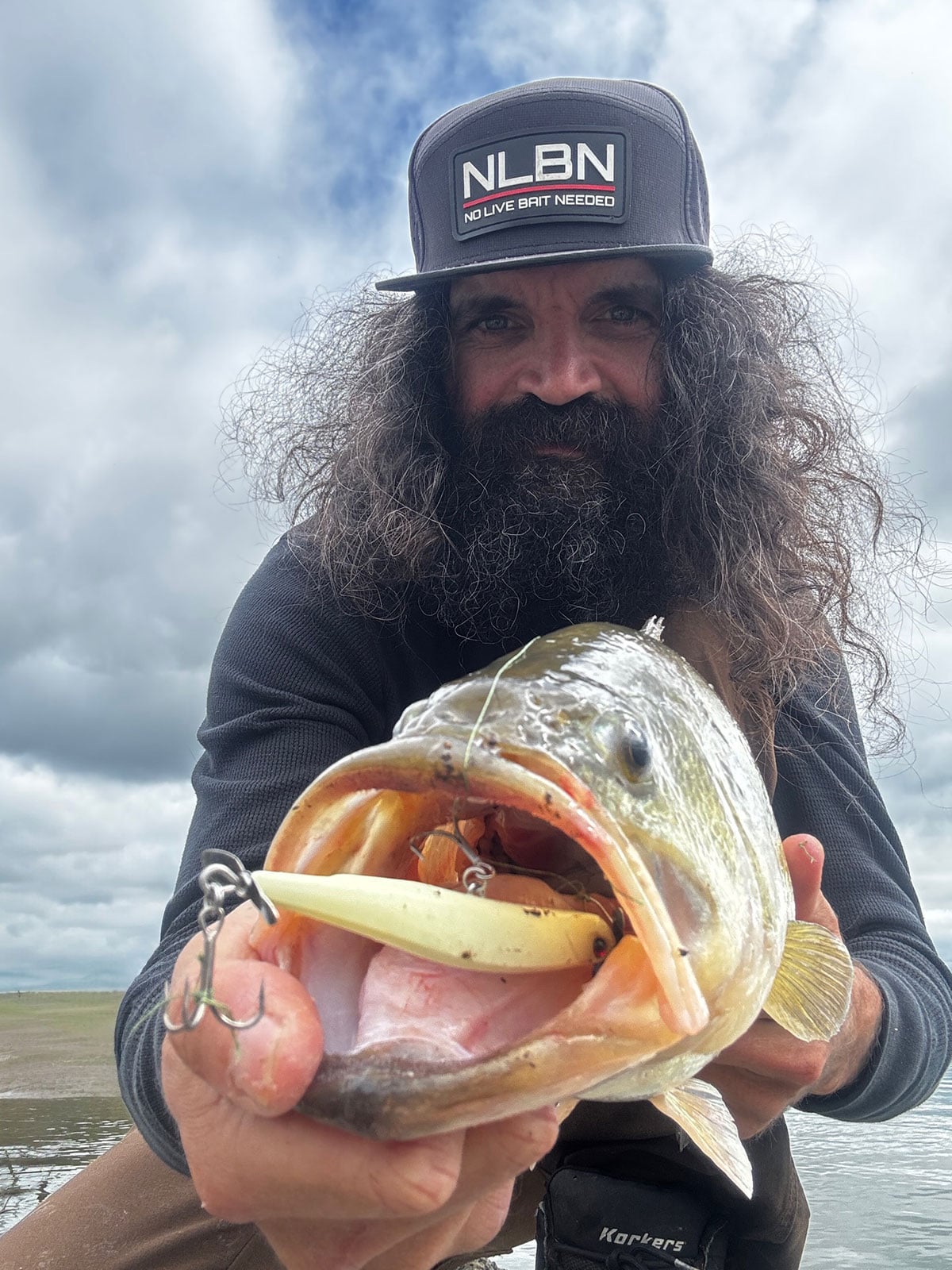
Opportunity Knocks
In the fall, these fish feel especially vulnerable when they push up to feed and pack those critical winter calories. They have to eat—whether that’s once a week or three times a week—because if they don’t, they simply won’t survive the cold months ahead. This necessity pushes your window of opportunity wide open.
When giants leave their comfortable holding zones, they become hyper-focused on inspecting potential prey. They are driven to determine two things: Is it safe, and is it worth the calories? This is your time to shine. As their hunger begins to outweigh their caution, they become prone to making a mistake.
I’ve spent countless hours in the dead of winter studying the science behind the largemouth bass brain and studying fish behavior. I’ll watch footage on repeat, taking detailed notes on subtle triggers, and then apply those insights to my lure presentations when November rolls around. Call me a nerd, but I’m completely obsessed with largemouth bass—and I wouldn’t have it any other way. Trust the process, slow down your cadence, and get ready for November monsters.
The Road Less Traveled
There are short, strict, and direct paths these fish take into consideration when they move. Bass tend to move in small increments—if they don’t have to go far for a meal, they won’t. They actually prefer not to, because they will burn more calories and waste the precious energy they need to get into their wintering ways, so they are definitely in the market for an efficient meal.
The number one thing I’ve learned about largemouth bass over years is that under the right conditions they simply will not turn down an opportunity to fill the food bank. And if they are finding consistent feed, they will stay there until they are absolutely satisfied and ready to go into winter mode.
So, where do I find these spots, and how do I get myself into productive November largemouth water? Well, here is the deal: you want to eliminate dead water. What do I mean by that? Find areas where there is life! Look for green vegetation, look for small baitfish and crawfish. Do more “target fishing” by picking select areas of water to cover, instead of moving around as much as you might in the spring and summer.
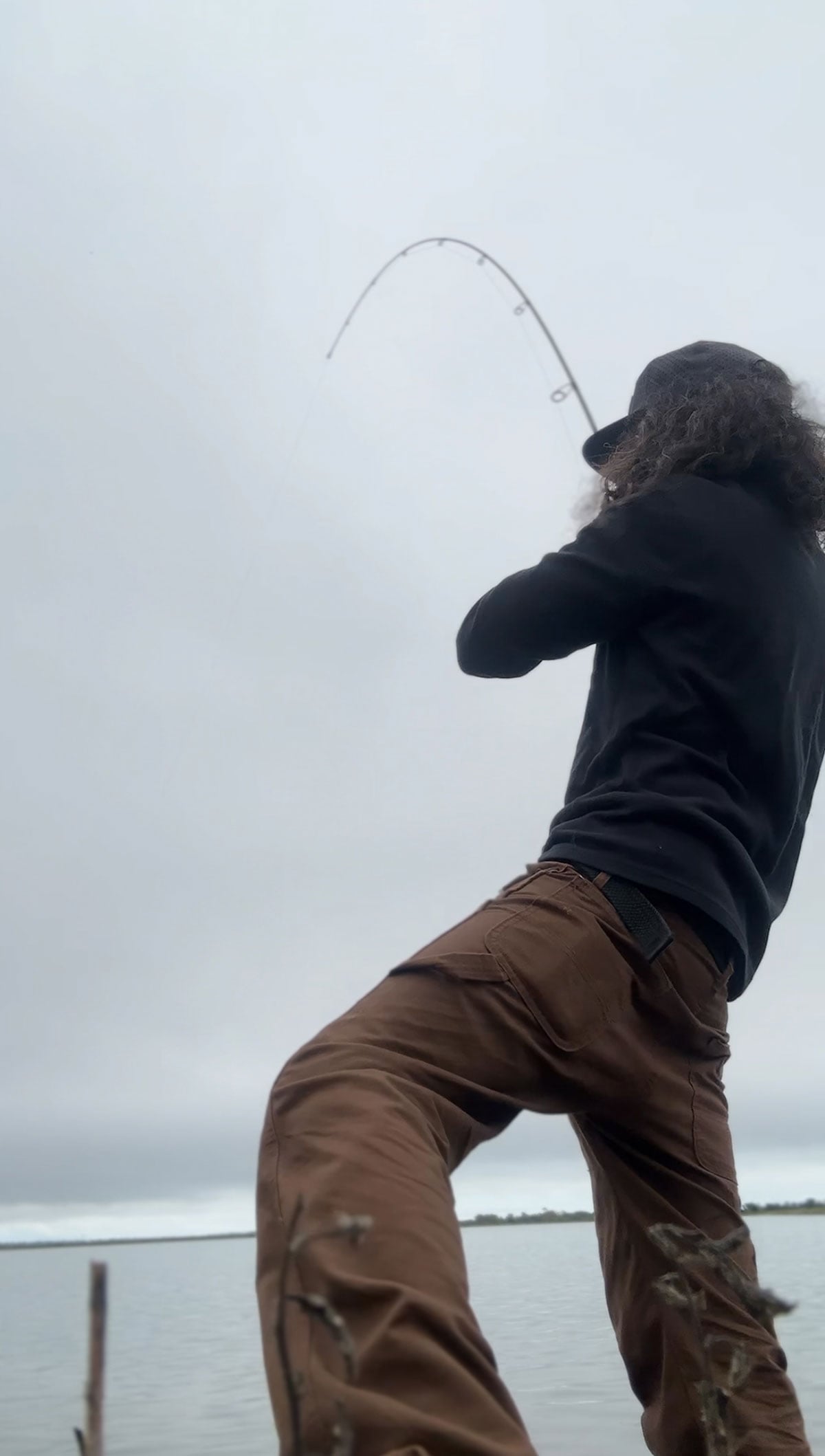
Target Fishing?
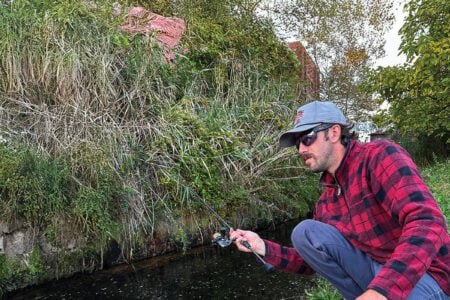
Target fishing means pulling up your body of water on a topo map or satellite image app and circling the places where you think the bass might be. Look for structure—a point, a basin, an inlet, a cove, a laydown, a drop-off, a rock pile, an old foundation or stone walls. Rocks and walls hold a lot of heat from the sun, and bass love to hold in those places where the sun’s rays will warm them up so they can eat some more. That cold water can make them a little lazy, but with the right sun, they will crush your baits.
Now, the places I like to look and the roads that bass take are typically sandwiched between deeper water and shallow water. Believe it or not, most of the time they stay right there from fall to early winter. The reality is that all bass don’t move all at the same time; it happens in waves. It takes time because they need to acclimate during their transitioning period. Some bass will go early, while others start later. I find the big bass love to eat later in the year. It seems like they wait until the kids are out of the house to have the kitchen to themselves, so to speak.
Game Planning
| LOCATING LATE-SEASON GIANTS |
| Locating November bass can be tricky because the fish become hyper-selective and sensitive to subtle weather shifts, location, and forage. Here are the four key areas to target:
Green Grass: Always look for bright, lime-green grass rather than dead, decaying vegetation. Live grass holds life and generates precious oxygen. A spinnerbait is deadly fished around grass edges, and pairing it with a chatterbait creates my favorite one-two punch. Rock Structure: Craws and small baitfish love rocks, and big bass are right behind them. With shorter, cooler autumn days, rock structures absorb and hold solar heat, serving as both a warm shelter and a primary dinner table for giants. A football head jig with a craw trailer perfectly mimics dying bluegill and crayfish, while a bladed jig acts like an absolute wrecking ball off the rocks. Shallow Basins: Fishing shallow basins in late fall can produce epic action. When bass push up from deep water into these shallows, they come up aggressive and ready to smash. You can even draw explosive reaction strikes in November snow with big glide baits, a War Eagle buzzbait, or a Berkley Chop Block burned across the surface. Riprap: Bass love cruising the edges of chunk rock for an easy snack, picking off forage before slinking right back into the safety of deep crevices. When working riprap, I run flat-sided crankbaits like the Strike King KVD 2.0 Squarebill to deflect off the rocks and trigger strikes, or work a Rapala Shad Rap jerkbait—just match your lure running depth to how deep the fish are sitting. |
Every bass has its own personality, its own lifestyle, and its own feeding routine. So, rather than just going out “chucking and winding” into dead, lifeless water in the cold November wind, look for points. If there are points that stick out like a sore thumb, stick to them like glue and fish them as thoroughly as possible. A point is a major pit stop on the way in during the spring, and on the way out in the late fall (November). Quite often, those fish will set up just off the left or right side of the point, or right where it begins to drop off, so be sure to bring some shallow-water gear and some deeper-water gear. Those fish will slide back down into deeper water if the weather takes a turn for the worse—and believe me, here in New England and the Northeast, it most certainly will!
Take a few days and come up with a game plan for what you’re going to fish and how you’re going to fish it. The approach is a huge part of your success. Look at the weather, see how it sets up, and look for your opportunities. It’s not like the warmer months where opportunities are wide open all day, every day—it’s selective, and it’s precise.
Don’t be afraid to skunk! Yes, I said it. Look, it’s cold, it’s November, and things are very slow on the largemouth side of things. This time of year, you are hunting “The One” and targeting the biggest, baddest bass in your body of water. It takes time, patience, effort, and mental strength to get it done.
Last but not least are basins or coves. These tend to hold big fish as well because a lot of sun hits these shallow waters, and the baitfish come off the points and into the sun right along with the bass. There might be some chunk rock, the remains of green living grass, or a tree limb they like to hang around. Look for those things that stick out and bring the big, bad bass out of their deeper haunts and into the shallow waters—this is where your topwater baits come in handy!
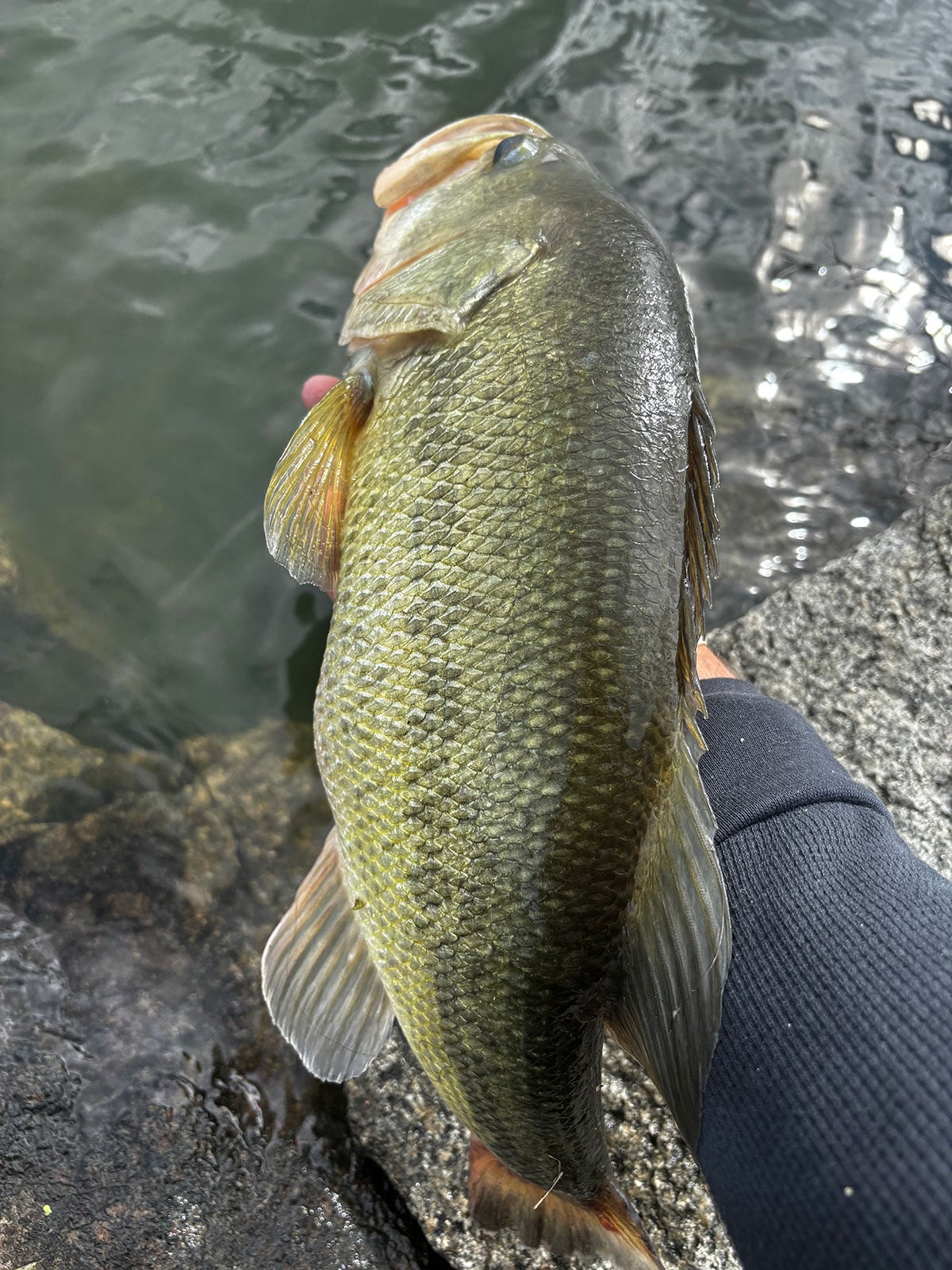
Bass Logic
You have to open your mind to understand that these fish don’t really have to eat all day, every day. They pick and choose, and yes, they will absolutely eat, but when they feel the opportunity is right, so keep casting! I wouldn’t want to run a mile for a cheeseburger, and that’s the way you have to think—because that’s what the bass are thinking.
These paths never change; bass are creatures of habit. Most of the time, they will be in those exact spots year after year. It’s a timing thing—these fish have an internal clock in their brains that lets them know when it’s time to start making those moves, and for good reason.
In November, all bets are off. Setting yourself up for success requires four things: time, effort, patience, and an obsessive attention to detail. Bring those to the water this fall, and you’ll put yourself in the driver’s seat to land the biggest largemouth of your life.