Why your braid’s shade might be costing you fish.
We’ve all heard it on the dock or in the tackle shop: “Fish can’t see braid.” And sure, when you’re ripping a diamond jig through a school of tuna or yo-yoing bucktails in pea soup water, it might not matter much. But if you think braid color doesn’t influence your success, you haven’t spent enough time staring at a spool of hi-vis yellow wondering why that fluke just snubbed your rig for the third drift in a row.
In truth, braid color matters – maybe not to the fish every time, but certainly to your presentation, your visibility, and your ability to react. And in the diverse fisheries of the Northeast, from Long Island’s back-bay shallows, to 180-foot drops off Block Island, knowing when to choose bright, subtle, or meter-marked braid can help you hook up more often, stay organized on deck, and fish smarter from the surf, skiff or kayak.
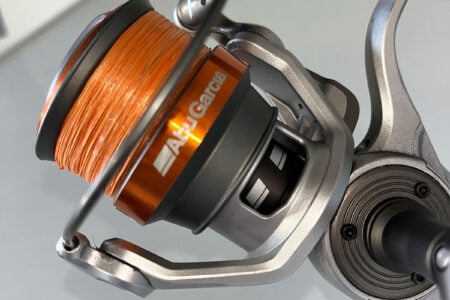
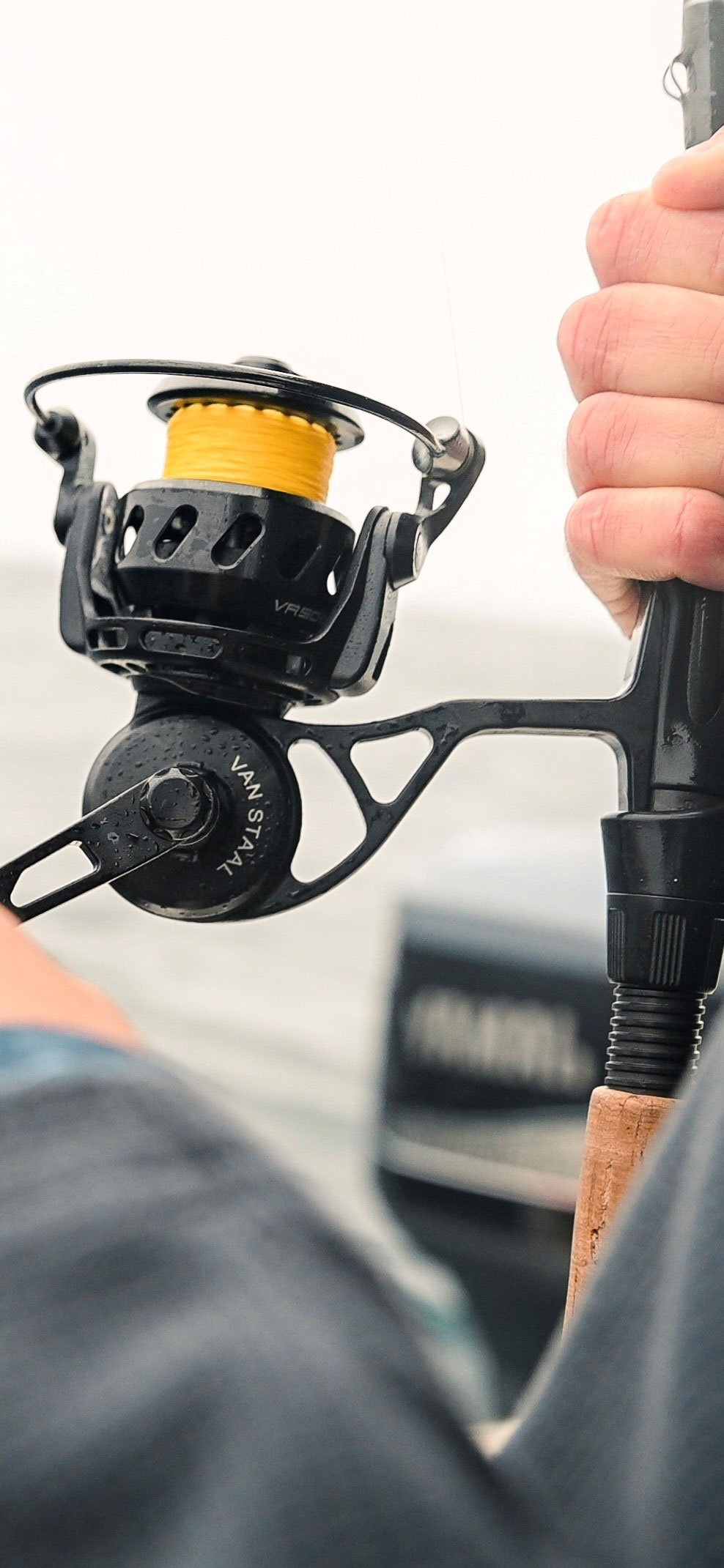
High-visibility braid – typically in neon yellow, lime green, or blaze orange – is best suited for scenarios where you need to track the line. If you’re togging on a party boat, keeping tabs on your drift from a kayak, or snap-jigging inlets for stripers, you want to see your line angle instantly. That visual feedback tells you everything about bottom contour, wind push, current direction, and bite detection.
Brands like PowerPro SuperSlick V2 Hi-Vis Yellow, Sufix 832 Neon Lime, and TUF-Line XP Indicator offer reliable casting distance and visibility, but here’s the catch: you must pair these lines with a solid leader. Think 4 to 6 feet of fluorocarbon – something like Seaguar Gold Label, Yo-Zuri Top Knot, or Berkley Vanish. The idea is to keep the visible stuff above the fish’s field of vision while benefiting from bright feedback on top.
And don’t underestimate this on solo kayak trips: hi-vis braid lets you instantly spot wind drag, bow angle, and slack – crucial for staying vertical when bouncing jigs off hard structure.
When it comes to stealth, nothing beats moss green or deep blue braid in clear or lightly stained water. Whether you’re working sand eel imitations in a glassy back bay or launching plugs at twilight along the South Shore surf, low-vis line helps avoid spooking sensitive fish like early-season weakfish, shallow-water stripers, or staging fluke in less-than-ideal conditions.
Try spooling up with Daiwa J-Braid x8 in Dark Green, Berkley X9 Crystal, or Yo-Zuri SuperBraid Blue. These lines blend in well with submerged eelgrass, tidal flats, or nearshore wrecks. In skinny water or sight-fishing situations, where every foot of line above your rig could be seen by fish, the darker tone helps maintain a natural presentation. It’s not invisibility – but it’s as close as braid gets.
A bonus with darker braids? They typically don’t show dirt or fade as quickly, making your setup look sharper longer, even after multiple trips.
If you fish deep wrecks, vertical jig for sea bass, or drop baits to tilefish territory, metered braid is a no-brainer. With color changes every 10 meters or so, you can precisely repeat depth zones, count back to suspended marks, and time your jig stroke to bait clouds. It’s like a depth finder built into your spool.
Look into Daiwa Saltiga Depth Color, Sufix 131 Metered, or Shimano Ocea EX8 Multicolor. These lines are a bit pricier, but the payoff is huge for consistency on deep drifts. On boats without electric reels or line counters, knowing exactly how much line you’ve dropped gives you a big leg up.
Metered lines also help keep anglers organized on party boats where tangles, crossed lines, and inconsistent depths can cause chaos. One glance at your spool and you’ll know where you are in the water column.
Braid doesn’t last forever. Even premium lines eventually fade from sun, salt, and friction through guides. When your neon yellow looks more like banana pudding, or your moss green has turned ghost gray, it’s time to make a change – flip the line. If your reel has enough capacity, unspool it and wind it back on from the tag end. That unused line near the arbor is basically brand-new. If not, take it as a sign that your gear’s due for a fresh spool – and use that opportunity to rethink what color suits your summer strategy when you go to your local tackle shop for a re-spool.
In the end, braid color isn’t about what the fish sees – it’s about how you see your own presentation. Choosing the right shade helps you fish with more precision, more awareness, and more control in your environment.