Keeping your tackle smooth and ready for its next use.
Most of us have annual rituals of getting our home or auto prepared for winter. We check the burner so we have heat during the colder weather or the engine antifreeze in our car. But what about our fishing gear? Let’s take a look at what can be done for that.
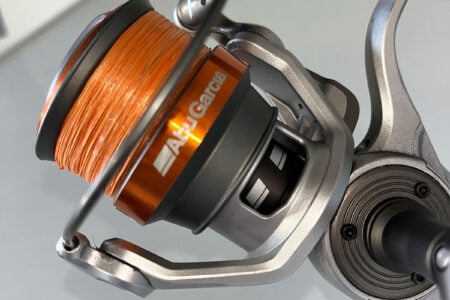
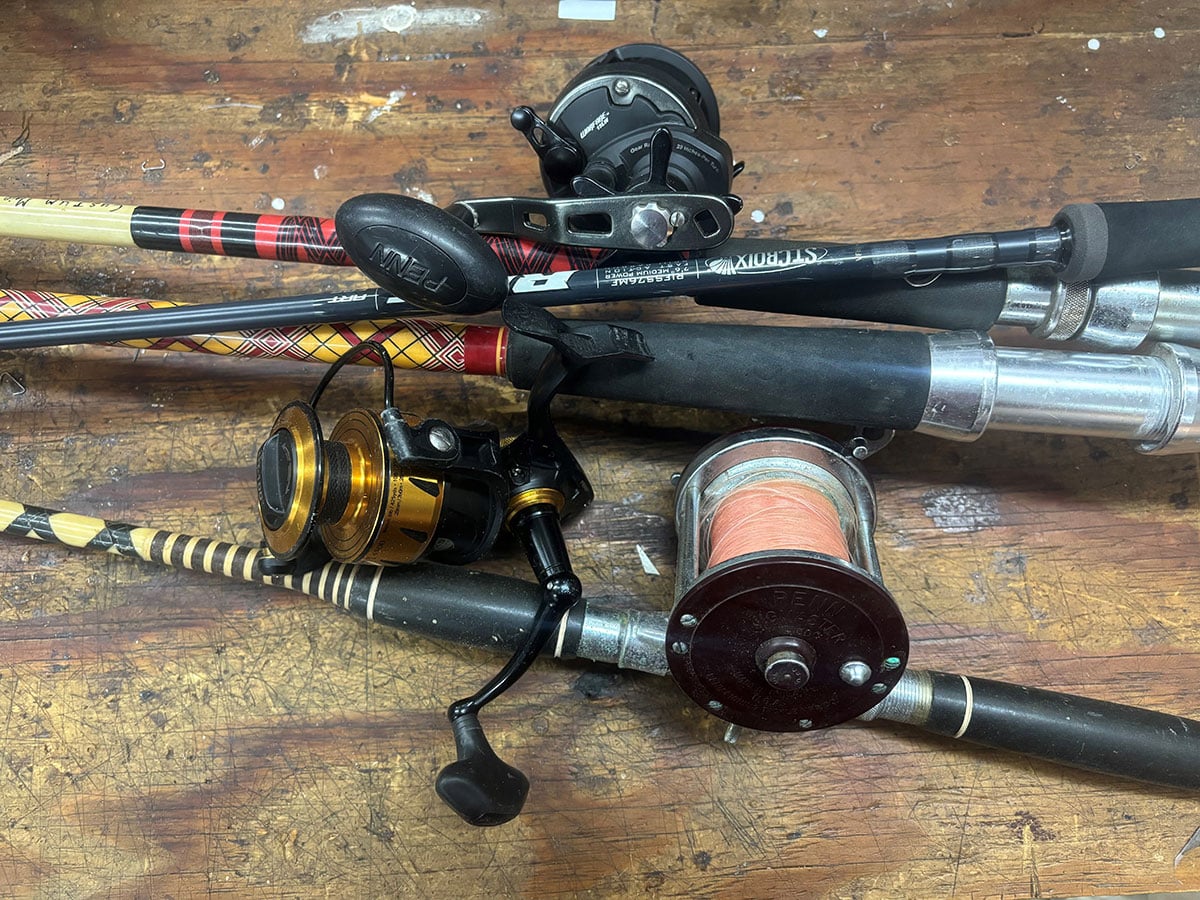
The first place (but not the easiest) to begin is with the reels. Hopefully, the reel was hosed down with fresh water after each use in salt water. Salt can be very corrosive, damaging the internal workings of the reel and preventing the spool and/or drag from functioning properly. The first thing you should do is strip off the old line, which will give you a better picture of what needs to be done. If the spool looks bad, chances are the reel needs a good cleaning, and there are several ways to accomplish this. First, a good shot of reel lube, properly applied, just might do the trick. Some reels have a spot where it says “oil.” If so, apply oil there, followed by checking the smoothness of the reel—both when cranking it and testing the drag function. That might be all you need to do, followed by a light coat of lubricant on the exterior. Then, store the reel in a reel bag or wrap it in a rag and place it in a dry location until ready to use again.
If that doesn’t work, despair not, because there is hope even if, like me, you’re not a “Mr. Fix-It.” If you’re mechanically inclined and you’ve saved the paper that comes with the reel showing the parts, remove the outer plates and lubricate the internal workings, being very careful not to disturb or lose the small internal parts (you might want to do this on a towel to be certain you don’t lose anything in the process). Finally, if that doesn’t work and the reel still sounds or feels like a meat grinder, send it to the manufacturer or bring it to a registered local dealer for a professional lube or repair job. Or you can mail the reel directly to the manufacturer (you can find their addresses online), where any needed repairs or upgrades will be done for a reasonable cost, or even for free under certain conditions. Most reel manufacturers like to keep their customers happy—both for conventional and spinning reels.
The next items requiring your attention are your fishing rods. You’ll also want to wash them down with fresh water, then carefully examine the guides to be certain none are rusty or, in the case of ceramic guides, cracked or grooved. If so, bring them to a competent rod maker for repair or replacement. Many rod manufacturers also do repairs, but in this case, you’ll need a large rod shipping container, so my suggestion is to bring it to a local shop to have the job done. Assuming there is no damage, first clean and lubricate the reel seat to prevent future corrosion. Because many of today’s rods are manufactured with composite materials, you can also use auto wax to return that fresh, new look to your rod. Simply wax the rod as you would your car, and it should come out looking clean and bright.
Finally, don’t forget your tackle—meaning lures, hooks, and leaders. First, check the hooks on your lures for rust or dullness, and if needed, replace them with new ones. This is a simple task and will save you from saying, “I should’ve replaced that hook,” after losing a huge doormat or 50-pound striper! Another task I complete each winter is tie new rigs for fluke, striped bass, and tuna. This is a fun way to pass a winter’s night. I accomplish this by attaching the needed swivels and hooks to fluorocarbon leaders in the pound-test I’ll be using, then wrapping each rig, placing it in a plastic baggie, and marking it with a magic marker—for example, “bass rig 40# fluoro” or “tuna 80# fluoro.” Next, store each in a dry place and voila—you’ll be all ready when needed again, with all that’s needed being to put new line on your reels. Another benefit is that whenever you tie a new rig, your mind will wander back to the great trips you enjoyed from the previous season.