An era of lasting legacy launched from our local surf and into fishing’s history books.
I believe that if we as anglers do not share the history of the fishery, it can and will be buried in the sands of time. Personally, I think it’s important to document topics and lifestyles within the fishing community that express a deep history for how ways used to be. Every aspect of fishing is rich with history, it didn’t just become a trending subject when you made your fishing account on social media. From fishing lures, techniques, to secret societies, for me, I want to learn it all and document it so these pieces of history never die.
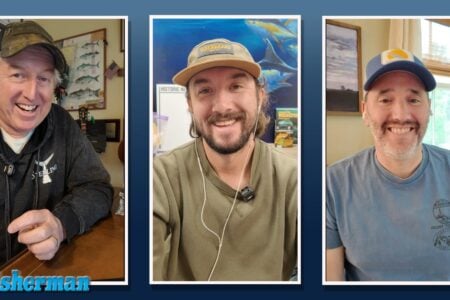
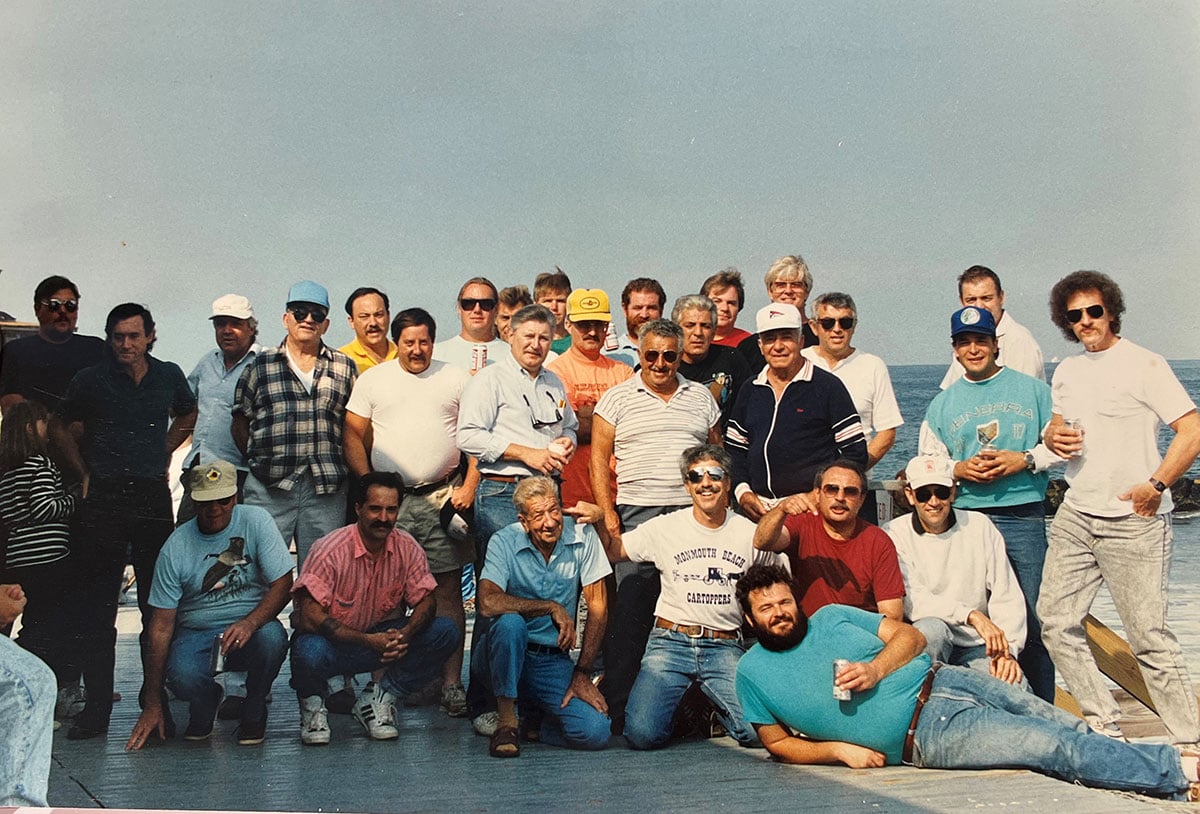
One group that piqued my interest in hearing their history is the Monmouth Beach Cartoppers. I had the honor to meet with the remaining few, Bob Pastor, Mike Megill, Stan Dziuba, Ron Sickler, and Jim Stonecker, a friendship that dates back to the 1960s. While sitting at breakfast at their old stomping grounds up in Monmouth County, I learned firsthand what it was like to be a cartopper.
Out Of Range
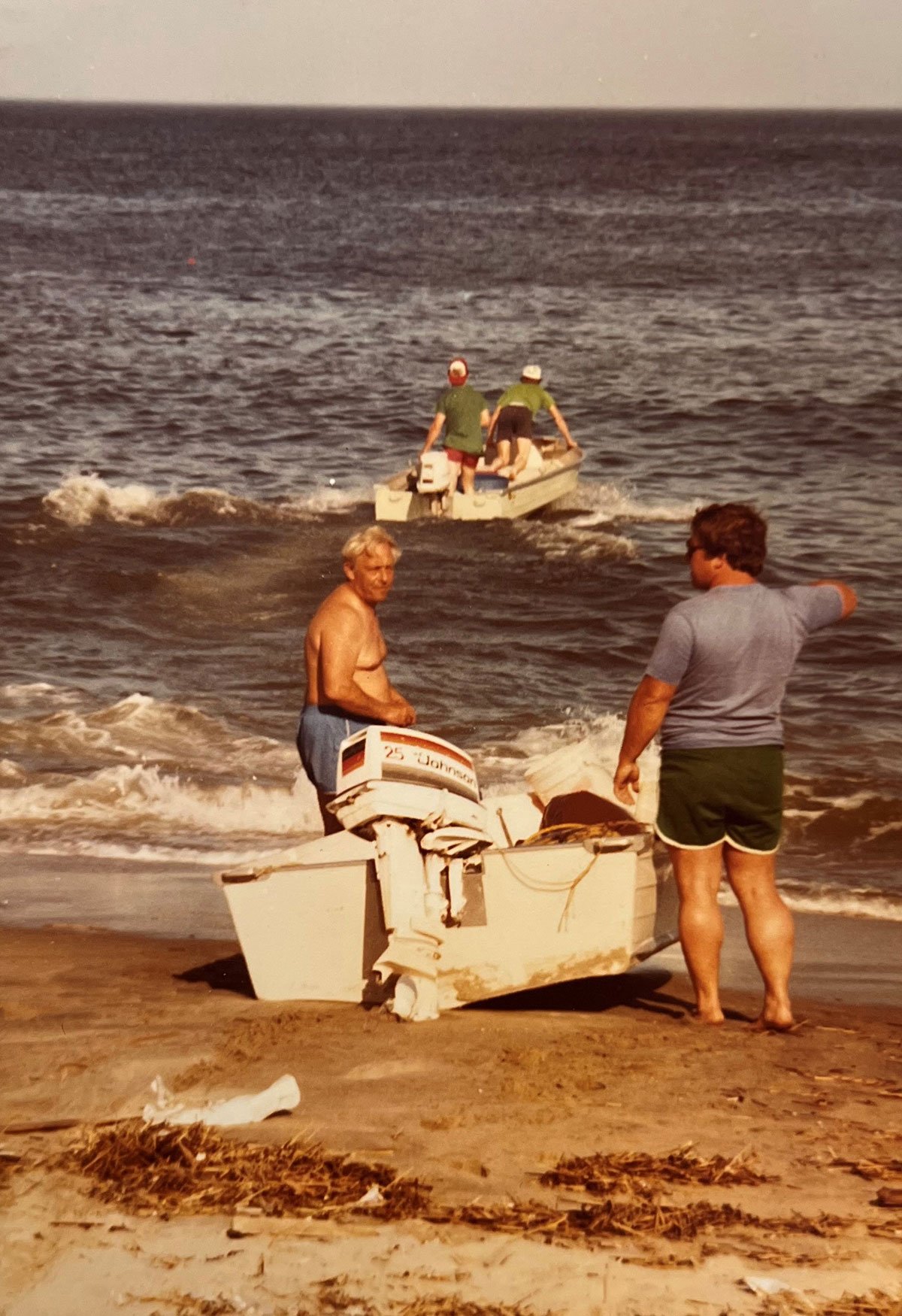
Anglers who grew frustrated by fish being out of range decided that instead of waiting for the fish to come in that they were just going to go in after them, an as expected “if you want something do it yourself” type of attitude. Fishermen who had their own aluminum boats in the 12- to 14-foot range would strap them on top of their cars, pop the motors in their trunks and take them to the beach; hence the name, cartoppers. They would first drag the boat the long way to the water, followed by the motor and then the fuel. To prevent the sand from burning their feet during the long haul, they began chaining their boats on the bulkheads.
Launching the boats and coming back in was similar to surfing, or launching a beachfront kayak today, by timing the waves. If you were off by a second it could end in disaster, but it didn’t stop the cartoppers from going back out for more. Navigation as a cartopper fishing the oceanfront was reliant on sight; there were no electronics so landmarks were important from getting from point A to point B.
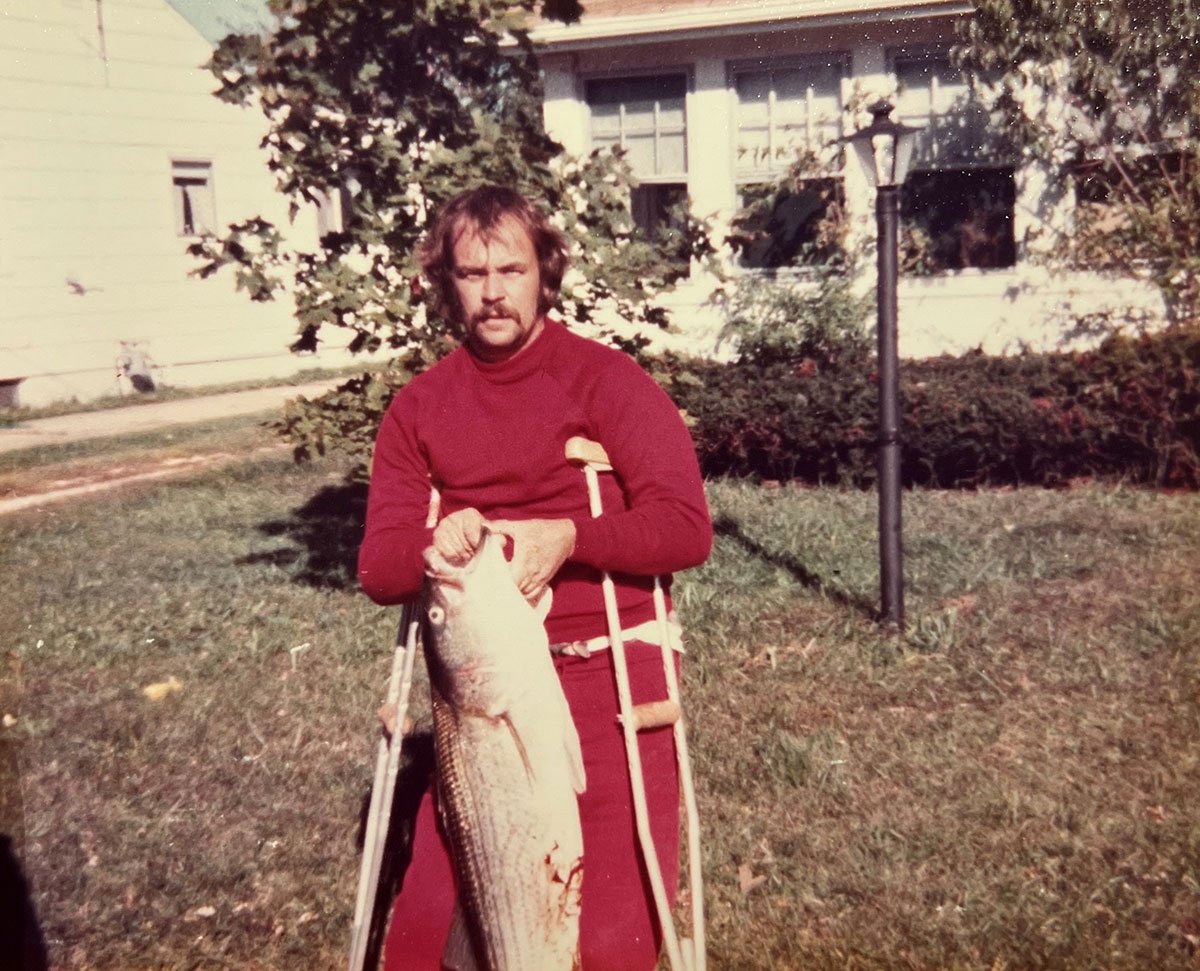
As more anglers along the beach witnessed this cartoppers, they of course wanted to join in. And it wasn’t just a solo activity, as families would also picnic on the beach and watch as the cartoppers launched off ready to get their catch of the day, creating a community. Photographs captured every step from launching to flaunting a haul, every shot with a story to tell.
The fishing was different back then; you could keep more, regulations were almost nonexistent, and fish we considered to be “unicorns” today were abundant. The cartoppers would catch fish to provide for their friends and family or to sell to also provide for their family. It was an honest way of making a living.
Changing Tides
The cartoppers have always been around in different regions but specific to Monmouth County there was first the Mosquito Fleet, followed by the Monmouth Beach Cartoppers which had their first initial meeting on September 7, 1983. They formed to protect the access points on the beaches at Little Monmouth Beach which would soon fuel the club with other impactful events that could harm their fishery and way of life.
While there was a constant battle with land access, there were also sea-based battles too. Bunker boats with unlimited access to netting would obliterate the bunker population and even drop nets on the cartoppers to add salt to the wound. Cartopper Ron Sickler even wrote for the Asbury Park Press back in 1964 in regards to the menhaden seiners not being capable of self-management, enabling proper regulations for harvest in the future commercially. Unfortunately with the shortage of bunker, the big fish left too, hence bringing forth a lot of future changes politically and environmentally.
Unfortunately, in life there’s always going to be some type of force trying to ruin all of the fun and the cartoppers had to deal with that a lot. They had to deal with the battle with the bunker boats and after many years they experienced the return of big bass during the early 2000s and were able to show their children the ways of the cartoppers, more importantly the practice of catch and release. Another constant problem was access, particularly as shore towns became even more popular for tourists and full time homes for people not keen on hearing boat motors on the beaches. Towns were also not keen on the insurance issues with cartoppers potentially flipping and harming themselves during a launch and or landing and soon overtime they continued to get the upper hand.
Eventually, the towns endorsed beach replenishment, making the boat hauls – if allowed – even longer to reach the surf. Then the excessive sand buried landmarks and excellent fishing spots like long forgotten jetties. Those jetties provided great options to fish due to their excellent structure, where cartoppers could fish beside them. Beach replenishment began to bury cartopper history, and as many believe the fishery in general. Anglers saw a change following the replenishment such as no more clam, lobster, and calico crab washes on the beaches and overall nursery ecosystems were changed forever.
Memories Never Die
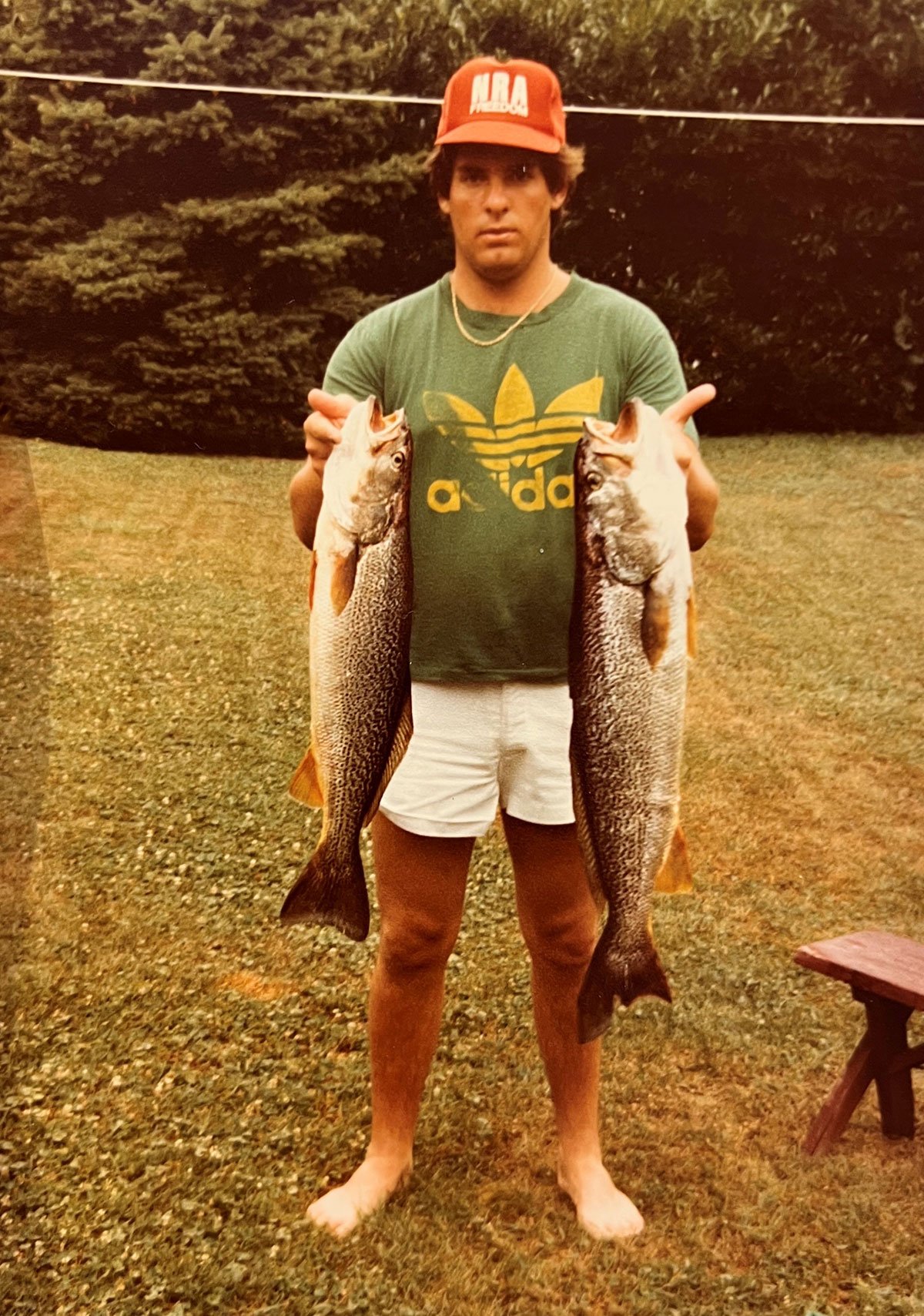
Although the time of the cartoppers has long passed, the memories they have formed are some of what legends are made of. One thing I loved about sitting at breakfast with the cartoppers was the exchange back and forth of “hey remember when we did this” or “remember that one time he did that” and all the laughs that followed. The cartoppers shared countless memories including many giant stripers caught but never weighed in, because even to them “boat fish don’t count.”
Other than jumbo stripers I wanted to know the biggest fish they’ve seen out there. Since the fishery was so rich with bait, this drew in a lot of other predatory fish other than striped bass and bluefish. Stonecker recounted a time he was fishing for bluefish when they suddenly all began circling close together, like a school of bunker. What followed next was a tiger shark coming up and chowing down right next to their little boat.
Another close encounter next to the boat was when a giant tuna “Volkswagen” came up to get a closer look next to Megill, while and Sickler shared a similar tuna tale while livelining on the seawall when a 500-pound class fish aired on the bunker school. One way to catch these fish, they all agreed, on was rigged eel fishing especially at night this was the bait of choice, and they shared their stories on how this didn’t just work for stripers. Some notable cartopper unexpected catches included an after dark false albacore caught on the rigged eel, a giant black drum, and even more rigged eel catches like Spanish mackerels and whiting. That whiting catch was a sign that the striped bass fishing was on the way out, but of course all these catches and bites were never shared until now for a few reasons. The first of course was that there were no cell phones back then. Also, the cartoppers were so close-knit and dubbed the “secret society” making them firm believers in the “loose lips sink ships” mantra.

Perseverance, true grit and a can-do attitude is what made you a cartopper. It was not for the weak for sure and you not only had to fight the fish but also fight for your right to fish. Reflecting back on over 60 years of memories at one table over breakfast, the true meaning of the quote “you don’t know what you have until it’s gone” stands true with the legend of the Monmouth Beach Cartoppers.
As a firm believer in respecting and listening to those who came before me, I had one final wish I asked from these legendary anglers was what their advice would be for future anglers. Pastor shared his insight of being attentive to what is going on in your town and to be involved with constantly having access instead of losing it. Megill wanted anglers to engage in more conversation with elders while fishing, to spend less time on your phones.
Stonecker jokingly said to stay home – or maybe he wasn’t joking but I later got his approval to continue fishing and even an invitation to fish with them after he saw my “I’ll Cut Your Line” sticker on the back of my buggy. Lastly Sickler left us with the message for all anglers to help ourselves, to form groups and express knowledge to use in bettering our communities.
In closing I want to thank all of them for taking the time to chat with me over a nice breakfast and share amazing memories that I want to preserve and spread to every reader of this article. And I urge every angler to reflect on how much has changed from the time of the cartoppers to now, with regulations, laws, fishing, and the general state of our beaches and access. Keep track on how things continue to change, for better or for worse, and always remember that you don’t know what you’ve had until it’s gone.
So cherish every aspect of fishing you have today.