These waters create a watershed filled with fish and adventure for anyone willing to walk its paths and cast a line.
Flowing from above Belmont Lake State Park in Babylon and winding its way south to the Great South Bay, the picturesque Carlls River system stretches for about five miles. Along its course, anglers encounter a chain of streams, lakes, and ponds set in mostly wooded parkland, offering countless opportunities for exploration and fishing.
This river system holds a special place in my memory. Growing up, I spent countless hours here with friends, riding bicycles along the trails, fishing rods strapped to our backs as we sought out trout, largemouth bass, pickerel, carp, bullhead, and sunfish. For young anglers, there was always something to catch, and that thrill of discovery has never left me. Even today, Carlls River feels like a refuge—a stretch of water that connects anglers not only to fish but to the rhythms of nature and the quieter, simpler past of Long Island.
The river corridor ties together three main lakes: Belmont Lake at the north end, Southards Pond in the middle, and Argyle Lake to the south in Babylon Village, before spilling into the Great South Bay. Smaller waterbodies are part of this system as well, including Gieger Park Pond at the headwaters and Elda Lake at Phelps Lane Park, where a tributary joins the main flow just above Southards Pond. Together these waters create a watershed filled with fish and adventure for anyone willing to walk its paths and cast a line.

The Waters and Their Fish
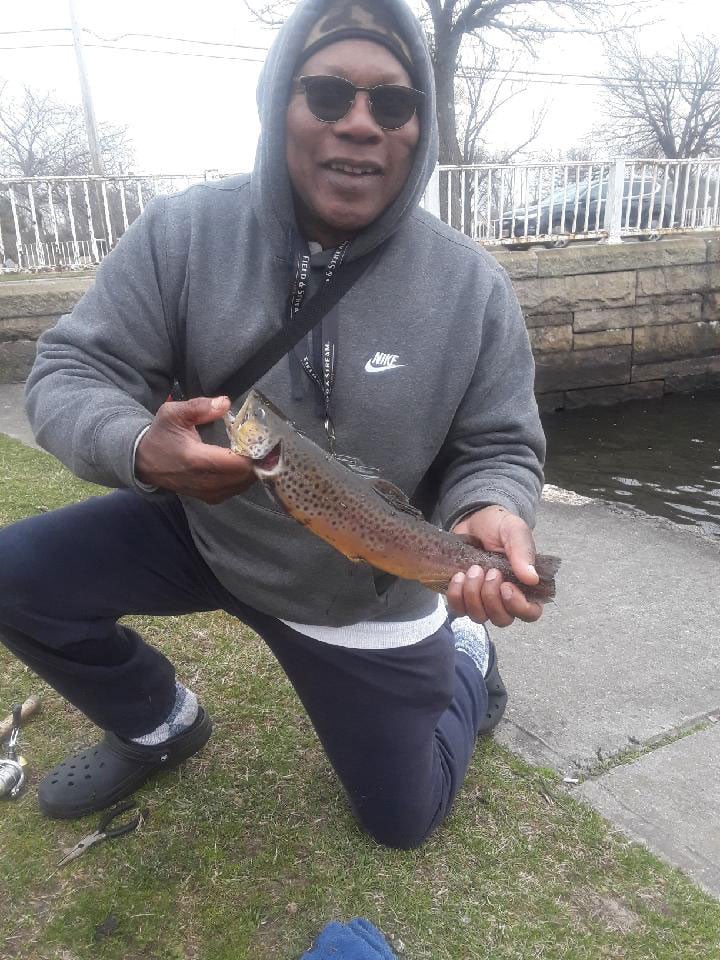
Fishing opportunities on the Carlls River are extensive. Each year, the New York State DEC stocks the system with rainbow, brown, and brook trout. Some of these fish are trophy-sized “holdovers” that can survive through the summer and grow large, especially in the cooler stretches of the stream. Beyond trout, the river holds thriving populations of largemouth bass, pickerel, yellow perch, sunfish, bullhead, and carp. Those carp in particular grow to impressive proportions, testing light tackle and providing drag-screaming runs.
Belmont Lake serves as the system’s northern anchor and is one of the most popular fishing locations. This 23-acre spring-fed body of water offers action throughout the year. Largemouth bass and chain pickerel are abundant, sunfish and bullhead keep rods bending for kids and beginners, and giant carp roam the shallows like freshwater shadows. Walking around the lake in spring reveals sandy-bottomed spawning beds where bluegill build nests, and targeting these fish can be great sport. The trout stocking here every spring draws anglers from across the region, with brookies, browns, and rainbows making up the mix. Some years, a few giant brook trout are released, giving lucky anglers a chance at a true prize.
When it comes to tactics, Belmont Lake responds well to a variety of approaches. Worms and salmon eggs are reliable standards, while spinners such as Rooster Tails and Mepps or small spoons like Kastmasters in gold or silver often produce exciting strikes. Fly rodders also find success by working nymphs and scuds below the surface. The south end of the lake near the spillway is always popular, but moving around and covering water is the best way to find fish. Boats are available for rent through the park, and kayaks can be launched at the ramp with a permit.
Where Belmont spills into the next stretch of the river, anglers discover excellent trout fishing in shaded, oxygen-rich water. The tunnels beneath the parkway create cooler holding areas where trout stack up. On many occasions, I’ve drifted flies here and watched trout rise from the shadows to take. It’s a spot that continues to produce season after season.
The Wild Stretch to Southards Pond
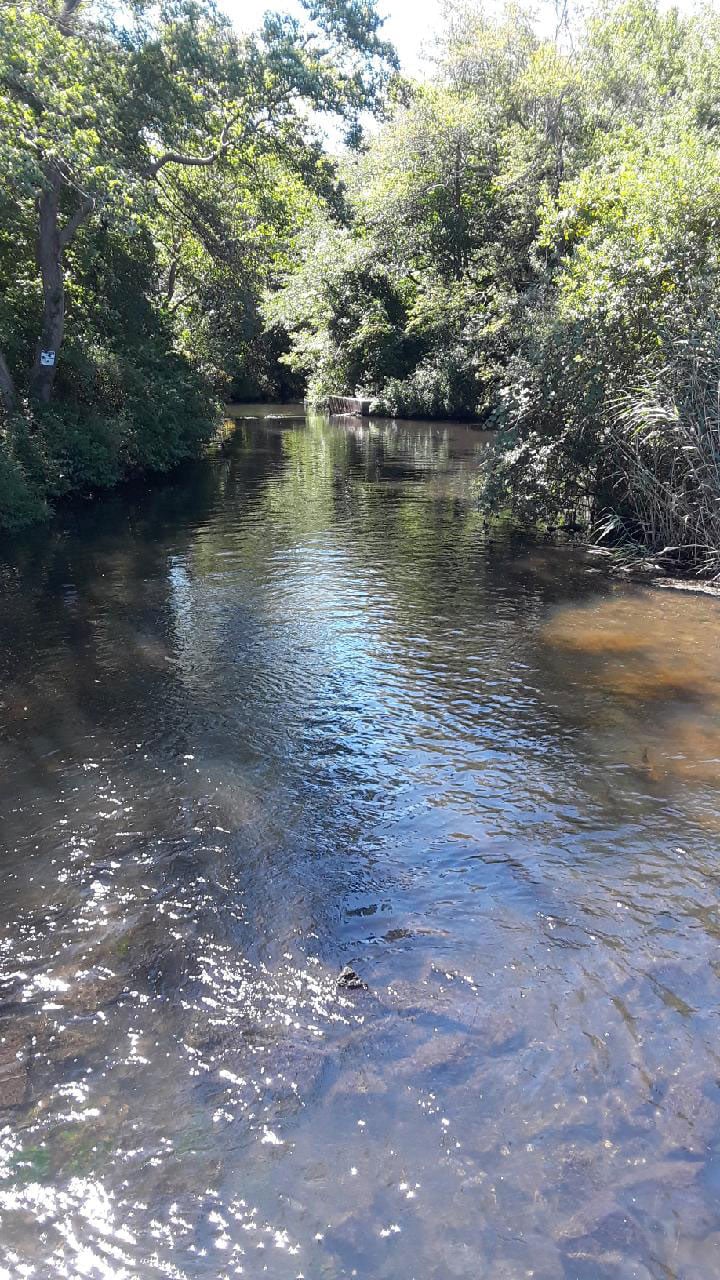
From the parkway south to Southards Pond, the Carlls transforms into a narrower, wilder stream. The section is lined with hiking trails, and while it isn’t as heavily fished as the lakes, it rewards anglers willing to wade or walk the banks. Pools, undercut banks, and shaded runs provide plenty of cover for trout, and this stretch is known to hold larger, older fish that survive year to year. According to biologists, a small population of native brook trout still survives here, a reminder of Long Island’s fishing heritage.
There’s one hidden gem along this section: just south of Sunrise Highway where the stream splits, the eastern branch flows into a small, brushy pool beneath the service road. Over the years, this spot has given up impressive brown trout, even in the dead of winter. From here, the stream winds its way just a short distance—about a hundred yards—before spilling into Southards Pond.
Southards Pond, at 19 acres with a depth of about five feet, is both scenic and productive. It receives annual trout stockings but also sustains chain pickerel, bass, sunfish, perch, bullhead, and carp. The south end, near the dam, is a magnet for trout fishermen, with stocked rainbows and two-year-old browns creating steady action. But for excitement, the pickerel are the true stars here. Wading the western shoreline and casting small floating plugs such as Rebel and Rapala minnows tight to cover can produce spectacular surface strikes. Pickerel often explode from beneath a tangle of submerged brush or fallen trees, charging in a frothing wake to smash the lure. Their ambush style and ferocity have earned them the nickname “water wolves,” and Southards has no shortage of them.

Argyle Lake and the Bay Connection
Continuing south, the Carlls passes through another wooded section where anglers can wade and fish small pools that often hold trout. Bridges crossing the creek create shade and structure, and drifting bait or casting a spinner quietly near these areas often draws strikes. Emerging from the woods at Park Avenue in Babylon, the stream flows into more open terrain, eventually slipping beneath the railroad tracks before widening into Argyle Lake.
Argyle is a 25-acre pond with a maximum depth of around four feet. It is stocked each year with rainbows and browns but also supports a wide variety of resident species, including bass, carp, bullhead, perch, and sunfish. A footpath encircles the shoreline, making the entire lake easily accessible for anglers on foot. Beyond its fishing appeal, Argyle Lake is a local landmark, particularly for the scenic waterfalls at the southern end where countless wedding photographs have been taken.
Beneath the falls, the Carlls transitions into a brackish system. Here, stocked trout mingle with white perch that push upstream from the bay. In 2013, the DEC constructed fish ladders at the waterfalls to allow alewives and other migratory fish to move upstream and spawn. This improvement has helped restore some of the river’s ecological balance and reinforced its role as a living, breathing waterway connecting freshwater and salt. From Argyle, the river continues south beneath Montauk Highway before spilling into the Great South Bay, completing its journey from woodland headwaters to coastal estuary.

Access & Exploration
Access to this chain of waters is straightforward. Belmont Lake can be reached through Belmont Lake State Park (Exit 38 on the Southern State Parkway), where boats are available for rent and kayaks can be launched at the ramp with proper permits. Southards Pond is accessible from Alexander Street on the west side and Southards Lane on the east, though no watercraft are allowed there. Argyle Lake provides a parking lot off Montauk Highway on its southeastern shore, and like Southards, it is a shore-fishing destination only. In addition, bike and foot paths connect the lakes, allowing anglers to walk or ride between them while exploring the length of the Carlls.
A Local Escape
The Carlls River system offers a unique combination of natural beauty and convenient access for Long Islanders. It’s a place where you can spend an afternoon casting for trout, bass, or pickerel, and still feel like you’ve stepped away from the busy pace of suburban life. The river and its lakes provide a living reminder of the island’s past while offering modern anglers the chance to connect with nature and perhaps even take home a fresh trout dinner. For me, and for many others who have grown up fishing these waters, the Carlls is more than just a river—it’s a thread tying together memory, adventure, and the enduring joy of fishing close to home.