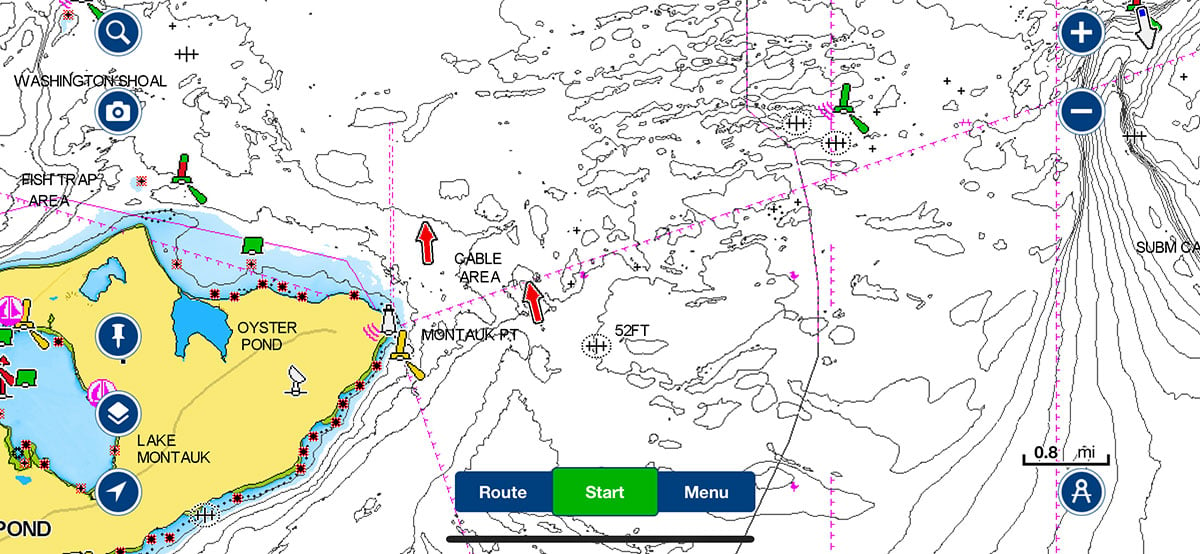
Each fall, charter and private boats leave Montauk Harbor and head roughly 2 miles east of Montauk Point to the area known as Great Eastern Rock. Consisting primarily of broken bottom made up of rock, sand and kelp, Great Eastern is a natural gathering place for bait and gamefish. Throughout the fall, many boats concentrate their efforts here in search of trophy striped bass, but bluefish, fluke and porgies also frequent the area.
Water depths generally range from 25 to 45 feet, with current varying depending on tide, lunar phase and wind conditions. During periods of peak current, multiple tidal rips become visible, creating ideal areas for drifting baits for bass. Whether anchoring or drifting, 4- to 6-ounce sinkers are normally sufficient to hold bottom, although weights in excess of 8 ounces may be required around new and full moons.
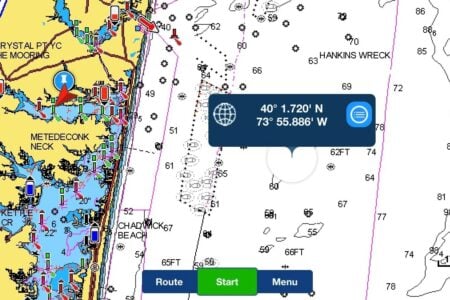
There are no buoys specifically marking Great Eastern, so good navigational charts, GPS and the proper electronics are important for safely locating and fishing the area.
The striped bass bite at Great Eastern often comes alive in late June or early July, when oversized bass can dominate the area. Trolling bunker spoons and drifting live spot are two productive ways to connect with these larger fish. This early bite can be short-lived, however, as the bass may remain for only a few weeks before shifting toward the shoals and rips around Block Island for much of the summer. If you miss this early action, don’t fret. The stripers will return in good numbers during the October and November fall run.
While the bass are away, anglers can concentrate on keeper fluke, big scup and occasional shots at bluefish. Hi-low rigs baited with clam, clam gut or sandworms can put plenty of porgies in the cooler when worked along the broken bottom. For fluke, 2- to 6-ounce bucktails tipped with sea robin or mackerel strips should keep rods bent with a mix of shorts and keepers.
When targeting fluke, concentrate on the shoals and make drifts that cover both the drop-offs and inclines. These areas generally experience stronger current and provide ideal ambush points where fluke can camouflage themselves beneath the sand and wait for prey to sweep past.
Bluefish can also turn a quiet drift into fast-paced fishing in a hurry. When the yellow-eyed monsters appear, a diamond jig or just about any shiny lure can produce, with cocktail-sized blues often making up much of the action.
As September approaches, the odds of a low-pressure system or nor’easter increase. When one rolls through, the waters surrounding Montauk can quickly come alive. Baitfish get pushed around, water temperatures begin dropping and stripers start getting the urge to migrate.
By October and November, the waters around Great Eastern Rock can become covered with terns and gulls waiting for striped bass to drive bait to the surface. When everything lines up, surface blitzes can become a regular occurrence.
When bass are feeding on top, it’s tough to go wrong with poppers, tins and diamond jigs. These situations are perfect for light spinning tackle, particularly when bass and bait remain near the surface. When the fish are holding closer to the bottom, an 8- to 10-foot section of 40-pound fluorocarbon leader matched with a 5/0 to 7/0 Gamakatsu circle hook will do the trick.
Live eels produce well both day and night, while live spot and porgies are excellent choices during daylight hours. All three baits can produce around the clock under the right conditions. The ebb tide is often productive, but during the height of the fall run, virtually any moving water can produce when bass are actively feeding.
Striped bass may receive most of the attention, but they aren’t the only speedsters roaming Great Eastern during the fall. Bluefish, false albacore and bonito are all strong possibilities as the season progresses. When albies and bonito arrive, Fat Cow and Hogy jigs can be extremely effective. Keeping a light spinning outfit rigged and ready allows you to quickly take advantage when these fish suddenly erupt on the surface.
That variety is what makes Great Eastern Rock such an appealing destination. One drift might produce a quality striped bass, while the next could result in bluefish or a screaming run from a false albacore. Add fluke and porgies to the mix earlier in the season, and there is often something worthwhile to target.
Whatever your fishing plans may be this fall, Great Eastern Rock deserves a spot on the list, especially if light-tackle action is your forte.