New Jersey’s fluke season ends on September 25; get on ‘em!
May of 2026 didn’t produce summer flounder catches like May of 2025. The bite was stymied by cold water and a lighter volume of fish in the backwater systems. This double whammy led to weak results except for good outlier days where tide and perfect conditions allowed anglers to do well.
As a child, I recall my father and grandfather discussing May days dating back to the, and despite being highly heralded by some, they’d remark that the month could be terrific or terrible or anywhere in between. The good news is and was that June saw a much-improved back bay bite and the start of a fantastic ocean fluke fishery. Every part of the state, including those that don’t always get an early season, ocean bite saw successful populations of fluke off the beach from mid-June onward.
So where do we stand now? It’s essential to understand that the entire coastline of New Jersey doesn’t function the same in terms of fluke behavior. Anglers that readily accept and utilize this fact usually make the best maneuvers to put limits of fish in the vessel. This educated approach applies to every segment of the season including the final frame of September.
Tropical storms, depressions and hurricanes are an ocean pro’s number one enemy. If we can get lucky and the storm occurrences remain miniscule or mild, the fish will chew hard with limited interruption, right to the final bell. And should conditions remain favorable, there will be some old-fashioned doormats weighed in as well.
Reefs, Wrecks & Snags
Perhaps there were summer flounder that never migrated into the bay system; and hopefully they continue to bite off the beach while being joined by those leaving the estuaries on their migration to the spawning grounds offshore. Just keep in mind that each time a low pressure system or nasty cold front descends on the state and keeps boats off the water, there’s a likelihood the fluke will reset and reshuffle. As long as the system isn’t too vicious, this can be a very good event as rubble, wrecks and reefs that were pounded by the fleet see new fish.
Furthermore, areas that may not have held a good bite all year see piles of fluke take up residence out of nowhere. Sometimes this takes place on the deeper snags in 90 to 130 feet. Sometimes it takes place in the shallower spots. The only way to know is to go and prospect.
Doubling back to my earlier observation, it really has been an outstanding year for ocean fluke. All the reefs have done exactly what they were designed to do, provide summer flounder opportunities. Those who know how to fish the structure efficiently were, and will continue to be, the ones catching the most. Just because an area is labeled a “reef” doesn’t mean captains should drift and dream for a quarter-mile before starting over. That plan will catch some fish, sure. But the way to really stack numbers is to surgically strike each piece placed on a reef.
Captains that hover over the structure and use their trolling motors or backtroll the piece will tally big catches fishing within the boats that are free drifting the same area, but only catching a handful of keepers and lots of throwbacks on barren bottom. Captains should move from item to item on the bottom and fish as many as they can. If keepers are caught, then another “drift” or two is warranted. (I use the term drift, but since it’s advised to use engines or trolling motors, it’s not really simple drifting). Otherwise, it’s time to move to the next piece which is often within a football’s toss.
Both New Jersey and Delaware have placed a number of reefs along our coast, so if after hitting a handful of pieces on one reef, the results are meager, consider motoring to an entirely different reef. Consider artificial reef sites may rest in waters as shallow as 45 feet to depths of more than 100 feet, there are times when a school of fluke might prefer one depth over the other. No matter what, always keep working and hunting.
Between The Snags
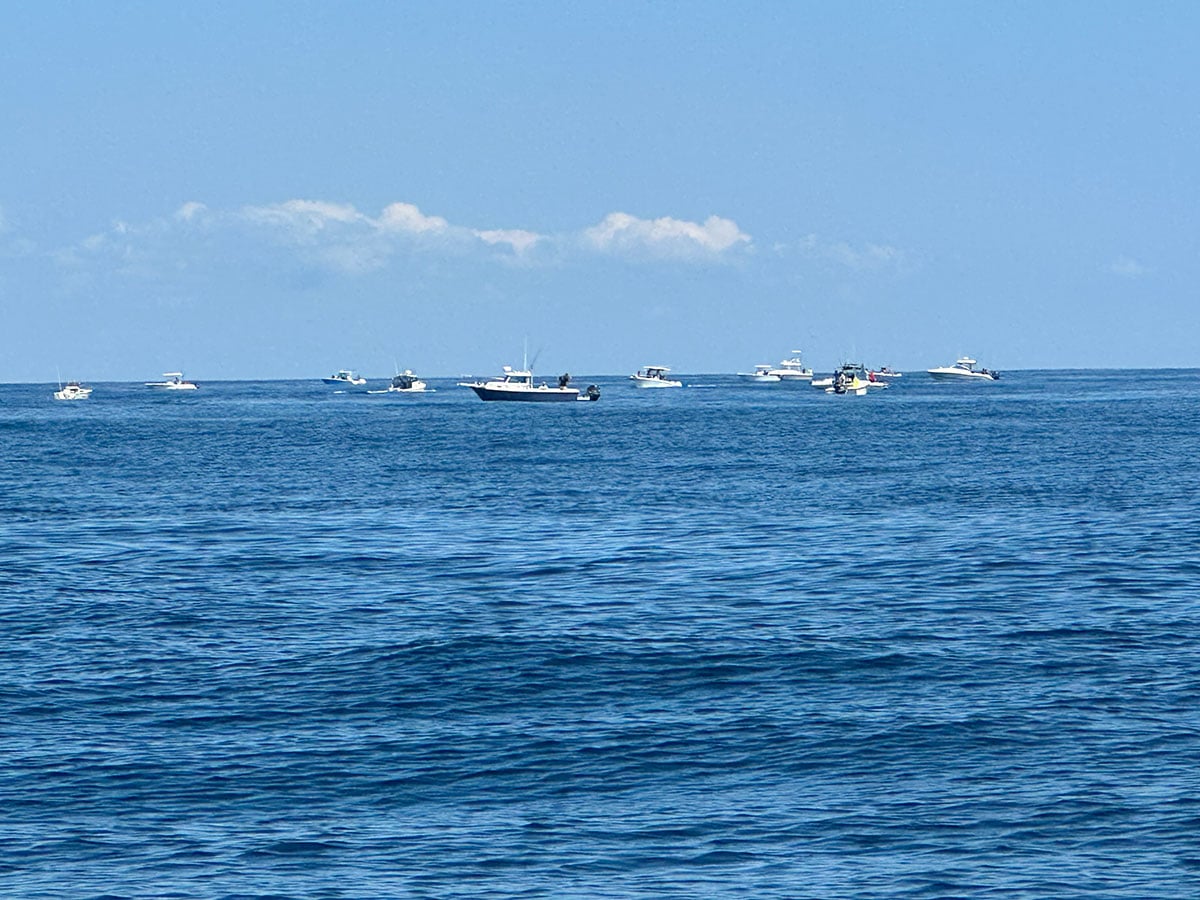
Many sunken vessels lie between orchestrated and planned reef sites, victims of anything from a bad weather to wartime activity. They all have a unique and often fascinating story for those that like to read up. Nowadays, the maritime disasters supply anglers with more fluke opportunities for limits. Some GPS number are well-known. Others are guarded by those who know them in order to keep the number of boats fishing the spot to a minimum. Either way, captains have to share the water above the wrecks and work over the piece respectfully, but in close proximity.
Since fluke fishing is straight up and down bottom fishing, it’s not difficult to fish somewhat tightly. There’s one 300-foot wreck near my home port that lit up with so many fluke that boats came from four different inlets to fish it. I recall a day there were 30 boats working closely over this piece back in 2012. Suffice to say, September is prime time for working the wrecks.
A wreck’s crusty and rusty hulls draw every type of forage imaginable and the fish that seek them. The ruins are also good hiding places and current breaks from the open bottom. Anglers that work each area of a wreck can dial in the spots holding the most fish and repeat passes. On hulking hulls that are more intact or high relief, the down current side typically sees the best action. Tugs, lightships and abnormally large, but poorly wire-drug ships are amongst many that fit this description. When fishing these, the area of structure that tapers downward to the sand is a good zone for fluke. Of course, the sides of the piece also hold fish.
Once quality fluke are located, drifts should be repeated in the immediate proximity of where keepers were caught and urgency should be placed on catching before they turn off or swim to another spot within the wreck. After a handful of drifts, I like to change up my presentation to show them something new. This could be changing from Gulp to meat, the color of Gulp or the style of the rig. It usually grabs a couple more good fluke that may have become uninterested.
Wrecks that are low relief such as barges or those that were completely destroyed for shipping purposes are usually less snaggy and piled with fluke. From front to back, their entire remains should be worked hard in order to find a pod of keepers or pick away at those that sporadically inhabit the piece. Low profile pieces typically maintain the same, angler-friendly depth making the task just a little easier.
A Natural Selection
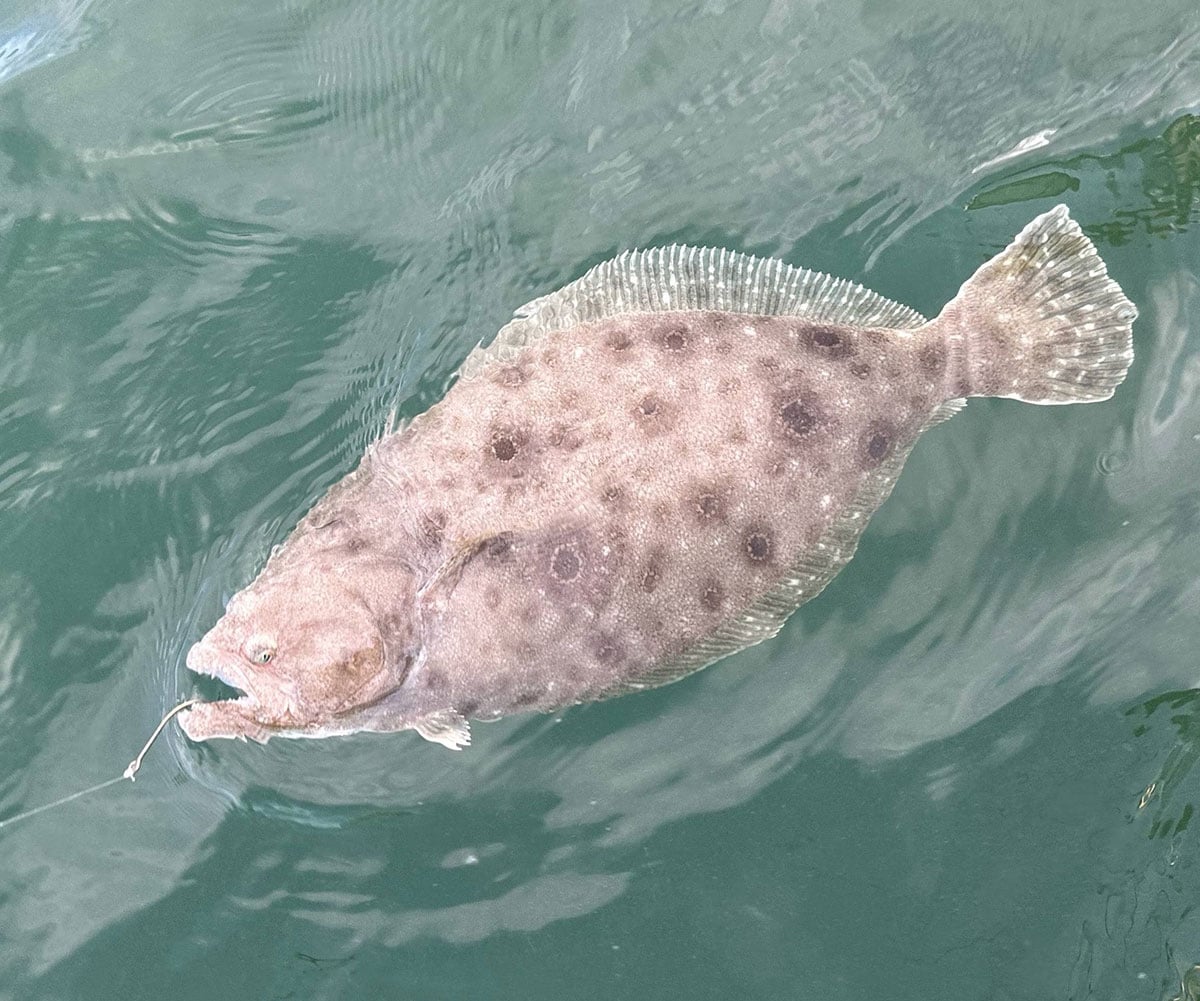
North Jersey waters have much more acreage of flukey water than waters in the southern region with glacial rock coving a lot of area inshore and offshore that fluke just love. Some of it rises in the form of high relief, but much does not. It all holds fluke at some point in time, but finding the keepers instead of the dinks is the name of the game.
Since the rock, and associated live bottom exists from just outside the breakers to miles offshore, captains can work different depths in order to find patches of fluke. Furthermore, the best kind of rocky find by a captain is extremely low relief rock swaths that reside between the mud and sand flats. This takes prospecting and a willingness to stop while on the way to other locations, but anglers that find fluke will often find them big time! The relief off the bottom won’t jump out at untrained eyes looking at the sounder.
Skippers that know what they are looking for can immediately stop and fish the structure patches that might only show as a different shade of color with a more defined depthfinder contour on their sounder. It can be extremely subtle. Side-scan technology and the satellite chip software can greatly assist in making for a three-pronged attack on determining the bottom composition. The point is, even captains not out on the hunt for new structure, should keep a watchful eye for these abnormalities that aren’t really abnormalities in the northern fluke region. They contain keepers and doormats.
With all that being said, it doesn’t have to be all about the ocean in September. There are areas where fish either haven’t migrated out, or did the opposite and migrated into the bays during September. All the Jersey shore backwaters are flush with forage such as crabs, grass shrimp, peanut bunker, and mullet to name a few. When comparing each system, why one system provides a true backwater keeper bite in September while another doesn’t is a matter of geography, biology and good or bad fortune. In recent years, the Shrewsbury and Navesink Rivers held good keepers until the season ended.
Follow The Bait
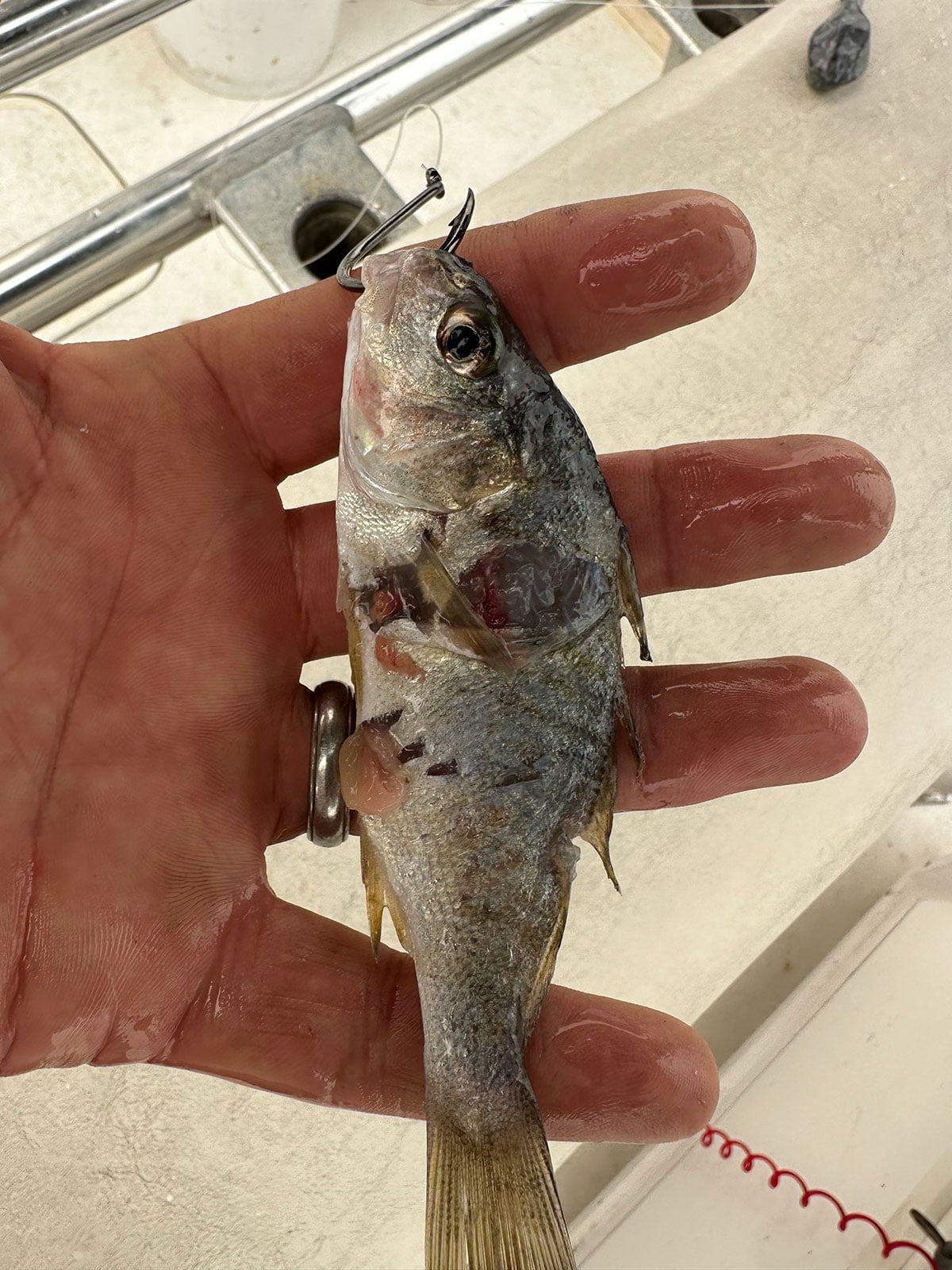
Live bait is prime in the channels and on the flats. The Manasquan and Shark Rivers hold a nice body of fluke in September and are well worthy of skinny water efforts, especially as fluke seem to follow schools of peanut bunker and herring into the rivers. For those without a boat, there are rental boats available and all four areas have decent kayak water, but attention must be paid to the much larger vessels that need the channels to get to and from their destination.
Chicken rigs with peanut menhaden, baby spot, snapper blues, minnows or mullet are my go-to when I’m fishing these locations. The areas aren’t as massive as the backwater estuaries of South Jersey so prospecting isn’t quite so hard for anglers on the hunt. Additionally, Barnegat Inlet held good fluke right up till season finale last year.
Some vessels, like skiffs, jon boats and kayaks, are limited to the backwaters therefore fishing these rivers, creeks, inlets and flats are their sole bread and butter. But when the ocean churns up from a disturbance, the skinny water is a good place for any craft that wants to catch summer flounder.
The Raritan Bay and Delaware Bays are large inshore bodies of water that bookend the state’s fluke fishing. They are probably best from June through August; however, anglers should not sleep on September either. Ambrose, Reach and Sandy Hook Channels, amongst others, give up keepers and some serious doormats too. While the fleet hits the ocean structure, most in-the-know would guarantee there exists fluke over ten pounds and some into the teens chilling out and getting fat on the muddy bottom of the Raritan during September. Six-inch Gulp Grubs are great, but so are large, snapper bluefish and live spot drug on a naked hook.
The Delaware Bay sees a surge of keeper fluke in September some years. Friends that fish there frequently have remarked to me at how pleasantly surprised they have been when they can limit out in the Bay in September. On average, late season keepers here creep to 5 pounds and don’t approach the doormat status from the Raritan to the Rattlesnake, but nonetheless, it’s a fishery worth keeping tabs on for South Jersey anglers that prefer the bay or if the ocean gets rough.