A simple guide to catching, cleaning and cooking the underrated northern pufferfish.
When people hear the word pufferfish, the first thing that often comes to mind is, “poison”. However, the northern puffer is a great-tasting fish and, unlike some of its relatives, is commonly enjoyed as table fare. In fact, it is often called the “chicken of the sea.”
Pufferfish represent an underrated fishery along the Northeast coast. I still remember catching my first one from the docks near local marinas as a kid. They might not be glamorous, but they are easy to target, accessible from many locations, and a great option for kids or anyone looking to bring home a tasty meal. For me, puffer fishing brings back that childhood excitement, with the bonus of an excellent meal afterward.
You don’t need expensive tackle or a long offshore run to get started. A light spinning rod, a simple bottom rig, a little bait and, if you want to get fancy, a chum pot are enough for a productive trip. The best part of a pufferfish outing might begin once you get back to the dock or home.
When targeting puffers, focus on back bays, harbors, docks and shallow-water areas. In my neck of the woods, the Peconics are especially well suited to this fishery, and I have caught puffers in just a foot or two of water. Sight-fishing for them in the shallows can be a blast.
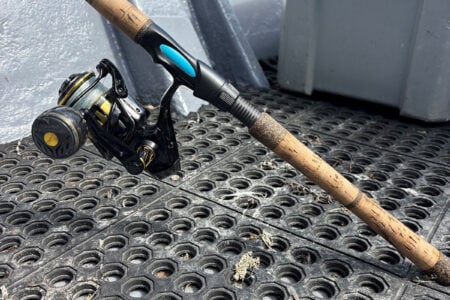
Light spinning tackle is ideal. I like using small, long-shank hooks because puffers have beak-like teeth and are very good at stealing bait. Use only enough sinker weight to hold bottom so you can feel the bite. A simple two-hook rig works well, and small strips of squid are one of my preferred baits because they stay on the hook better than softer offerings.
A chum pot can make a big difference. I prefer using a clam log, which can draw fish into the area and keep them close to your setup. When the fish respond, the action can be nonstop, making this an excellent fishery for young kids or inexperienced anglers.
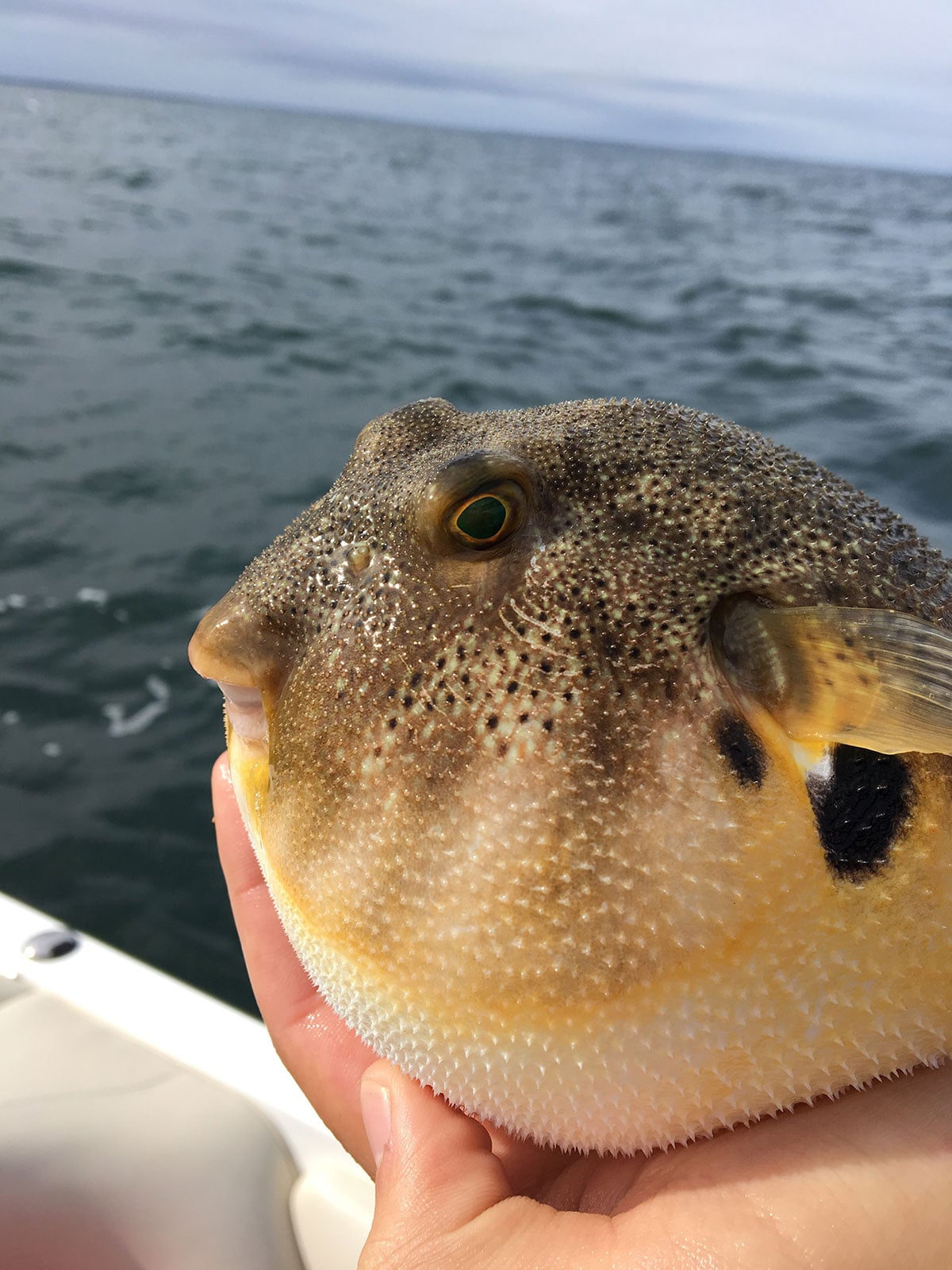
Before keeping any puffers for the table, make sure you can positively identify a northern puffer and distinguish it from other puffer species. Northern puffers can be recognized by their mottled, spotted coloration and pale yellow-to-white belly. If you are unsure of the identification, release the fish.
Cleaning a northern puffer is much different from filleting a typical fish. What you are really after is the firm tail section, which resembles a small chicken drumstick. Puffers have very tough skin, so gloves can make the job easier.
Start by making a cut behind the head while being careful not to puncture the internal organs. Do not cut the head completely free; leave the skin along the bottom connected. From there, grip the fish with gloves, a rag, or pliers and pull the skin away from the tail meat. The cleaned tail section is your “drumstick.”
Once the tails are cleaned, the cooking options are simple. The meat is firm, white and slightly sweet. I like preparing puffers beer-battered, but they are also excellent seasoned with Old Bay and pan-fried. Serve them with lemon and tartar sauce and you have an easy meal that is hard to beat.
Because the tail stays intact, puffers are usually eaten more like a chicken wing or drumstick than a boneless fish fillet. Hold the tail and eat the meat around the center bone. You can remove the bone before cooking if you prefer, but doing so usually sacrifices some meat.
Not every fishing trip has to revolve around catching the biggest fish possible. Pufferfish remind me of the simpler side of fishing. They can be caught from beaches, docks, piers, boats and kayaks. When fishing from a boat or kayak, anchoring and deploying a chum pot is a great way to keep the fish concentrated beneath you.
As with any fishery, only keep what you plan to eat. Puffer abundance has fluctuated over the years, so releasing the extras helps ensure more fish remain for another day.
What puffers lack in size and fighting ability, they make up for on the dinner table. They offer an accessible fishery almost anyone can enjoy. A memorable day on the water that does not expensive gear, a long canyon run or a trophy fish. Sometimes all it takes is an afternoon with friends or family, a steady bite and a sea-to-table meal.