Using technology to catch more fish.
Technology can be a phenomenal tool both on and off the water. Better yet, learning how to use it before you even leave the dock can help you catch more fish. There have been countless technological innovations that have positively impacted our recreational fishery, but for the sake of simplicity, let’s break it down into three categories: knowing when to go, where to go, and what to do once you get there.
How can technology help determine when to go? Today, there are countless apps and websites that make checking weather, tides, wind, and water temperatures easier than ever. For weather and wind, I prefer apps such as Windy, which provide detailed hourly forecasts. Wind is one of the most important factors when determining both your safety and comfort on the water, but it can also influence how and where you fish.
Understanding wind direction can help you identify areas that offer protection from rough conditions. It can also help you avoid situations where wind and tide oppose one another, creating difficult drifts and uncomfortable fishing conditions. Tide charts, marine forecasts, and weather apps are readily available, many of them free. Gone are the days of guessing what the afternoon wind might do or when the tide will change. While nobody can predict Mother Nature with complete certainty, but technology removes much of the guesswork.
Knowing where to go is another area where technology can help stack the odds in your favor. Online fishing groups, social media communities, and group text messages with friends can provide valuable insights into local fishing activity before you leave home. As with any fishing information, it’s important to follow the golden rule: treat others how you’d like to be treated. If someone shares helpful information with me, I’m happy to return the favor whenever I can. Likewise, if someone asks that a productive area remain private, it’s important to respect that request.
Even when taken with a grain of salt, recent fishing reports can help you make better decisions. They may point you toward productive water or, just as importantly, help you identify areas that haven’t been producing. While I fully support anglers charting their own course and discovering new spots, there is nothing wrong with gathering as much information as possible before a trip. Sometimes knowing where not to go can save an entire day of fishing.
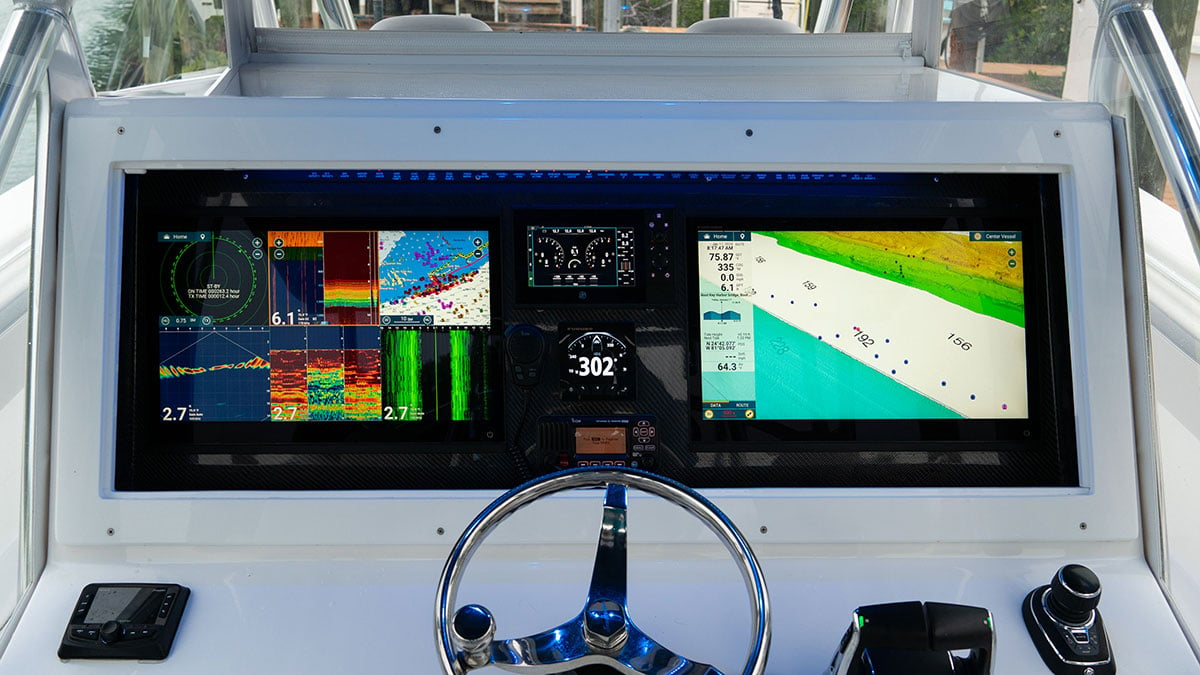
When it comes to getting there, modern marine electronics have completely changed the game. GPS units, chartplotters, radar, night-vision cameras, and handheld navigation devices have made traveling on the water safer and more efficient than ever before.
Detailed charting systems such as Navionics provide anglers with highly accurate information on channels, navigational markers, bottom contours, and water depths. These tools not only help you navigate safely but can also help you locate new fishing areas before ever leaving the dock.
Many anglers now spend time studying charts from their computers or phones, identifying points, drop-offs, channels, and structure that may hold fish. Rather than blindly searching for new water, anglers can use technology to narrow down productive areas and develop a game plan before the trip even begins.
Once you arrive at your destination, several modern tools can help put more fish in the boat. Fish finders, trolling motors, and communication devices have become staples for many anglers. Today’s fish finders are incredibly advanced. They provide detailed images of bottom structure, bait concentrations, water depth, and even individual fish. They can also display water temperature and help anglers identify subtle features that may otherwise go unnoticed.
Trolling motors have become increasingly popular on boats of all sizes. With features such as GPS anchoring and spot-lock technology, anglers can hold position with remarkable precision. This can be especially valuable when fishing structure, working a specific piece of bottom, or trying to maintain an effective drift in challenging conditions.
Communication technology has improved dramatically as well. In addition to cell phones, many anglers now rely on VHF radios and other communication devices to stay connected while on the water. Being able to communicate with fishing partners, monitor conditions, and share information can help anglers adapt throughout the day and make better decisions.
Of course, even the most advanced technology is only as useful as the person operating it. A high-end fish finder, GPS, or radar system won’t provide much value if you don’t understand how to use it properly. Like any fishing skill, learning these tools takes practice. Spend time becoming familiar with your electronics before you truly need them. Learn how to adjust settings, interpret information, and maximize the features available to you. The more comfortable you become with your equipment, the more effective it will be when conditions get challenging.
Technology should be viewed as another tool in your fishing arsenal. It won’t replace time on the water, experience, or instinct, but it can certainly help make you a more efficient and informed angler. As technology continues to evolve, there will always be a new app, gadget, or electronic feature promising to help anglers catch more fish. The key is learning how to use the tools available to you today while remaining open to future advancements. Used correctly, technology can help you spend less time guessing and more time fishing—and that’s something every angler can appreciate.