Why sunlight and warming water can outproduce tide in early April—and how to adjust your approach to find fish.
If you’ve been fishing long enough, you’ve probably got it wired into your routine—set the alarm early, fish the start of the tide, and plan everything around first light or last light. Most of the season, that’s a solid approach. But early April is one of those windows where that mindset can actually work against you.
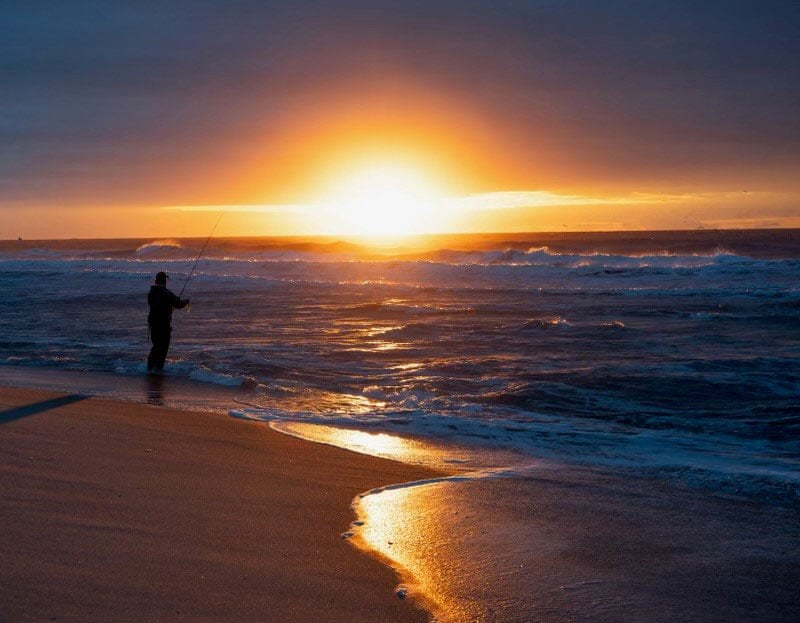
This time of year across the Northeast, the biggest factor isn’t tide—it’s temperature. More specifically, it’s where the warmest water is and when it’s happening. And more often than not, that points directly to the sun.
I can’t tell you how many early April mornings I’ve had where everything lined up on paper. Good tide, decent conditions, plenty of confidence as I was pulling into the spot—and it was just lifeless. No bait, no birds, no signs of anything going on. Then a few hours later, after the sun gets up and starts doing its thing, the same exact area comes alive. You start seeing spearing flicker, maybe some grass shrimp popping, and before you know it, you’re into fish. Nothing changed except the water temperature.
That’s the adjustment a lot of guys struggle to make. We’re so conditioned to fish the clock and the tide that we overlook what’s actually happening in front of us. In early April, the fish aren’t set up in their normal patterns yet. They’re still dealing with cold water, limited bait, and a slow metabolism. They’re not looking to chase—they’re looking to be comfortable. And comfortable means warmer water.
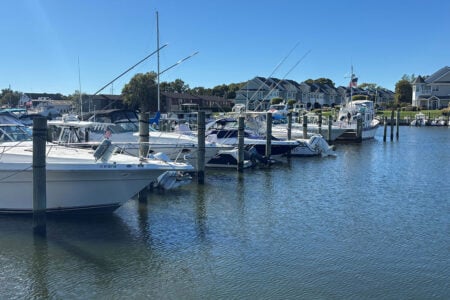
That’s why the smaller, protected areas are always the first to produce. Creeks, back bays, marinas, and any stretch of water with a dark, muddy bottom will heat up faster than the open stuff. Add in a little protection from the wind and a few hours of sun, and you’ve got a completely different environment than what you saw at daybreak, and it doesn’t take much. A couple of degrees is all it takes to flip the switch.
By late morning into the afternoon, those areas might hold the only real life around. Fish slide in, bait gets active, and suddenly you’ve got a bite where there was nothing just a few hours earlier. Meanwhile, guys who fished the “right” tide at sunrise are already back at the truck wondering what went wrong.
That’s not to say the tide doesn’t matter—it always matters. Moving water is still what positions fish and creates feeding opportunities. But early in the season, it’s not the first thing you should be building your plan around.
Cold water with a perfect tide is still cold water, and that usually means slow or no action. On the flip side, warmer water—even with less-than-ideal movement—can still produce. I’ve had some surprisingly good bites on minimal current in backwater areas simply because that’s where the best conditions were.
Where things really come together is when you can line both up. An afternoon outgoing tide dumping out of a creek that’s been warming all day is about as good as it gets this time of year. That water is carrying warmth, bait, and everything else with it, and fish know it. The same goes for a late-day push of water flooding into a shallow flat that’s been baking in the sun for hours.
The key is that those windows are usually short. You’re not dealing with all-day bites in early April. It might be an hour, maybe two, where everything lines up and the fish turn on. If you’re not there for it, you miss it.
That’s why this time of year is all about staying flexible. If the morning doesn’t happen, don’t write the day off. If anything, expect things to improve as the day goes on—especially if you’ve got sun and light winds. Pay attention to how the water feels, look for signs of life, and be willing to move until you find it.
It’s also a good time to break some habits. Dawn isn’t automatic in April—in a lot of cases, it’s actually the toughest part of the day after a cold night. Night fishing can be slow for the same reason. The better play is to focus on when conditions are getting better, not worse.
When you do find fish, keep your approach simple and slow. This isn’t the time for big baits or aggressive retrieves. Small soft plastics, light jigheads, and subtle swimmers will out-produce just about everything else. Let the bait stay in the zone, fish it methodically, and don’t overwork it. The bites can be light, but they’re there if you’re fishing it right.
Location matters just as much as presentation. Early season fish tend to be concentrated, not spread out. If you’re fishing big, open water with no signs of life, you’re probably in the wrong place. Focus on smaller areas that warm quickly and hold bait, and you’ll put yourself in a much better position.
At the end of the day, early April is about reading conditions more than following rules. The tide chart is still important, but it shouldn’t be the only thing you’re looking at. The guys who consistently catch this time of year are the ones paying attention to temperature, sunlight, and subtle changes in the water.
As the season progresses, things will fall back into a more familiar rhythm. Dawn and dusk will matter more, fish will spread out, and patterns will get easier to dial in. But right now, in this early-season window, you’ve got to be willing to adjust.
So before your next trip, don’t just plan around the tide. Look at the weather, look at the sun, and think about where the warmest water is going to be. Because in early April, the best bite of the day usually isn’t when you’ve always fished—it’s when the water finally warms up enough for the fish to feed.