A simple approach to catching one of summer’s best-eating fish.
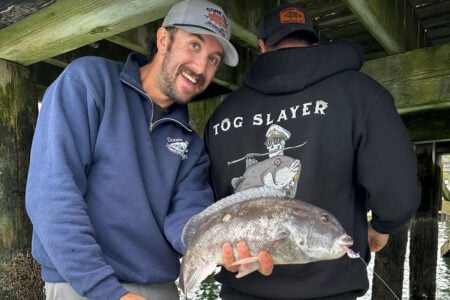
Every summer, anglers head offshore in search of sea bass, fluke, porgies or other bottom fish and end up encountering one of the most underrated species in the ocean—the triggerfish. While many consider them a welcome bycatch, more fishermen are beginning to realize these hard-fighting fish are well worth actually targeting, on purpose. They make for exceptional table fare, put up a spirited fight for their size, and often provide steady action when other bottom species become finicky. With a few adjustments in tackle and technique, triggerfish might quickly become one of your favorite summertime targets.
The first step is understanding where triggerfish spend their time. They are almost always associated with hard structure, including wrecks, reefs, rocky ledges, bridge pilings and other areas covered with marine growth. Barnacles, mussels, crabs and small shellfish make up much of their natural diet, so wherever those food sources thrive, triggerfish are usually nearby. They tend to stay tight to the structure rather than wandering far from it, making accurate presentations is far more important than long drifts.
Many anglers drift over productive structure only once before moving on, but triggerfish often reward patience. If you find fish, it usually pays to stay in the area and make several passes instead of immediately searching elsewhere. Even shifting the boat just a few yards can make a noticeable difference in the number of bites. Precision is often more valuable than covering water when targeting this species.
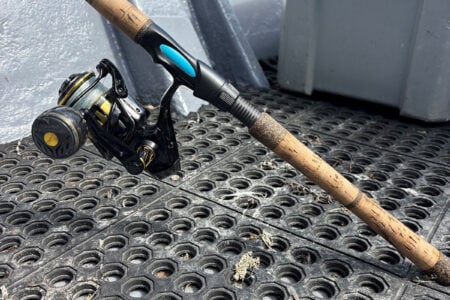
Tackle for triggerfish doesn’t need to be complicated. A medium-action spinning or conventional outfit with braided line provides excellent sensitivity for detecting their subtle bites while still offering enough backbone to pull fish away from structure. Braided line also cuts through current better than monofilament, allowing you to maintain better contact with your bait. Pair that with a fluorocarbon leader and you’re ready for just about any triggerfish scenario.
One of the biggest mistakes anglers make is fishing with hooks that are simply too large. Although triggerfish possess incredibly strong teeth, their mouths are relatively small compared to many other bottom species. A sharp 1/0 or 2/0 live bait or octopus-style hook is usually all that’s needed. Smaller hooks also allow the fish to inhale the bait more naturally, leading to more consistent hookups.
Rig selection is simple. A standard fish-finder rig or a basic two-hook bottom rig both work extremely well as long as the bait stays close to the bottom. Use only enough sinker weight to maintain contact with the structure without constantly dragging or snagging. The less your rig moves around, the more naturally your bait will present itself.
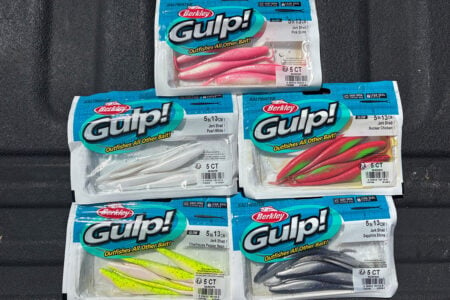
When it comes to bait, freshness matters more than variety. Triggerfish eagerly eat pieces of clam, squid, shrimp, crab, mussels and other natural offerings. Smaller baits often outperform oversized chunks because they are easier for the fish to engulf completely. Resist the temptation to load the hook with too much bait, as triggerfish are experts at picking apart large offerings without getting hooked.
Learning to recognize a triggerfish bite is perhaps the most valuable skill you can develop. Unlike species that aggressively inhale a bait, triggerfish often begin with a series of quick taps as they nibble at the edges. Many anglers react too quickly and pull the bait away before the fish ever has a chance to commit. Patience almost always results in more fish making it into the boat.
Instead of setting the hook on the very first tap, allow the fish a moment to work the bait. As it gains confidence, those light pecks usually turn into a steady pull or a noticeable bend in the rod tip. That’s the moment to smoothly lift the rod and begin reeling rather than making an exaggerated hookset. More often than not, the fish will already be securely hooked.
Once hooked, triggerfish have only one goal: getting back into the structure. They fight with surprising determination, using short, powerful runs rather than long bursts of speed. Maintain steady pressure and avoid giving the fish slack line, which can allow it to wrap your leader around rocks or wreckage. A smooth drag and calm approach will land far more fish than trying to overpower them.
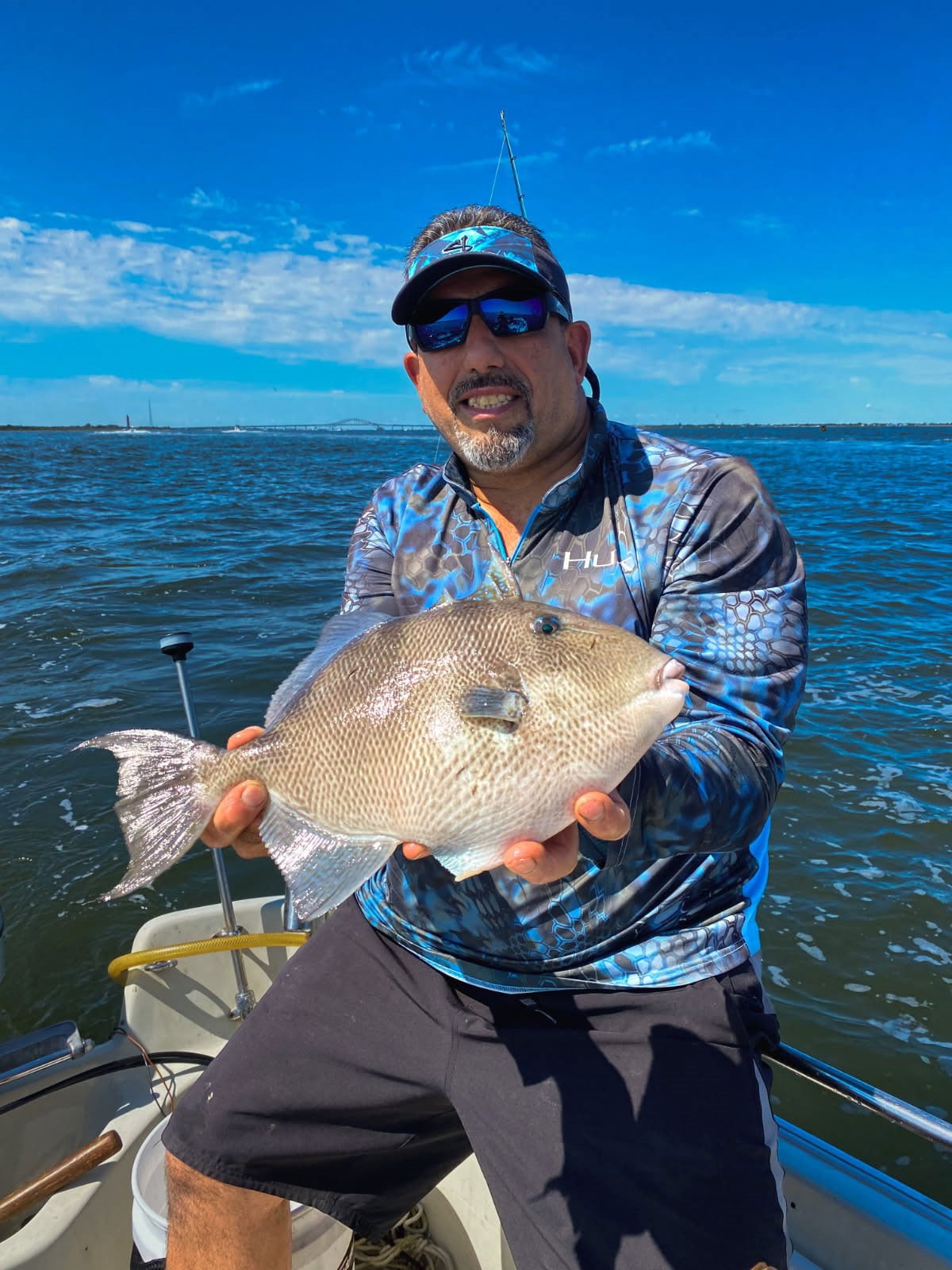
Handling a triggerfish also requires a little care. Their name comes from the locking dorsal spine that can be raised and “triggered” into place, making them difficult for predators to swallow. Just as memorable are their powerful teeth, which are capable of crushing barnacles, crabs and shellfish with ease. Keep your fingers away from the mouth and grip the fish securely behind the head or use a landing tool when removing the hook.
Perhaps the biggest reward comes once the trip is over. Triggerfish produce firm, white fillets with a mild flavor that consistently rank among the finest seafood available. Whether grilled, baked, fried or prepared in fish tacos, they rarely disappoint at the dinner table.