How does moon phase and barometric pressure affect fish activity?
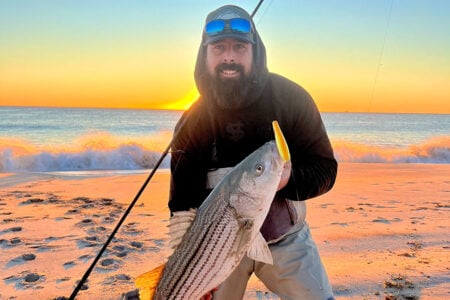
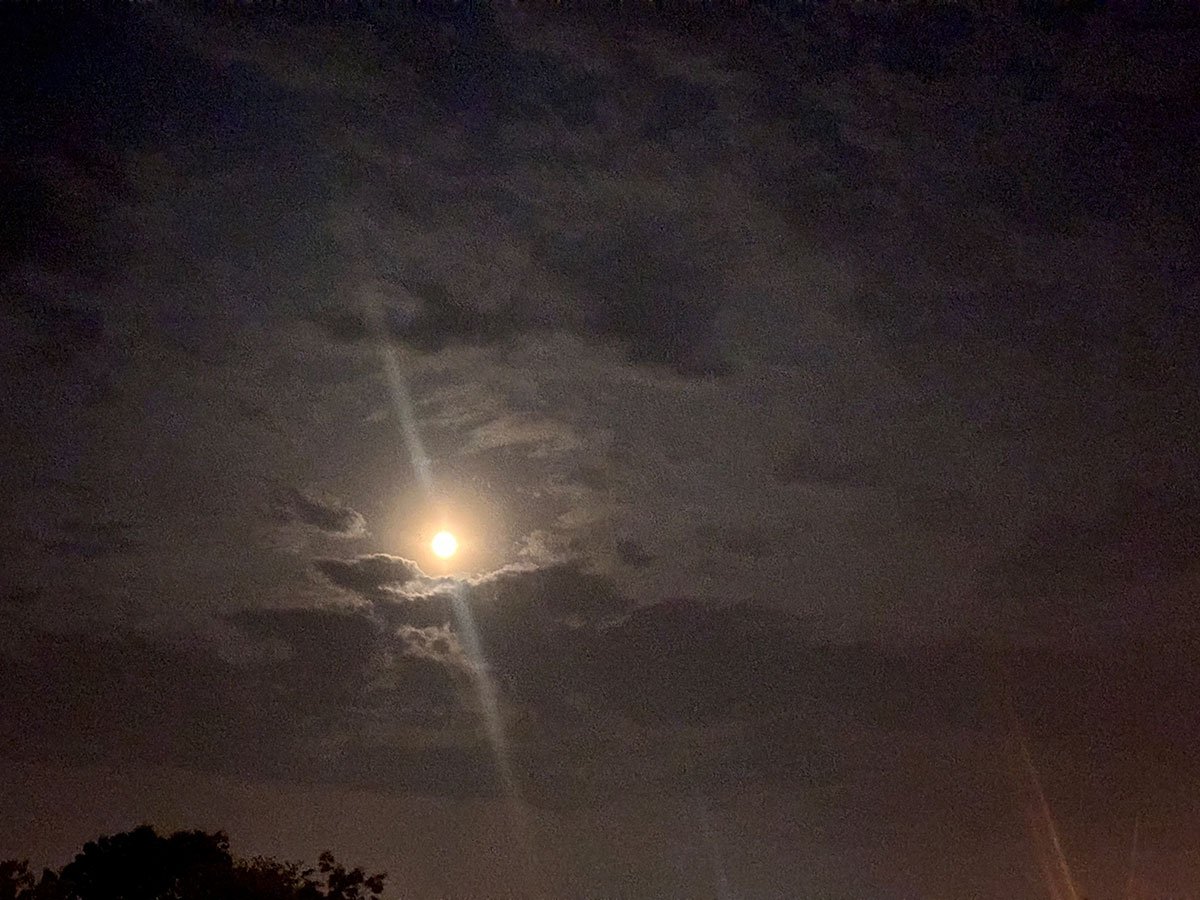
I started paying attention to moon phases nearly 45 years ago. Back then, I was obsessively fishing the western Long Island Sound, and I couldn’t help noticing how the striper bite spiked around the full moon – specifically from one day before to one day after. The uptick was so dramatic, I’d find myself counting down the days to the next moon. I also noticed that the biggest striper of the year in my local zone – from Mamaroneck, NY to Norwalk, CT – always seemed to be caught on the night of the July full moon. It wasn’t just me; it was common knowledge that full moon nights around Montauk were prime time for big bass.
A “Life-Changing” Book
Later on, I read a book that changed the way I looked at fish behavior. It was written by the legendary “Bass Professor” Doug Hannon, and it focused on largemouth bass. The chapter on moon influence really rocked me. Doug laid out how the moon had a tremendous effect on the behavior of gamefish – all species. According to his research, three-quarters of all IGFA All-Tackle World Records, in both fresh and saltwater, were caught between three days before and three days after the full or new moon, and also during the quarter moon phases.
Why? Because those timeframes coincide with peak activity across the entire ecosystem – land and water. It wasn’t just stripers – though, of course, it was stripers. But man, it was everything.
The Worm Swarm Revelation
| MOON & PRESSURE CHEAT SHEET – WHEN TO HUNT GIANTS |
| Want to stack the odds in your favor? Time your trips around the full or new moon, fishing from three days before to three days after either phase, when the entire ecosystem kicks into high gear. Quarter moons are sleepers too, often triggering unexpected surges in activity – especially around worm swarms. For trophy stripers, don’t overlook “Crazy” Alberto Knie’s deadly pattern: fish the dead low tide, exactly four days after the new moon, focusing on the half-hour before and after bottom. As for pressure, watch for long, stable stretches of high pressure – three to four days of sunny, calm conditions can turn on big bass and trout. But the real magic number is 29.8. When the barometer drops to 29.8 and stalls, then dips again, it’s game on – especially for big trout and bunker-focused stripers. Combine moon, tide, and pressure, and you’ll unlock some of the most explosive fishing windows of the season. |
Once I started saltwater fly fishing – something I took to with obsessive enthusiasm – I began studying one of the Northeast’s most fascinating phenomena: the cinder worm swarm. I spent countless nights observing it firsthand and digging into the biology.

I discovered that these swarms consistently occurred from five days before to four days after the full moon, with the peak nights falling just before, during, and after the full moon, and again during the new moon. But here’s the kicker: I started seeing major swarms on the quarter moon, too – something that contradicted the common myth that spring tides alone triggered the swarming. That quarter moon activity told the real story. It wasn’t just the tide height or flow – it was a moon-driven activity cycle across the food web.
The same logic applied to striped bass. I came to believe that the primary reason big stripers got active wasn’t just stronger currents or bigger tides – it was because the entire ecosystem was buzzing. Doug Hannon nailed it: big fish wait for the times when it’s easiest to find and feed on active prey. And when the food chain lights up, they take full advantage.
Bigger Fish, Better Days
Fishing with moon-conscious strategy has consistently led me to better action and bigger fish – whether in saltwater or freshwater. I’ve become a full-fledged moon believer.
I like to catch big fish – I strive for it – and the moon has absolutely helped me succeed. Whether I’m fishing locally or traveling across the continent, it’s paid off.
That said, fish behavior can be “funny” around the full moon. Sometimes they get spooky or become inactive – especially during the day. But there are exceptions. In places like Montauk, Block Island, or western Long Island Sound, the full moon can be incredible. It pays to learn the nuances of each spot before planning a trip.
When I can, I plan my exotic or high-stakes trips to fall on the day of the new moon and the day after. These are known as big fish days all over the planet – and it’s worked for me. I’ve landed a fly-rod world-record lake trout, giant brown trout in Arkansas, and trophy stripers and other species during those new moon windows.

Crazy Alberto’s “Whammy”
Here’s a golden nugget passed down to me from the legendary “Crazy” Alberto Knie. He told me to fish dead low tide – plus or minus 30 minutes – four days after the new moon to target a truly big bass. I tried it. Boom – two giants. I’ve used that pattern with success ever since.
At one point, I was driving five hours each way just to fish Caswell’s at Montauk for a two-hour window around low tide, four days after the new moon. The best action consistently came in the half-hour before to the half-hour after dead low. Alberto’s “whammy” never disappointed.
Moon Timing At Montauk And Block
Here’s something worth noting: in certain years, fishing leading up to the full or new moon is excellent, even starting a week ahead. But sometimes the bite is better in the days afterward. Every year is a little different. The key is to stay tuned in to the current patterns and reports and adjust accordingly.
But if I had to pick only one? I’d always fish the new moon.
Moon Pulls ‘Em In
Back when we were targeting those massive summer-resident bass in New England, we’d see something special: those fish – big, migrating schools – would show up en masse at their seasonal haunts (like the south side of Montauk, Block Island, or Cuttyhunk) right on the full or new moon in mid or late June. Then they’d stick around until the water hit 70 degrees in July or August.
The Other Half Of The Equation
Can barometric pressure influence fishing? Absolutely.
For largemouth, smallmouth, and striped bass, I’ll take three or four consecutive days of high pressure – warm, calm, sunny conditions – and show you excellent fishing. The longer that high pressure lingers, the better the bite tends to get.
But here’s an even more critical barometric clue I learned from trophy trout guide Tommy Lynch: 29.8 inches of mercury.
When the barometer dips to 29.8, big trout start feeding. But it gets better. If it drops to 29.8, stalls, and then drops again – watch out. That second drop can trigger an explosive feed. Lynch told me it often happens during a series of thunderstorms rolling through. Trophy trout hunters – take note. That second dip is gold.

Case In Point
Early June. Big bunker schools. Big bass were holding tight in the middle of western Long Island Sound. I saw a pressure forecast calling for 29.8 and made plans to be out there, along with my friend Andrew Shasha of Greenwich. Sure enough, when we reached our spot, there was one other boat nearby – and they were hooked up.
That angler turned out to be my friend, Capt. Ian Devlin, fighting and landing the biggest striper of his life at that very moment.
Coincidence? I don’t think so.
Final Thoughts
Moon phases and barometric patterns aren’t just old fishermen’s tales. They’re real-world, proven tools that can put you on better fish – and bigger ones too. Following the moon, reading the pressure, and adapting your trips accordingly has led me – and many others – to some of the best fishing of our lives.
Want a big fish? Fish the new moon. Want the best bite windows? Watch the moon and the barometer.
You’ll be amazed what happens when the whole ecosystem turns on – and you’re there, ready for it.