Get on those summer speedsters as soon as they pop up!
As we cross the half-way point of summer in early August, we start to think to ourselves that we are really looking towards the end of another season.
But not quite.
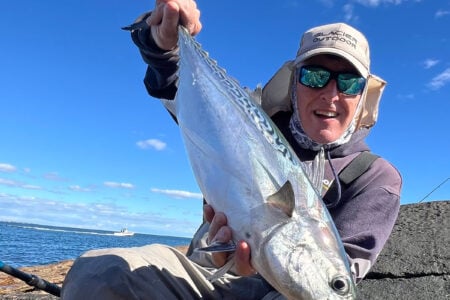
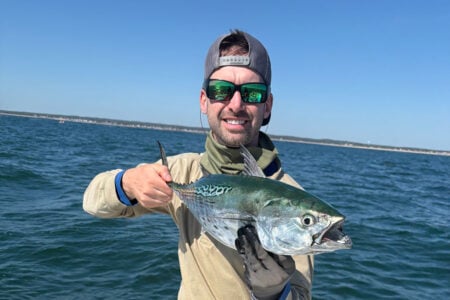
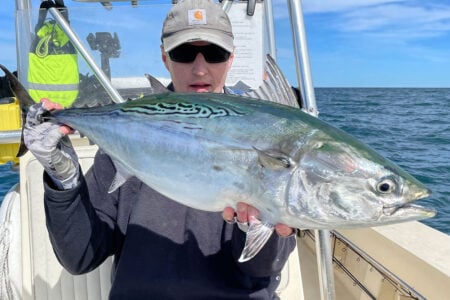
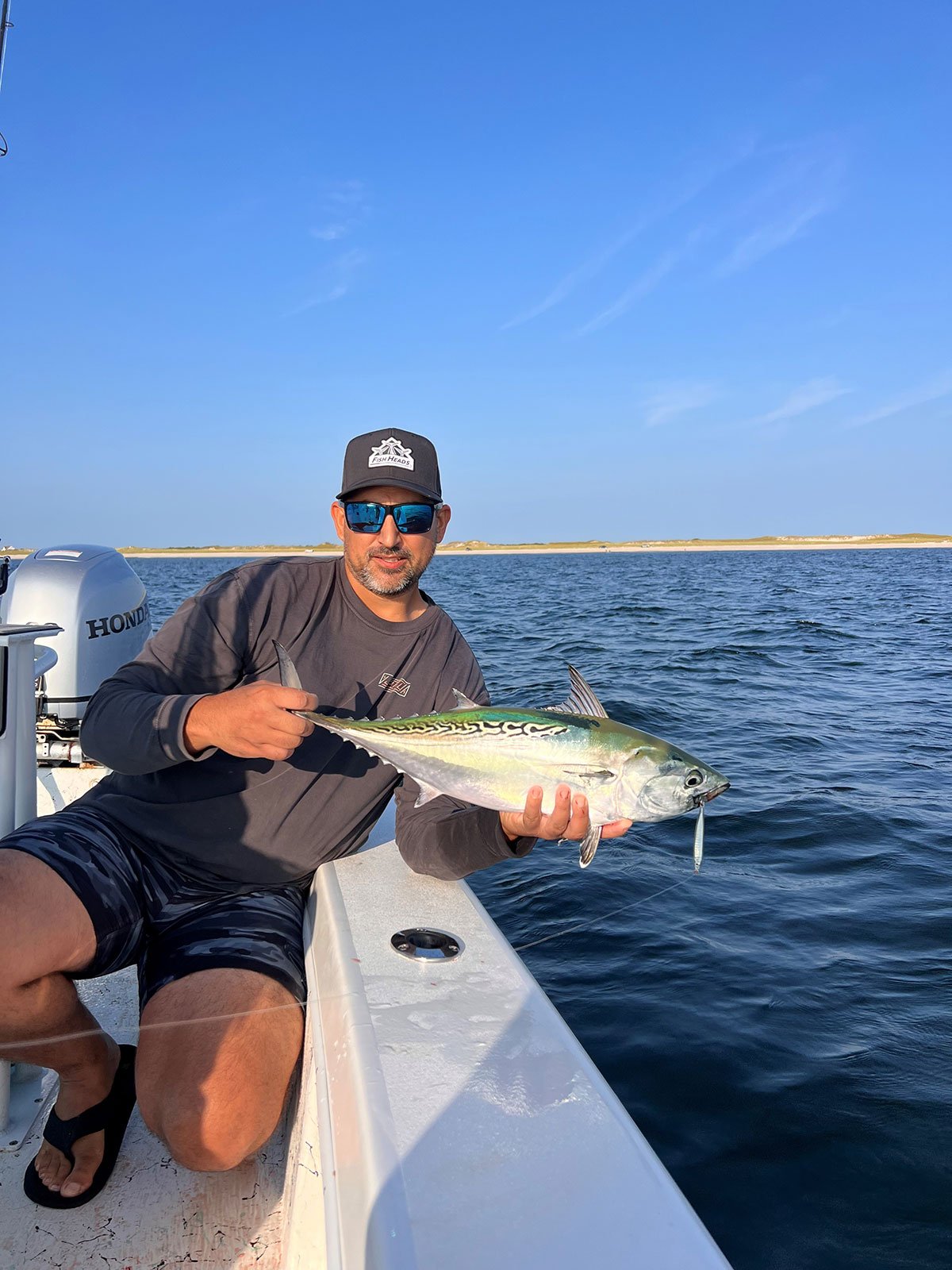
As August begins to wind down into the early days of September, we should hopefully see a huge invasion of false albacore ranging anywhere from 5 to 6 pounds popping up along Jersey Shore beaches and nearshore waters, with boaters and surfcasters alike getting a chance at these fish using light tackle spinning gear and fly rods.
In addition to the albies, you can also expect a good mix of bonito and Spanish mackerel in the feeds as well.
Let’s Talk Timing
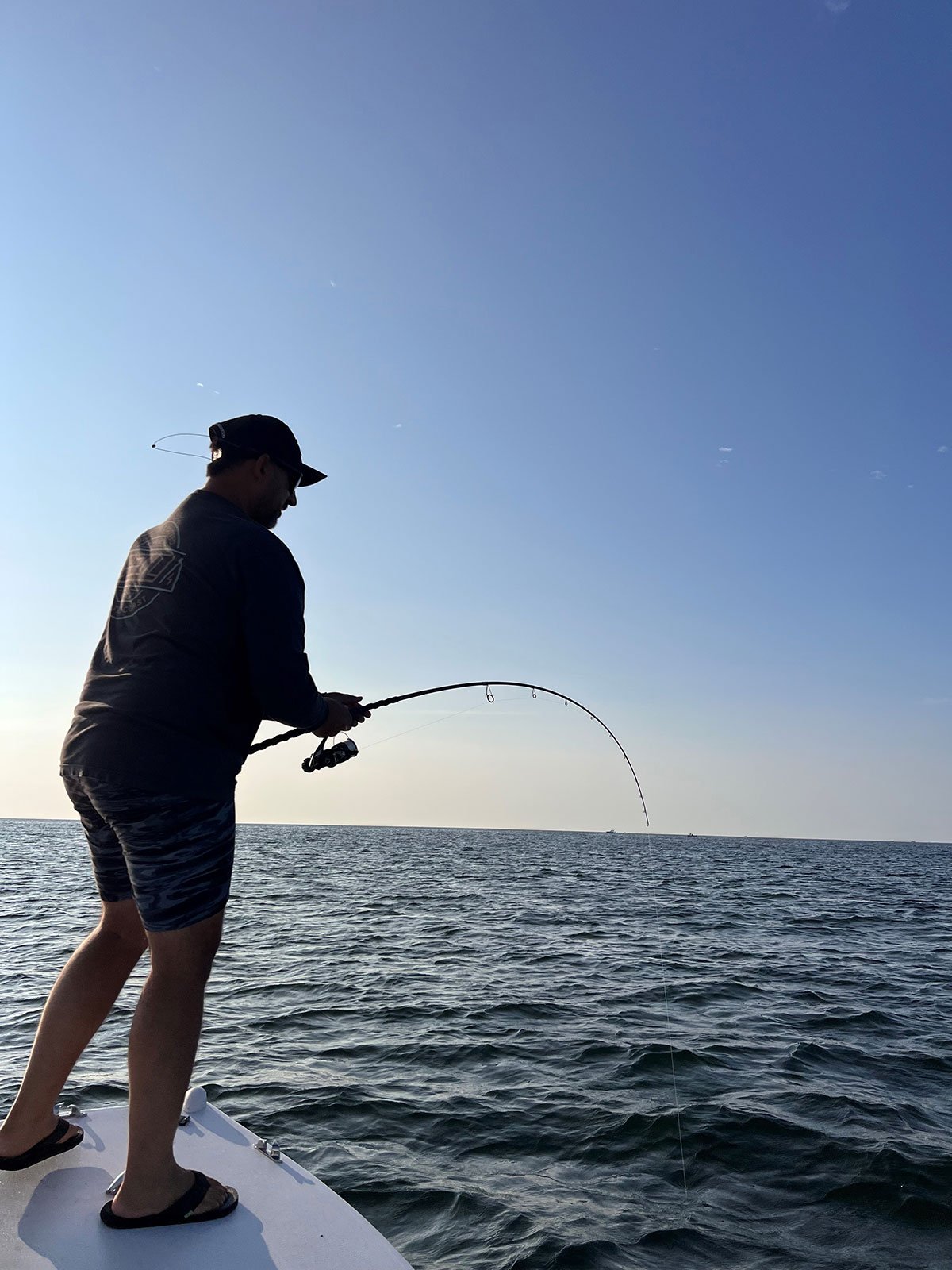
There’s always that late summer storm that throws a big swell from the Northeast with rain and wind for several days, pushing in bait from offshore. With that heave comes an army of false albacore, Aka albies, speed demons of the inshore pelagics, claiming residence for a few days to feed on bait to fuel up on their long journey back south for the winter. Yes, I said “a few days,” because my experience has been that the window seems to be getting shorter each year. We can see them for about 5 to 8 days In the late August into the beginning of September, pushing bait around with insane feeds whenever conditions are right
There three window options to find these albies, one being the early morning just as the sun starts to come up where you typically get 1 to 2 hours to get on this fish. Then the boat traffic intensifies, shutting down the bite as the albies spook like ghosts in the night. The next window comes around mid-day as these speedsters pop up in small groups when bait comes back to the surface.
You may get another shot in between during slower, afternoon boat traffic, but the third primary window comes near sundown. This is the magic hour, typically 1 to 2 hours before sunset when false albacore ramp up pretty hard. This is typically the best chance to go gunning for them; with the sun lower in the sky they seem to just eat anything you throw at them making it a little easier to target.
Light Tackle Gear
Targeting these little tunny is relatively simple; there’s no need to over think it. You will need a standard light tackle rod and reel setup:
Rod: 7- to 8-foot Fast Action to Moderate
Reel: 3,000 or 4,000 size spinning reel
Main Line: 10- to 20-pound braid
Leader: 15- to 20-pound fluorocarbon
My personal favorite setup is a 7-foot, 3-inch Century Weapon Jr Wrecker with a 4,000 Shimano Stradic spooled with 20-pound Cortland braid along with a 3-foot stretch of 20-pound fluoro. I like using my Century because it is a fast tip with a moderate bend when fighting a fish; it just makes it super fun on light tackle.
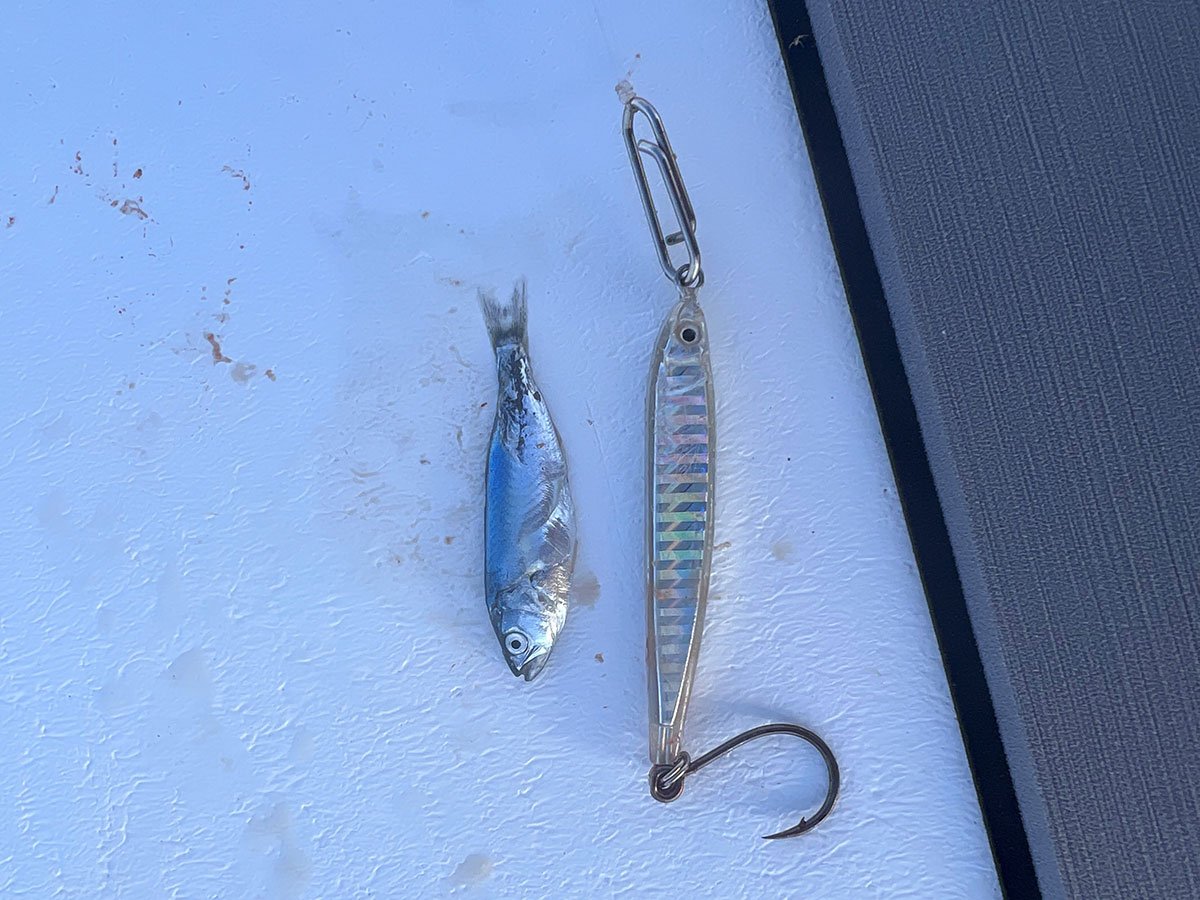
Connect your main line to your leader with the knot of your choice, and then tie direct to your jig, like RonZ, UVT or Hogy Epoxy jigs ranging in size from 3/4 to 2 ounces.
False Albie Tactics
Your first key to success is identifying the right albie feed, looking specifically for birds feeding on bait and with a lot of commotion. You never want to approach a feed too fast as you will spook the fish and bait. A slow roll-up with the boat is key as you want to identify what they are feeding on and also the direction they are moving.
Once you’re able to see how there moving and what they are feeding on then you can make your first cast into the feed. At this point, this is what we call albie fever your adrenaline will be racing wild just from the sheer pure joy of fish boiling on top feeding on bait.
| TAG & BRAG |
| There’s really not a lot of data on false albacore, so getting involved with a fish tagging program is a good investment in the future. For example, we do know where they go in the winter months but there still isn’t enough data and to know exactly what’s going on with them. That’s why I teamed up with Gray Fishtag Research to start tagging the little tunny to help collect data as it is a big part of conservation as it will increase awareness and interest to the future anglers . This will also help provide data for the future, should future problems arise resulting in the need for regulatory controls.
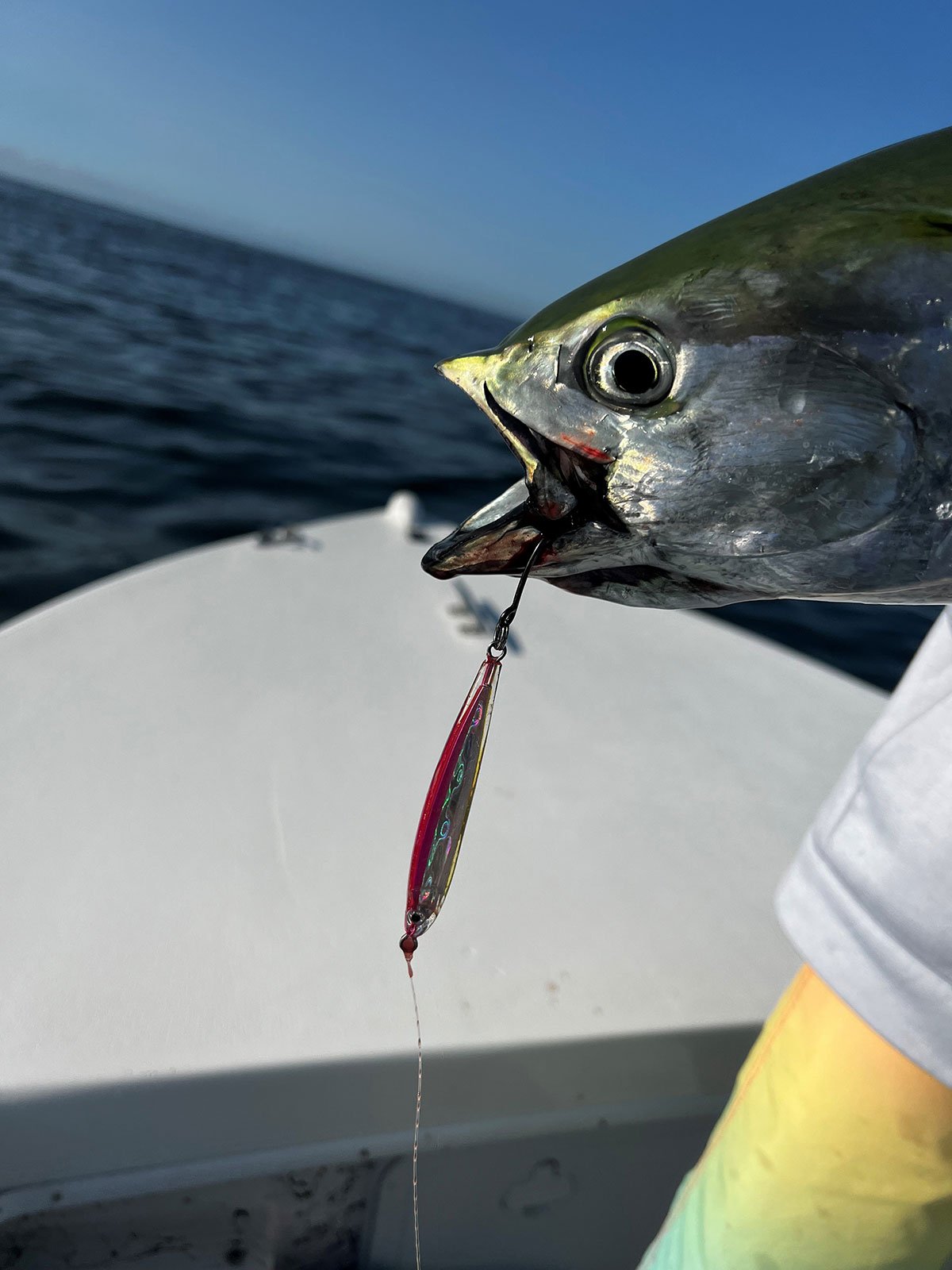
Not known for their edibility, just about all false albacore are released; but it’s also important that you do it right. Once you have landed the fish immediately remove the lure and release them by throwing them back head first to provide that rush of oxygenated water across their gills, as there are a pretty fragile fish. – R. Crossley |
Pinpointing your casts into the feed or the surrounding areas is best; perfect lure placement is everything. Once the lure hits the water you will need to immediately start to reel a medium to fast retrieve as you create chaos on top of the water with your jig, skipping it along the surface acting like fleeing baitfish.
Albies are notoriously finicky fish, so choosing the right lure is also a big key to hooking up to these speed demons. Just like any other fish, you will need to match the hatch by finding out what they are eating and selecting the right lure to size and color to match best. I find the epoxy style jig is best as it mimics the action and body of most baitfish the albies feed on. But with many other jigs like a Deadly Dick, ava jig, or even some soft plastics as they all work to help match the hatch. I find the best colors to choose from are pink, chartreuse, bone, or natural color to the bait.
I hope this helps as you pursue this species through the months of August and September, whenever and wherever they may pop up. It’s my favorite inshore pelagic fish to target in late summer and hopefully these tips and tactics help you hook up with these drag scramming fish.
Tight lines everyone!