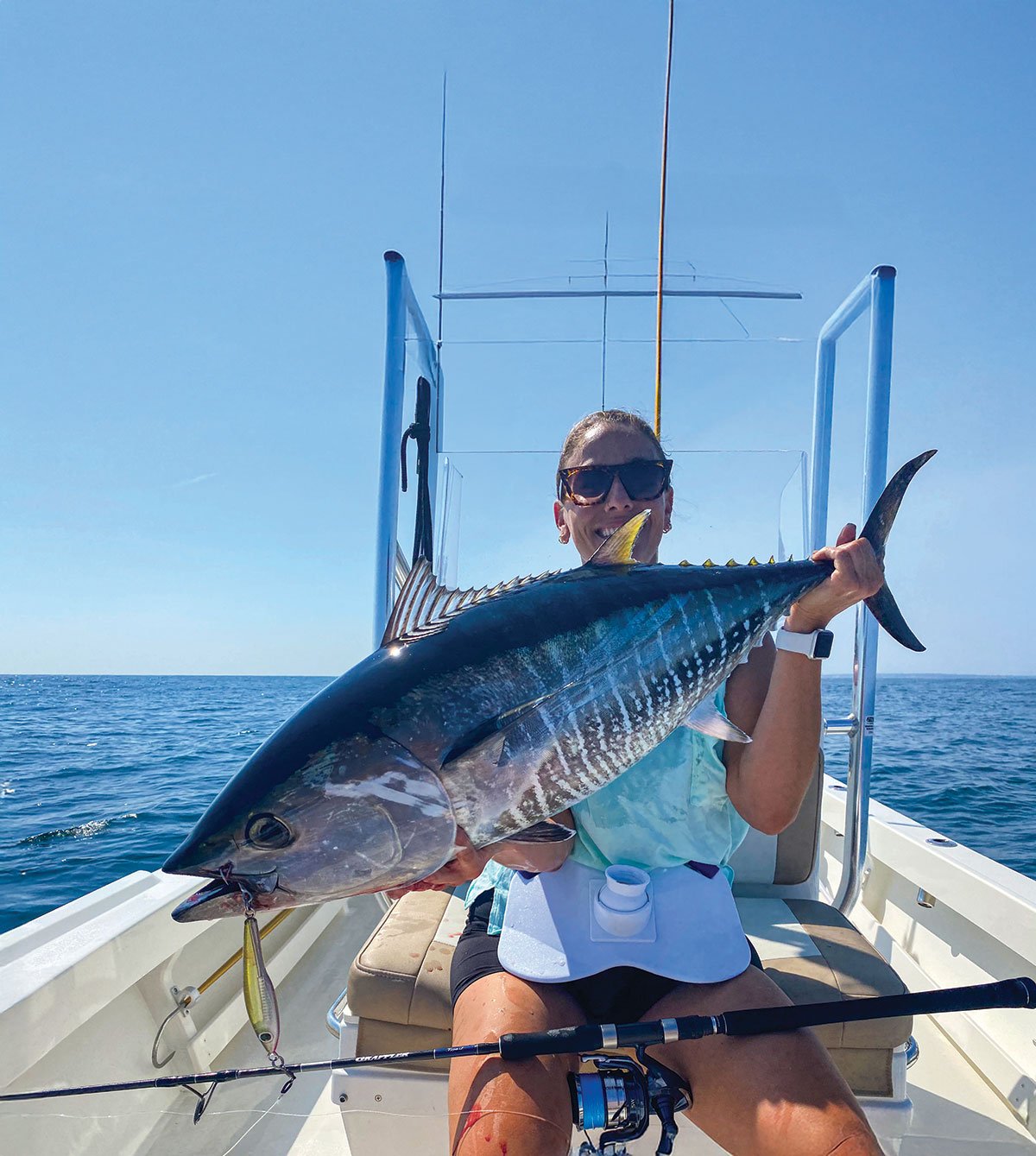
Heading offshore in a small boat demands planning, foresight, and respect for the sea.
Fishing offshore in a smaller boat can be both thrilling and intimidating. For some, it’s a milestone—finally pushing past the inlet aboard your own center console or dual console. For others, it’s a serious endeavor that demands discipline, caution, and preparation. No matter your level of excitement or experience, heading offshore in a small boat requires more than just confidence—it demands planning, foresight, and respect for the sea.
There’s an old saying that “all big fish are caught the night before.” Whether you’re on a 60-foot sportfisher or a 24-foot open bow, that sentiment rings true. On a small vessel, however, prepwork isn’t just helpful—it’s everything. From safety systems to tackle layout, every detail can be the difference between a legendary trip and a problem offshore.
And when you’re 60 miles from port and a squall rolls in, trust me, you’ll wish you had over-prepared.
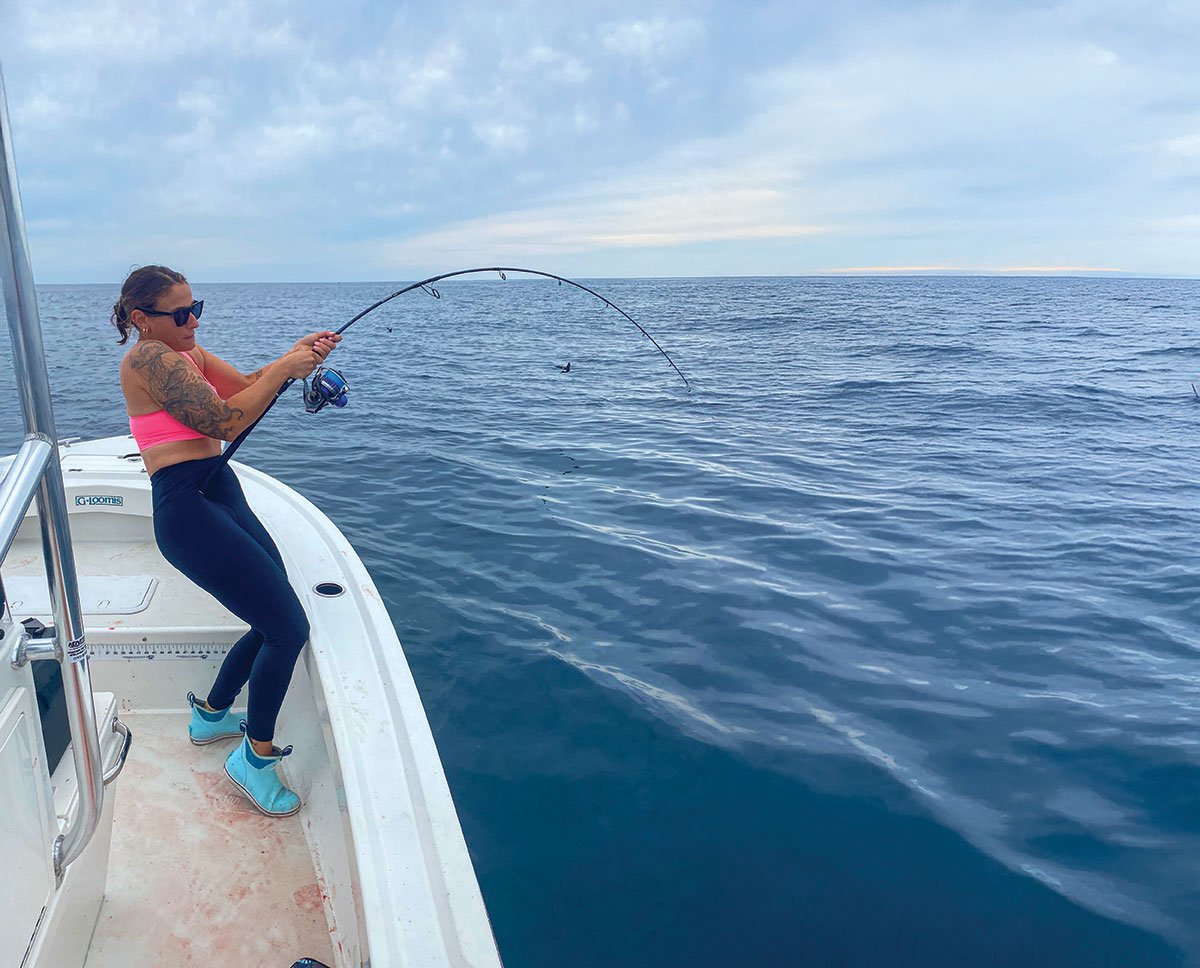
Safety First
Let’s define a “small boat” as anything under 30 feet, most commonly center consoles, dual consoles, walkarounds, or cuddy cabins. These versatile hulls offer access to big water, but demand a thoughtful approach when running offshore.
Regardless of your setup, your vessel should be outfitted with all the safety gear you’d find on a big sportfisher, and then some. Start with the Coast Guard-required basics including life jackets, flares, horn, throwables, fire extinguisher, navigation lights, and a functioning VHF radio. But if you’re heading beyond sight of land, it’s wise to build redundancy into your safety plan.
| ICE, STORAGE & FISH CARE |
| Fish bags are a game changer for small boats. I use a large Reliable bag that stows in a front hatch until I need it. The general rule, 1-pound of ice per pound of fish. You’ll be shocked how much you need if you put three 50-pound yellowfin in the boat. Frozen jugs work well as base cooling. Layer your fish with flake ice on top. Drain the meltwater periodically to prevent your fillets from soaking. After all the fuel and time invested, don’t let your fish spoil. Keep your kill fresh and firm – it’s what sets serious crews apart. |
Some high-priority add-ons I keep onboard include:
EPIRB or PLB: These GPS-enabled emergency beacons ping satellites with your location in a mayday scenario. Many modern EPIRBs self-activate when submerged.
Flare gun: Visible for miles in clear air and far more noticeable than handheld flares.
Bolt cutters: Hooks in hands happen more than you’d think offshore, and you’ll be glad you packed these.
Jump pack: A compact lithium battery booster that can get your motor fired up when your starting battery fails.
Handheld VHF: If your console unit goes down or the batteries drain, this is your communication lifeline.
And don’t overlook the simple stuff. Foul weather gear, extra water, sunscreen, backup GPS (even a smartphone with Navionics), and a waterproof ditch bag with essentials in one place. Run your safety checklist like your life depends on it, because it does.
Picking Your Window
With your safety squared away, the next step is knowing when to go. This is where patience and experience matter most. Weather is your single biggest variable offshore, and in a small boat, it’s even more consequential.
I personally avoid heading offshore unless the NOAA marine forecast shows sustained calm seas (ideally 1 to 2 feet) with a long-period swell. Avoid anything with gusty winds over 15 knots, short-period chop, or thunderstorms in the area. Always crosscheck multiple forecasts – NOAA, Windy, Buoyweather, and local surf cams – to confirm the window. Tide timing also plays a role. Leaving and inlet can be dicey when wind opposes the tide. Slack tide at sunrise is your best bet to ease through the cut in fair conditions.
Know Where To Go
Early season offshore action typically centers around temperature breaks, chlorophyll edges, and structure. Resources like FishTrack, Hilton’s, and Navionics+ overlays are key for narrowing your search. Tuna, especially yellowfin, bluefin, and longfin, often follow bait concentrations along these edges. Water color can tell you a lot: cobalt blue often signals cleaner, pelagic-rich waters, while green-brown transition zones hold bait. If you’re fishing in a 23- to 28-foot center console, the midshore grounds are a logical target – anywhere from 15 to 40 miles – and even spots along the 20-fathom line offer productive waters without needing to hit the full canyons.
Another tip – never underestimate local intel. If you’ve got a buddy who fished the day before and saw life – bait, whales, or slicks – follow up. Tuna swim, but if they’ve found a food source, they’ll often hang around for days. Radios matter here.
Choose Your Crew Wisely
| GOT QUESTIONS? |
| I love hearing from readers, if you’re rigging for your first trip or want feedback on a loadout plan, feel free to message me directly on Instagram @EastEndAngler or email eastendanglers@gmail.com. I’m always happy to talk shop and help more small boaters get offshore safely. |
On a small boat, crew dynamics matter even more than they do on a big boat. With limited space and longer runs, you want people who are competent, reliable, and not prone to panic or seasickness. I try to limit my crew to three or four on my rig. More than that and it’s ‘sardine city’ especially with gear, beanbags, and coolers. Assign roles before the trip: who’s rigging, who’s watching the spread, who’s clearing rods, who’s on the gaff.
You also want to factor weight. With fuel, ice, tackle, and bodies, it’s easy to overload. This is where the “Rule of Thirds” for fuel comes in: 1/3 of your tank to get out, 1/3 to get back, and 1/3 as backup. That reserve will feel like a gift if you have to run wide to find the fish or encounter a fuel-thirsty sea state.

Tackle Smart, Pack Light
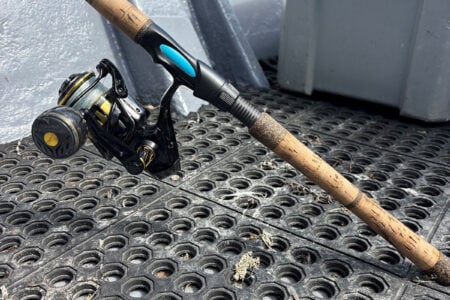
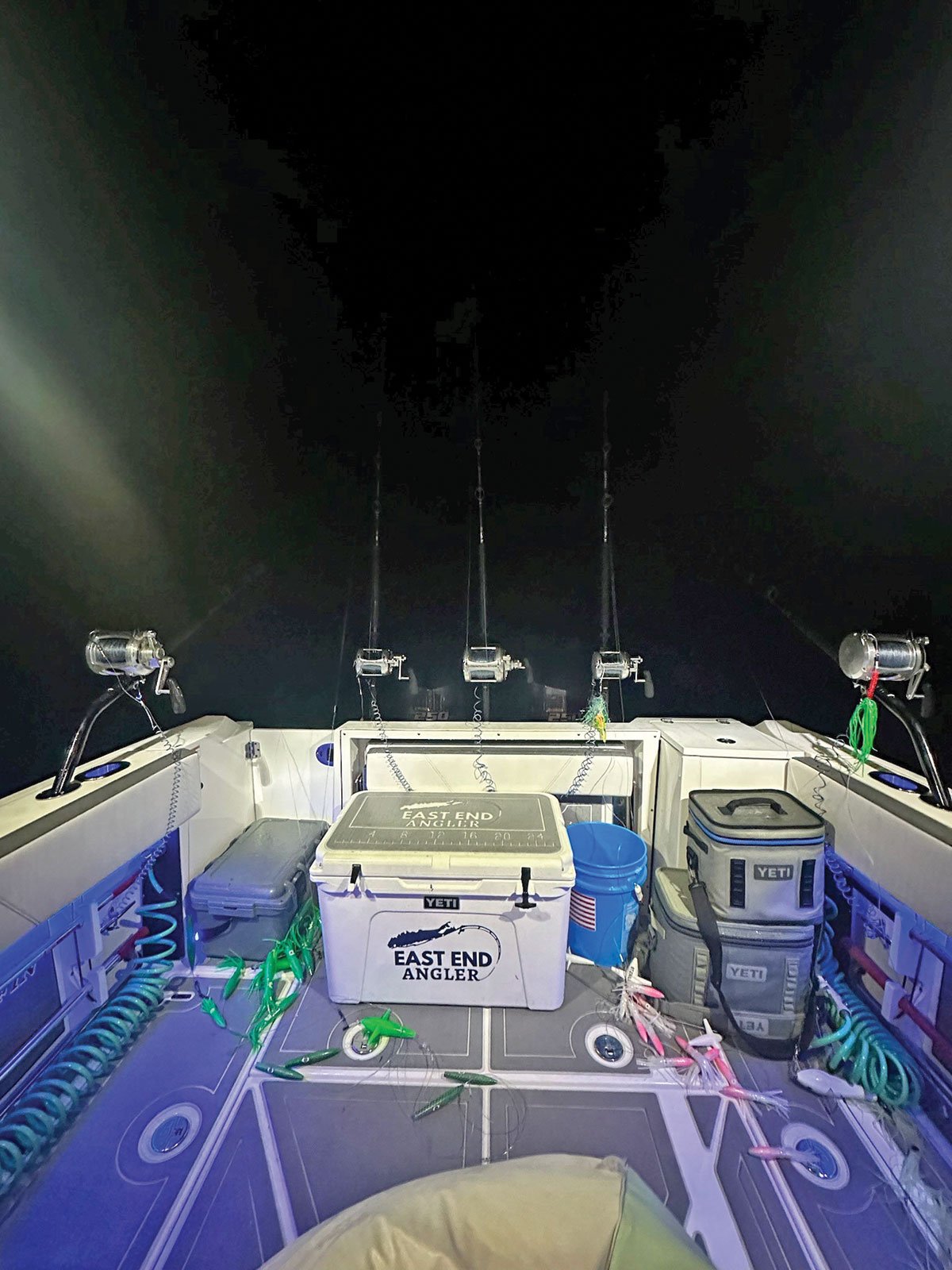
You don’t need 20 rods and six totes of lures. In fact, space is your most precious commodity. Stick to a five- to seven-rod trolling spread, depending on the beam and layout of your cockpit. Outriggerless setups using Sidetracker bars and bird bars will help you cover a wide swath of water. Plugs like Nomads and Rapala X-Raps can run off flatlines. Daisy chains and Joe Shute ballyhoo rigs are standard fare. As for lures, variety beats bulk. Don’t bring five of the same color spreader bar. Instead, pack one green, one rainbow, one purple/black, and one fire red. Carry just enough terminal gear to re-rig and repair on the fly; and keep a compact rigging kit onboard as well.
Bring two jig-and-pop setups, max. If you’re stopping on topwater or run into mahi around lobster pots, those rods come into play. Mount trident rod holders or add a rocket launcher on the hardtop to stash them up and out of the way.
Building Experience
If you’re just getting into offshore fishing in a small boat, start with a calm-day run to the midshore grounds. Learn your boat, your electronics, and how your hull handles following seas. Do dry runs during the day. Practice leaving the inlet. Know what your VHF sounds like. Run man-overboard drills with a buoy. Familiarize yourself with your radar, autopilot, and fishfinder. Log your fuel burn on different days. Once you build confidence, then consider a canyon trip—ideally with another buddy boat and a clear float plan.
Above all, stay calm and stay organized. Offshore fishing can be one of the most rewarding pursuits on the water, but it’s not forgiving. Mother Nature doesn’t care about your GoPro or your freezer space. No tuna is worth your life.
| FIRST TRIP OFFSHORE? |
|