Until such time as there is live sonar for the surfcaster, cerebral cartography is our best tool.
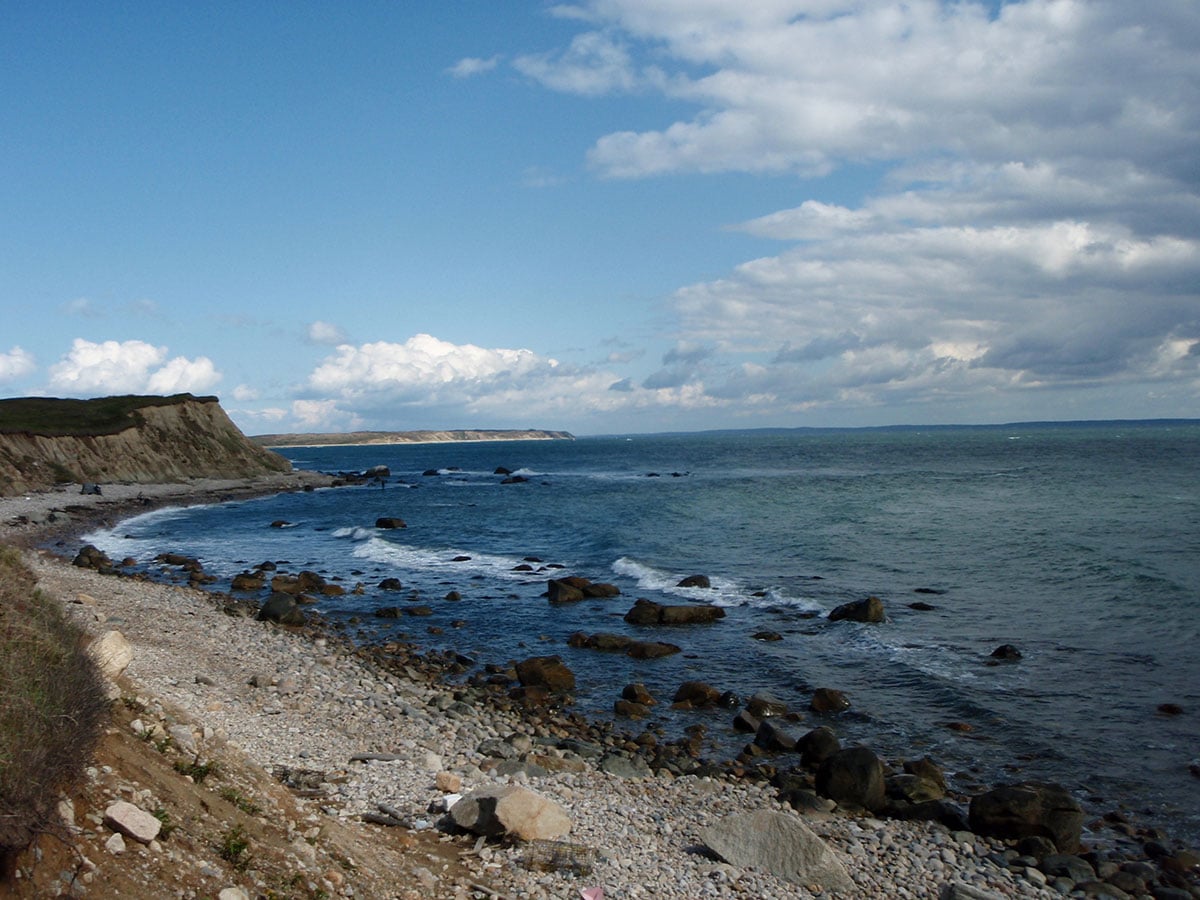
I like to think that I have a pretty in-depth understanding of the bottom composition and layout of most every place I surf fish. At one point in time, I boasted that I had snorkeled every one of my surf spots by day. And while that was almost completely true at the time, modern life no longer affords me this luxury. While I retain much of the knowledge gleaned from those daylight dives at several spots that I still frequent, it has been quite a few years since I donned a mask and snorkel, and I have added many new spots to my arsenal in that time. While there is that firsthand visual gap in my underwater mental mapping, I still have a pretty darn good mental picture of what the bottom looks like at my favorite surf fishing spots.
When a spot gets added to my regular rotation, I do my best to decipher every nuance of the spot. I use programs like Navionics and Google Earth to begin building a preliminary idea of what things look like below the surface of the water, but those programs are unable to provide the granular data I seek. While on the water, I constantly observe and take note of how the surface cues changes throughout the tide, and how this is affected under varying conditions. I look for signs of seams and breaks, upwellings and flats, all giveaways to what lies below the water’s surface. I take note of how these signs change and evolve depending on moon phase, wind speed and direction, tide height, and so on. Some of this gets added to my physical logbook, some of it gets stashed in the part of my brain dedicated to fishing memories, it all gets added to the mental picture I create which maps a personal collection of striper hot spots I have come to know and love.
My mental map is always evolving and being updated. I build into this mental map information on how certain lures can and cannot be fished throughout the landscape under varying conditions. Lure selection is then based on this information and evolves over time and throughout the course of a session to make my time spent casting as efficient as possible. I determine that at certain stages of the tide I can get away with fishing a specific weight jighead or diving depth plug without getting hopelessly hung on the bottom. I keep track of how different casting positions, retrieve rates, swing times, and rod angles alter lure viability.
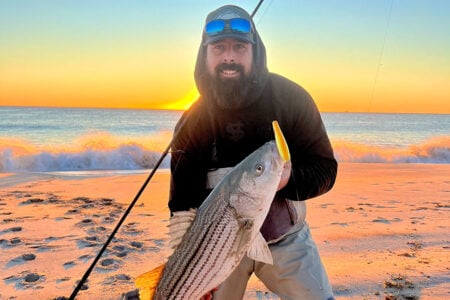
When I get a hit, I do my best to determine where in the water it occurred, not just water depth but the exact coordinates of the hit to determine its three-dimensional location. I take note of what lure I was throwing, where I made the cast that led to the hit, and how my lure approached the fish – speed, orientation above, below, across, etc. Upon releasing the fish, I attempt to duplicate the previous success as closely as possible. If no hit is replicated, I adjust subsequent casts to determine what might have changed. If success is repeated, I adjust those subsequent casts to see if the results can be improved upon.
Following any hits, I cross reference this new data point with my existing mental map. I try to determine what is in the water at that exact spot that held the fish and allowed me to present my lure to it and find success. If I am already aware of something there – for instance, a rock – I compare past successes and failures to see if there is a trend or if there is something new to learn. If success was had in a new spot, I dive deeper into what produced the desired results and what I might have missed in the past to overlook it.
My mental map will never be 100% accurate, but I strive to make it as close to a live sonar image as my cerebral CPU can produce.