Building a Custom JYG Pro Tribute Slow-Pitch Rod
Slow-pitch jigging has steadily grown from a niche offshore technique into one of the most effective and enjoyable ways to target a wide range of species. What started as a specialized method for deepwater bottom fish has evolved into a versatile approach capable of fooling everything from striped bass and bluefish to sea bass, tilefish, tuna and even cod. As the technique has evolved, so too has the equipment required to do it properly.
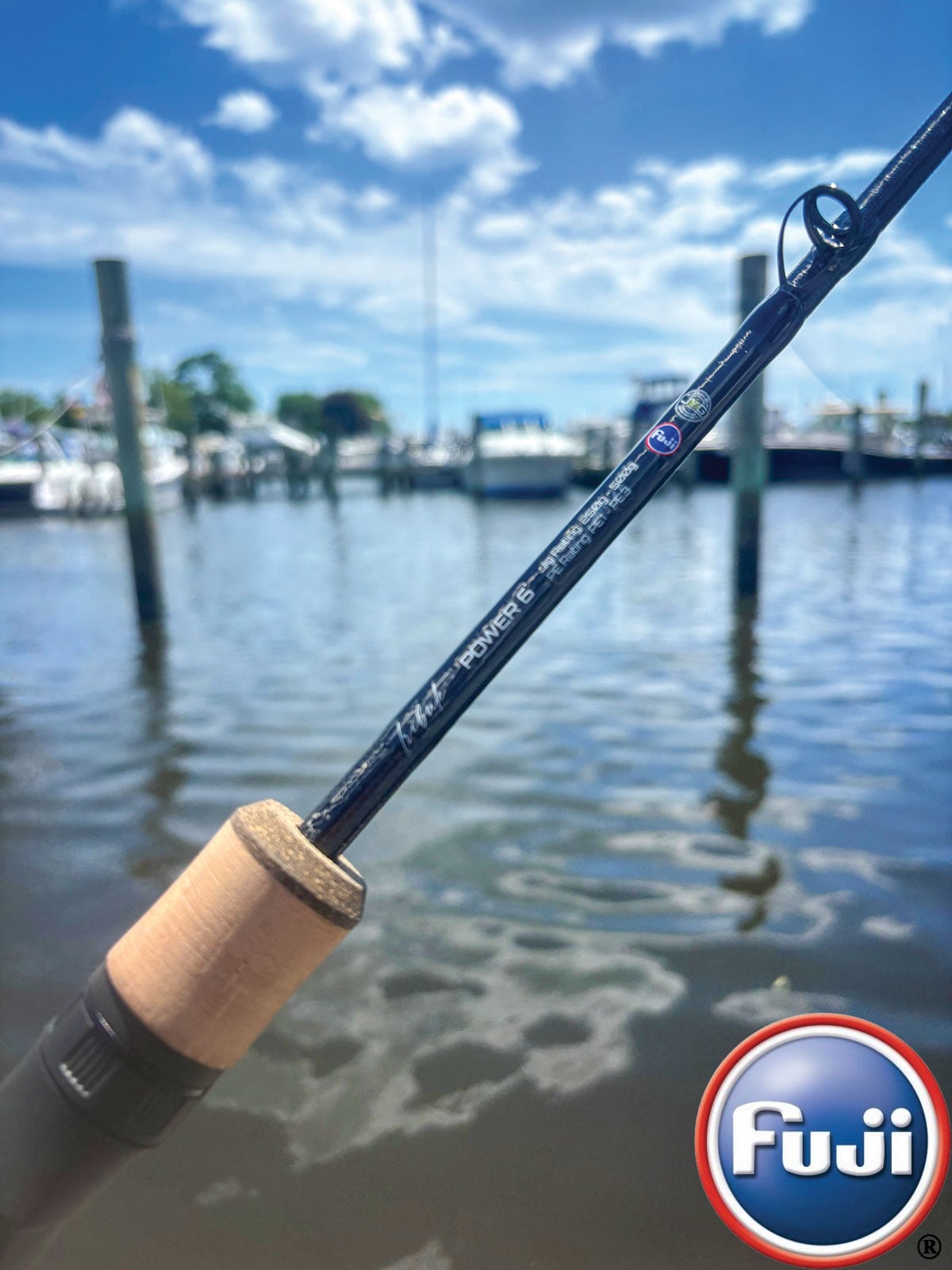
With that in mind, I recently built a custom slow-pitch rod around the JYG Pro Tribute blank. The finished rod measures 6 feet, 3 inches and was designed as a versatile jigging tool capable of handling large striped bass, school-sized tuna, tilefish and a variety of other species.
While the rod is built specifically for slow-pitch jigging, its versatility allows it to cross over into numerous fisheries anglers encounter throughout the season.
Start With The Blank
The foundation of any custom rod starts with the blank, and the Tribute series immediately stood out for its blend of power, responsiveness and fishability. Slow-pitch rods are unique compared to conventional jigging rods because they are designed to impart action to the jig rather than simply lift and retrieve it. The blank loads throughout its length, storing energy during each lift of the rod before releasing it and allowing the jig to flutter naturally through the water column.
The JYG Pro Tribute series was developed specifically for slow-pitch applications, where lure action is often more important than raw lifting power. Unlike traditional jigging rods that rely on brute strength, a slow-pitch rod functions almost like a spring. Every lift loads the blank and every drop releases stored energy back into the jig.
One of the biggest misconceptions surrounding slow-pitch rods is that they lack power. The truth is that these rods distribute load differently than traditional jigging rods. Rather than relying on a stiff upper section, the entire blank works together to fight the fish. The result is a rod that feels surprisingly powerful while maintaining exceptional sensitivity.
Slow-Pitch Action
That controlled recoil is what makes slow-pitch jigging so effective. Instead of aggressively ripping a lure through the water, the angler is creating an erratic, wounded baitfish presentation. The jig falls, flutters, slides and darts in unpredictable directions. Predators often strike during the fall rather than the retrieve, making sensitivity one of the most important characteristics of the rod.
The 6-foot, 3-inch Tribute blank offers an excellent balance between lifting power and sensitivity. It is short enough to provide excellent leverage while fighting fish but retains enough length to properly work a jig throughout the water column. This length feels particularly comfortable whether you’re drifting structure for sea bass, targeting deepwater bottom fish or working jigs through schools of pelagic species.
When testing the rod, what stood out most was how easily it animated slow-pitch jigs. Even with minimal effort, the blank generated the crisp action necessary to make a jig come alive. That efficiency becomes especially important during long days when hundreds of drops can quickly wear down an angler.
The recovery speed of the blank is another critical factor. After each lift, the rod quickly snaps back into position, helping impart that characteristic fluttering action that makes slow-pitch jigging so productive. It is this combination of loading and recovery that separates a purpose-built slow-pitch rod from a standard jigging rod.
Why A Spiral Wrap?
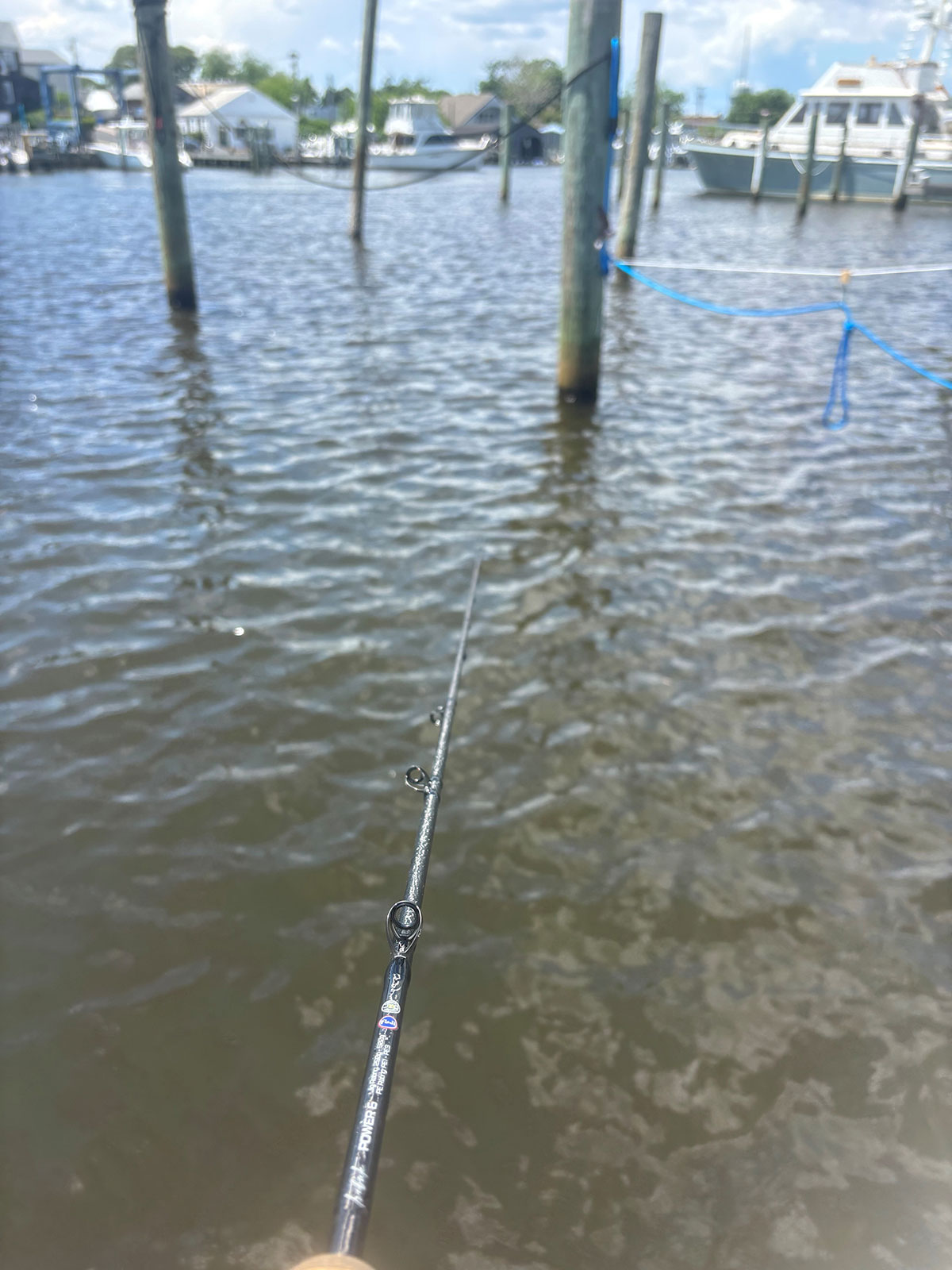
One of the most distinctive features of this build is its spiral-wrapped guide train. Sometimes referred to as an acid wrap, a spiral wrap transitions the line from the top of the rod to the bottom of the blank as it moves toward the tip. The guide layout begins conventionally before rotating the line around the blank and finishing with all running guides located on the underside of the rod.
For anglers unfamiliar with spiral wraps, the concept can seem unusual at first glance. However, the benefits become obvious once a fish is hooked. Traditional conventional rods place the guides on top of the blank. Under heavy load, the rod naturally wants to twist. That twisting force can be tiring on the angler and creates unnecessary stress on the blank.
A spiral wrap virtually eliminates that torque. Once the line transitions beneath the blank, the rod remains stable under load. The result is a rod that feels lighter in the hand, tracks straighter while fighting fish and allows anglers to apply pressure more efficiently.
For slow-pitch jigging specifically, this stability is a major advantage. Since anglers are constantly working the rod, anything that reduces fatigue and improves efficiency becomes a worthwhile upgrade.
The spiral wrap also enhances fish-fighting comfort. Larger fish can create significant side pressure on a rod, particularly when they circle beneath the boat. By eliminating the tendency for the blank to roll, the rod remains more comfortable and predictable throughout the fight.
The Guide Train
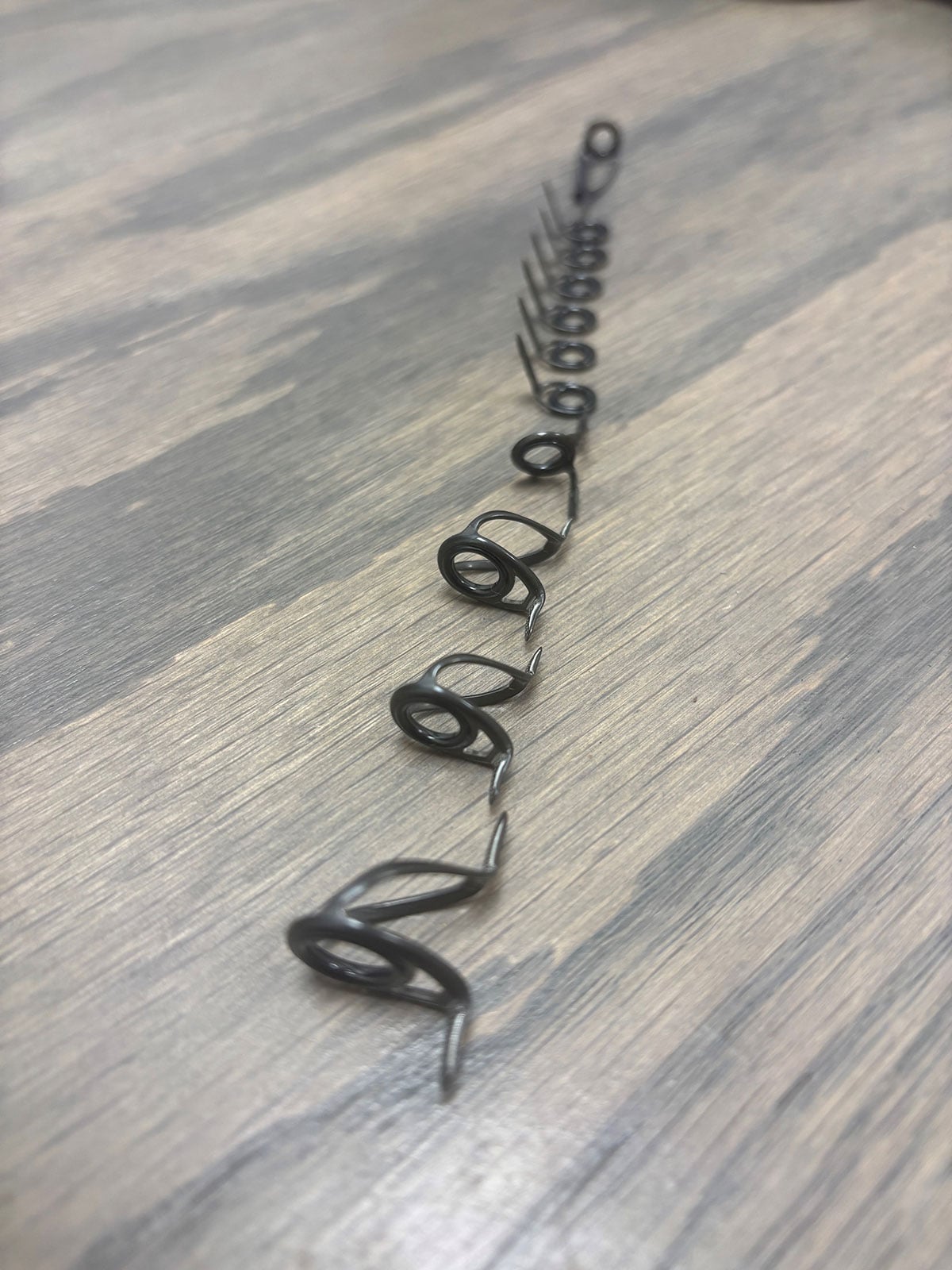
For this build, I followed the JYG Pro recommended guide spacing using a combination of Fuji KT, KB and KW guides. The guide train starts with lightweight KT running guides near the tip before transitioning into stronger KB guides and ultimately larger double-foot KW guides closer to the reel seat.
The guide progression serves several purposes. The lighter guides toward the tip help preserve the blank’s action and responsiveness. Excess weight near the tip can dramatically alter the performance of a slow-pitch rod, reducing its ability to properly animate a jig. The stronger guides farther down the blank provide durability and strength where it is needed most.
Because slow-pitch rods are designed around sensitivity and recovery speed, every component choice matters. Keeping weight to a minimum allows the blank to perform exactly as intended.
Fuji’s reputation for quality and durability made the guide selection straightforward. The combination offers a good balance between weight savings and long-term reliability, ensuring the rod remains dependable season after season.
Heart Of The Build
Another key component of the build is the Fuji PULSMPJK17 reel seat. Designed specifically with slow-pitch jigging in mind, the reel seat provides exceptional comfort while allowing direct contact with the blank.
This placement proved ideal during testing. The rod balances well with modern compact conventional reels and allows anglers to comfortably work jigs throughout an entire tide without excessive fatigue.
The compact design also keeps the reel close to the angler’s body, improving leverage and helping maintain better control throughout the jigging motion.
Balance is one of the most overlooked aspects of rod design. A perfectly balanced rod feels lighter than its actual weight and allows anglers to fish longer without discomfort. This build achieves that balance exceptionally well.
Small Details Matter
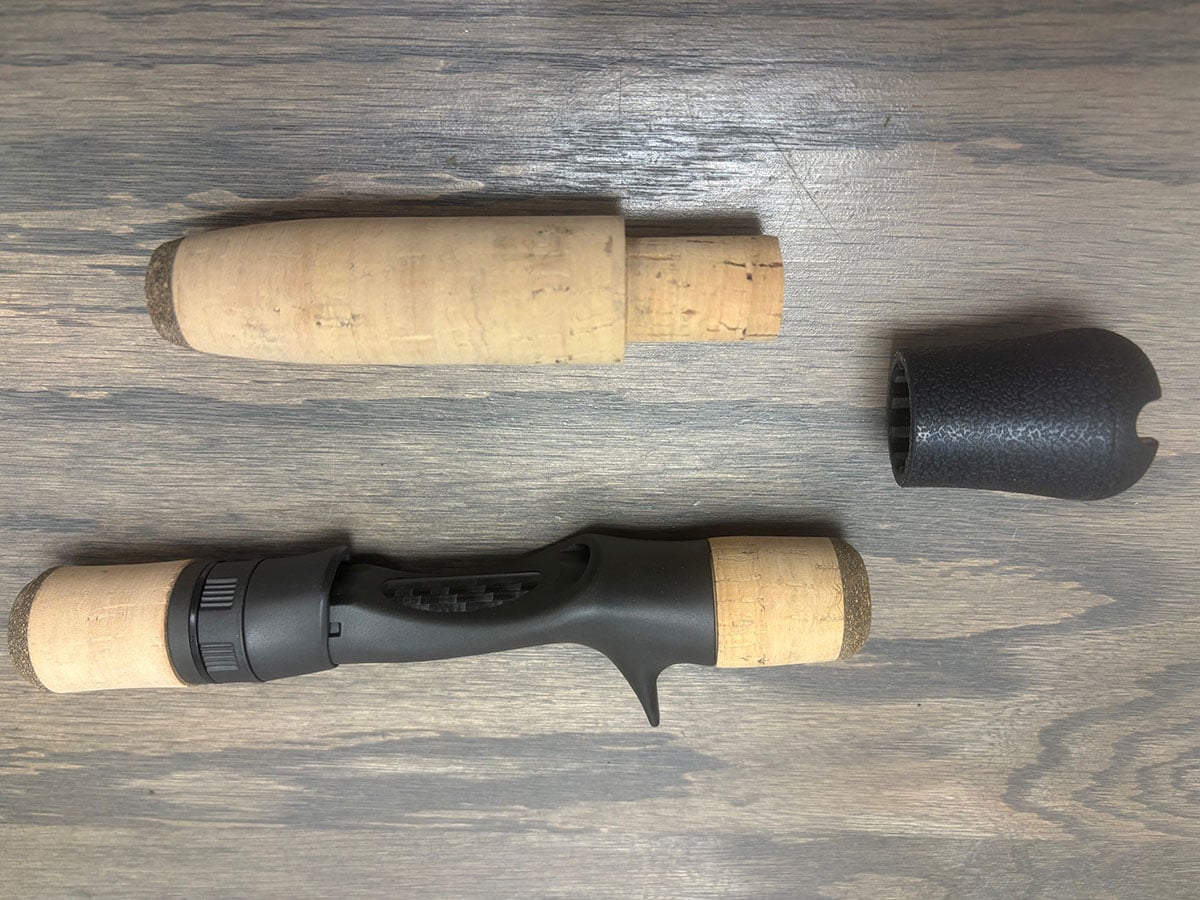
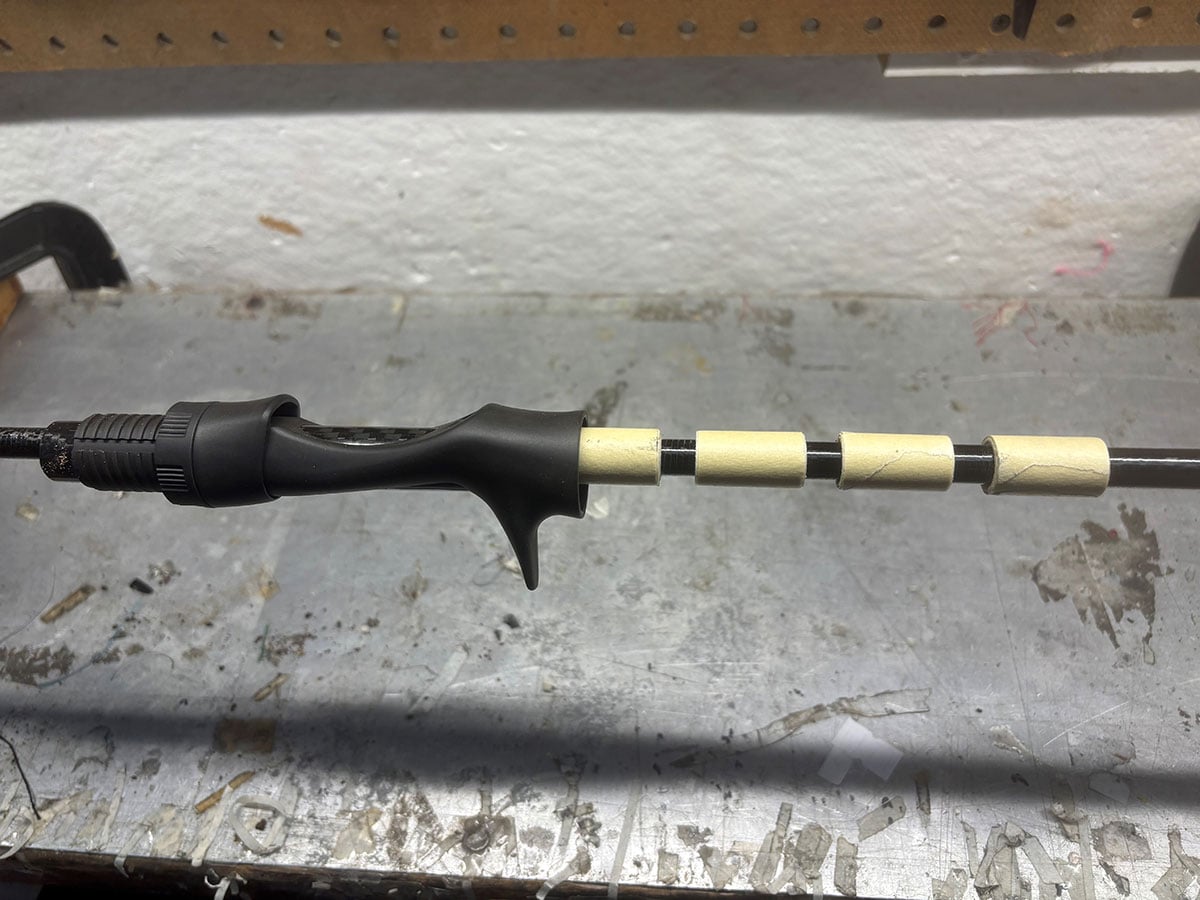
The grip configuration follows the minimalist approach favored by many jigging enthusiasts. A short foregrip, compact rear grip and customizable butt section create a lightweight package that maximizes sensitivity while maintaining comfort.
For the butt section, anglers can tailor the length to their personal preference. A shorter butt tends to work well when actively jigging all day, while a slightly longer butt can provide additional leverage when fighting larger fish.
The inclusion of a rubber gimbal butt cap is another smart touch. While not absolutely necessary, it helps the rod sit securely in rod holders and prevents the reel from rubbing against gunnels or other surfaces while underway.
These seemingly minor details contribute significantly to the overall fishability of the finished rod. Slow-pitch jigging is all about efficiency, comfort and maintaining a direct connection between the angler, the jig and the fish. Every component choice on this build was made with those goals in mind.
On the water, the rod performs exactly as intended. From inshore striped bass to deepwater bottom fish, the blank displayed the versatility that originally drew me to the build.
Many rods excel in a single fishery and struggle outside their intended purpose. The Tribute build felt different. It was equally comfortable fishing in moderate depths for bass as it was dropping into several hundred feet of water for bottom species.
What impressed me most was how adaptable the rod proved to be. By simply changing jig weight and presentation style, it could transition seamlessly from one fishery to another.
Species Breakdown
For striped bass, the blank proved exceptionally effective wherever vertical jigging opportunities exist. Working diamond jigs, flutter spoons and slow-pitch jigs through schools of feeding fish, the rod loaded smoothly and provided outstanding control.
Even fish pushing 30 to 40 pounds were handled with confidence. The rod’s forgiving action protected lighter braided lines while maintaining enough backbone to quickly turn larger fish.
The rod also excelled when fishing heavy flutter spoons beneath schools of feeding bass. Every movement of the lure could be felt, allowing subtle adjustments to cadence and retrieve speed.
For anglers targeting trophy-class bass, that combination of sensitivity and fish-fighting power is difficult to beat.
For school tuna, the Tribute build felt right at home. While not intended as a giant bluefin rod, it possesses more than enough lifting power for smaller bluefin, yellowfin, and other pelagic species commonly targeted with slow-pitch gear.
The spiral wrap becomes particularly noticeable during prolonged fights, keeping the rod stable and comfortable under heavy pressure. For anglers who occasionally encounter tuna while targeting other species, this rod provides plenty of versatility without requiring dedicated offshore tackle.
Perhaps the rod’s greatest strength is as a bottom-fishing tool. Tilefish, sea bass and cod anglers will immediately appreciate the sensitivity. Every tap, bump and subtle pickup transmits cleanly through the blank.
When fishing deep water where detecting bites can be challenging, that sensitivity becomes a major advantage. The rod keeps anglers connected to both the jig and the fish throughout the entire presentation. For tilefish in particular, the ability to detect subtle bites before a fish fully commits can mean the difference between success and frustration.
Sea bass anglers will also appreciate the rod’s ability to detect light pickups while maintaining enough lifting power to pull fish away from structure.
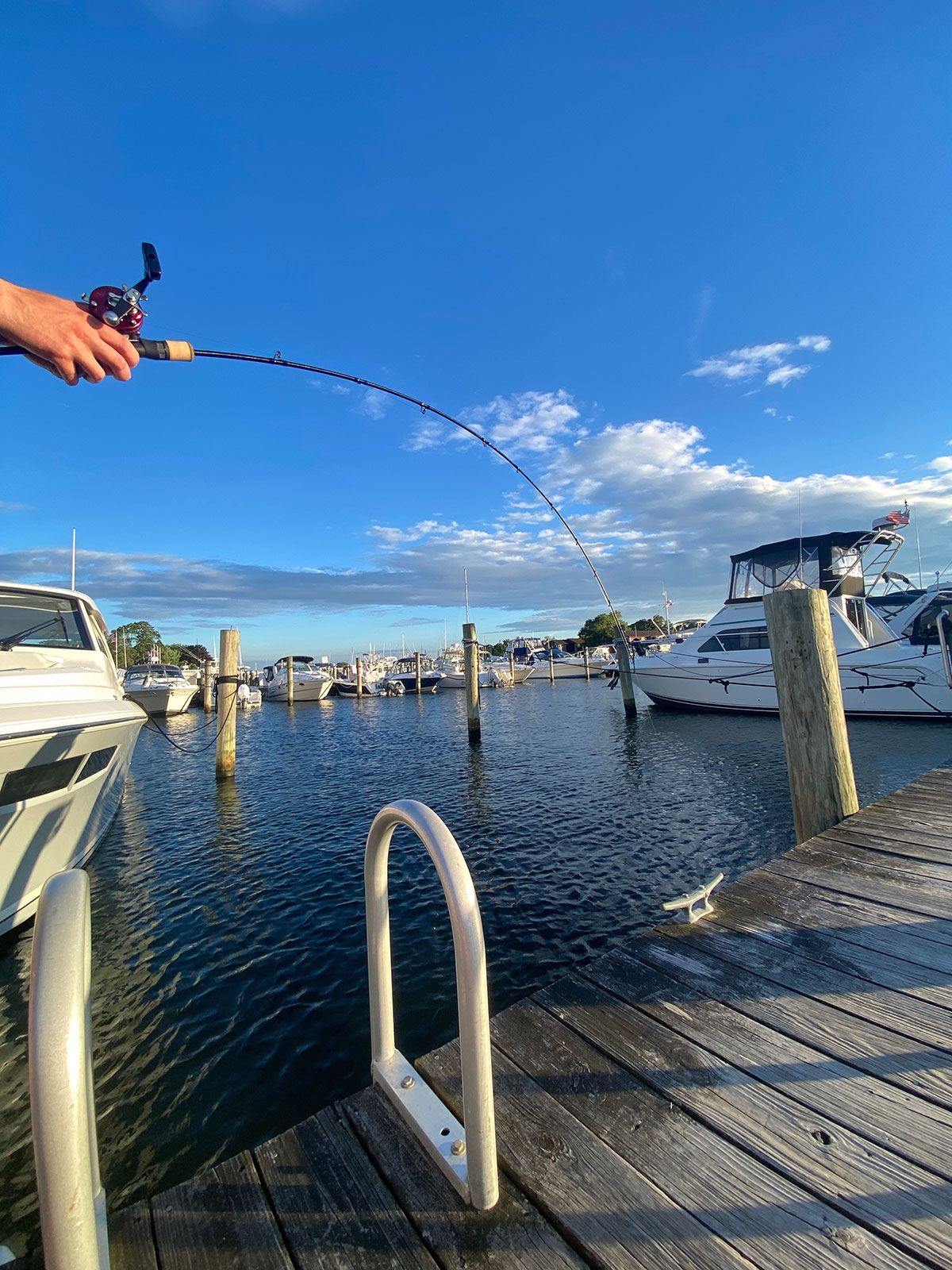
Built For Long Days
The rod also excels at reducing angler fatigue. Slow-pitch jigging is an active technique. You’re constantly lifting, dropping and working the rod. Equipment that feels heavy or unbalanced quickly becomes exhausting.
The lightweight guide train, compact handle configuration and efficient blank design all contribute to a rod that remains comfortable throughout long sessions.
After a full day on the water, that reduced fatigue becomes one of the rod’s most appreciated characteristics.
Custom rod building is ultimately about creating a tool that perfectly matches the angler and the intended fishery. While there are many excellent factory slow-pitch rods on the market today, building your own allows you to fine-tune every component.
From guide placement and handle length to reel seat position and grip material, every detail can be optimized for the specific type of fishing you do most often.
For rod builders, that’s part of the appeal. The finished product becomes more than just a fishing rod—it becomes a personalized tool designed around your exact needs.
This JYG Pro Tribute build combines the sensitivity required for true slow-pitch jigging with enough power to handle a remarkably diverse range of species. Whether you’re jigging striped bass, dropping for tilefish, targeting sea bass over structure or battling school-sized tuna, this rod feels equally at home.
As slow-pitch jigging continues to gain popularity, anglers are discovering that the technique is about much more than simply catching fish. It’s an engaging, hands-on style of fishing that transforms every drop into an opportunity. Having the right rod in your hands makes all the difference.
For anglers looking to build a versatile jigging rod capable of covering everything from inshore bass to offshore bottom fish and light tuna work, this custom JYG Pro Tribute build is proof that one rod can successfully bridge multiple fisheries without compromise.
| BUILD SPECS | ||||||||||||||||||||||||||||||||||||
Guide Layout (Tip to Butt)
Spiral Wrap Configuration
Handle Layout
Butt Assembly
|