Artificial crabs are a productive option for shallow early-season tog.
There are certain things in fishing that most of us accept as fact simply because they have worked for so long. When it comes to tautog, one of those “rules” is that you need a real crab on the hook. Green crabs, Asian crabs and white-leggers have accounted for countless blackfish over the years, and I’m certainly not going to argue against carrying a bucket of the real thing. But lately I’ve been experimenting with an artificial crab, and after what I’ve seen, I’m convinced there is a legitimate place for soft-plastic crab imitations in the early-season tog game.
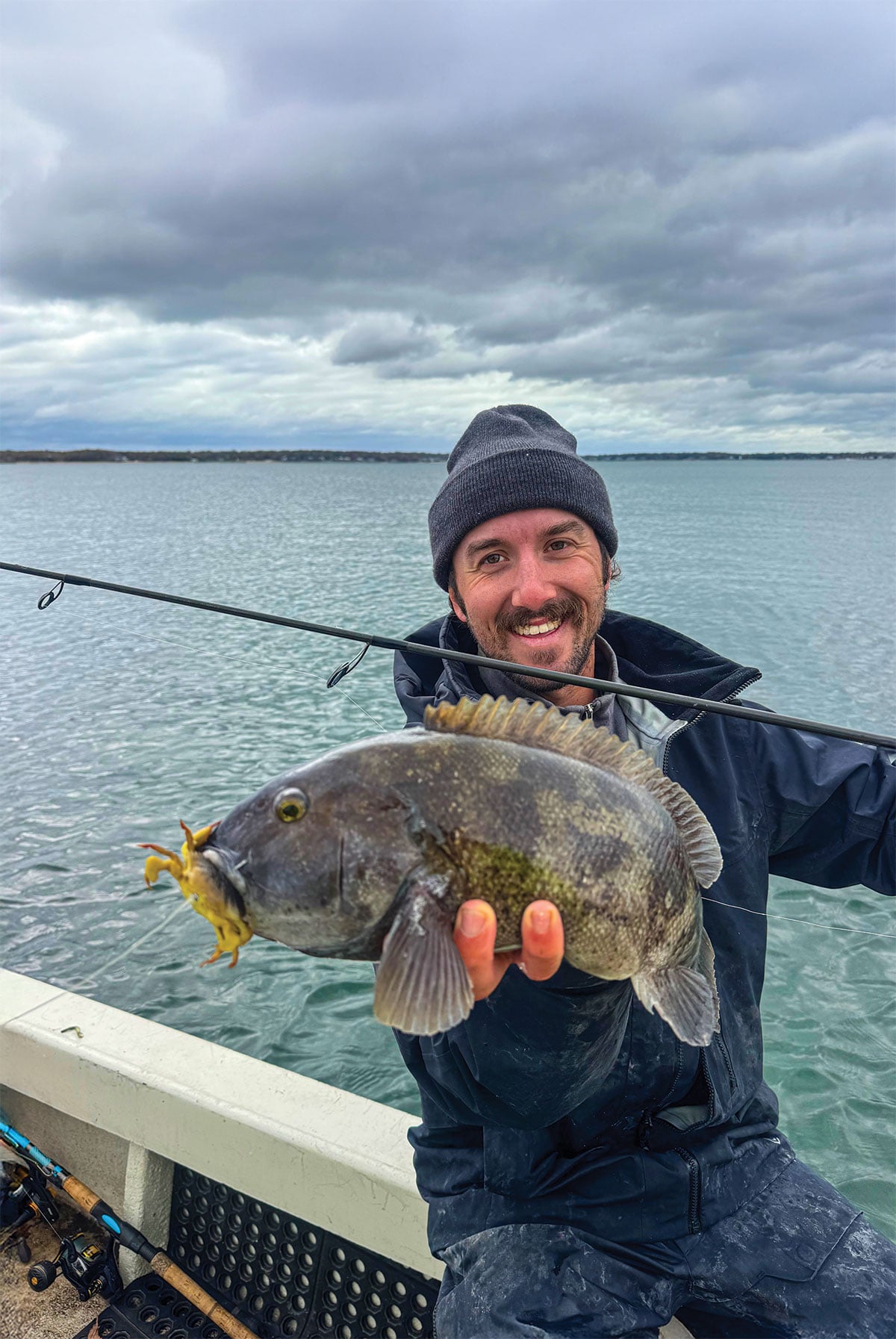
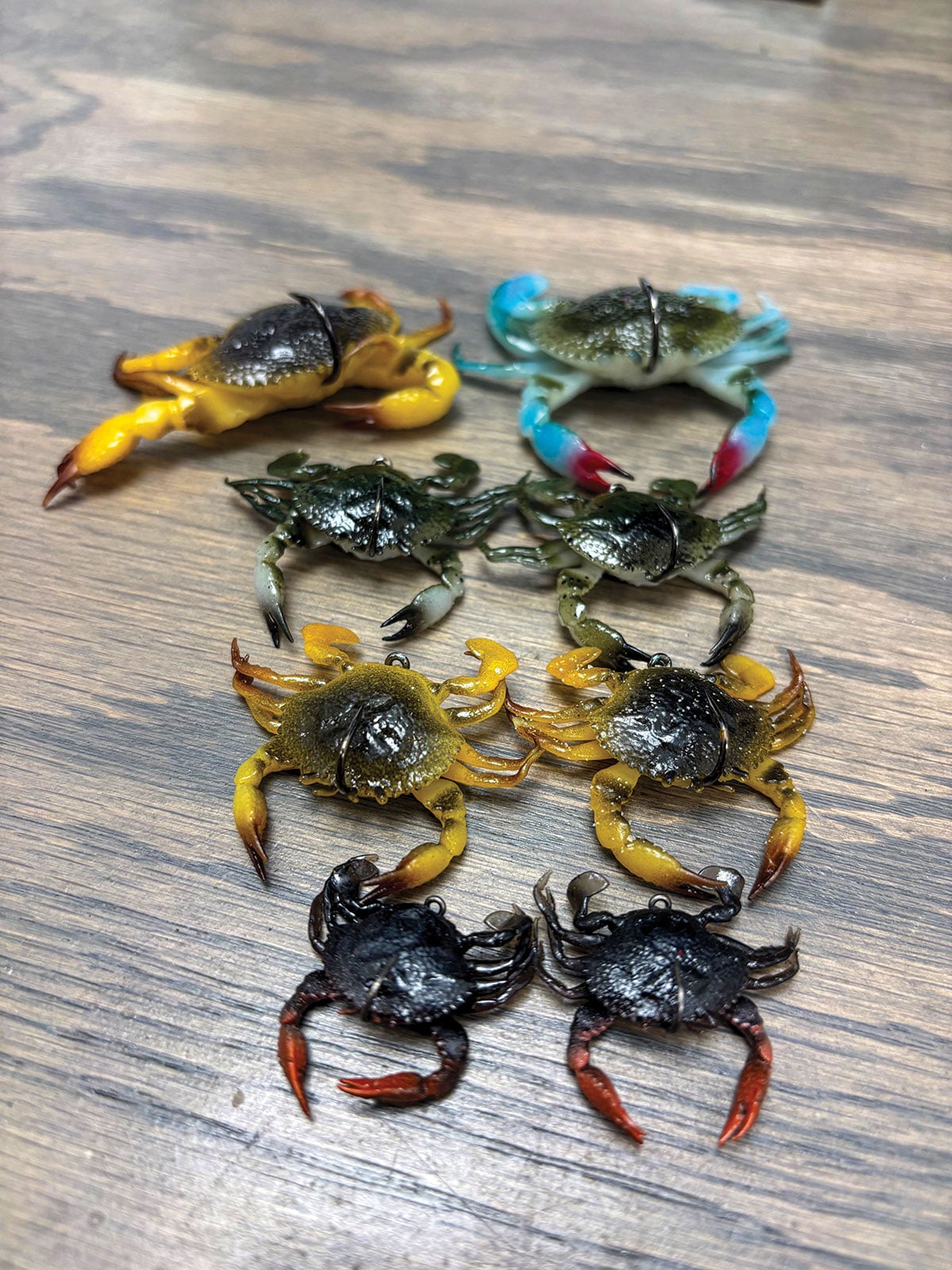
The bait I’ve been fishing is the Savage Gear Toughtec Crab. At first, I dropped it down simply to see whether a tog would eat it. What got my attention was how consistently they did. On a few occasions, I actually out-fished anglers using real green crabs.
I’m not saying it’s time to leave green crabs at the tackle shop. Real bait is proven. But a realistic artificial crab can be much more than a novelty, especially during the early fall when tog are still holding shallow and you can fish them with light tackle.
Shallow Water Advantage
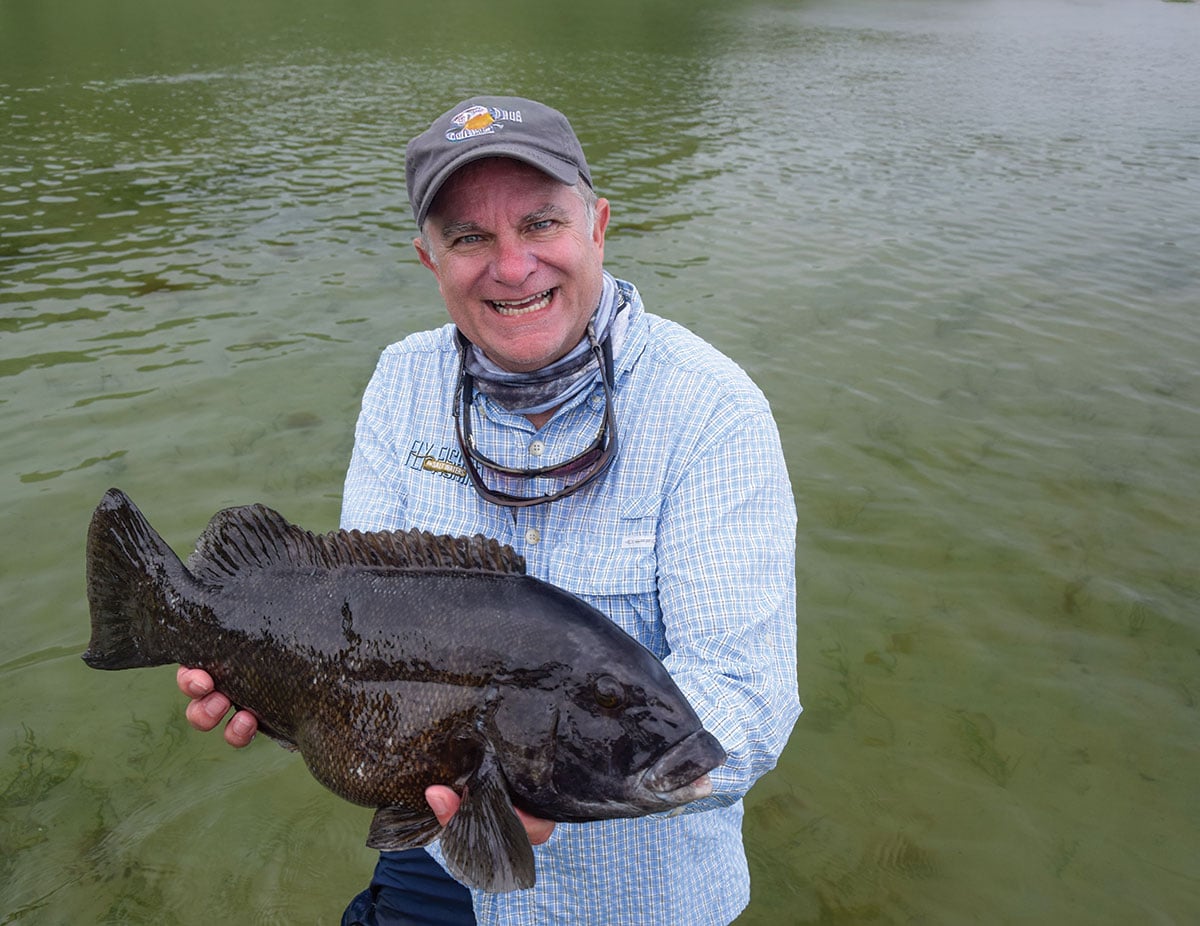
Early in the fall, blackfish can be found tight to shallow rock piles, bridge structure, jetties, boulder fields, mussel beds and other hard bottom. Instead of dropping a heavy sinker into deep water and waiting, you can cast, pitch and work a bait around individual pieces of structure. Early fall tog are especially well suited to light jig tackle. Shallow water of 20 feet or less can be particularly productive during this period while water temperatures remain relatively mild.

That existing jig fishery is one reason I don’t think we should be surprised that tog will eat an artificial crab. Think about what a traditional tog jig already asks a fish to accept. We take a lead head, often painted green, orange or brown, add a hook and send it into the rocks with a chunk of crab attached. The jig is not natural, yet blackfish routinely charge in and eat it. Crab-tipped jigs have become a standard shallow-water method and can even out-produce traditional sinker rigs in the right situations.
Tog have already shown us they are willing to attack something that is only an approximation of natural forage. The next step is replacing the piece of real crab with a convincing artificial.
Why It Works
Tautog spend much of their lives around the same structure that holds their food. Crabs, mussels, barnacles and other crustaceans are all part of the environment. A crab-shaped bait sitting on a rock, dropping into a crevice or moving a few inches across the bottom is not something that looks out of place to a feeding tog.
The Toughtec Crab gives you that recognizable profile in a durable soft bait. Savage Gear describes it as scent-infused, realistically detailed and internally weighted with a low center of gravity intended to help it sit naturally near the bottom. The Toughtec material is also designed for durability while retaining lifelike movement.
I don’t think you have to make the bait perform some complicated action to get bites. In fact, I’ve had the most confidence fishing it much like I would a fresh crab on a jig. Get it down to the structure, maintain contact and keep the movement subtle. A few small lifts, tiny hops or slow crawls are enough. I’m not aggressively snapping it several feet off the bottom like a bucktail for stripers. A real crab isn’t hopping 3 feet into the water column every five seconds.
The presentation should look like a crab moving across the rocks, settling into a crack or regaining its footing after being pushed by current. Sometimes I’ll barely move it at all. Let it sit, maintain enough contact to feel what’s happening, and then give it a short bump. The strikes I’ve had on the artificial have felt very similar to bites on the real thing or almost more aggressive in some cases. You get the scratch, tap or heavier thump, come tight and drive the hook home.
Fishing The Artificial
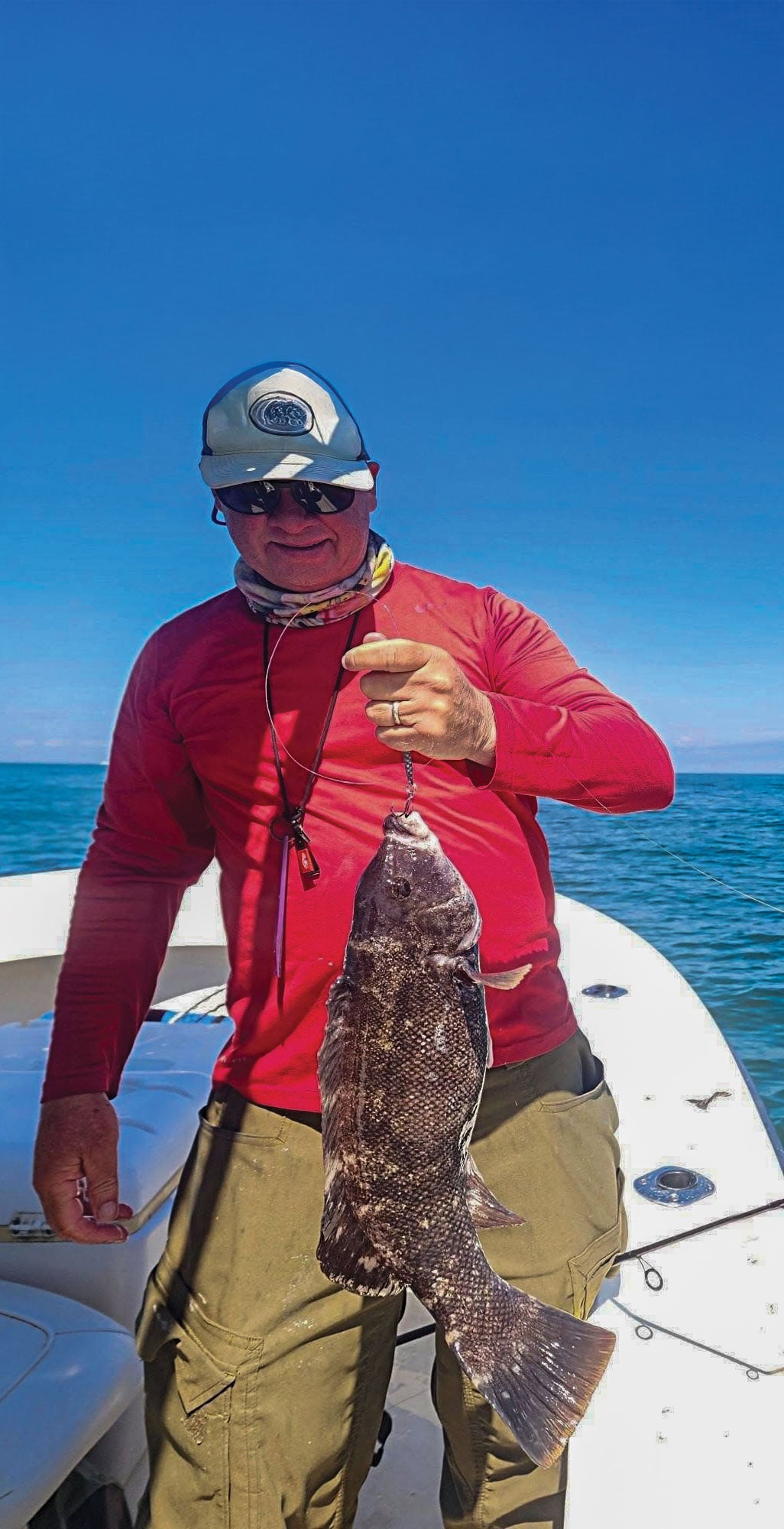
Shallow water is where I see this tactic shining. If I’m fishing 10, 15 or 20 feet around rocks or dock pilings, I want to cast the bait away from the boat and explore the structure instead of dropping straight down in one spot. A lighter spinning outfit and thin braid make it possible to feel exactly what the crab is doing.
Cast beyond the structure you want to fish, let the crab settle, and slowly work it into the zone. You’re probing holes and edges, feeling the bait climb over rocks and trying to identify the pockets where fish are holding. You can also pitch directly toward visible structure, work along the edge of a rock pile or drop the bait into a small opening that might be difficult to effectively fish with a traditional sinker rig.
Keeping the artificial close to the bottom is important. You aren’t trying to make a reaction bait out of it. Give it just enough life to make it appear like a crab that has exposed itself while moving across the structure. A twitch followed by a pause can be all it takes.
If you get bit but don’t connect, don’t immediately reel the bait all the way back. One advantage of the artificial is that it’s probably still there. Anyone who fishes green crabs knows how quickly a tog—or a pile of smaller fish—can clean a hook. You get a few taps, swing and miss, reel up and find an empty hook. With a durable artificial, you can often pitch the same presentation right back into the spot.
That can be a real advantage when you finally locate the right piece of bottom. Sometimes there’s a very small section of a rock pile holding the better fish, and every second you spend reeling up, cutting another crab and rebaiting is time your offering isn’t in the strike zone.
Durability is one of the biggest advantages I’ve noticed. You aren’t cutting crabs, popping shells or constantly digging through a bait bucket. There is less mess, and you can keep fishing after missed bites. For a quick trip or kayak session, having artificial crabs in the tackle bag gives you another option, and you never have to worry about keeping them alive. One first-hand thing I noticed is that I was able to land a dozen tog on a single artificial crab and the lure was still completely intact.
The Jig Connection
The hardest part of convincing a longtime tog fisherman to try an artificial crab might be getting past the idea that blackfish require real bait. But tautog fishing has already changed dramatically with the rise of the jig.
There was a time when the standard approach was a conventional outfit, a stout rig and enough sinker weight to hold bottom. Then tog jigs gained popularity. Anglers discovered they could catch serious blackfish on light spinning tackle by pitching crab-tipped jigs around shallow structure. Today jigging is a normal part of the Northeast blackfish game. That should tell us something about the fish: tog are not afraid of a lure.
They’re already willing to strike a jig. They’ll chase a crab as it moves across the bottom, and they often react aggressively when something edible-looking appears near their piece of structure. Once you look at it that way, a realistic crab imitation doesn’t seem like such a leap.
I’ve even seen blackfish move to a bait that was being worked rather than one sitting completely motionless. That’s another reason I believe there is more going on with the jig bite than scent alone. Movement can get their attention. Once the bait resembles something they recognize as food, an aggressive tog can make the decision to eat pretty quickly.
Shallow water also helps because you can make precise pitches, fish lighter weight and keep better contact with the bait. As the season progresses and the fish move deeper, stronger current and heavier weights can make a subtle artificial presentation more difficult. Early in the season, while the tog are still shallow, is where I see the artificial excelling.
Real Versus Artificial
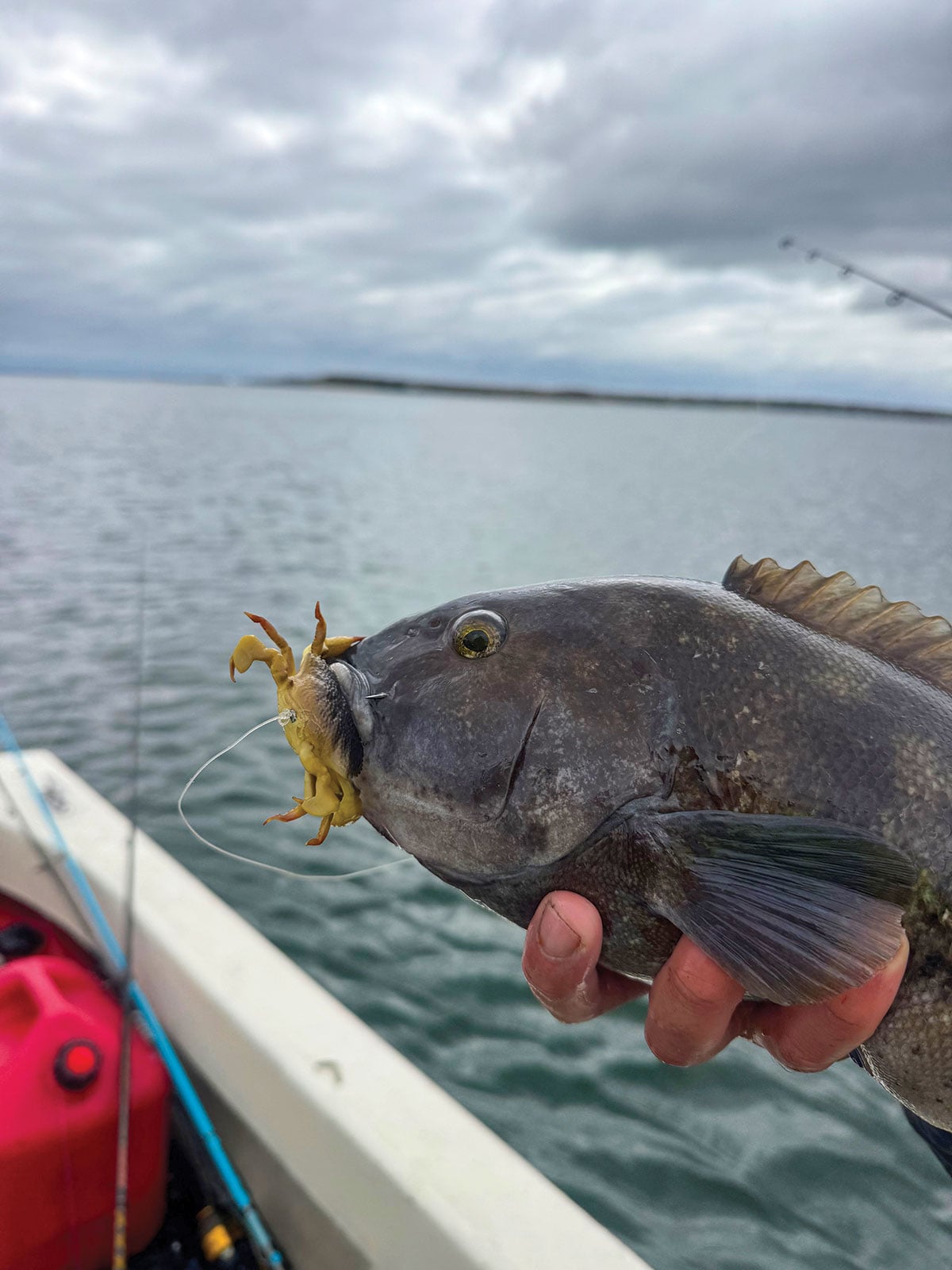
I’ve now had enough success with the Toughtec Crab that I’m comfortable fishing it alongside real green crabs rather than treating it as an experiment. The most convincing days have been the ones when I could make a direct comparison. If one angler is fishing a green crab and I’m fishing the artificial on the same structure, in the same depth and during the same tide, you get a pretty good idea of whether the fish will accept it. On some of those outings, they didn’t just accept it. The artificial out-fished the green crabs.
There could be several reasons. A durable artificial maintains its profile after repeated bites. It can be presented the same way cast after cast, and it may stay on the hook long enough to remain in front of the fish when a natural crab would have been picked apart. The artificial also allows me to immediately send the bait back into the same hole after a missed fish. Whatever the reason, the fish ultimately provide the test that matters.
I still bring real crabs. I like having both because blackfish can change their mood quickly. If the fish are tentative and only mouthing baits, natural scent and texture might be the difference. If they’re aggressive and chewing, I’m increasingly confident that the artificial can keep pace while saving a lot of bait.
There’s also nothing stopping you from fishing both until the fish tell you what they want. Keep one rod rigged traditionally and another ready with the artificial. That side-by-side comparison can build confidence in a hurry. I don’t see artificial crabs replacing natural bait across the entire tautog season, and that isn’t really the point. The better way to look at them is as another tool that fits a particular situation extremely well. For me, that situation is the early fall shallow-water bite.
The fish are accessible on light tackle, they’re feeding around crab-covered structure, and you can pitch a small presentation with enough control to make it behave naturally. You can work more water, quickly send the bait back after a missed strike and fish an entire session without worrying about your bait supply disappearing one stolen crab at a time. Most importantly, the tog eat it.
That last part is what changed my opinion. I started fishing the Savage Gear Toughtec Crab because I wanted to see if I could catch blackfish on a completely artificial crab. After watching it produce repeatedly—and even out-fish real green crabs at times—I stopped viewing it as an experiment.
This early season, when the tog are piled into the shallows, put a few artificial crabs in the box. You might find out the tog care a lot less about whether the crab is real than we do.