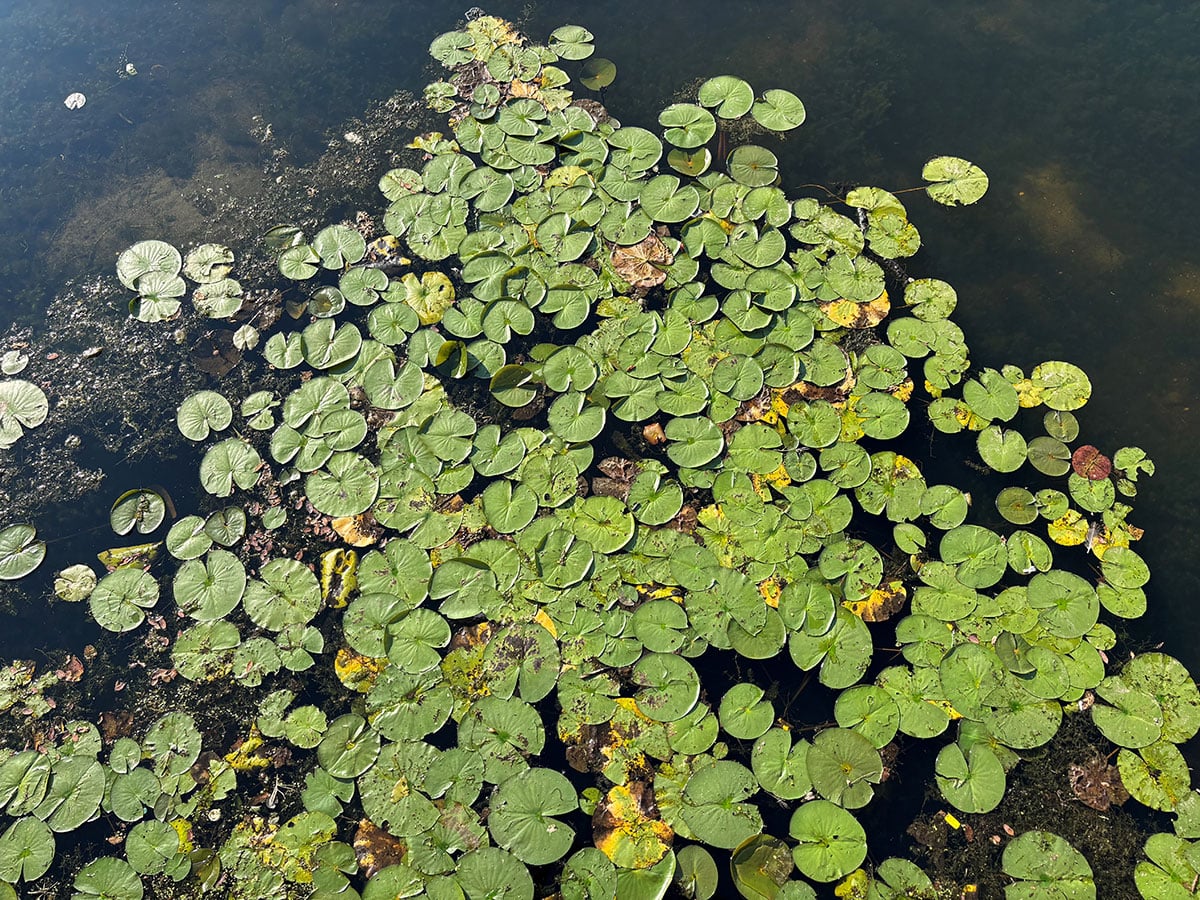
How to fish heavy aquatic growth on Long Island Lakes during summer months.
Growing up on Long Island, the slop was something we fished from early June almost until the end of the black bass season. Once the grass and lily pads start growing on Long Island, there is no stopping them, and at times, they can make your favorite lake unfishable, or at least that’s what some anglers think.
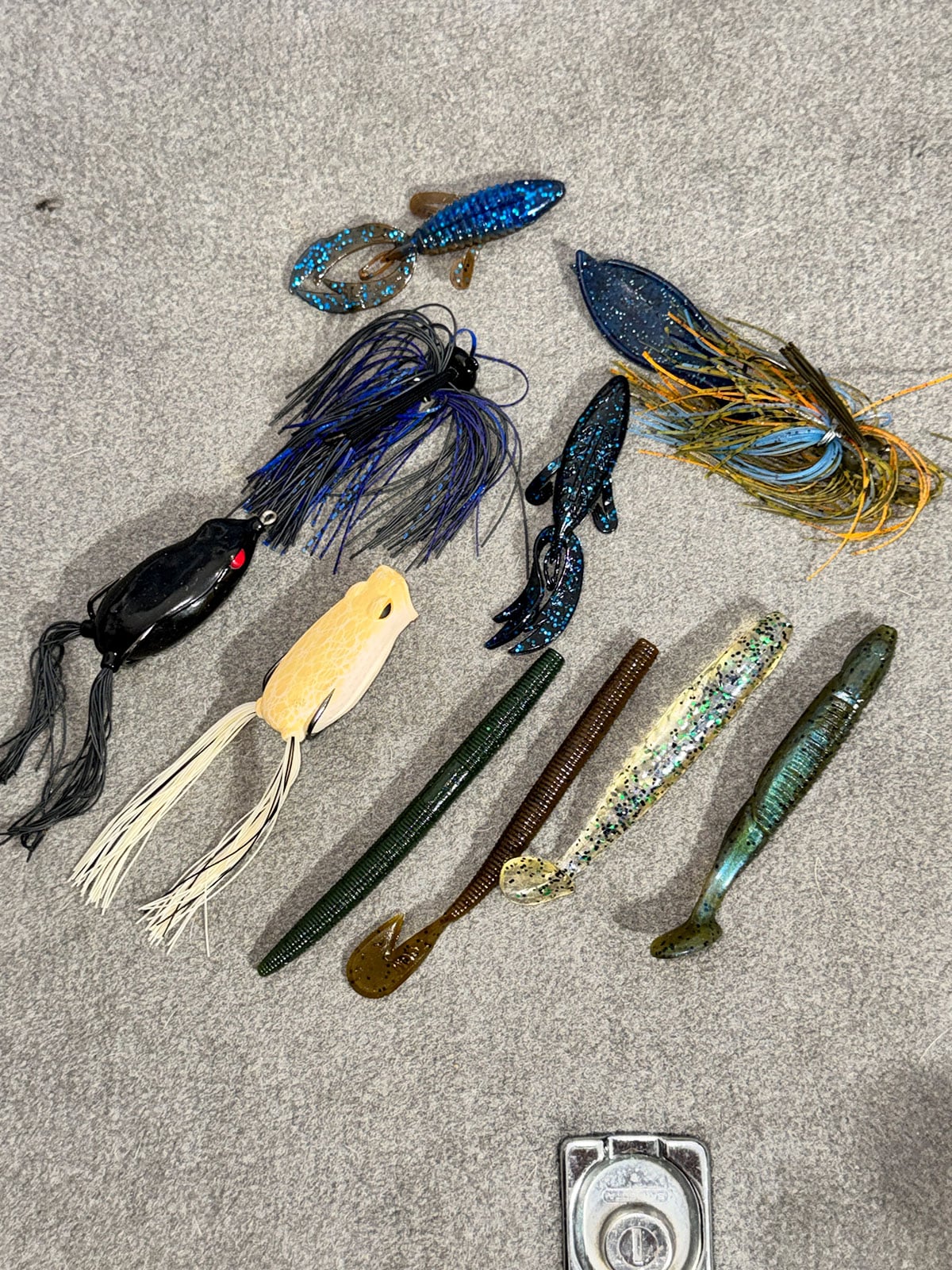
Fishing the slop requires a different approach then when the grass/pads are at a minimum. In fact, I feel that the four best methods are a weedless worm, weedless soft plastic swimbait, jigs or topwater hollow body frog. If you carry just these four lures to your favorite lake, I can almost guarantee you will get “bit!”
Know The Lake
I feel to be really successful in the slop, you cannot go at it blindly. You need to have a game plan, and one of the keys to that game plan is knowing the body of water. Most Long Island lakes and ponds are shallow – 8 to 10 feet or less. Sure, Fort and Ronkonkoma are the exceptions, but even they have a lot of shallow water.
In the spring, before the growth spurt, scope out the waters. When the first lilies pop up, look for spaces in between. Any variance is usually a different water depth. If you see a large patch, then open water, then a large patch, you can bet that water is slightly deeper. Come back later in the summer and I’ll bet it is filled in, but the deeper water of that section could hold larger fish. The same holds true for grass, but these will have to be found using a boat and electronics, but the same holds. If you find grass close to the surface, but then a hollow, it again points to a slightly deeper spot.
In using your knowledge from earlier in the year, you can find fish easier.
Let’s Apply Knowledge
Think back to the lake where the lily pads were beginning to appear. If you were really attentive, which I am not, you would have drawn a picture or marked it in a log book. On Lake Y, there was a hole about 10 feet between two pad fields. This is a prime target to begin. My first choice would be a topwater hollow body frog, followed by a weedless Berkley Grass Pig, then a Strike King Rattlin’ Pro Jig in blue or green pumpkin with appropriate Big Bite Baits in blue or green as a trailer. This to me is the reaction bite with the frog. The aggressive chase while throwing the Grass Pig, and last, the creatures on the bottom with the jig.
The first technique was the frog. When using a frog, there are three distinct ways to work it. The first would be the cast, let it land, and then begin your retrieve at a moderately fast rate. The second is the land and reel it super slow, pausing in any hole it drops into. The third, and by far the best in my opinion, but also the hardest is the walk-the-dog. If you can master that one, you are on your way to a lot of action.
Moving away from lily pads, the next up is grass and believe me, the grass gets thick on virtually every lake on Long Island. By far, and the way I fish grass 90% of the time is with a weedless Grass Pig or Reaction Innovations Skinny Dipper. These two swimbaits in 5-inch length, fished on a weedless/weighted hook can be fished at every depth in the grass from dragging the bottom, fished up top or dropped into holes in the grass.
The next method I’ll use a Texas rigged or weightless rigged Senko or Zoom Speed worm. Similar to the swimbaits, these can be fished at all depths, but offer a different profile to a bass, and at times will be the only thing they will hit. Fishing them in the same fashion as the swimbait, they can cover every depth of the water column. What I like about the worms is they also work great in lily pad fields and countless times I have dropped a worm in the holes of pads for great action.
The last one I use is a jig. A jig will replicate small panfish, depending on colors, crayfish, small fry and anything that is scuttling near the bottom. The jig can be dropped into any hole, and like Kevin VanDam told me many years ago; “Don’t worry about it getting hung up, you will lose jigs, but you will also catch some big fish.” I fish the jig in two fashions – the quick drop, if no bite, reel in and start again. The second is the slow crawl on the bottom, wiggling it through the cover.
Sloppy Tackle
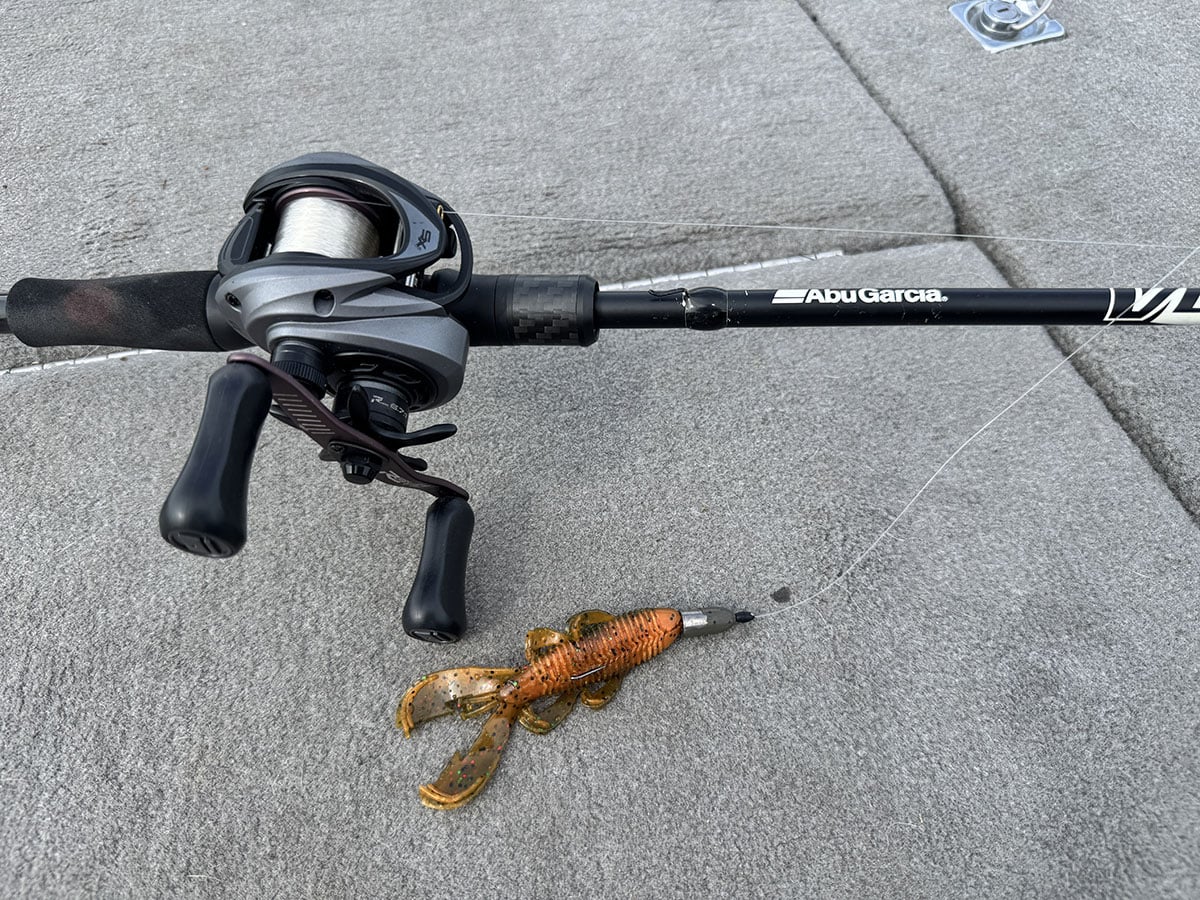
I will use two different rod and reel combos when I fish the slop. They are both slightly heavier class rods then open water fishing, but not broom sticks. One is the Abu Garcia Vendetta VRPS76-5 rated for 8 to 14 pounds, paired to the Revo 30 reel, the second is another Vendetta, but the casting version, model VRPC76-6 rated for 12 to 25 pounds and the Abu Garcia Revo baitcasting reel.
Years ago, I used to really go heavy on the line end – 50-pound test when fishing the slop. I have since learned, and I truly feel, the heavier line takes away from the action and impedes bites under certain situations. This is also a double-edged sword if you are not fishing from a boat. If you use too light of line, and that bass, like they always will, heads straight for the cover of lily pads, thick grass or other structure, you may not land them if the line is too light.
On the spinning rods, I will use 20-pound test braid and always tie in a long trace of 15 to 20-pound fluorocarbon. For years I have been using a leader long enough to get the knot on to the spool as I am landing the fish. This length to me keeps the knot out of the snags as well. If I am fishing any type of topwater bait, I up the ante to 30-pound braid of your choice – I use Power Pro and Berkley X9 braid. The braid you use is a personal preference as to me, there are tons that are made well and will hold up.
When tossing frog baits, tie the braid directly to the frog. For jigs, I use a 30-pound fluorocarbon leader tied into the braid with my new favorite knot Fisherman Editor Dave Anderson highlighted several years ago – the GT Knot. This knot is simple and does not let go under any circumstances.
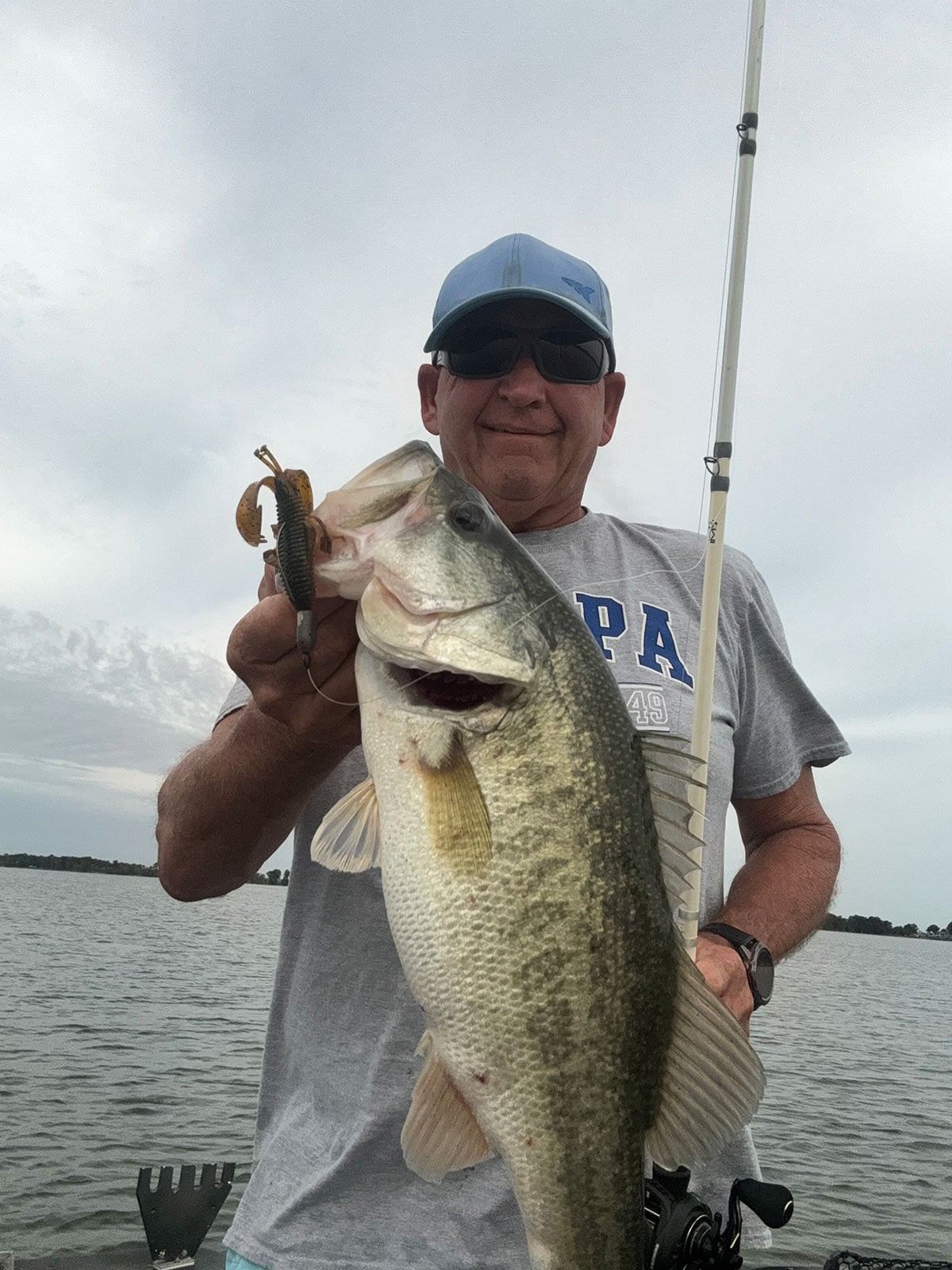
The slop gets thick on Long Island, and if you gear up right and work those baits, I guarantee you will catch more bass. Always remember, those big bass are a precious resource, so make sure you snap that photo quickly and get them back into the water.