How to target early season fluke in back ambush zones.
If there’s one type of water that consistently produces in May, yet still somehow flies under the angler radar, it’s the network of small creek mouths, drains, and feeder outflows that dump into our back bays. While most anglers spend the early season drifting open channels or working deeper edges, the guys who key in on these subtle ambush points are often the ones putting together the most consistent fluke bites of the month.
This isn’t big water fishing. It’s not glamorous, and most of the time it doesn’t even look like much. A narrow cut in the marsh, a slight trickle of moving water, maybe a darker patch where current is pushing – nothing that screams “fish here.” But that’s exactly why it gets overlooked.
Once you understand what’s happening in these areas, and more importantly why it’s happening, they start to stand out everywhere. These small zones are some of the most efficient feeding areas in the bay system during May—and most guys run right past them.
An Easy Feed
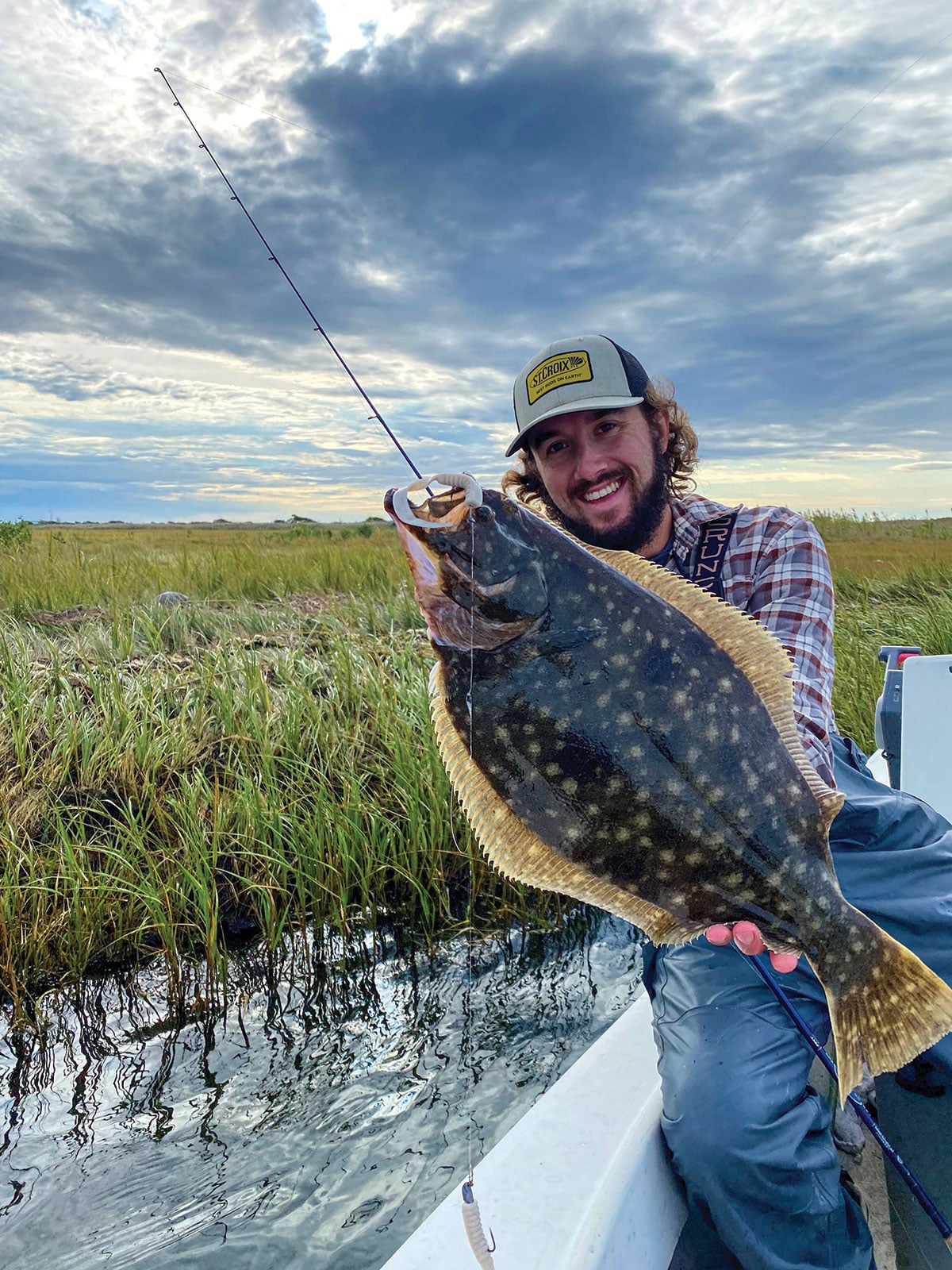
Early season fluking is all about bait, and in May that means small bait. Spearing, grass shrimp, killies and small crabs are just starting to populate the back bays, and all of it moves with the tide. That’s where creek mouths come into play. As the tide drops, these narrow drains act like conveyor belts, pulling water and everything in it out into the bay. Instead of bait being scattered, it gets funneled into a tight, predictable stream. For fluke, it’s an easy feeding setup.
Rather than roaming, fish can set up just outside the mouth and let the current bring food to them; it’s efficient and repeatable. That’s why these spots can reload fish throughout the tide instead of being one-and-done. The other key detail is depth, or lack of it. Many of these areas are only 2 to 6 feet deep, but that shallow water warms quickly and holds bait. On calm days, you can actually see it happening—spearing flickering, shrimp popping, and subtle movement that gives everything away.
Not every part of a creek mouth is equal, and if you’re just drifting across the opening without a plan, you’re missing fish. These are small zones, and the productive water is even smaller. Most fluke will set up just outside the mouth on the down-current side, facing into the flow. That positioning lets them sit still while bait gets pushed directly to them. Any slight depression, drop, or bottom change only improves that setup.
On stronger tides, fish may spread slightly along the edges of the outflow, while on weaker tides they’ll stack tighter, sometimes right in the mouth itself. It all comes down to how defined that current lane is. Don’t overlook the inside edge either. At the start of the incoming, fluke will sometimes slide into the drain to intercept bait moving back into the marsh. It’s a small window, but it can produce when most guys aren’t even fishing it.
If you’re keeping it simple, focus on the outgoing tide. As water drains from the marsh, it pulls bait with it, creating that concentrated funnel effect. The stronger the flow, the better it sets up. The first half of the outgoing is usually the sweet spot. There’s enough water to keep bait moving naturally, but not so much that it spreads out. Once things get too low, the bite can fade as fish slide off to nearby depth.
That said, the incoming has its moments. The start of the flood can push clean, warmer water back into the system, along with bait. Fluke will stage along the edges or just inside the mouth to take advantage. After a few warm days, the incoming can actually out produce the outgoing. It’s not always predictable, so it pays to fish both and take note of what’s happening. Once you find the window, you can really dial it in.
Less Is More
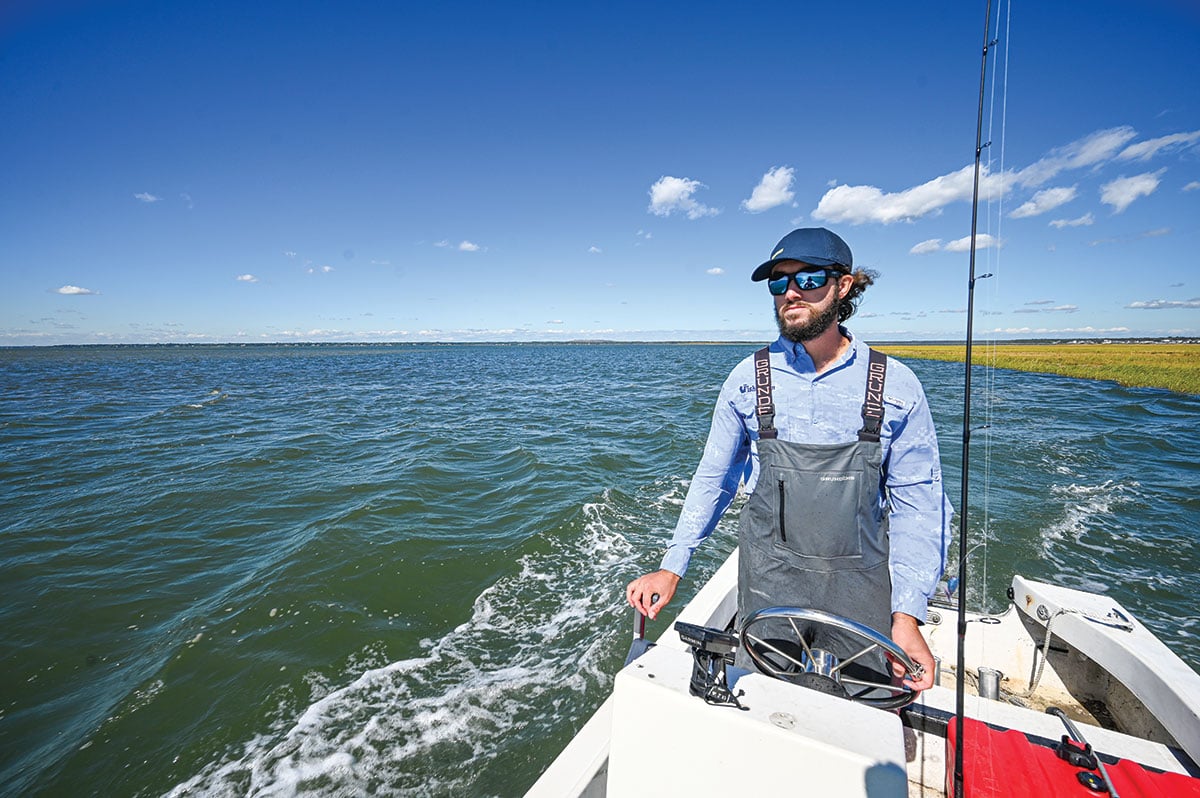
More than anything, success here comes down to boat control. You’re not making long drifts—you’re working a small, defined strike zone. If you’re not in it, you’re not catching. One of the biggest mistakes is drifting too fast or too wide. A productive creek mouth might only be 20 to 40 yards across, and the bite could be in a much tighter lane within that. Precision matters.
You want to set up your drift just outside the mouth and stay tight to that outflow. Drift socks help slow things down, while trolling motors let you hold position or make small adjustments. Even bumping in and out of gear can keep you in the zone longer. Kayak anglers have a big advantage here. The ability to stay quiet, hold position, and work a small area thoroughly without blowing it out makes a big difference in shallow water.
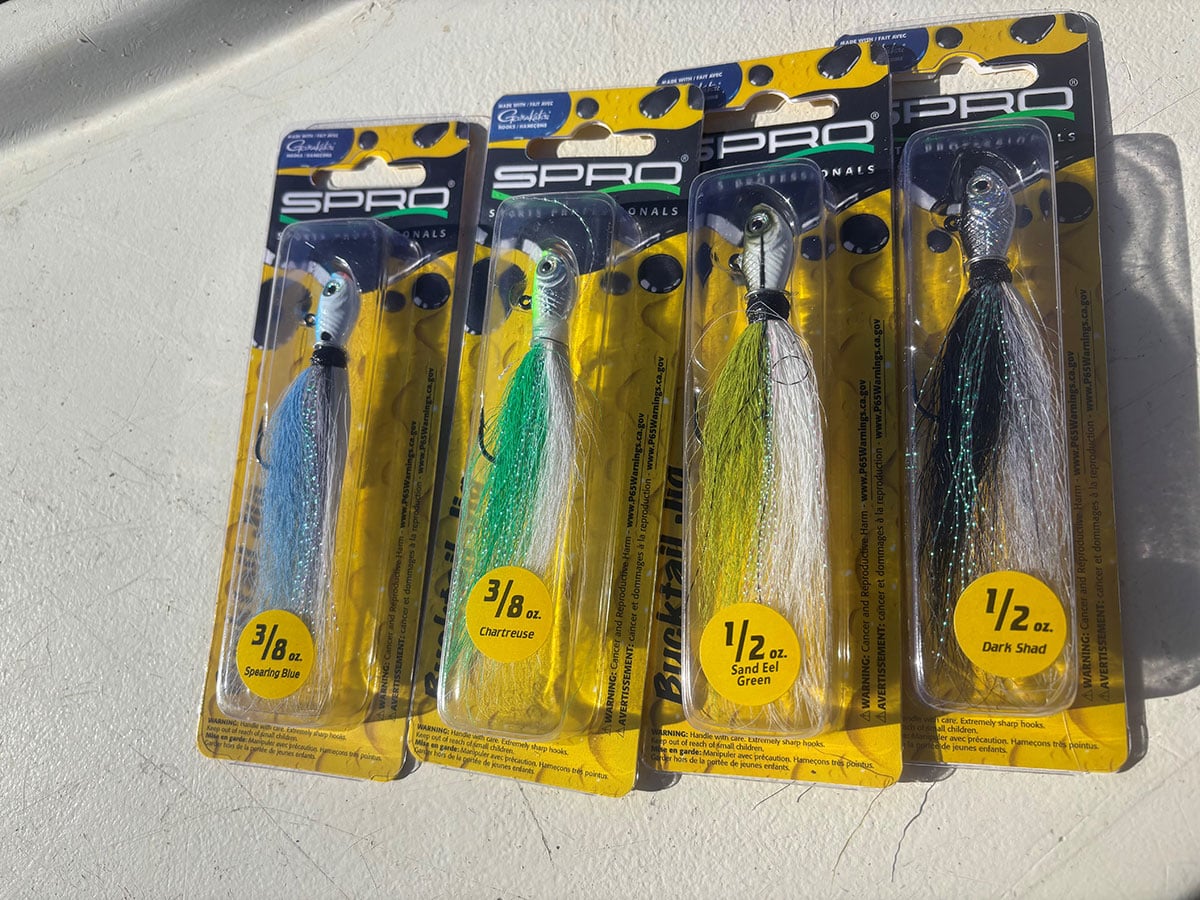
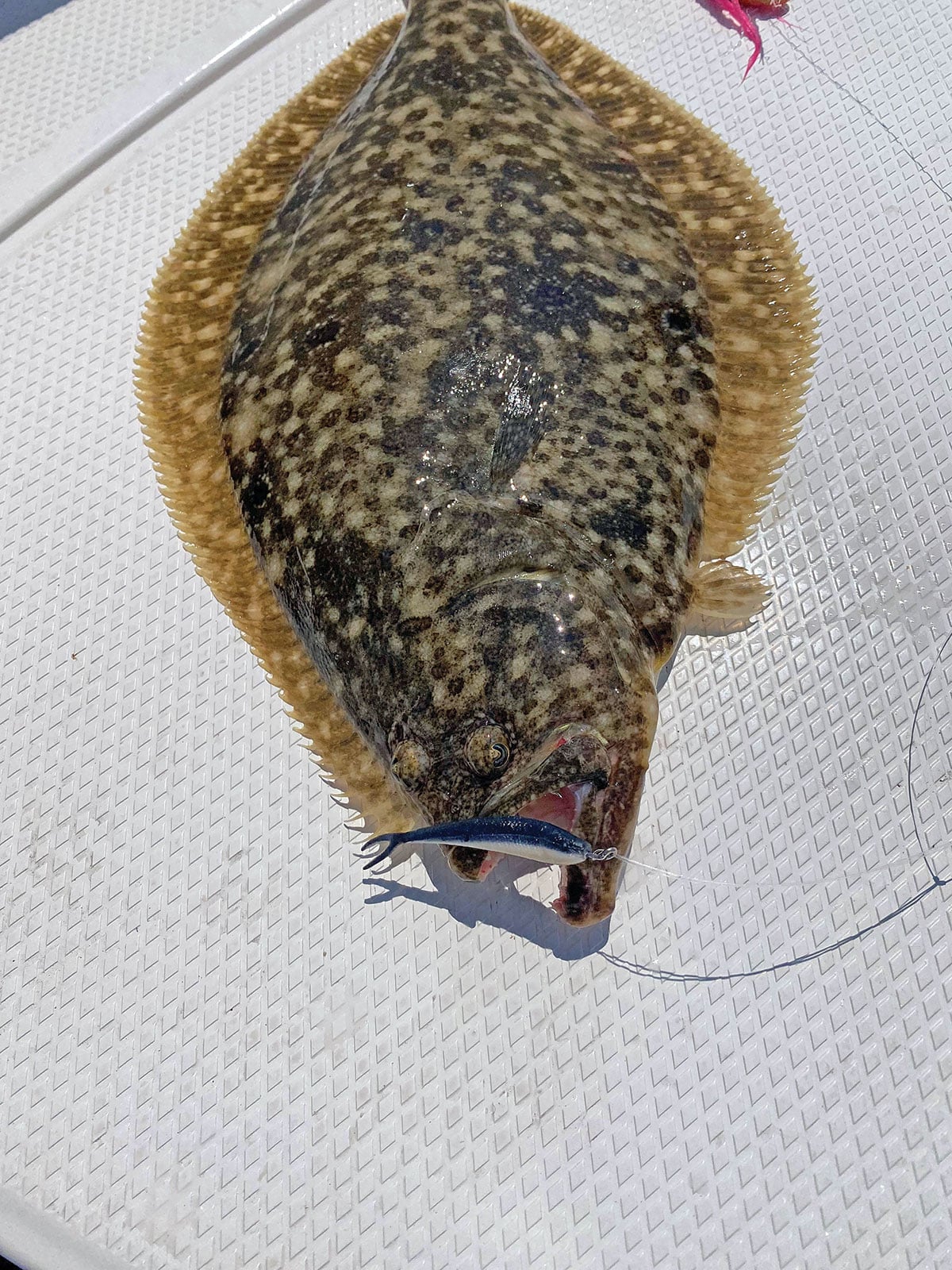
In May, less is more. These fish are feeding on small forage in shallow water, so your presentation should match. Heavy gear and aggressive movements can hurt you more than help. Light bucktails in the 3/8- to 3/4-ounce range are usually all you need. Pair that with a teaser 12 to 18 inches above, and you’ve got a simple, effective setup that stays in the strike zone.
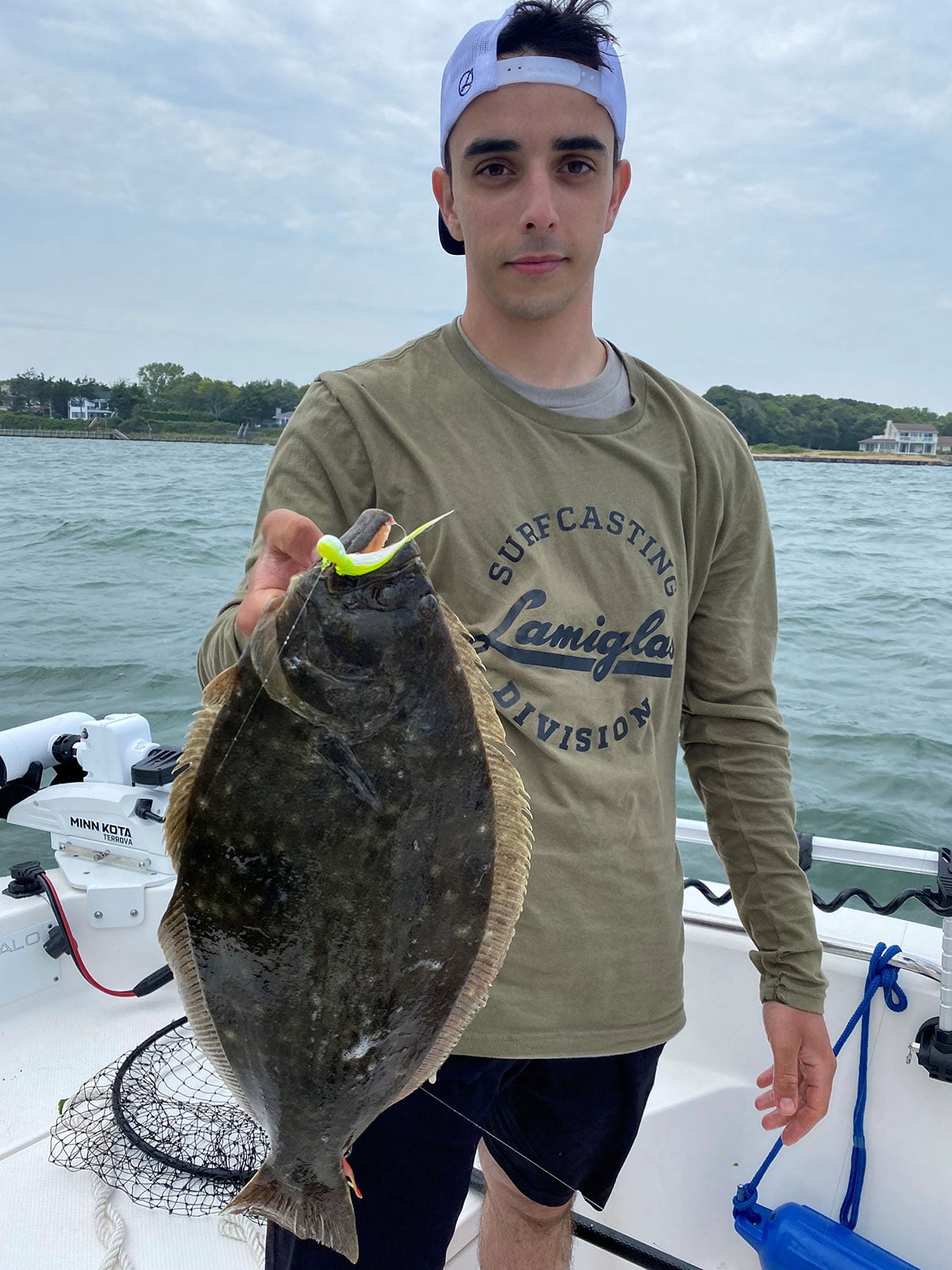
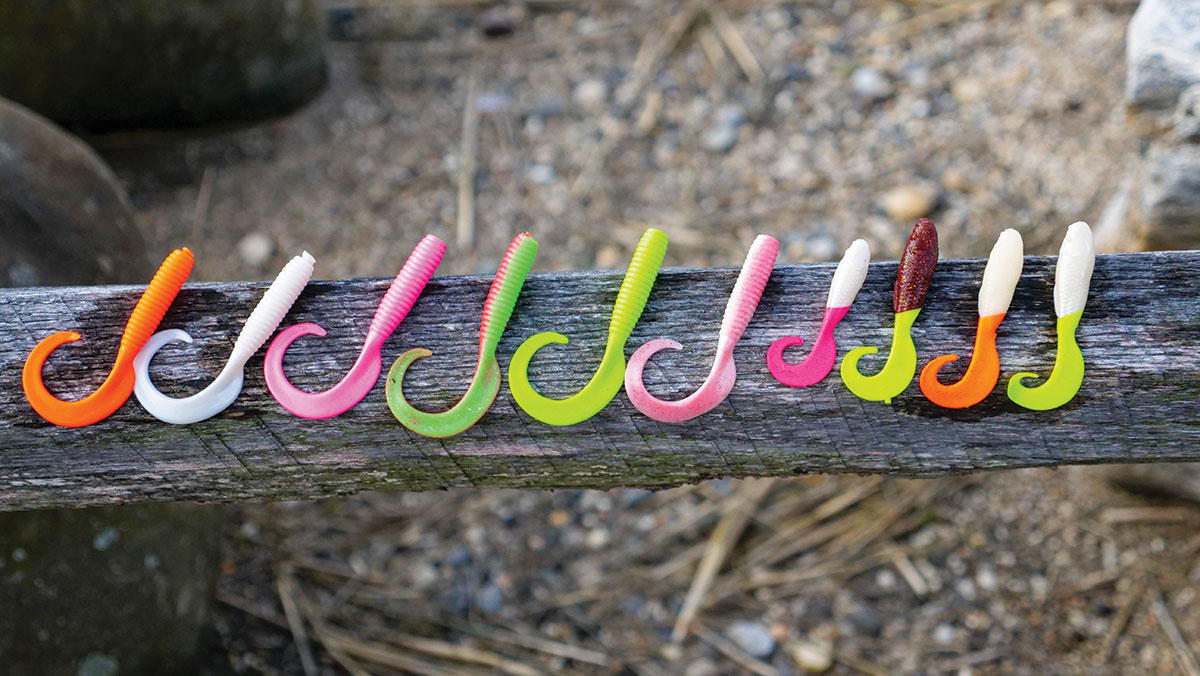
Keep your baits small and natural. Spearing, strip baits, or scented soft plastics all work, but the key is matching the size of what’s actually there. Oversized offerings often get ignored early in the season. Work your presentation with subtle lifts and short hops, or just let the current do the job. Most bites are light—just a tap or added weight. If something feels different, set the hook.
These areas will offer clues, you just have to look for them. The more you pay attention, the easier it gets to identify productive water. Discoloration is a big one. Where creek water meets bay water, you’ll often see a defined seam. That edge is a natural feeding lane, and fluke will position along it.
Bait activity is another giveaway. Nervous spearing, shrimp popping, or small wakes moving through the shallows all signal life. If it looks active, it’s worth fishing. Current seams, slicks, and subtle rips help define how water is moving. Those are the lanes you want to stay in. If an area looks dead, don’t force it—move to the next spot.
Spot Hopping
One of the biggest advantages of this pattern is how quickly you can cover water. These are small, high-percentage spots that either hold fish or they don’t. Make a few clean drifts through a drain; if you get bit, work it, and if not, move on. There’s no reason to sit on dead water when there are multiple options nearby. A good approach is to build a small rotation of creek mouths and hit them on the same stage of tide. Over time, you’ll start to see which ones consistently produce under certain conditions. That’s how you build a milk run. Once you have a handful of reliable drains, you can bounce between them and stay on fish throughout the tide.
| KAYAK ADVANTAGE |
| Fishing creek mouths from a kayak gives you a serious edge, especially in the shallow, tight areas that define this early-season pattern. A quiet approach allows you to slide into position without spooking fish, while the ability to hold yourself in place keeps your presentation locked in the strike zone instead of drifting off target. Kayaks also open the door to smaller, hard-to-reach drains that larger boats simply can’t access. With less noise, less pressure, and more control, it often leads to more consistent bites. In this case, the smallest platform can easily be the most effective. |
Everything about this setup lines up with early season conditions. Water temps are still inconsistent, bait is just starting to fill in, and fluke are looking for easy feeding opportunities. Creek mouths provide exactly that, with current, food, and positioning all in one place. It’s a simple system, but it works.
They also tend to see less pressure. Most anglers are focused on deeper water or traditional structure, leaving these smaller zones untouched. Low pressure plus a steady food source equals consistent action. That’s what makes this pattern so reliable early in the season.
Back bay fluking in May isn’t about covering miles of water. It’s about finding small, high-percentage zones and fishing them the right way. Creek mouths and drains might not stand out at first, but once you recognize the funnel effect, you’ll start seeing them everywhere.
Dial in a few of these spots, fish them on the right stage of tide, and keep your approach simple. Stay controlled, stay observant, and don’t overthink it. Do that, and you’ll find some of the most consistent fluke fishing of the early season happening in places most guys don’t even stop to fish—and that’s exactly the edge.