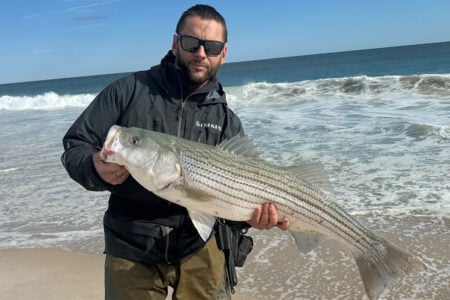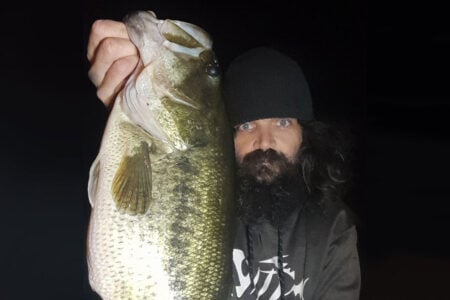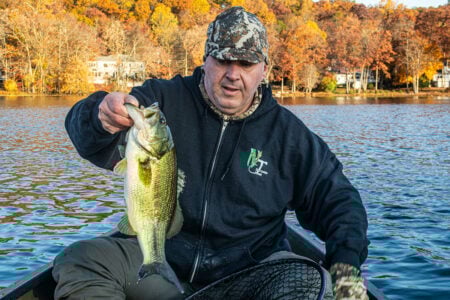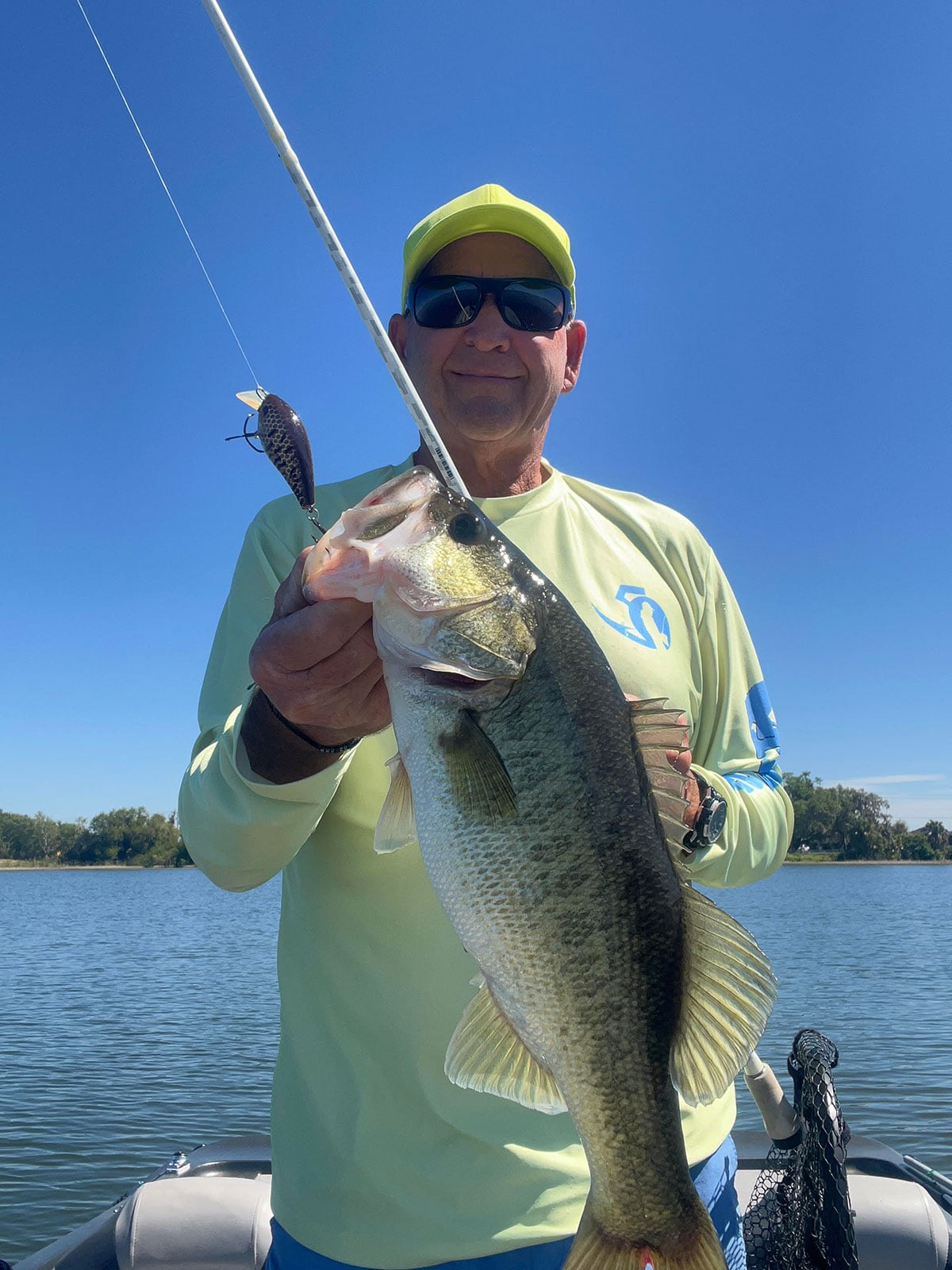
Targeting largemouths on Long Island lakes with crankbaits.
It is no secret that I love throwing crankbaits. It has been my favorite lure for as long as I can remember. Growing up, and living on Long Island my entire life has a lot of anglers wondering; “How do you use a crankbait on Long Island?” “The lakes are so weed choked; you would catch nothing but grass!”
That statement is true – regarding the islands lakes being weed choked, but there are plenty of waters on Long Island that offer crankbait fishing, and some of those lakes have big bass in them. Lakes like Fort Pond, Ronkonkoma, Laurel, several of the mill ponds in Southampton, Trout Pond, Little Fresh on Shelter Island. The list goes on, and many of these offer shoreline and boating access (trolling motor only).
For this piece I am going to make your crankbait fishing a lot easier by focusing on shallow cranking with an emphasis on banging them off structure and ripping weed lines and subsurface grass. All three will work in “any” lake on Long Island.
What Crankbaits?
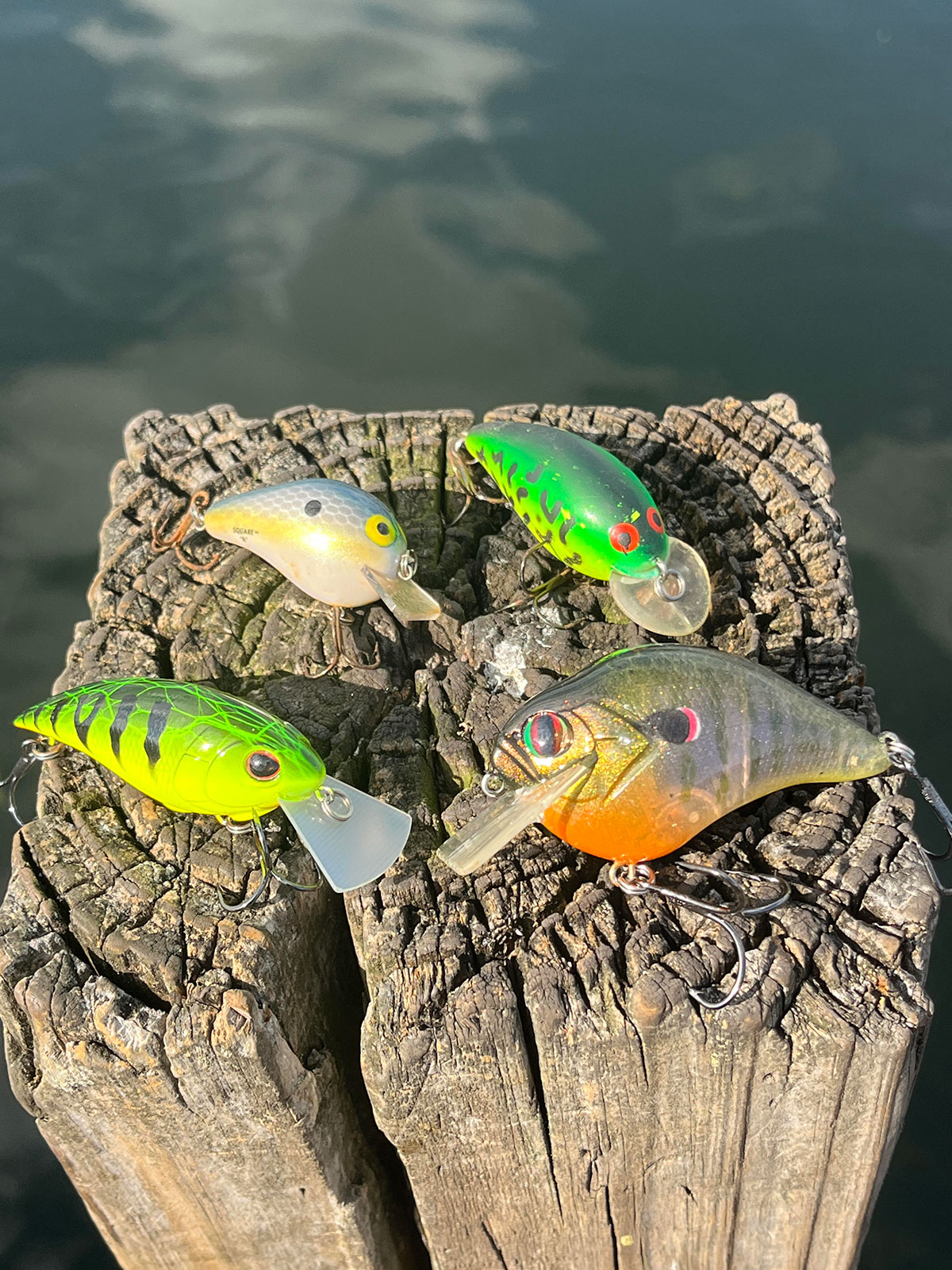
There is a plethora of shallow crankbaits available but one of my favorites has always been the Bomber Square A which is two inches in length and works the 0-3 foot depths. This little Bomber has caught more bass than I can count over the years. It offers a tight wobble, has a small profile, and can be bounced off structure easily.
The next up would be a relatively newcomer – Berkley Money Badger that was released in 2022, which offered a tungsten weight transfer and according to most, better action than balsa. Fast forward to 2025 and an even better crank came from this initial offering – the Shallow Money Badger. The shallow version runs in the 2 to 8-foot range. I like this crankbait when I am making long casts along an edge like the drop-offs of Fort Pond. Years ago I used to swear by the Bomber Model 7A. This model, although rated for 8 to 10-feet swam a lot shallower with 15 or 20-pound mono. The key for me with this crankbait was a fast retrieve – basically as fast as you could turn the handle. Anywhere along the banks, and yes it did hang, but the fast retrieve, along with the quick “snap” of the rod tip lessened the weed snags.
The last crankbait I love is a custom painted Mega Bass 1.5 in a bluegill pattern painted by my good buddy Jimmy Johnson of Last Cast Customs. This square bill swims erratically, and with its special square bill rarely hangs up.
Tips And Tricks
So, you now have the crankbaits to throw ‘em on Long Island, and have a successful outing. Now let’s dive into a few tricks I use that will up the score even further.
For starters, the first thing you need to understand is that you “will” lose some crankbaits. And yes, it “will” get frustrating, especially at $6 to $12 a pop to replace them. However, once you learn the difference between a smack from a fish, and a stick, rock or other snag, it is part of the learning curve.
Speaking of snags, I will bounce, jerk and work crankbaits near any structure I can find. Whether it is underwater grass, old stumps, even lily pads (they are the toughest area).
Unless you are in open water and on a boat where you can fetch your snagged crankbait, I would stick with a more subtle retrieve as opposed to the speed burn through grass and the like. The slow subtle crank will make it easier to detect a bite, or detect if it is a snag. It will also make it easier to bounce the bait off said structure.
In open water, I will often speed crank through grass. By speed cranking, you are normally keeping the crankbait, especially shallow running models just above the weeds. The key with this is also knowing what the crankbait feels like with no obstruction (grass, stick etc.) hindering its cadence. When speed cranking, if you feel a difference, a quick “snap” of the rod tip will usually lose the weed. Be prepared after this quick snap too, as that is when the bass may strike as well. The sudden snap, plus movement will sometimes trigger an aggressive bite.
The next trick I use a lot, is banging it off structure – rocks and wood specifically. We don’t have a lot of rocky stretches, but there are some in Ronkonkoma and in Fort Pond towards the north side of the lake. Bass react to stressed baitfish with an attack/vengeance style; they all out maul it. Banging your crank will imitate a wounded or dying baitfish. To do this, find the structure, cast past it and crank at a pace that has the bait swimming smoothly, but not racing. As you approach the structure, allow the bait to hit it. This is where learning the difference between bite and snag will really pay off. When it hits, allow it to deflect off, then continue. I would make a lot of casts to one piece, and from different angles if possible.
The last shallow water method I use is specifically for bank fisherman. On Long Island, there are a lot of lakes where the lily pads are off the bank a bit. The area between the lily pads and other grass makes the perfect place to speed crank the shallow water. You will get hung up with some “bottom” debris, but utilize the snap method to keep it clean. Cast parallel to the shore, then begin a fairly fast retrieve. Bass will often be hiding in the pads, or lying against a bulkhead – Brookwood Hall in East Islip is a great place for this. As your crankbait comes flying by, they will ambush!
Rod, Reel, Line
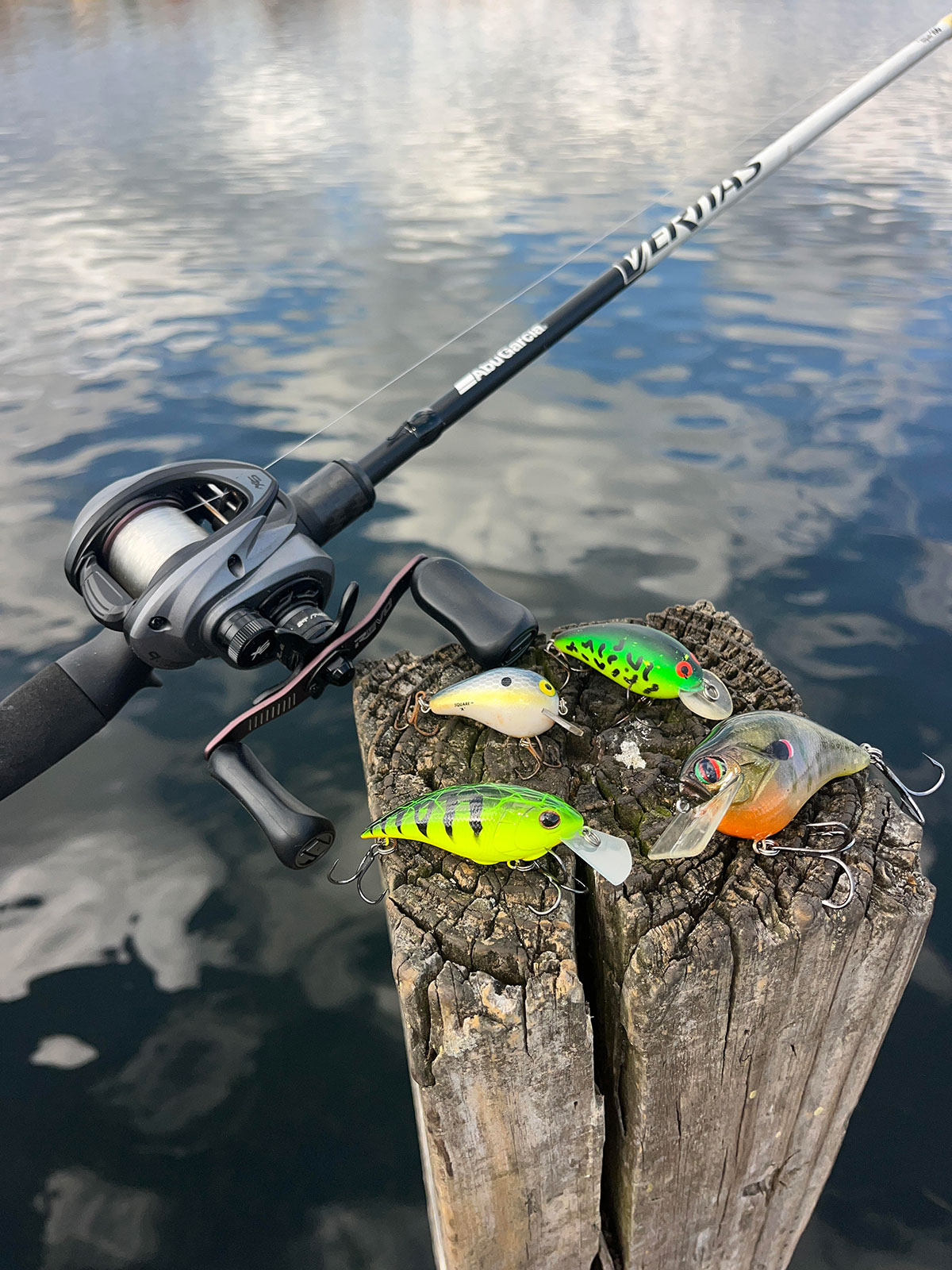
I use a baitcasting rod and reel virtually 90 percent of the time when tossing crankbaits. Bottom line, it is what I like to use, and I feel you can control and free up snagged baits better. This is what I like, but I have seen guys using spinning tackle and achieving the same thing. On another side, unless you are really adept at throwing light lures on a baitcaster, you may want to use a spinning rod as well.
The baitcaster set up I use is an Abu Garcia Veritas VRPC76-6 rod and Abu Garcia Revo REVO5 SX LP reel. I always spool the reel with 12 to 20-pound test fluorocarbon line. This combo is 7-feet, 6-inches long and rated for 12 to 25 pounds. If you do want to use a spinning rod, the Abu Veritas VRPS76-5 rod and Abu Revo size 30 spinning reel is a great option. This rod is rated 8 to 14 pounds and can handle all four sizes of shallow cranks easily.
Throwing shallow diving crankbaits on Long Island is a good way to target bass. It is also a great way in the spring and fall months when the weeds have not emerged, or have died off. Both way, it is a full year option, and if you try it, you will be rewarded. Again, one last note… you will “lose” some crankbaits!