A deep dive into “game changing” tactical tips for using electric trolling motors.
I have employed portable 12-volt electric trolling motors for two decades, using Mercury MotorGuide’s classic manual tiller-steered 55-pound saltwater transom mount model. It’s lightweight, portability and adjustable twin turnbuckle transom mount design allowed me to take it on and off my boats with ease and battery connections were a snap. Working the tiller handle throttle for direction and speed added movement when ocean fluking, fishing the reefs or shark drifting in calm seas, often saving the day.
But that was then; today’s bow-mounted 24v/36v trolling motors are a totally different animal and offer fingertip control above and beyond the simple tiller handle capabilities of yesteryear’s gear.
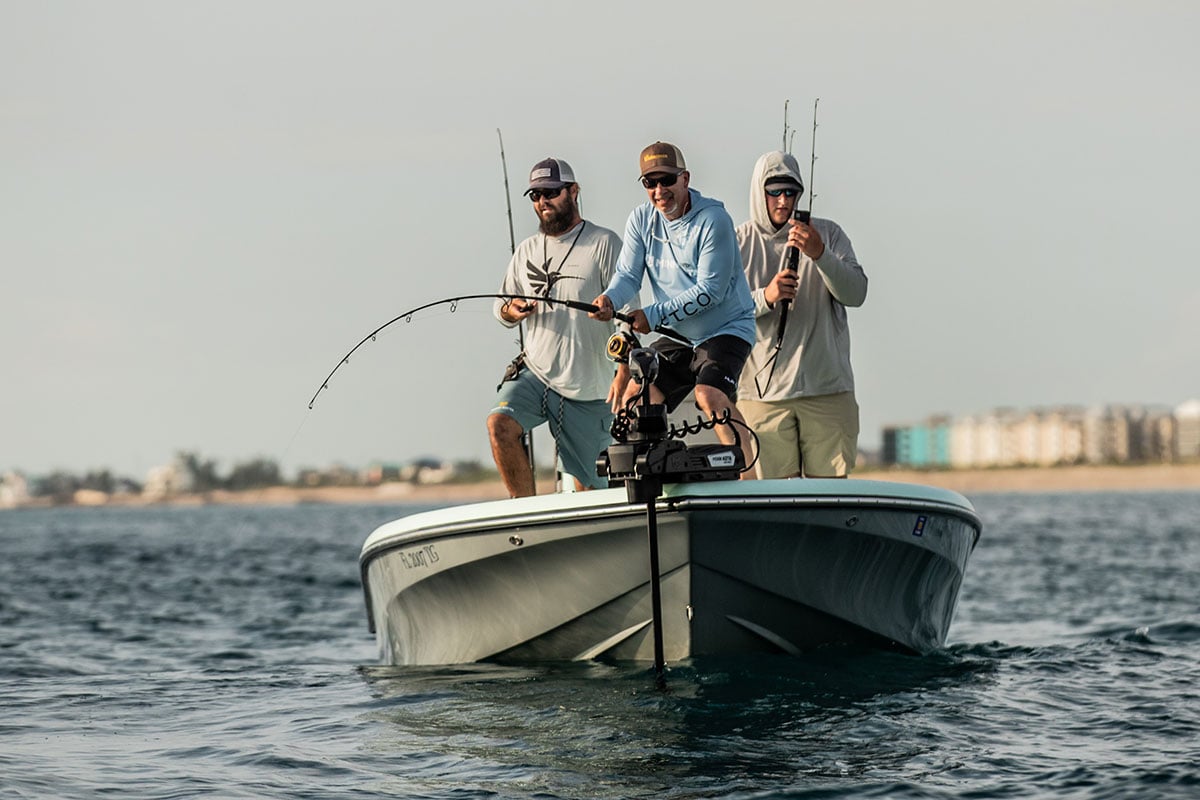
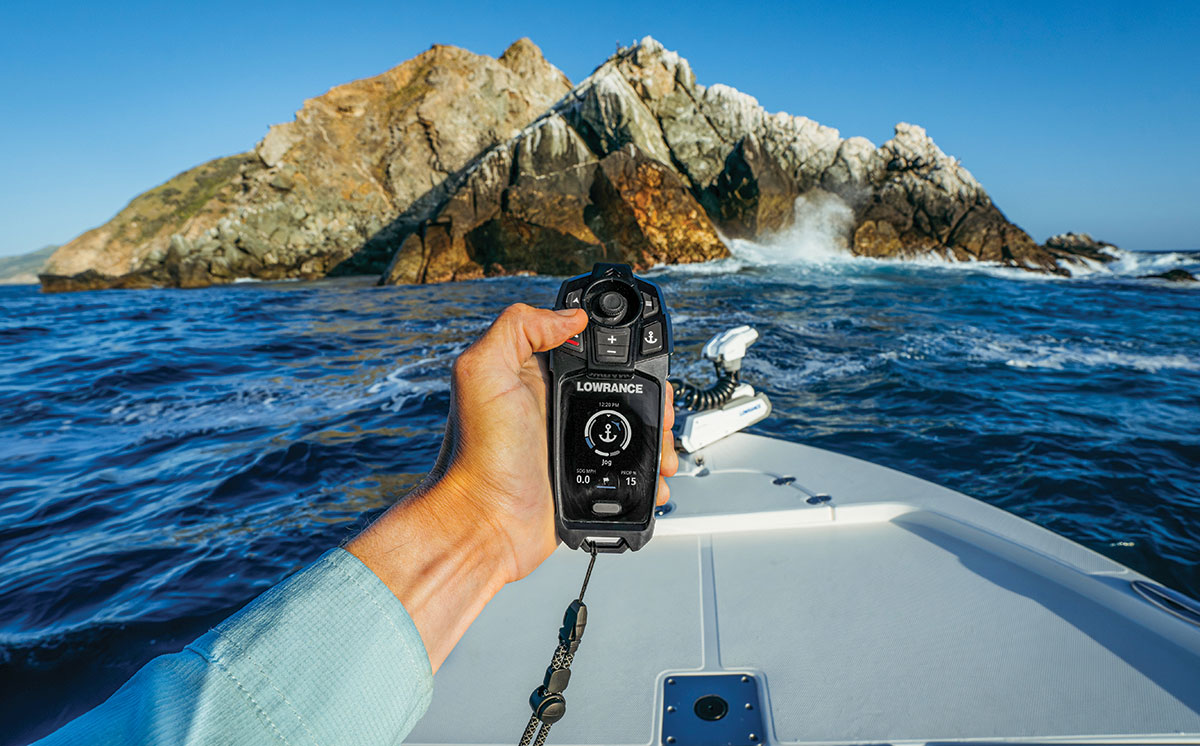
In their basic, non-integrated profile, bow-mounted 24v and 36v trolling motors offer anywhere from 80 to 120 pounds of thrust allowing a host of useful functions via their convenient handheld wireless controllers from anywhere on the boat. Typical capabilities include GPS anchoring, remote steering, speed and directional control, autopilot functions and integration with fish finders that we’ll cover in the following section. Some remotes feature “point-and-go” gesture steering, where the motor follows the direction the remote is pointed.
With autopilot and heading lock, the motor can maintain a set compass heading or follow a specific, pre-programmed path or contour line. Variable speed control allows for precise, slow-speed maneuvering, often with digital displays showing the speed setting. In integration mode, some remotes include customizable keys that can be programmed to activate other devices, such as shallow water anchors or to mark waypoints.
They might also provide information on the motor’s battery level, propeller status (on/off) and GPS signal strength, in addition to automatically stowing and/or deploying the motor via the remote (like some Minn Kota models). Remote types include those with a digital screen that provide total control over all functions, or the smaller compact models that offer a simplified functionality designed for quick, essential commands like anchor-lock, steering and speed control. These handheld controls remove the need for fixed foot pedals, allowing anglers to move freely around the boat while controlling its direction and speed.
Keep It Simple
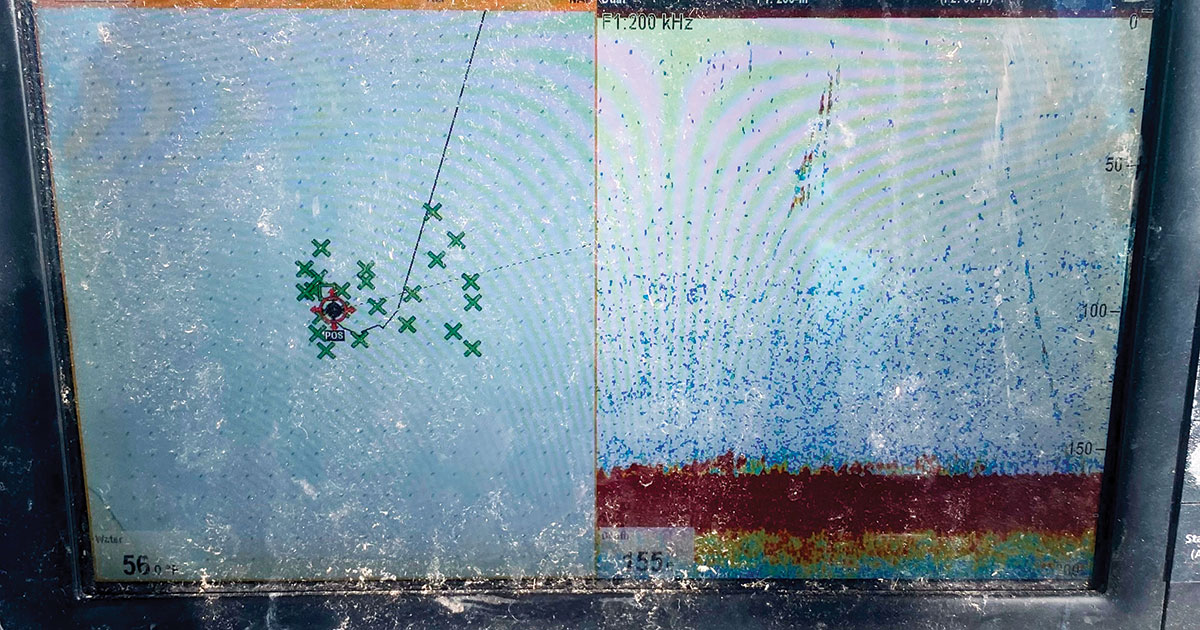
When wreck or reef fishing, an electric trolling motor can quickly make you the Alpha dog of the fleet. My favorite “KISS” method for using the handheld controller, especially with incompatible (non-integrated) electronics, is to first map out the complete profile of the wreck with save marks, putting the chartplotter in split-screen mode, with the chart on one side of the multi-function display screen and the echo sounder on the other. You’ll get your most accurate results performing this task with the display set on max magnification (20- to 50-foot mode) and moving along at slow 1- to 2-knot speeds. Depending on the size of the structure, it might take 20 to 30 minutes to make this happen, but it’s a result that will continue to pay future dividends.
Once you have established the structure’s perimeter profile, you can now “micro-jog” 5 feet or so in every direction to explore its hidden treasures. The main benefit of this approach is that you get more time over potentially productive bottom versus the usual “drift across the structure” approach. Drifting the edges requires heavier sinkers and jigs to keep your offerings in the zone for scant seconds with the possibility of hanging up on the gnarly bottom and losing expensive line and terminal gear as you drift across.
GPS anchoring over a spot allows anglers to use lighter gear and puts a lot more life into dancing a small jig and teaser over a potentially productive spot. My usual outfit when in GPS anchor mode over an inshore or deepwater wreck is my trusty Penn Battle III/IV 4000 series DX spinner with brass gears that holds 275 yards of 15-pound PowerPro hi-vis braid and a 12-foot top shot of either 40-pound Berkley Chrome mono or fluoro leader. Attached to an affordable 6-foot Shimano Talavera Type-S slow pitch spin jigging rod, this combo has brought many cod, pollock, and double-header knothead sea bass to boatside.
For tuna hunters, the simplicity of employing a handheld controller can also be a total game-changer, allowing you to drift on the edges of sand eel swarms, feeding whales and porpoises and then GPS-anchoring to spots where the telltale “red inverted vee” signatures appear on your depth sounder’s screen, signaling the presence of feeding tuna. If you are shark fishing (does anyone still do that intentionally with all the oppressive regs?), you can work that handheld controller to follow the dips and valleys of a 20- to 30-fathom curve or wreck, or drift near a school of bunker in nearshore waters waiting for a big dog to pick up your live bait.
Enhanced Capabilities
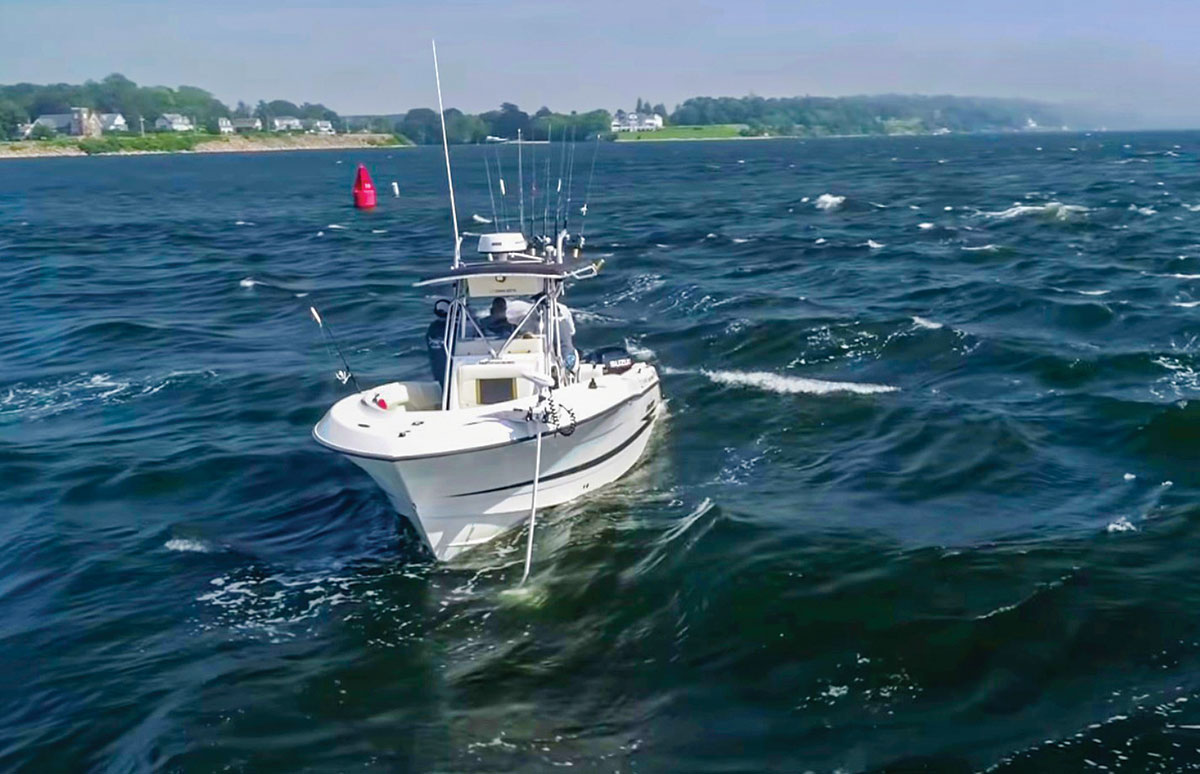
As of this writing, a number of trolling motor manufacturers offer integrated e-links to their brand of multi-function displays (MFD). Among this group are Humminbird to Minn Kota; Garmin to Force Kraken; and Simrad/Lowrance to Recon/Ghost X. In addition, Raymarine MFDs have recently been updated to offer some basic integration with Rhodan trolling motors. Depending on your brand of motor and MFD, some of this functionality includes features like a GPS anchor; drift control; chart contour tracking; orbiting a spot; recording and retracing a specific path; auto pilot; an electronic sea anchor to manage your drift in conflicting wind and current; micro movements like jogging in any direction in small increments; and more.
One of the disciples of integrated trolling motor functionality is The Fisherman’s Publisher Mike Caruso, who has a Minn Kota mounted on his Steiger 25 DV Miami, supported by a Humminbird MFD. “Trolling motors on their own are game-changers that provide a huge advantage, especially spot lock, but there’s so much more you can do,” said Caruso, explaining how trolling motors are integrated with a compatible MFD thought valuable functions are unlocked that take your fishing to the next level and turns you boat into a precision fishing machine.
“I primarily fish the structure of Long Island Sound where sharp drop-offs and rocky walls are havens for bait, striped bass and bluefish,” said Caruso, describing long stretches of drop-offs on his favorite grounds that can go on for miles, which are best fished with a vertical jig. “It would be ideal if the current and wind would drift you along that edge, but that’s hardly ever the case,” he said, adding “My Humminbird Apex is integrated with my Minn Kota Terrova Instinct Quest trolling motor, which provides a fingertip auto-deploy solution.”
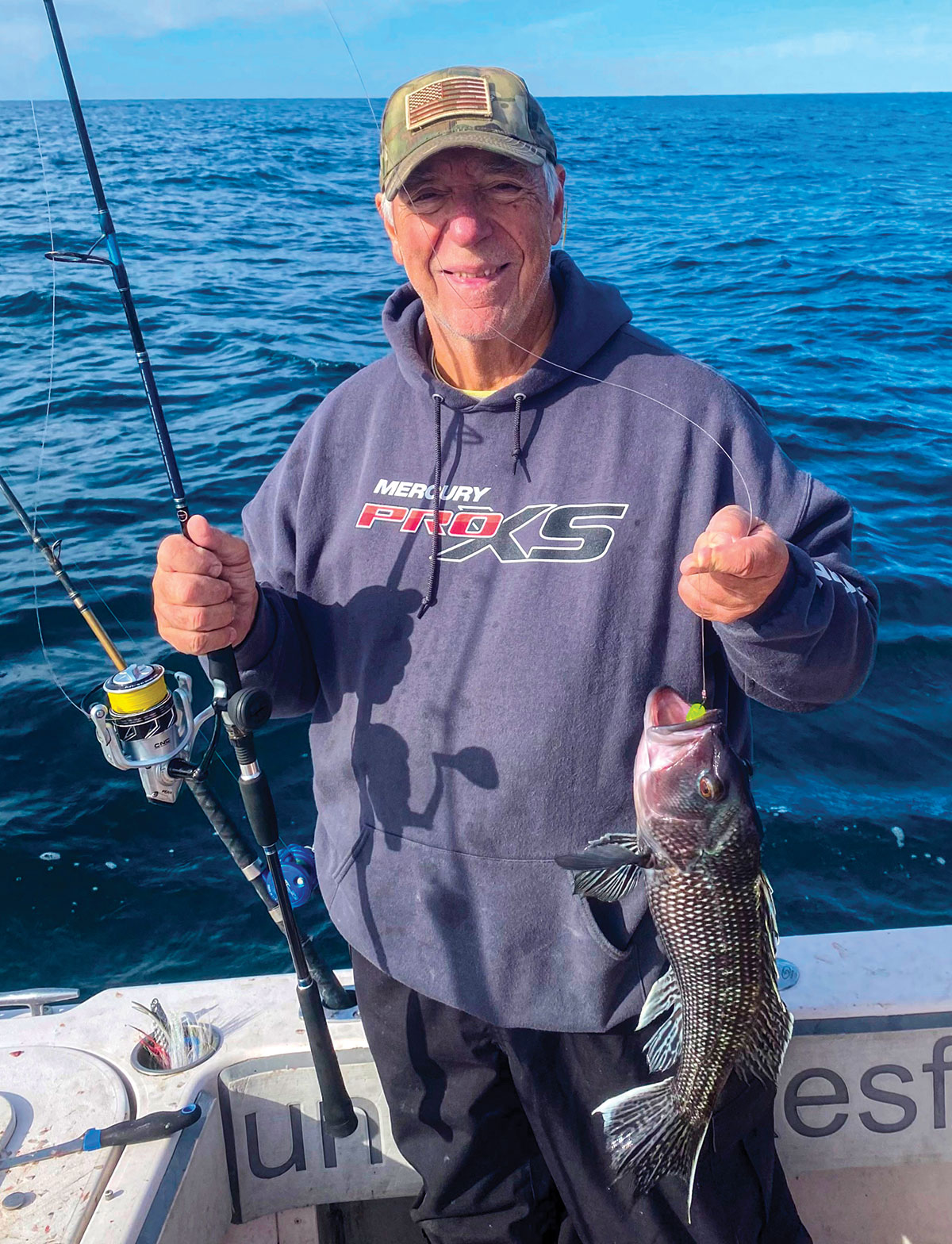
“Using advanced GPS with Contour Follow, I can select any bathymetric line on my chartplotter and program my trolling motor to automatically follow that specific depth (contour line) on the chart, hands-free. As a result, I vertical jig along the edge for the entire length of the structure, regardless of the influence of wind and tide,” Caruso noted. “Plus, I can select the speed and even reserve the route with a push of a button to go back over productive spots or fish marks on the MFD’s echo sounder,” he added.
Caruso described how he uses use the Drift Mode function which maintains a straight drift line, consistent speed, which allows him to make small steering and power adjustments to counter wind, current and waves. “For fluke fishing it’s especially effective, because it’s all about the drift, which is often not ideal,” said Caruso, adding “This function sets up the preferred pathway and keeps my Steiger drifting perfectly along structure, without having to power drift using the outboard or deploy a sea anchor. It’s a huge upgrade over traditional drifting with wind and current.”
“Lastly, one of my most-used functions in conjunction with Spot Lock, is the ability to jog my position in 5-foot increments in any direction to fine tune my position over a wreck, reef, or rock pile while tog fishing,” he said, adding “It lets me move my boat in small, precise steps while staying on the productive spot.” Caruso describes how he often fishes a glacial boulder field for tog, where the Minn Kota allows him to literally hop from one big rock to the next with ease. “Once on a larger piece, it’s those micro adjustments that have proven to optimize my catch rate,” he added.
Tactical Tips
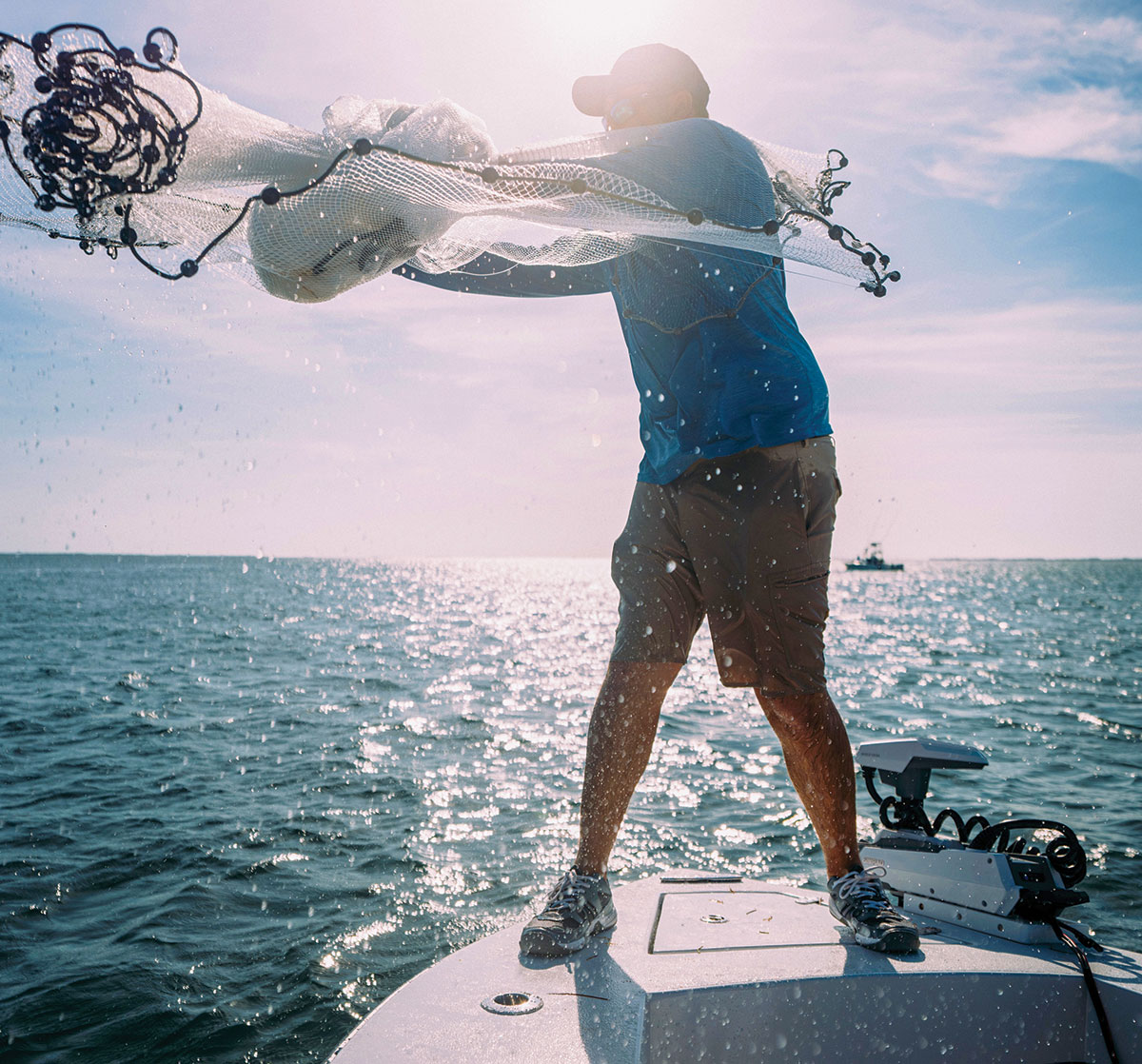
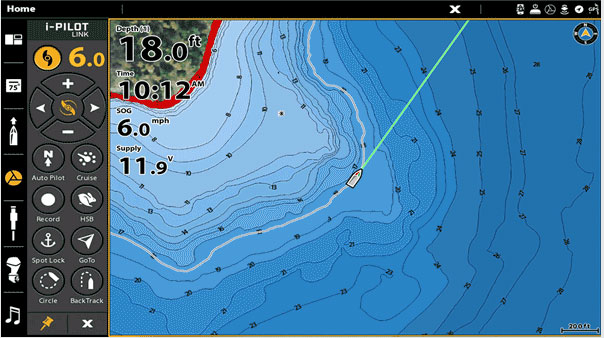
When looking to glean some tactical tips on how to integrate a trolling motor with a compatible MFD, I reached out to the folks at Humminbird (Minn Kota), Garmin (Force Kraken) and Navico (Lowrance Recon/Ghost X and Simrad/Recon). The techs at Minn Kota shared the following interesting info with me. “Minn Kota trolling motors follow contour lines by linking the motor via Ethernet to a Humminbird fishfinder. Anglers simply select a depth contour on their chart, choose a direction and the system takes over, automatically steering the boat along that line with precise GPS control. Once engaged, the motor continuously makes subtle heading and speed adjustments to keep the boat locked onto the selected depth, even as conditions change. This allows anglers to stay perfectly positioned along key structure like breaklines, drop-offs, weed edges, or submerged points.”
“Because the system is constantly correcting for wind, current, and drift, it eliminates the need for manual steering and reduces guesswork. Users can also fine-tune their path on the fly, adjust depth to fish slightly deeper or shallower than the selected contour, and integrate features like Spot-Lock to hold on key spots or pieces of structure. The result is a hands-free, highly repeatable approach that maximizes efficiency, boat control, and time spent fishing productive water.”
Talking with the folks from Garmin and Navico, their motors offer many of these same integrated features.
Trolling motor functionality can be as simple or as complex as your angling habits require. You don’t need the intricacies of complete system integration to enjoy the basic benefits of using an electric trolling motor for a variety of back bay, inshore and offshore tasks. Working the buttons on that convenient wireless controller can be a total force multiplier all by itself. However, an integrated system’s ability to work a contour line, keep a productive drift going the right way when the wind is opposed to a running current, being able to reverse a track line, or work a structured loop around a productive reef, rock pile or wreck offer some unique benefits that are worth the effort to link your trolling motor to the same brand of MFD.
While trolling motors can really improve your catch ratios and present new opportunities that were previously unavailable, they are not a magical elixir for all sportfishing scenarios. One place where a trolling motor might not meet expectations occurs when working deep water in swift currents, like eastern Long Island Sound, or the volatile waters off Montauk, the islands off Cape Cod and Block Island. Sure, your trolling motor might be working overtime to keep your boat positioned over a wreck, rip, ledge, or rocky formation, but the problem is that by the time your bait gets down to the bottom in a 3- to 4.5-knot current, it could be 75 to 100 feet behind your boat!
Keep in mind that there are also protocol conflicts when a dozen or more boats are drifting an area with the wind and current and a determined angler crashes the party and tries to GPS-anchor his boat amongst the fleet, causing potential collision hazards with boats that are rapidly drifting by in close proximity. The potential for traffic jams, unplanned bumps and tangled lines won’t make you any new friends in this chaos.
The pros of using a trolling motor to enhance your tactical angling prowess certainly outweigh the cons, but you must be aware of the limitations. In future articles on the topic, we’ll explore the process of how to find and fit the right trolling motor for your boat, as well as getting some tips and tricks from local professionals for safely installing and wiring them on a boat, so stay tuned.