Too many good fish are lost to bad drag habits.
When you hook into a powerful striped bass, the outcome often hinges on a single variable – your drag setting. That little dial or lever on your reel isn’t just a detail; it’s the control center for the entire fight. If not set properly, the best gear in the world won’t help.
From jigging deep channels to trolling live baits or casting swimbaits around structure, your drag plays a key role in whether or not a fish makes it to the net. It’s not just about setting it tight or loose – it’s about striking the right balance and knowing when to make adjustments.
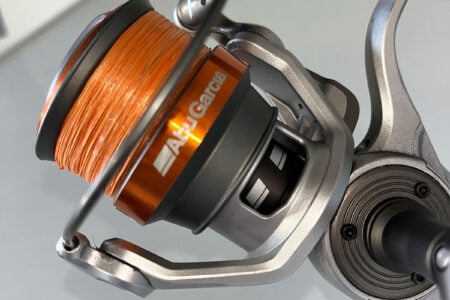
Your drag is a clutch mechanism that allows line to slip off the spool under pressure. Its purpose is to apply enough resistance to tire out the fish while preventing your line or leader from breaking. Set correctly, it lets you stay just below the failure point of your gear.
The standard starting point is to set your drag to 25 to 30 percent of your line’s rated breaking strength. If you’re using 30-pound braid, aim for about 7.5 to 9 pounds of drag. You can measure this with a handheld or spring scale. Pull line off the spool through the guides at a 45-degree angle, mimicking real fight conditions.

Braided line dominates modern striper fishing for its strength and thin diameter. But its lack of stretch also means less forgiveness. Sudden surges from a fish – especially near the boat – can put stress on knots, leaders, or even the reel itself.
To help absorb shock, use a fluorocarbon or monofilament leader, typically 5 to 8 feet long. This acts as a cushion during hooksets and lunges. A rod with a moderate-fast tip can also help buffer against the abrupt movements of a big bass.
Stripers often relate to structure – whether it’s rock piles, pilings, ledges, or submerged debris – and that’s where drag management becomes critical. In these tight quarters, you need enough pressure to turn a fish before it dives into cover, but not so much that you rip the hook free or pop the leader.
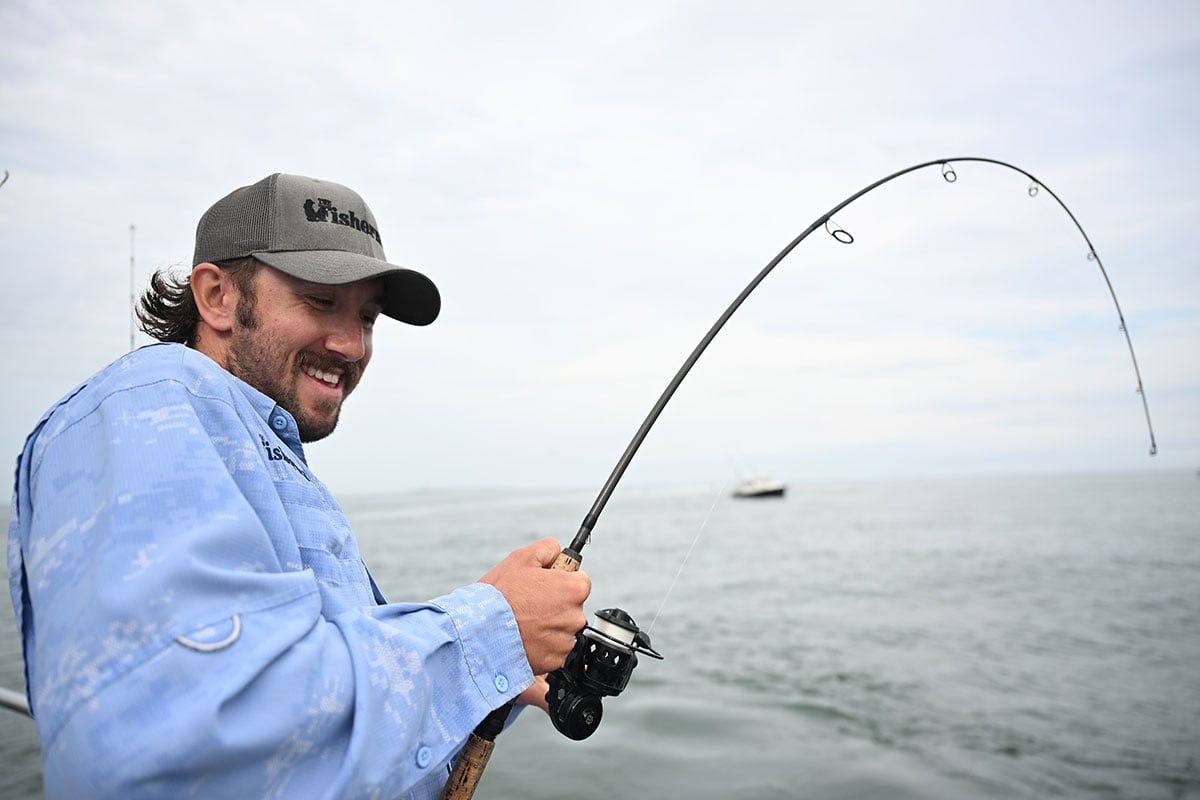
Start with a solid baseline drag setting, then apply additional pressure manually, as needed. On spinning reels, this means light palming of the spool during the initial run. On conventional setups, thumbing the spool can give you an extra edge without having to tighten the drag mid-fight. Once the fish is clear of danger, back off and let the drag system do its job.
In open water, you have room to let the fish run. With fewer obstructions to worry about, a smooth and consistent drag is often better than a tight one. This is especially important when trolling larger offerings like mojos or umbrella rigs, which can put added strain on your setup during a strike.
Allow the fish to load the rod naturally, then come tight. Let the reel’s drag and the rod’s flex work together. Avoid tightening the drag just because you’re in open water – the fight will play out cleaner, and you’ll reduce the chances of pulling hooks.
Your drag setting also depends on your hook style. With circle hooks, the key is to let the fish run and gradually come tight – don’t swing. A drag that’s too tight can cause the hook to pull before it sets properly. Aim for smooth pressure throughout the take.
For jigs, plastics, or plugs a firmer hookset is needed. In this case, your drag can be slightly tighter to drive the hook home, but not so tight that it overpowers your knots or tackle. Strike with confidence, but let the drag cushion the rest of the fight.
Over time, drag systems can change. Salt, temperature, wear, and even a long fight can affect their performance. That’s why it’s good practice to check your drag frequently, especially before each outing or after landing a large fish. Don’t rely on how the drag “feels” by pulling line with your hands. Use a scale when it counts. What seems tight enough at rest might be inadequate under the strain of a true cow bass.
Too many good fish are lost to bad drag habits. A quality reel doesn’t do much if the drag isn’t set correctly. Think of your drag as part of the entire system – alongside your knots, hooks, line, and rod. When they all work in harmony, you maximize your odds of success. Whether you’re working deep structure or cruising open water, learn your gear, test your settings, and let your drag help you close the deal. The next time a striper makes a blistering run, you’ll be ready – not surprised.