You can improve your fly casting significantly just by choosing the right combination of rod, reel, and line.
There’s real value in finding a rod that matches your stroke, pairing it with a line that truly “lines up,” and adding a reel of the proper weight. When all three work together, loops tighten, distance comes easier, and accuracy improves. This won’t turn a total beginner into an expert, but if you already cast reasonably well, fine-tuning your tackle can take your game to a level that may surprise you.
Start with the rod. Avoid buying “sight unseen” or assuming a high price guarantees performance. The best approach is to cast as many rods as you can in the line weight and style of fishing you plan to do. You can do this at fly shops, tackle shows, or club events, or by borrowing from friends. Pay attention to how each rod feels in your hand. Some will seem stiff and unresponsive, while others will respond immediately and let you cast without effort. Usually one or two will stand out. If possible, buy the exact rod you tested. It doesn’t matter if it’s an entry-level stick or a top-shelf model — the one you cast best is the right one for you.
When a rod fits, you’ll know it. The line will shoot cleanly from the tip, the rod will load easily, and casts at all distances will feel controlled. Don’t just test at short range; make sure the rod performs at the 30 to 60 feet where most fishing happens, and then stretch it out longer to see what it can do. The “right” rod often adds distance to your cast simply because it’s working with you instead of against you.
Next comes the line. Not all fly lines are created equal, even if they’re the same weight and taper. Putting a random line on your rod can dull its action, while the right line can make it come alive. If you loved a rod you tried at a shop or show, ask what line was on it and start there. Beyond that, experiment whenever you can. Try several lines of the same weight, then go one size lighter and one size heavier. Sometimes the rod feels best with something different than the manufacturer’s rating. A rod marked for a 6 weight, for example, may feel crisp and effortless with a 5, or load beautifully with a 7.
If you own multiple lines, test them systematically. If not, see if your local shop has demo lines or borrow from friends. Many clubs even keep a “line library” for members to try. This is ideal, because only by casting different lines on the same rod will you feel how dramatically things change. The right line amplifies the rod’s strengths, tightens loops, and makes casting seem effortless. When you find it, the line almost leaps from the rod tip with little more than a smooth stroke.
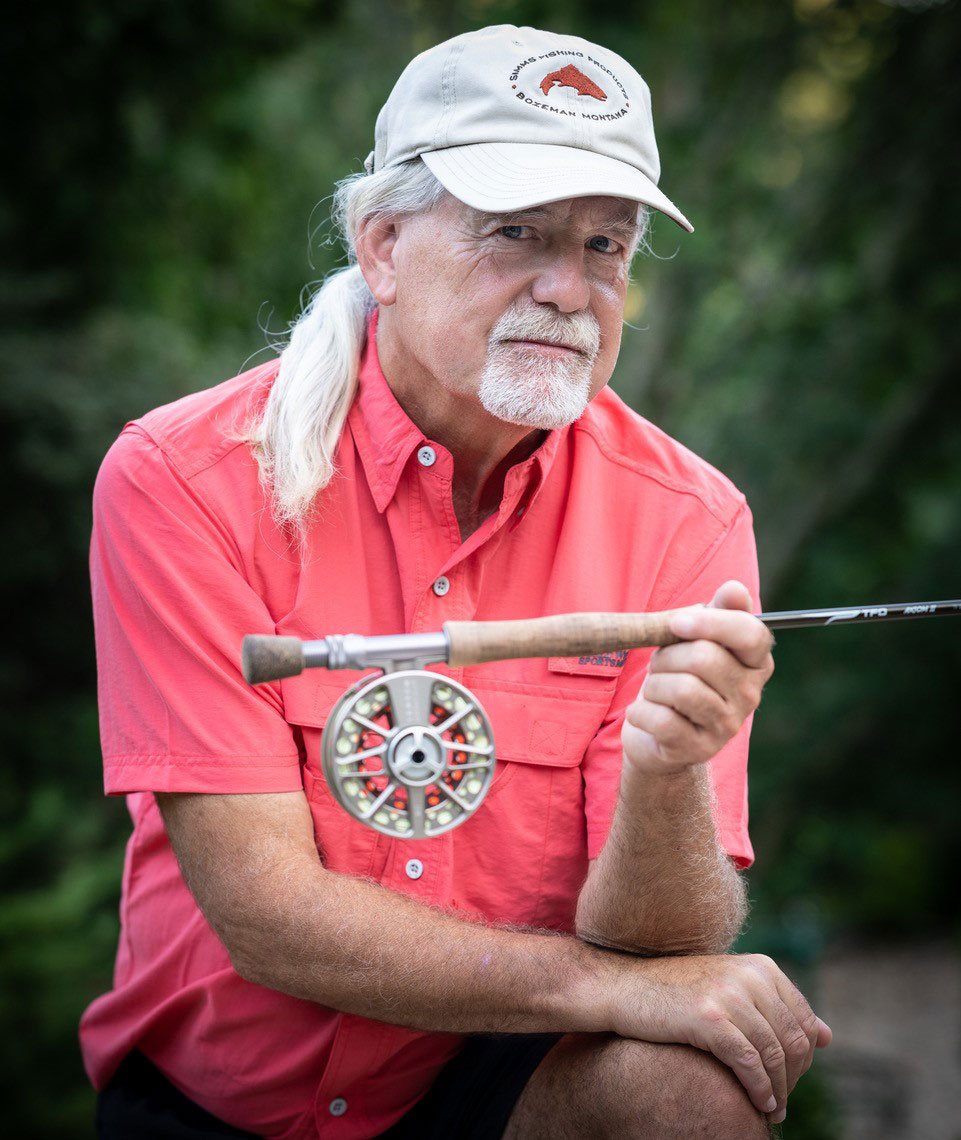
Finally, fine-tune with the reel. While drag quality and design are important, what really affects your casting is weight. Too heavy or too light throws off balance, and balance becomes more noticeable the longer you fish. Once you’ve chosen a rod and line, mount reels of different weights and see which feels best in hand. A heavier reel sometimes steadies the rod and makes it track straighter, while a lighter one can make it feel livelier and quicker. Even a difference of a few ounces can change the way the rod responds.
Don’t just wiggle the rod in the shop — go outside and cast it with the reel mounted. Pay attention to how the outfit feels after a dozen casts, then after a few dozen more. A well-balanced outfit won’t feel tip-heavy or awkward, which means less fatigue and more consistency on the water.
When you hit the sweet spot — the rod that matches your stroke, the line that loads it perfectly, and the reel that balances it — the outfit feels like an extension of your arm. Loops tighten, accuracy sharpens, and distance comes with less effort. The improvement isn’t magic; it’s simply the result of tools working in harmony.
Of course, no equipment can replace sound technique or the value of practice. A perfectly matched outfit won’t turn a poor caster into a great one. But for anglers with decent skills, fine-tuning gear delivers noticeable — and for some, significant — improvement in both casting and fishing. For many, it’s an ace in the hole, a simple way to unlock better performance without changing anything else.