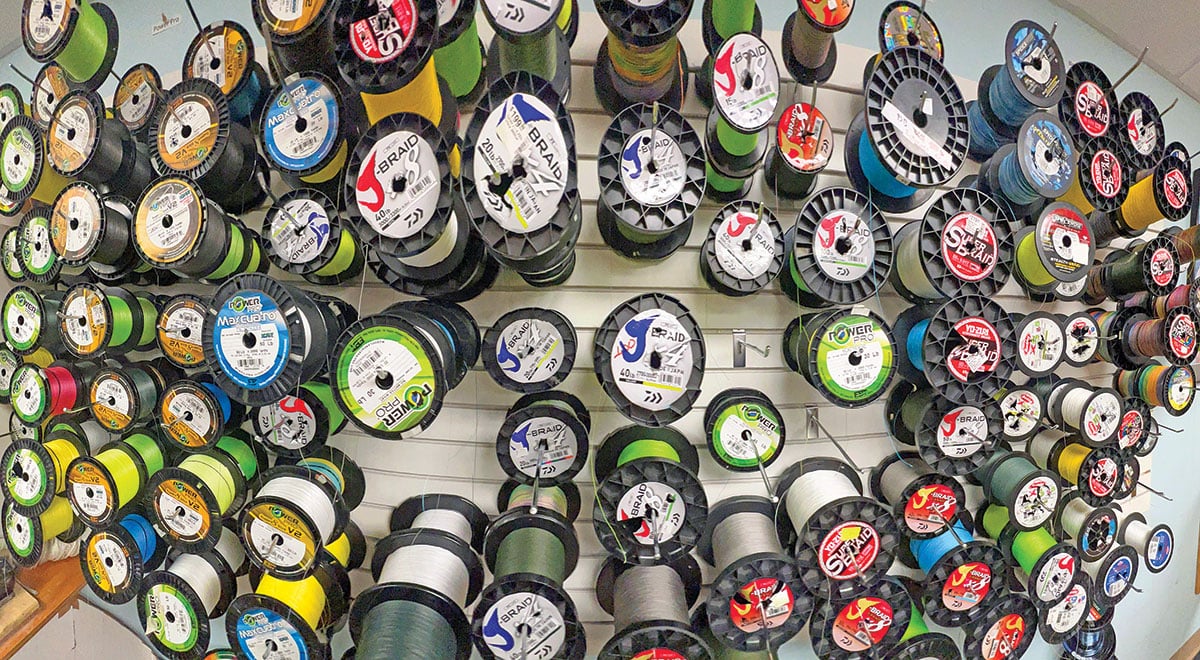
As a high school chemistry teacher, charter captain, and proverbial science nerd, the development and chemistry of modern fishing lines has always intrigued me. By incorporating these technologies, it has also helped elevate my fishing
Most synthetic lines are made from polymer chemistry; without getting into the nerdy details, that involves linking compounds called resins. It’s sort of like combining Legos in coordinated repeating segments to build a long unbroken chain.
Sometimes additives (fluorocarbons) are added to the polymer chain and these enhance the strength, durability, and abrasive-resistant qualities. But there are a ton of line options out there for the angler to consider; so let’s take a deeper dive into the most important link between you and the fish and the impact it has had on our fisheries.
Dupont was the key player in the development with some of the first “nylon” based monofilaments being invented around the late 1930s. By 1939, fishing lines were made available to the consumers, but it wasn’t until after World War II that fishing became popular with baby boomers. The early versions of the line was very stiff, but by 1959 after continued research and development, the “Stren” line was born and continues to be a reliable brand to this day.
Monofilament line offered a cheap, soft and perfect line for spinning reels which is still very popular today, especially on offshore gear and even commercial longlining operations. The only issue with monofilament has been the inherit “stretch” which in terms of the increasingly popular, finesse style of fishing, notably largemouth bass fishing, it became a reliable reason for missed strikes.
But thanks to the wonders of modern chemistry and engineering, the invention of braided lines solved the problem with new lines having more “angling” no-stretch, strength, and more “feel” attributes.
The Braid Revolution
Braided line began its journey into the fishing recreational industry in the 1950s with Dacron lines becoming a suitable line for anglers as it was lightweight, soft and very strong compared to the available monofilaments. But the major breakthroughs in technology and braided line production occurred towards the end of the 1980s with the debut of spectra super-lines. The lines debuted on the freshwater bass scene, but quickly became popular for anglers targeting many of our briny species.
Konrad Krauland, best known today as being the man behind the PowerPro line of braid, first began selling braided line to anglers from his Innovative Textiles company through a California-based tackle distributor. As the story guys, when a professional bass angler won a big tournament using Krauland’s 50-pound braid in the early 90s, the popularity of braid began to increase.
“When we introduced PowerPro we were clearly battling the lower cost monofilaments versus the super-high price of braid,” Krauland told The Fisherman last summer at ICAST, adding “At first we were just trying to scratch that market so we produced the lowest cost braids we could possibly do.” Krauland described those first braids as being rather rough to the touch, but once these early models were accepted by anglers they were able to continue issuing new and improved versions at a higher cost. Krauland’s Innovative Textiles soon began making Spiderwire and the popularity of braid soared.
This new synthetic, high performance polyethylene line offered very thin, strong, and the “no stretch” attributes of braided line allowing anglers to “feel” the slightest discrepancies underwater. As technology increased, current lines have even become thinner, with softer tolerances and a wider range of sensitivities and colors.
“Nowadays we’re moving from the regular spectra to this new HT spectra, High Tenacity we call it,’ said Krauland, adding “This was a revolution that came out about 10 years ago.”
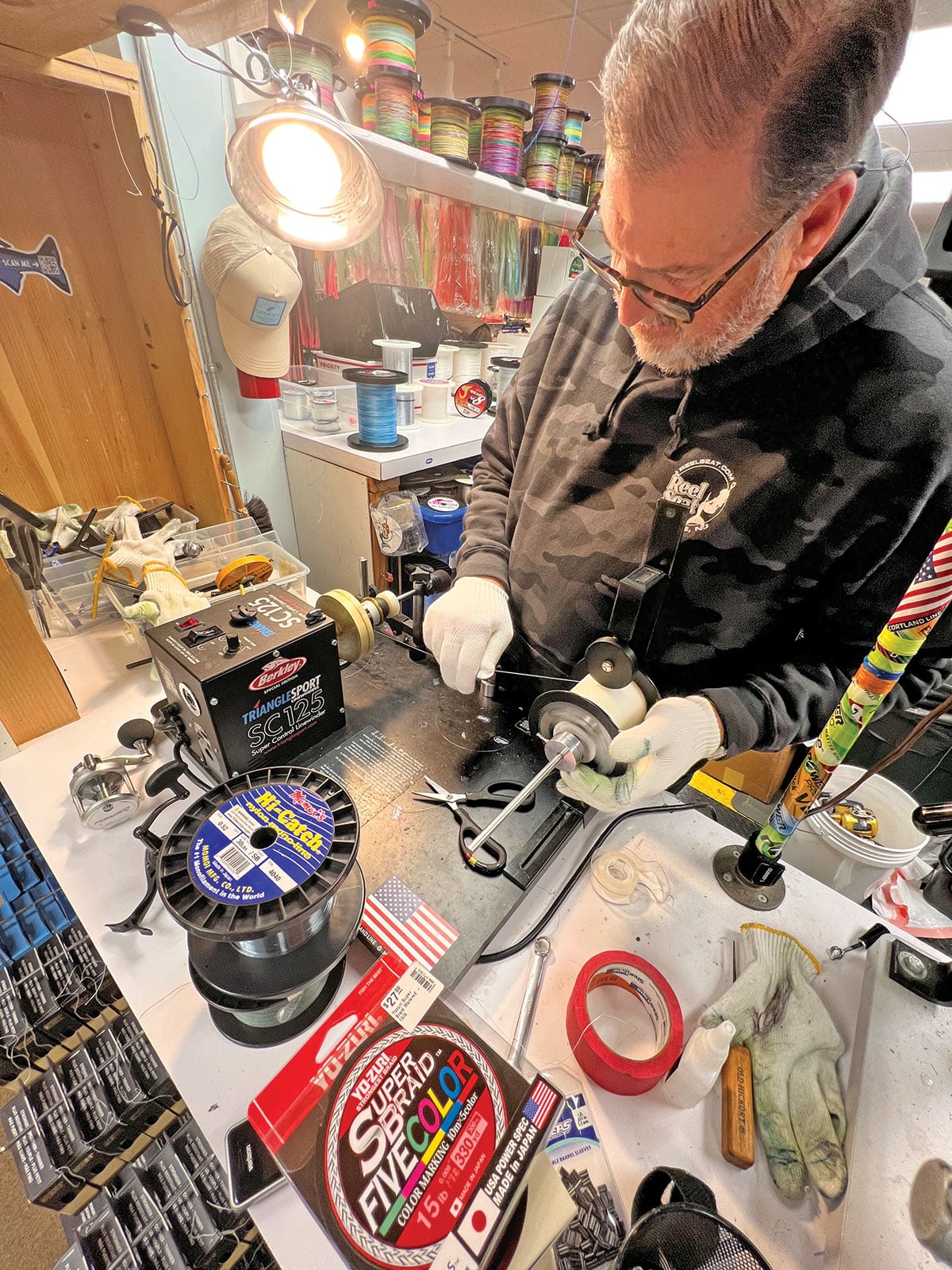
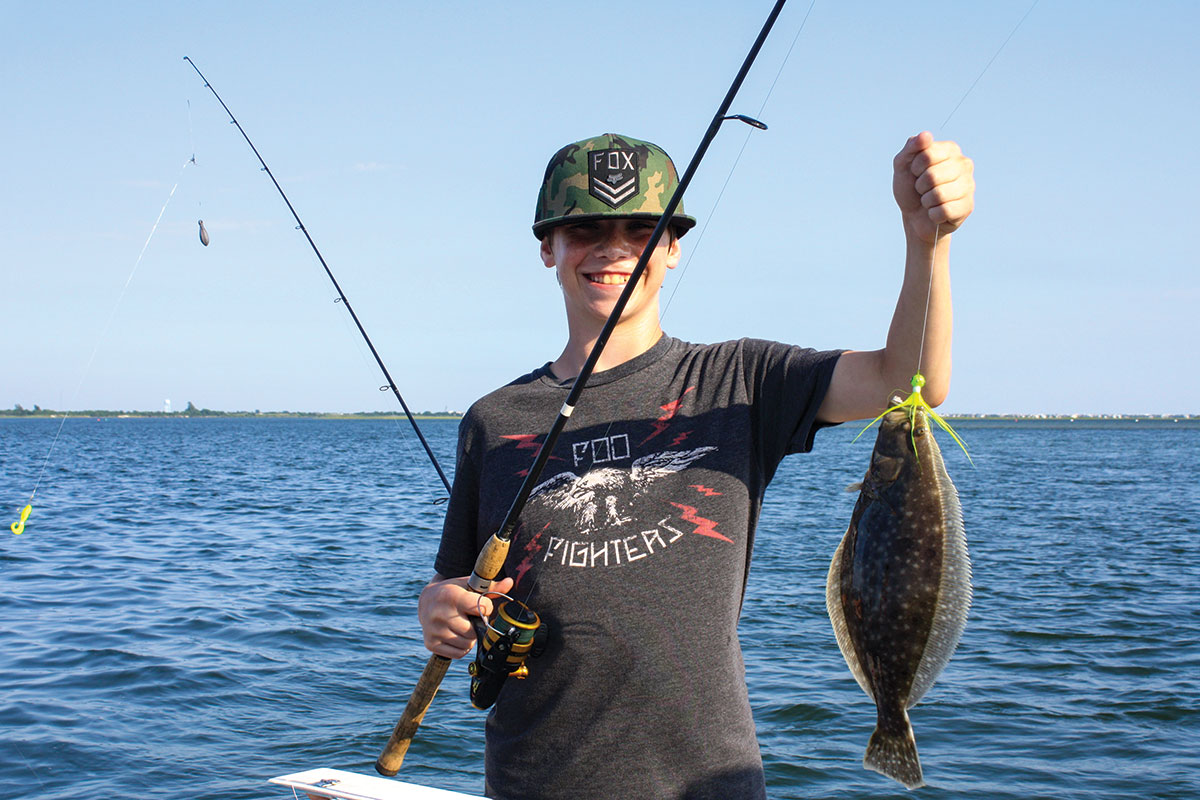
Over the years, braid development continues to be refined with more strands being incorporated into the lines as machining has become increasingly smaller and more efficient. When more strands are used, braided line becomes stronger and more flexible allowing line to have a “silky” feel which greatly increases line sensitivity. Braid has become the gold standard for certain Northeast fisheries like summer flounder and tautog where bite sensitivity is ultra-important promoting higher hook up ratios.
Additionally, the industry has been trying to reduce the waste burden of these synthetic lines as they take a considerable time to decompose evidenced by many underwater wreck divers. Newer advances in synthetic “bio-based” materials can cut the time for decomposition and reduce the imprint of lines on our wrecks and reef sites.
As braid entered the mainstream fishing scene, companies had already started designing lines for offshore use. The late 1990s into the 2000s had braided line pushing into the hollow-core line movement. This stronger braided polyethylene material could be spun into 10 to 16 strands which enhanced abrasion resistance, but the hollow core allowing for easier line to leader connections. The hollow-core versions could easily be spliced for direct connections with zero knots letting the line flow through the guides of the offshore tuna and marlin sticks with ease.
Most tackle shops up and down our coast will recommend spooling offshore trolling reels with hollow-core line from 60- to 130-pound test depending on the pelagic species being targeted. In addition, the diameter is much smaller allowing for more line to be spooled on the reel which is a big change from the Dacron and monofilament days.
Color & Visibility
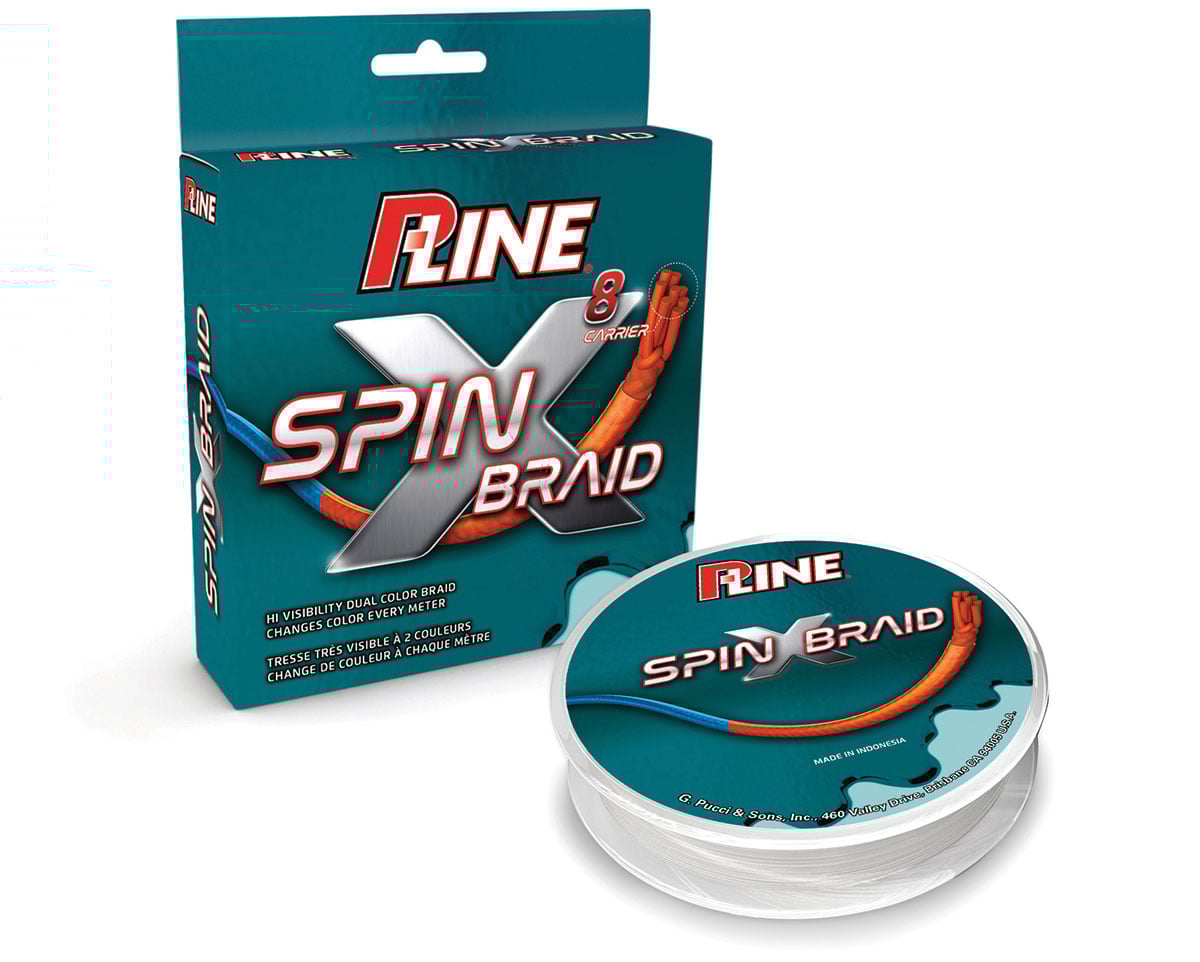
When braided lines first entered the market they were primarily white and an off-white which was the natural color of the fibrous compounds. After years of development on different dyes, colors specific to different fishing conditions were developed. Some of the current colors available include moss green, camo, blue, chartreuse or hi-vis yellow, white, grey and pink. In addition, many manufacturers like Berkley, PowerPro, P-Line and others are incorporating changing color patterns for every 100 feet which is a game-changer for anglers trying to reach certain depths. In our striped bass trolling days when regulations were different, we used Berkely Prospec braided lines on our trolling setups so we could accurately place lures at a certain distance and depth from the vessel.
| GREENER & CLEANER |
| Just as ghost crab traps can be an issue in our bays and estuaries, line remaining from snags and lost lures can be an issue along any of our structured fishing spots. Traditional mono can take up to 600 years to decompose according to the Wetlands Institute. Monofilament recycling has gained increasing popularity where disposed lines are recycled by melting into mono pellets and these are reused to make a variety of different plastic products. Braid can be much worse since it’s much more durable, and does not break down in sunlight therefore allowing it to “live” indefinitely in the freshwater or marine environments.
That said, many companies are beginning to dabble in greener chemistries. The search for biodegradable resins which breakdown quicker in the environment is ongoing as it’s a balance between line performance and it’s exciting to see these companies start to lean on newer, “greener” chemistry. These new lines will hopefully reduce our impact underwater on our jetties, wrecks, bay, and ocean bottoms. – Capt. B. Taylor |
In saltwater applications, different camos, moss green and grey braid colors excels for back bays and greener waters due to its ability to blend in with the murkier, turbid water. Inshore and cleaner waters will have pink, blue, and white having better results as they are less likely to standout in comparison to the darker line types. Trolling or fishing when distance or visibility is needed will have the hi-vis yellow or green lines and marked lines doing the best. The metered lines are a tad more expensive due to the accurate distance markings, but they can dramatically increase your ability to put lures in the right locations.
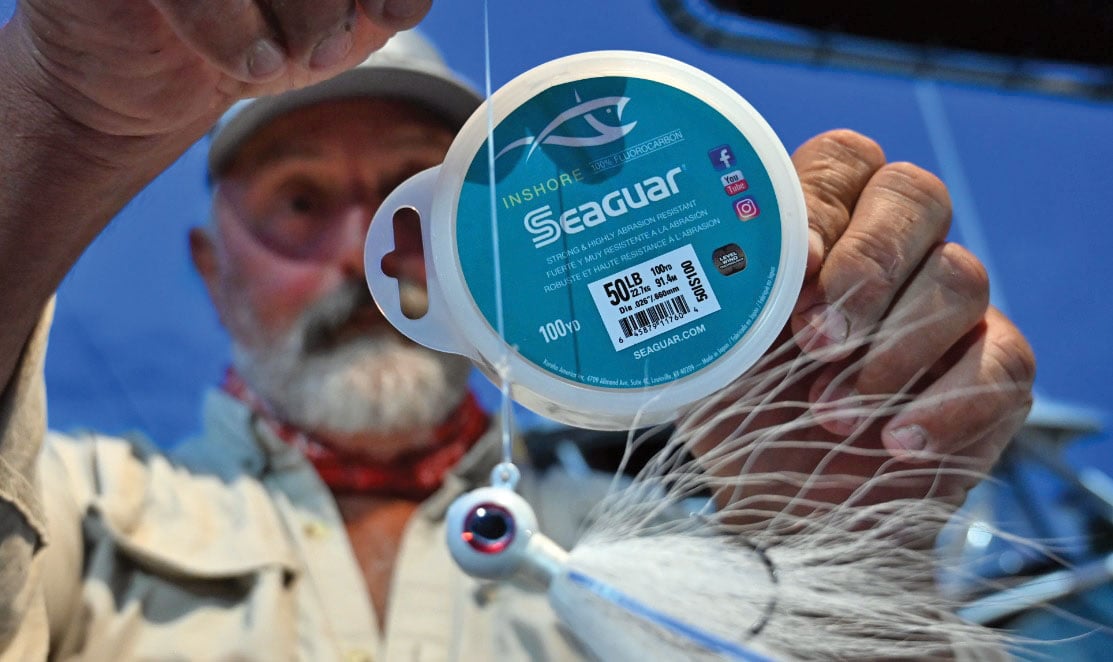
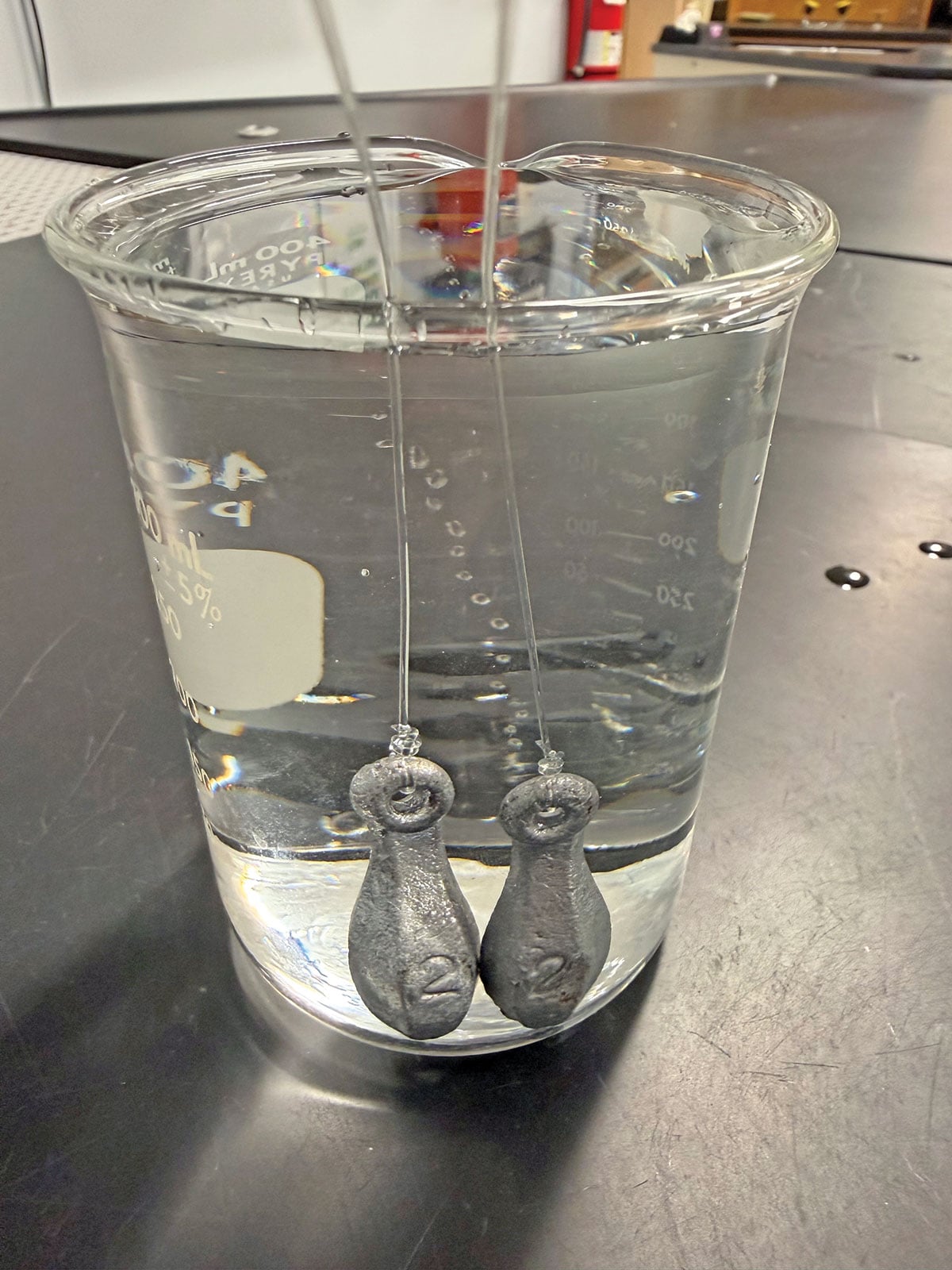
At the same time as nylon-based monofilament and braided lines were being developed and tweaked, fluorocarbon was being designed across the Pacific. In 1971, a Japanese company invented the first fluorocarbon line and eventually the company would become known as the current Seaguar brand. Fluorocarbon line has some unique qualities making it preferable in certain cases over monofilament such as: high durability, non-porous, high-density and a refractory index close to water. The closer the refractory number is to water the more invisible a line will appear. Monofilament line runs about 1.60, while fluorocarbon runs as low as 1.40 and water is 1.35.
The complexity of the chemical makeup of fluorocarbon allows for slightly less stretch, and I find it offers better abrasion resistance which makes it the preferred line when fishing rocky and sticky structure. But where fluorocarbon line really made a difference has been in its use as a leader material and it quickly became a top-producer from Florida to Maine on a variety of species.
Leader – Mono vs. Fluoro
With both types of nylon line technologies having unique attributes, each line has certain areas where they outperform one another. Traditional monofilament leaders are more elastic, allowing for more stretch which helps to act as a shock absorber. The shock absorbing quality is great for species that strike lures or baits hard. Additionally, mono leader has more buoyancy then denser fluorocarbon leaders making it perfect for lures fished in the upper third of the water column. Plugs, poppers, and other topwater lures are perfectly matched for using monofilament leader when targeting species such as: striped bass and bluefish.
The denser fluorocarbon leaders conversely excel in fishing situations which involve stealth and sensitivity. Most bottom fishing applications such as summer flounder (bay or ocean), tautog, and sheepshead are perfect for using fluorocarbon leaders. Tautog and sheepshead fishing are especially good with braided line and fluorocarbon line as bites can be very subtle and challenging to say the least. Pelagic species generally have excellent eyesight as they hunt visually for prey items and need to capitalize in the open ocean.
Anglers using fluorocarbon leaders outperform mono leaders in most jigging, chunking, and casting applications with baits or artificials. Bonito, mahi, bluefin, yellowfin and other pelagics can become “line-shy” in some circumstances. I have seen instances where captains had to reduce leader sizes to find the correct size for hookups to result. The offering would be untouched by tuna and the likes as they swam by, only to be engulfed once the line was adjusted.
Finally, a word of caution; anglers who fish in areas which put their vessels in precarious situations should consider using monofilament-spooled setups as compared to braided. Areas with moving water around structure (rocks, bridges, sandbars) along with breaking waves along current rips and bars are dangerous fishing locations for vessels. Unfortunately, these same locations can be fantastic areas to find a variety of our gamefish.
Braid boasts incredible strength and can easily foul a spinning propeller. I have seen braided line literally stop an outboard propeller due to fouling, and once this occurs, the vessel and crew are dead-in-the-water putting occupants in jeopardy. In addition to safety concerns, applied tension on braided line can cut like a razor blade as any surf fisherman would know and can easily slice through lower unit seals making for costly repairs.