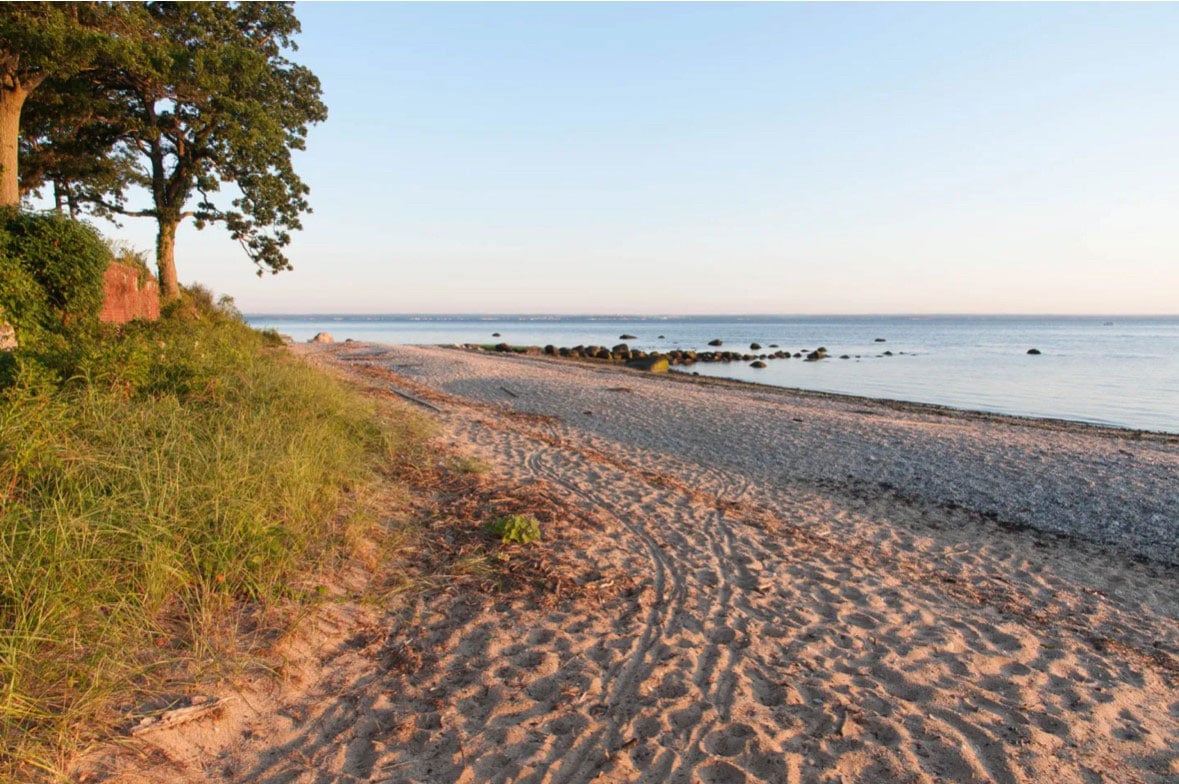
Most local anglers and old-time veterans still refer to it by its original name—Marshall Field. Today, however, most tourists and visitors know it as Caumsett State Historic Park Preserve. While visitors enjoy hiking, admiring the flowers, cycling, and simply taking in nature’s beauty, boat anglers quietly work this ace-in-the-hole fishing location, taking advantage of the many species that settle into this productive hotspot throughout the season.
Situated between Cold Spring Harbor and Huntington Bay, Marshall Field features a diverse underwater landscape made up of boulders, scattered stones, mussel and oyster beds, along with fringes of sandy and silty bottom. This varied habitat creates ideal feeding grounds for a wide range of fish and produces a steady bite through much of the year.
The action typically begins by the end of April as striped bass of mixed sizes move into the countless rips and eddies that form off the tip of the Marshall Field peninsula. Early in the season, soft-body plastics—particularly peanut bunker imitations—are ideal offerings. Work the plastics slowly along the bottom where bass often stage and feed in the cooler spring water.
As the water warms and baitfish move into the area, fresh bunker chunks usually gain the advantage. This pattern continues through much of the summer. During August, trolling bunker spoons and umbrella rigs during the first hour after sunrise can produce quality fish. This short window of opportunity often closes quickly as the hot summer sun pushes bass into deeper water until evening, when they move back onto the structure to feed again.
Next on the list are porgies, primarily of mixed sizes, although plenty of extra-large fish and true jumbos show up as well. Fresh clam baits fished on standard porgy rigs are usually the ticket early in the season. However, it’s wise to keep a supply of sandworms aboard in case the scup become finicky. If you prefer tying your own hooks, I strongly recommend super-sharp Gamakatsu 1/0 O’Shaughnessy hooks snelled onto fluorocarbon leader material for maximum strength and invisibility.

Drifting over the mussel and oyster beds is usually the best tactic early in the season. As summer progresses, anchoring and chumming with clam logs often produces better results, especially when schools of scup settle into the area in larger numbers. In most years, anglers can count on porgies hanging around well into mid-November, providing steady action long after many other species have thinned out.
Next on deck are fluke, although the fishery here has been somewhat inconsistent in recent years. Most seasons produce primarily short fish with only a handful of keepers mixed in. That said, when conditions line up and the flatties arrive in good numbers, the fishing can be surprisingly productive. Spro Prime Bucktails in glow, white, pink, and chartreuse are reliable producers and will keep rods bent when the summer flatties are cooperating. Tipping the bucktails with squid, spearing, or sea robin strips greatly improves your odds and adds extra scent and action to the presentation.
The main feature at Marshall Field arrives in mid-October, when blackfish begin settling into the rocky structure in depths ranging from 20 to 40 feet. These rugged bottom dwellers take advantage of the abundant crab and mussel forage found throughout the area. Green crabs and Asian crabs fished on blackfish jigs are hard to beat when targeting these bulldog battlers. Anglers who prefer a more traditional approach can also rely on standard blackfish rigs baited with crab to get the job done.
Patience and precise boat positioning are key when targeting tog here, as the rocky terrain demands careful presentations. Once dialed in, however, the reward can be some impressive late-season blackfish that make the run out well worth the effort.
For more information on fishing Marshall Field (Caumsett), be sure to stop by and see Rob at Hi Hook Bait and Tackle, where he can help with bait, tackle, and the latest local fishing information.