An overview of the Peconic Bay weakfish fishery, including top locations and the techniques producing steady action each spring and summer.
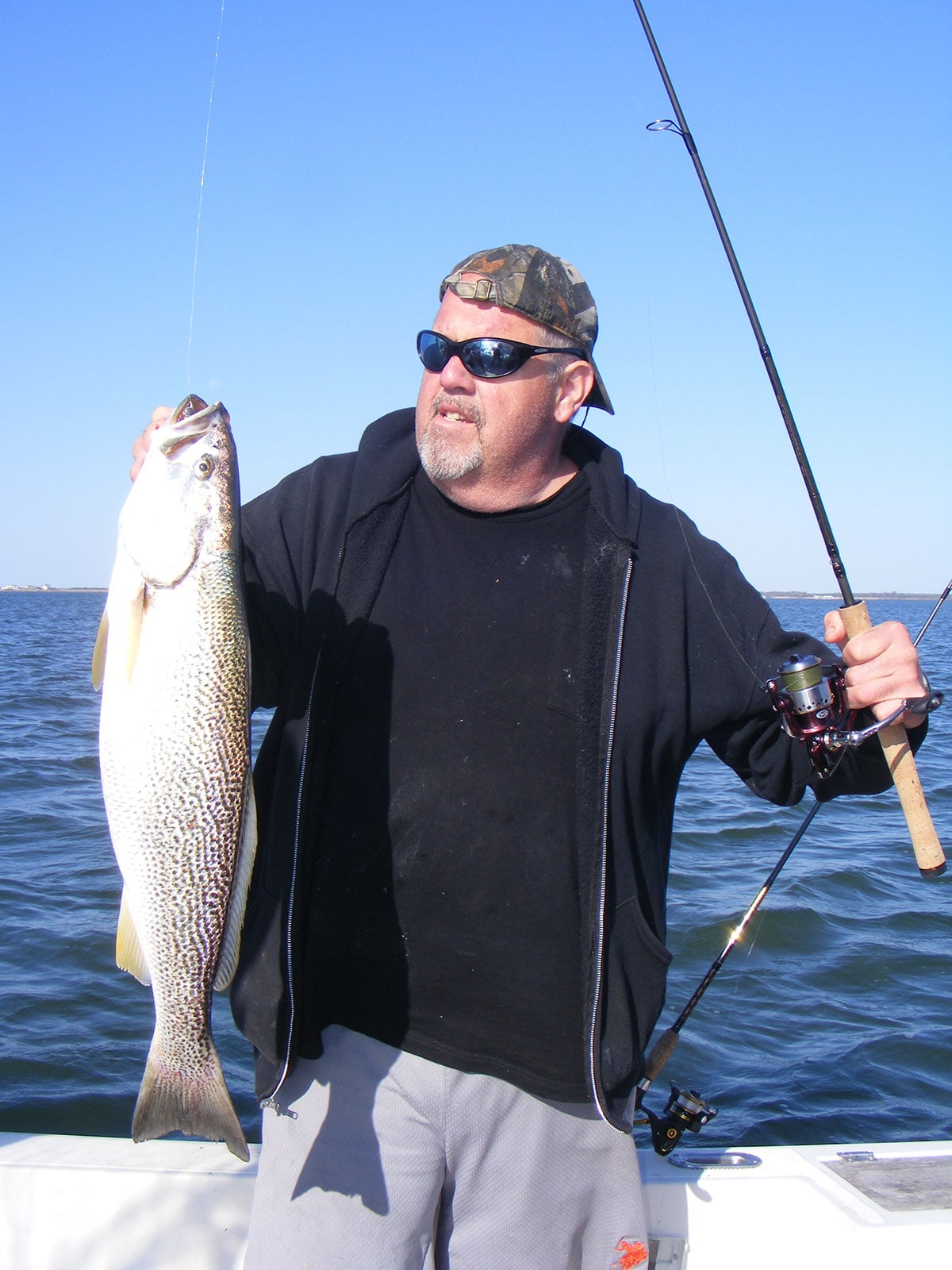
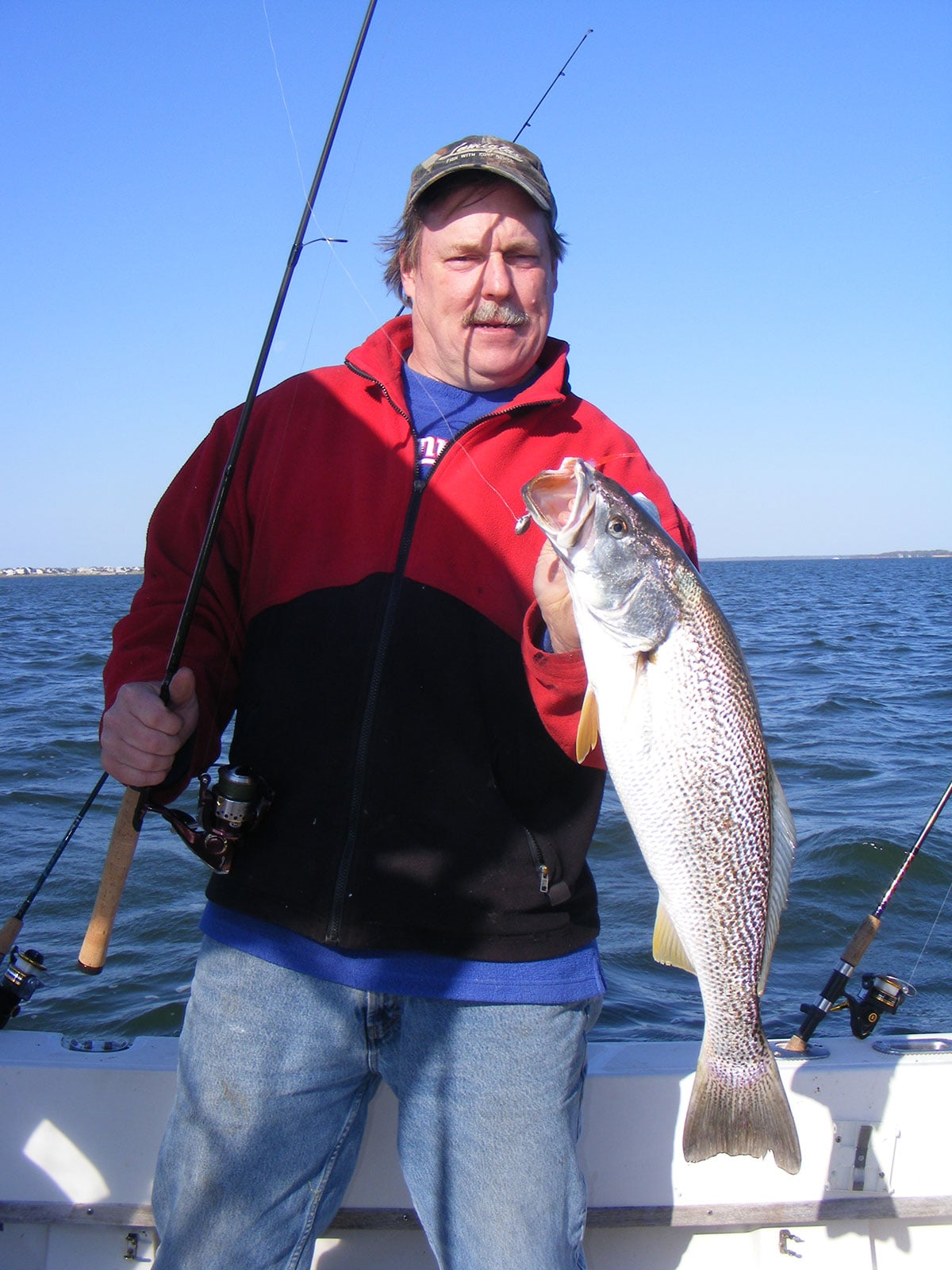
Over the past several years, weakfish have made a significant comeback inside both the Great and Little Peconic bays. Granted, the weakfish of 10 pounds or better are mostly in the history books. However, fish in the 3 to 7-pound class are more abundant than they have been in many years. Of course, every season still sees a few fish pushing 12 pounds, but the majority of the class is considerably smaller compared to decades past.
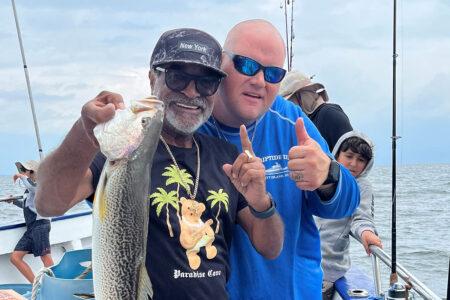
They are, however, far more abundant, and with a bit of know-how, anglers can enjoy excellent days of catch-and-release fishing with the option of keeping one fish for the table.
Always Under Constant Threat
Weakfish (cynoscion regalis), a prized gamefish along the Atlantic coast, continue to face significant population pressure from shrimp trawl fisheries. While they are managed under strict catch limits, including a one-fish recreational creel limit, a 100-pound commercial trip limit, and a 100-pound commercial bycatch limit during closed seasons, much of their decline is still driven by dead discards from shrimp trawls. Shrimp trawls use large nets that sweep the seafloor, catching shrimp along with a wide range of unintended species.
Each winter, many weakfish alter their migration and spend the colder months in warmer waters along the Continental Shelf. Unfortunately, not all weakfish remain offshore. Many still migrate south and spend winters in states such as the Carolinas and as far south as northern Florida. In North Carolina and other southern states, shrimp trawlers have landed tens of millions of pounds of shrimp annually while discarding roughly 45 million pounds of dead bycatch each year. Much of this waste includes weakfish, along with spot, croaker, and menhaden.
Because weakfish often inhabit the same nearshore waters targeted by shrimp trawlers, they are frequently caught as bycatch even though they are not a targeted species. The Atlantic States Marine Fisheries Commission (ASMFC) recognizes that reducing directed harvest alone is not enough to rebuild weakfish populations. The species is currently considered depleted, though not overfished. Thankfully, each spring those weakfish wintering along the Continental Shelf return to the Northeast, especially into the estuaries of the Peconic Bays.
Where To Find Them
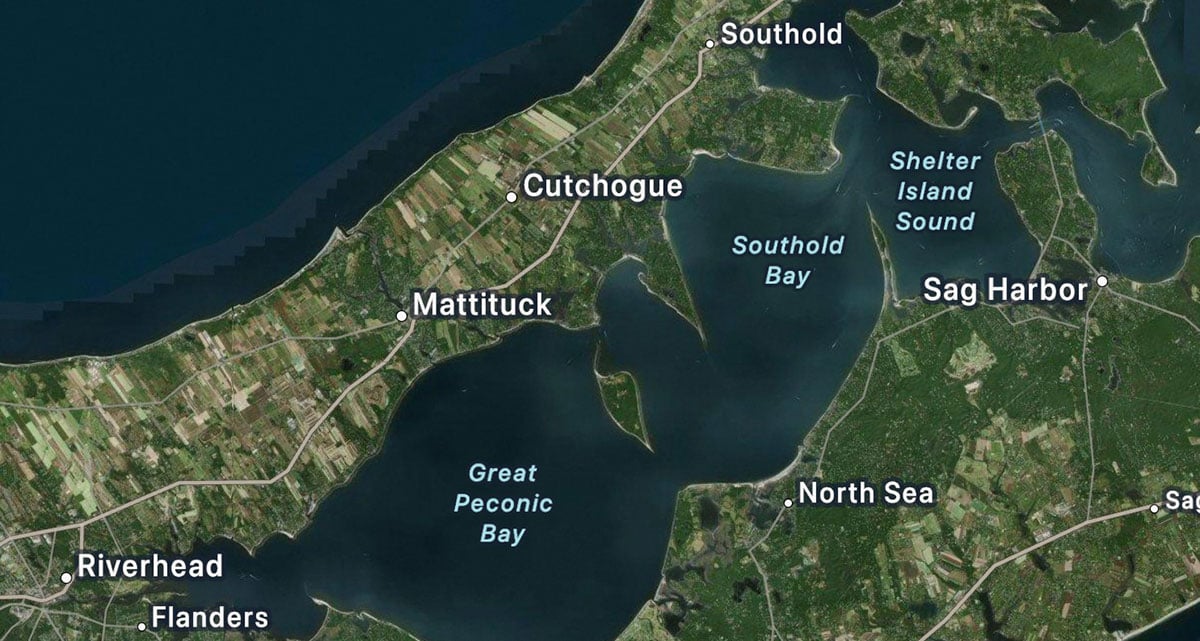
Each spring and summer sees massive schools of weakfish return to the Great and Little Peconic bays. In Great Peconic Bay, no place is more popular than the South Race located just south of Robins Island. Water depth here averages 25 feet over hard, shell-strewn bottom consisting largely of mollusks. The current runs swiftly through the Race, averaging about 3 1/2 knots during peak incoming tide and as much as 4 knots during peak outgoing tide.
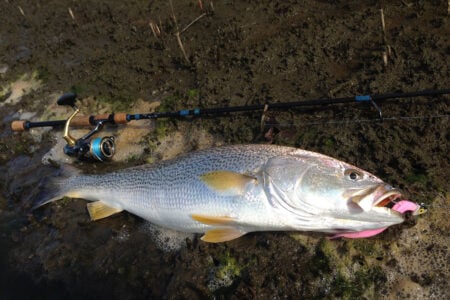
The best fishing is generally found between buoys 25 and 26, where Spro Squidtails in 1-ounce pink, white, and glow patterns are ideal. The Spro Squidtail was designed to mimic a variety of prey including squid and baitfish. With the lifelike action of the soft plastic, the Squidtail attracts all types of gamefish. The lure comes in a variety of weights and colors and is armed with super-sharp Gamakatsu hooks. There is really no need to sweeten the jig with strip baits since weakfish find these jigs appealing just as they are but if you wish you could add a strip of squid or Gulp bait to the back if you choose to do so.
Moving southeast, the area known as Roses Grove is also loaded with weakfish. Roses Grove consists primarily of flats in approximately 25 feet of water. Since the bottom here is made up of sand and scattered stones, your best option is to motor around and drift areas where fish life is marked on your recorder. Large porgies, small spiny dogfish, and sea robins will also keep rods bent here.
Located opposite Roses Grove is Nassau Point, where water depths fluctuate between 25 and 70 feet. The deeper holes produce excellent opportunities when working Squidtails. In addition, hi/lo rigs tipped with sandworms and squid strips do well in the deeper lairs where the bottom consists mainly of mud, a preferred spawning habitat for weakfish.
Continuing east brings us to Jessup Neck, where last season produced incredible catches of weakfish between buoys 16 and 17 in depths ranging from 50 to 90 feet. Two- to 4-ounce diamond jigs paired with red surgical tubes placed on a dropper loop knot 2 to 3 feet above the jig have been the hottest ticket in town when targeting weakfish. This setup has also helped reduce catches of undesirable species.
Mark The Spot
Drifting for those beautiful weakfish is best when the current is slow to moderate, allowing anglers to cover productive areas strategically. Fast-moving currents are often better suited for anchoring, especially in deeper water. If that is the case, then a couple of chum pots filled with frozen clam chum can be critical in attracting and holding fish beneath the boat.
Contrary to popular belief, weakfish love clams, perhaps even more than squid or silvery baitfish. Even before clams, mussels are arguably their all-time favorite mollusk. Therefore, if you happen to gather a bushel of fresh live mussels from one of the countless marsh banks on both the North and South shores, crushing them in a pail before placing them in a chum pot can quickly start a feeding frenzy that many anglers never realize is possible.
Even while drifting, you can suspend a mussel or clam-filled chum pot close to, but not directly on, the bottom to get the weakfish feeding aggressively along with several other welcomed and unwelcomed species. Regardless of whether you choose to chum or not, never leave home without a navigation chart, especially if you are trailering and visiting these grounds for the first time. GPS units do an excellent job of tracking your location, but paper charts still allow anglers to study structure and pinpoint potential areas before ever leaving the dock. Perhaps I’m old-fashioned compared to today’s incredible electronics, but you simply can’t go wrong with a paper chart.
Keep It Light For A Great Fight
On the tackle front, spinning outfits in the 8- to 15-pound class filled with quality braid or fluorocarbon line will handle the job perfectly. When fishing inside the Peconic Bay estuary, I find the Spro 6 1/2-foot Fluker Rod matched with a Vortex-E 3000 GR filled with 12-pound Spro Gouken Fluorocarbon Line fits the bill nicely but any similar combo will get the job done as well.
As for the diamond jigs and tubes, Greenport and Orient Point charter boats have used this setup successfully for many years. Diamond jigs are among the simplest yet most effective lures ever created. Unlike plugs covered with treble hooks, the body of a jig provides a safe and sturdy handle for lifting and unhooking feisty fish, including weakfish. Diamond jigs can plummet through strong current or flutter downward like wounded prey, yet they wobble irresistibly like fleeing baitfish when retrieved. This makes them especially effective inside Little Peconic Bay, where deep water and powerful currents demand heavier terminal tackle.
During hot action, jigs also provide quick turnaround time. As soon as you wrestle the hook free from one fish, the jig can immediately be dropped back overboard. Sometimes, however, the shiny metal alone is not enough to seal the deal. In those situations, a red, white, or green surgical tube tied to a dropper loop above the jig can coax hesitant weakfish into striking. This combination creates the illusion of a small predator chasing wounded baitfish from the depths, triggering competitive reactions from weakfish as well as bluefish, striped bass, mackerel, tuna, cod, pollock, fluke, and black sea bass.
| HASHAMOMUCK POND WATERWAY ACCESS |
| For anglers targeting weakfish in the Peconic Bays, the Hashamomuck Pond Waterway Access in Cutchogue is a convenient North Fork launch option. Located just off Route 48, the ramp provides quick access to Little Peconic Bay and nearby hotspots such as Nassau Point, Jessup Neck, and Robins Island. Parking can fill quickly during summer weekends, so arriving early is recommended. One of the biggest advantages of Hashamomuck is the short run to productive fishing grounds, allowing anglers to spend more time fishing and less time running the bay. Boaters should still use caution around shallow flats, mussel beds, and strong tidal currents common throughout the Peconic system, especially around Jessup Neck and the Race. |
Of course, there is always the chance of a double hookup, something quite common when schools of weakfish are stacked up off Jessup Neck. Keep in mind that once the tide begins easing toward slack water, the diamond jig bite often slows considerably. At that point, switching back to a 1-ounce Spro is usually the better option, as it becomes much easier to work in the softer current. The lighter Spro flutters naturally and continues producing strikes even as the tide dies out.
In closing, there are countless productive areas that hold weakfish during June, offering anglers a wide variety of options without burdensome boat traffic that often puts a damper on fishing activity. So now is the time to trailer your boat or, better yet, gather a few family members or friends and charter a trip from nearby Greenport, Southold, or Orient Point.
Despite what others may do, please practice self-restraint and enjoy a day on beautiful Peconic Bay. You’ll be glad you did.