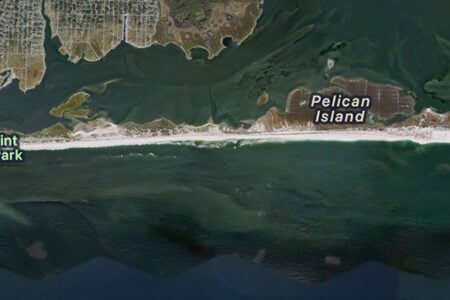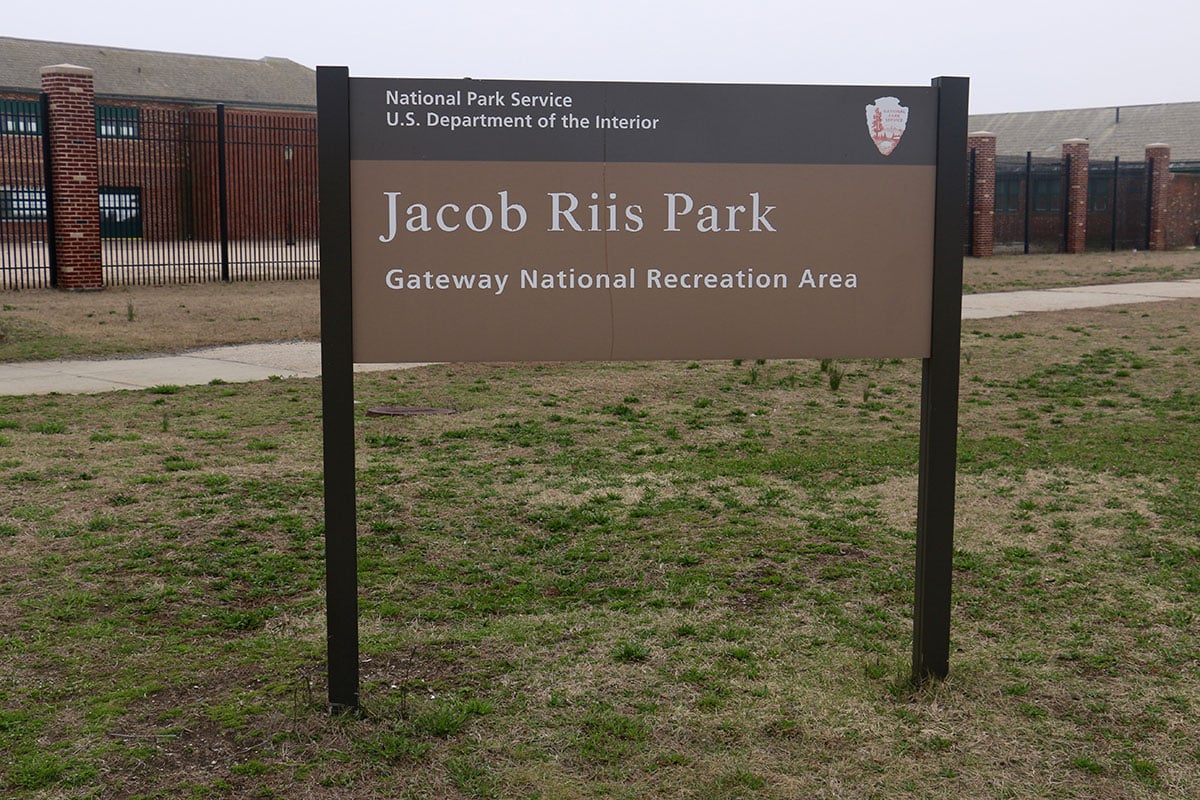
During my teenage years, Jacob Riis Park was a regular stop before or after work, especially when the striped bass and fluke bite was on. Established as part of the Gateway National Recreation Area, Jacob Riis Park is located on the southwestern end of the Rockaway Peninsula in Queens. It sits at the foot of the Marine Parkway–Gil Hodges Memorial Bridge, just east of Fort Tilden and west of Neponsit and Rockaway Beach.
Fishing is permitted throughout the park with some restrictions due to beach and land erosion in certain areas. It is important to note that fishing takes place on both the Jamaica Bay and Atlantic Ocean sides of the park. However, from Memorial Day through Labor Day, fishing is not permitted between the hours of 10 a.m. and 6 p.m. while lifeguards are on duty. The park opens at 6 a.m. and closes at 10 p.m., which still provides anglers with plenty of time before and after the swimmers and beachgoers arrive. Night fishing between 10 p.m. and 6 a.m. is not permitted, even if you possess a night fishing permit for state or national parks.
Despite the regulations, fishing here is well worth the minor inconveniences. On the Jamaica Bay side of the park, the action typically begins by mid-April as schools of adult bunker move into Jamaica Bay and striped bass of all sizes pour out of the Hudson and East rivers for their annual feeding binge on spawning bunker. Live-lining bunker or fishing bunker chunks can quickly attract bass, while bloodworms and sandworms also produce. Popping plugs are especially effective during the early morning hours.
The striped bass action usually continues through mid-June before both the bunker and bass move out toward the cooler, cleaner ocean waters. As the bass leave, weakfish often move in to fill the void. Weakfish ranging from 3 to 7 pounds readily crush pink, white, and chartreuse soft plastics from the June full moon through the end of July.
August through October brings a mixed bag of snapper blues, spot, sand porgies, and pilotfish. On the Atlantic Ocean side of the park, striped bass and bluefish typically arrive around mid-May and provide sporadic action throughout the summer before the fall blitzes kick into gear.
By late May or early June, fluke of all sizes begin appearing in the surf along with pesky sand sharks. Tossing 1-ounce pink or white Spro Prime Bucktails tipped with Spro Eel Double Tails in Super Glow or Pearl White works exceptionally well on summer flatties while helping reduce encounters with sand sharks. Expect consistent surf fluking right through September.
The arrival of August also signals the appearance of northern kingfish, better known down south as whiting. These fish become widely abundant along the West End ocean beaches, where sandworms, bloodworms, squid strips, and clam belly strips can quickly fill a stringer with fish topping 2 pounds.
September through November provides excellent fall fishing opportunities for false albacore, bluefish, striped bass, porgies, fluke, and the ever-present sand sharks. If you decide to wade into the surf, chest waders are highly recommended. In recent years, several species of sharks have become increasingly common close to shore during the summer and early fall months. A quality pair of chest waders may help discourage any curious creatures from taking a swipe at your boots.
Lastly, a Gateway Pass is not required anywhere inside Jacob Riis Park. However, a daily beach parking fee of $20 is charged between Memorial Day weekend and Labor Day from 8 a.m. to 6 p.m. Gateway National Recreation Area is a cashless park, so only credit cards, debit cards, and contactless payments are accepted.
To reach the park from the east, take the Belt Parkway to Exit 11S (Flatbush Avenue) and follow Flatbush Avenue south to the Marine Parkway Bridge toll plaza. Cross the bridge and follow the signs to the Bay 3 East Parking Lot.