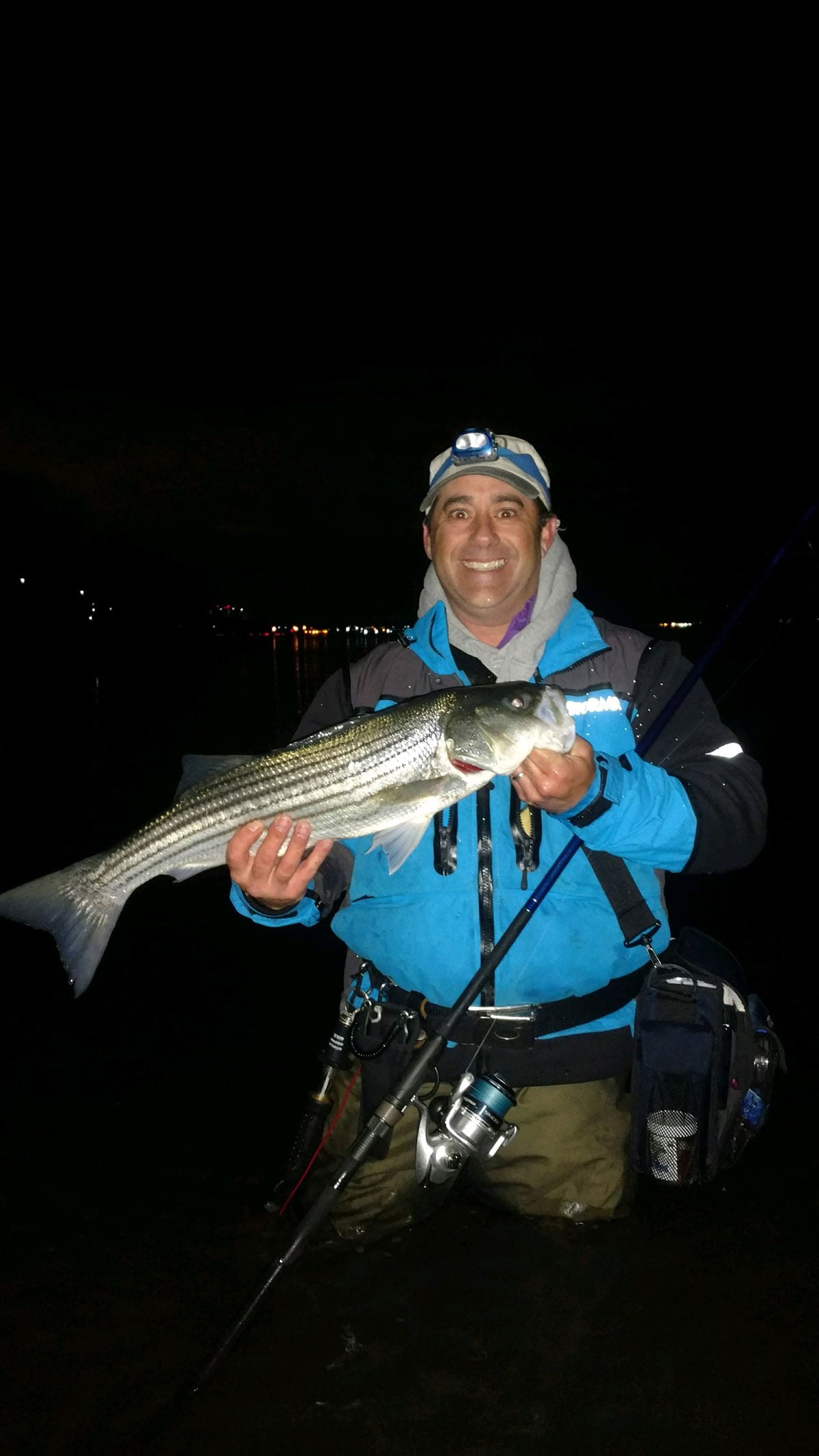
A tour of seven South Shore bridges offering surfcasters consistent shots at stripers, blues, fluke and more from Fire Island to Shinnecock.
Long Island is truly blessed with the amount of diverse, fishable shoreline available to the surfcaster. It affords countless opportunities to connect with sought-after gamefish throughout the season. Many of these areas feature bridges that connect the mainland to islands and outer beaches. They cross bays, channels and canals, creating manmade structures that can be magnets for both bait and gamefish.
I’ll be covering an area of Long Island’s South Shore stretching from Fire Island Inlet east to Shinnecock Bay, a distance of roughly 50 miles. Along the way are seven bridges that provide opportunities for surfcasters to ply their trade.
Why Bridges Produce
First, let’s look at why bridges are places where fishermen can find consistent success with many different species. For one, bridge structures create marine habitat in the form of algae, mussels and barnacle growth, which in turn attracts a myriad of baitfish that feed around them. Secondly, bridge abutments and foundations create current breaks and cover that offer safe havens for smaller fish under constant threat from larger predators.
This scenario takes place both day and night. After the sun goes down, large predatory fish utilize bridge lights to ambush unsuspecting prey. They will lie in wait for hapless baitfish to drift with the current from the illuminated area into the darkness, where they can simply inhale them.
When you really think about it, bridges always have something going on in the form of marine life trying to survive and feed successfully. This entire scenario is why fish such as striped bass, bluefish, fluke, blackfish, sea bass and triggerfish can be caught in good numbers throughout the season from shorelines adjacent to bridges. There is always something looking to eat—or trying not to be eaten!
Robert Moses Bridge
Starting in the western portion of this section of the South Shore, the Robert Moses Causeway Bridge, spanning Fire Island Inlet, offers the caster opportunities for multiple species from spring through the end of fall. Striped bass, bluefish and weakfish can be targeted from both the north and south sides, along with fluke and blackfish.
The northwest shoreline features a sandbar that can be accessed from Captree State Park. If you’re in search of large striped bass, plugging these shorelines after dark or slinging eels could pay off with a cow. The New York State night fishing permit provides opportunities for legal after-hours parking where applicable.
With the inlet nearby and a substantial amount of water moving through the area, anglers have a lot to work with. Current seams, eddies and changes in bottom contour are all worth investigating. Fish may set up in different locations as the tide progresses, so don’t become too attached to one piece of water if it isn’t producing.
Captree Drawbridge
Just north of the inlet bridge is the Captree Drawbridge, which crosses the State Boat Channel. Deep water and fast currents combined with the bridge structure create excellent habitat for gamefish from spring through fall.
Back in the heyday of the weakfish runs, the month of May would see many casters lined up, including myself, cashing in on some really great light-tackle fishing that could go on for weeks at a time. The area still produces weakfish, along with plenty of striped bass and bluefish.
Fluke are another species worth targeting here, as are triggerfish and blackfish around the structure. With so many different species using the area throughout the season, it pays to adjust your approach based on what’s available. The New York State night fishing permit also comes into play here for anglers looking to fish after dark.
Smith Point Bridge
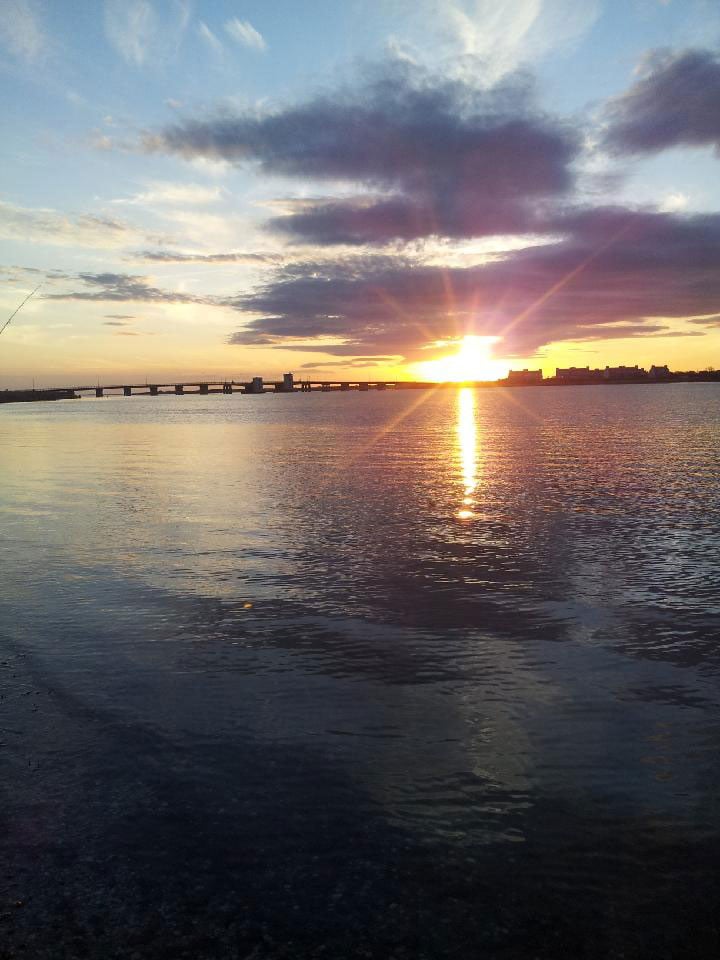
Heading east toward Bellport Bay and Narrow Bay in Mastic Beach, the southern end of William Floyd Parkway brings you to the Smith Point Bridge, which crosses from the mainland and connects to the barrier beach at Fire Island National Seashore. It is currently a drawbridge, but construction of a new high-rise span has begun at the time of this writing.
This area can be a big-time producer of striped bass, bluefish and weakfish, with the possibility of some really large fluke mixed in as well. Easy access to both the north and south sides through the Suffolk County park system gives anglers opportunities during both the day and night.
As with the other bridges, moving water is a key part of the equation. Pay attention to how current flows around the bridge structure and where bait accumulates. A spot that looks lifeless during one portion of the tide can quickly come alive when the current reaches the right speed and direction.
The Quogue Canal Bridges
At the eastern end of Moriches Bay, heading into the Quantuck and Quogue canals, you will come across three smaller drawbridges. These are located at Jessup Lane, Beach Lane and, farthest east, Post Lane.
These smaller structures all have the potential to produce for the surfcaster willing to put in the time. Striped bass, bluefish, fluke and blackfish can all be taken around these bridges at various points throughout the season.
You might need to get a little creative with legal access during the busy summer months, but spring and fall generally offer fewer issues. These smaller bridges can also provide a different style of fishing than the larger spans. Because you’re often working tighter water, it becomes especially important to pay attention to current direction, eddies, shadow lines and exactly where bait is holding.
Don’t overlook a bridge simply because it isn’t a massive structure. Sometimes a relatively small amount of structure in an otherwise featureless channel can concentrate bait and predators into a very fishable area.
Ponquogue Bridge
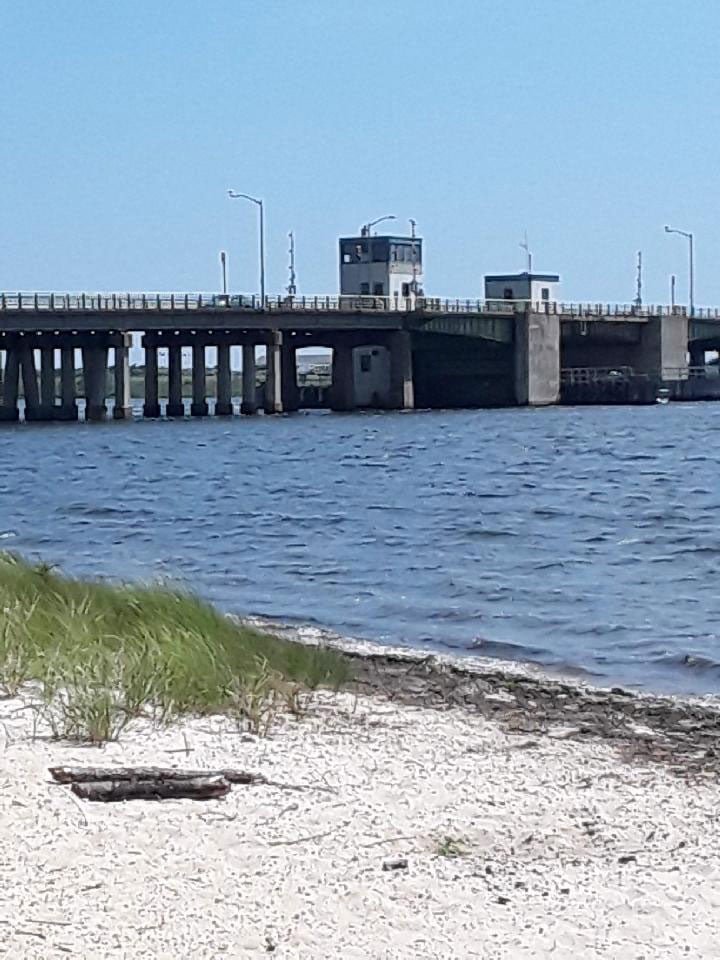
The final bridge on this journey is the Ponquogue Bridge, which crosses Shinnecock Bay. It is a high-rise span, and the area also contains remnants of the old bridge that once served as the original crossing.
This bridge has a long-held reputation as an outstanding striped bass producer, with many large fish caught here over the years. Access to the shoreline and the old bridge on the north side will put you in some productive areas to fish.
Blackfish, fluke and bluefish are also on the menu for anglers looking to bring home a tasty dinner. The combination of deep water, substantial structure and strong tidal flow creates a classic bridge-fishing environment and makes this one of the better-known locations along this stretch of the South Shore.
Consider The Release
I’d be remiss not to mention that with current striped bass regulations, fishing from atop a high-rise bridge creates challenges when it comes to safely landing and releasing fish.
At one time, casting bucktails from atop the spans accounted for many large bass that were landed with a bridge gaff. With today’s slot limits and emphasis on safely releasing fish outside the legal size range, that approach is no longer feasible. Fishing from the adjacent shoreline makes landing and releasing bass much easier.
On smaller bridges, an angler may be able to walk a hooked fish toward shore and safely handle it. Regardless of where you’re fishing, think about how you are going to land and release a fish before making your first cast. This becomes particularly important when targeting striped bass around elevated structures.
What To Throw
Fishing artificials is my favorite way to search for stripers, bluefish and weakfish from the shorelines adjacent to bridges. During daylight hours, tins, poppers, bucktails and an assortment of soft plastics rigged on jigheads will all put fish on the beach.
After dark, swimming plugs such as SP Minnows and Bombers, along with Mag Darters and standard darters, can produce great results. Work the currents and eddies created by bridge abutments, and pay particular attention to shadow lines, which give predatory fish an ambush advantage.
Heavier tackle might be necessary because of strong currents and the possibility of a large fish running toward pilings and breaking you off. You want enough power to turn a good fish before it reaches the structure, but your tackle should still be appropriate for the lures you’re casting.
During slack-water periods, try tossing a large metal-lipped swimmer to target fish transitioning between current changes. Live or rigged eels are another option that could connect you with a big bass, particularly after dark.
Fluke And Bottom Species
If you want to target fluke, a leadhead tipped with a Gulp or Fishbites grub or jerk shad and bounced along the bottom will get the attention of the aggressive summer flounder that frequent bridge areas.
Try to fish moving water, which will give the jig more life while allowing you to cover more bottom. Take note of exactly where your hits occur because where there is one fluke, there are often more nearby. A particular current seam, drop-off or depression may concentrate several fish into a relatively small area.
Blackfish, triggerfish and sea bass can also be caught around bridge structures using clam and crab baits. A simple hi-low rig will work, or switch to a single-hook rig if the area is particularly sticky. Use just enough weight to maintain contact with the bottom without unnecessarily anchoring your rig among the snags.
Bridge fishing can be unforgiving on tackle, so expect to lose a few rigs. Carry extra terminal tackle and don’t be afraid to adjust sinker weight as the current changes throughout the tide.
Give The Bridges A Shot
| KEEP IT CLEAN |
| Please remember to take out everything you bring into these areas. Keeping our shorelines clean can go a long way toward preserving the environment and maintaining future fishing access. |
Savvy surf fishermen have long known the attraction bridges hold for gamefish, and some of the best anglers on the coast have quietly racked up impressive catches for decades from the areas surrounding these structures.
The real appeal is the consistency. Bridges create structure, structure attracts bait, and bait attracts predators. Add moving water, current breaks, deep channels and nighttime lighting to the equation, and you have many of the ingredients needed for productive fishing.
If you’ve never tried fishing these areas, give them a shot. Instead of simply casting randomly, study the bridge and the water around it. Look for current seams, eddies, shadow lines, changes in depth and places where bait is gathering. Fish those areas carefully and pay attention to when and where you get your bites.
You might quickly discover what the attraction is all about.