When December sweeps across Montauk and the last traces of the fall run start to fade, most anglers begin shifting their focus toward winterizing boats, stocking up on tackle for next season, or sneaking in a final blackfish trip before the water drops into the lower 40s. But for those who aren’t quite ready to hang it up, there remains one consistent and highly productive destination that fishes incredibly well through the final stretch of the year: the legendary Cartwright Grounds south of Montauk Point. December may be the beginning of the offseason for many fisheries across Long Island, but at Cartwright, it’s the time when the biggest sea bass of the year stack up and when steady, dependable ling fishing takes center stage.
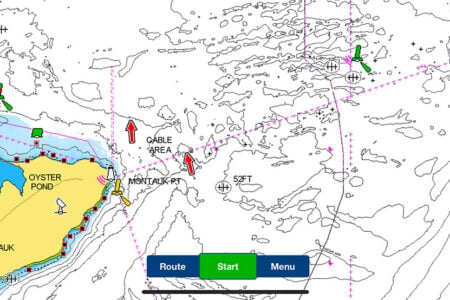
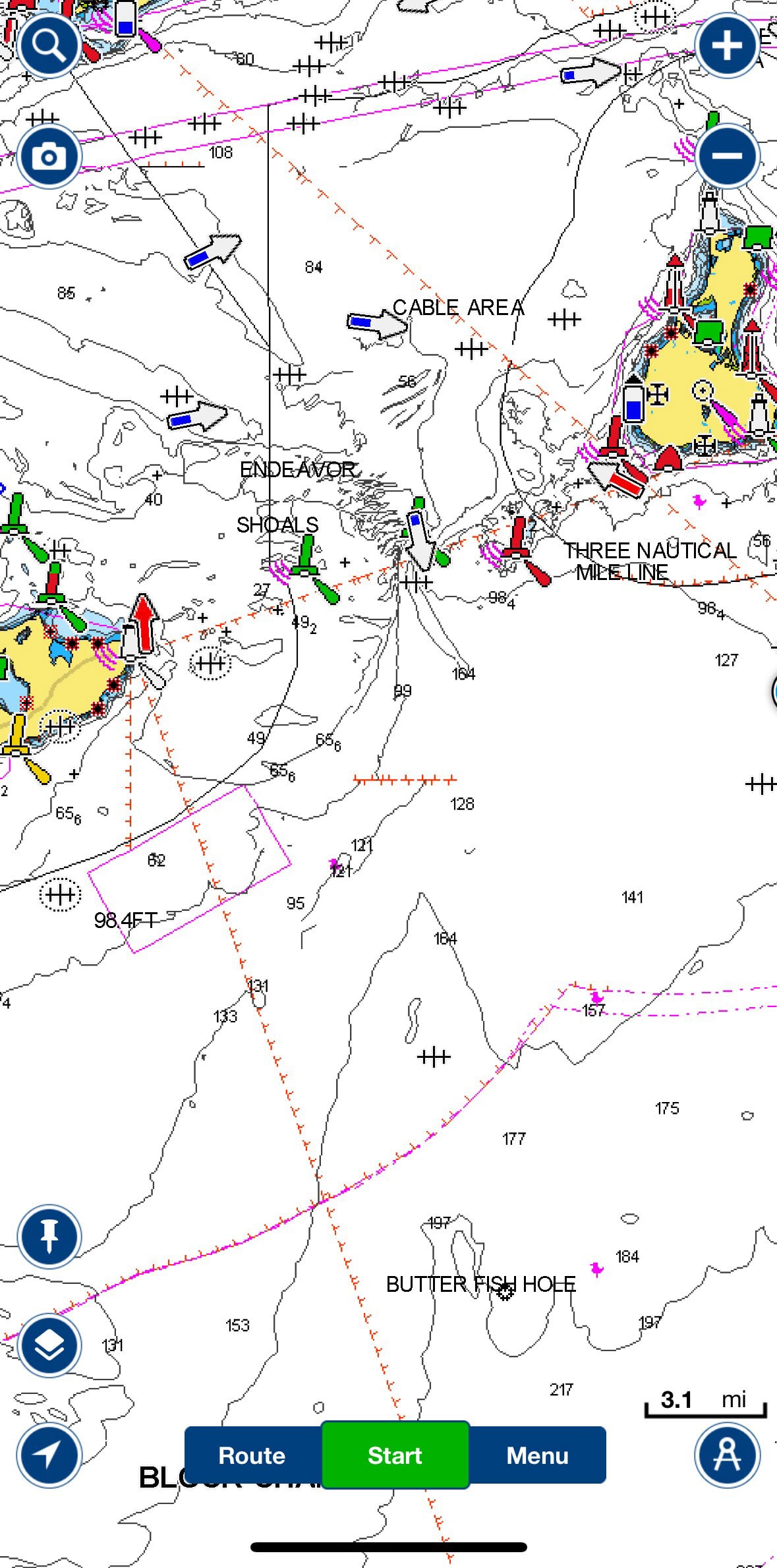
Located southeast of Montauk Point, Cartwright Grounds are spread across a broad swath of 120- to 180-foot depths, making them one of the most diverse and productive pieces of bottom structure on the East End. The area is not defined by one singular ridge or wreck, but by a sprawling blend of broken shell bottom, scattered rockpiles, softer mud troughs, and subtle ledges that rise and fall in ways only anglers with time spent out here can truly appreciate. In early fall, the grounds fish well, but December is when the biggest, heaviest, and most aggressive fish concentrate on the harder edges of the structure. Cold water pushes them tight to the pieces, and the drop in temperature triggers a late-season feed that can rival anything seen earlier in the year.
Sea bass are undoubtedly the main draw in December. While the inshore reefs see declining numbers as water temperatures plummet, the offshore grounds at Cartwright remain comfortably within the ideal range for jumbo knotheads. It is during this month that many anglers see their largest fish of the season. Sea bass topping 4 pounds are common, and fish that push past the 5-pound mark—true jumbos—are never out of the question. On the head boats sailing out of Montauk, it’s not unusual for seasoned sharpies to put together a limit consisting almost entirely of slabs. High-low rigs remain standard, but many anglers now favor rigs adorned with glow or Mylar teasers, particularly when fishing the deeper edges where light penetration drops. Squid strips, clam, and fresh skimmer clams remain the staples, and on slower days, tipping teasers with a small piece of Gulp! or cut sea robin belly can help coax stubborn fish.
Alongside the sea bass, ling fishing takes off in December and provides the type of consistent action that keeps coolers heavy even on days when the bass aren’t stacked. Red hake thrive in the softer-bottom areas that border Cartwright’s rock clusters. As the water temperature dips into the upper 40s, ling mass together and feed aggressively on crustaceans, worms, and baitfish hugging the seabed. Unlike sea bass, ling don’t require precise anchoring on a hard piece; instead, they reward anglers who drift the edges of soft bottom adjacent to structure. Many December trips end with a mixed bag of jumbo sea bass and a hefty pile of ling—both prized for their excellent table quality during holiday season fish fries.
The variety doesn’t end there. December at Cartwright often brings unexpected guests. Cod make occasional showings on the deeper edges, especially when fishing fresh clam baits. While the days of overflowing cod decks are long gone, this is one of the more reliable late-season areas to encounter a few keeper-sized fish. Oversized bergall, some bordering on comically large, also become part of the mix. Porgies linger later in offshore waters than most realize, and it’s not rare to see a few slabs come over the rail despite being well past the peak scup season.
One of the biggest keys to success at Cartwright in December is choosing your window. Weather is everything this time of year. A stiff northwest wind can flatten the ocean enough to make for a surprisingly comfortable ride out of the Point, but a hard south or southeast blow can make the grounds nearly unfishable. Fortunately, Montauk’s fleet of party boats and six-pack charters remain active deep into December, providing anglers with experienced captains who know how to position boats precisely on the hard pieces and how to adjust to conditions day by day.
Another advantage this time of year is reduced pressure. The chaotic traffic of the fall run disappears, leaving only the committed few willing to embrace the cold. With fewer boats drifting and anchoring on the grounds, the fish settle and feed more naturally, which often leads to steadier action and more consistent catches throughout the day. The shorter daylight window creates a morning and midday peak that many December regulars exploit—arrive early, fish hard, and head home with a full cooler before the temperature drops again in the late afternoon.