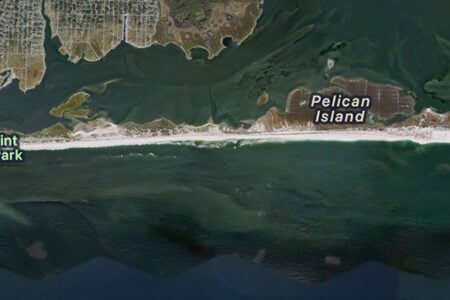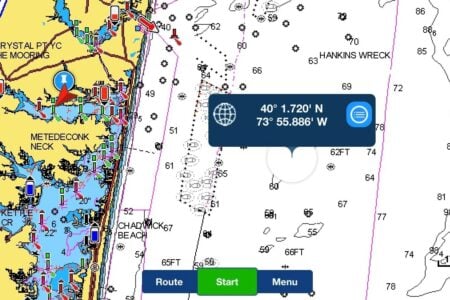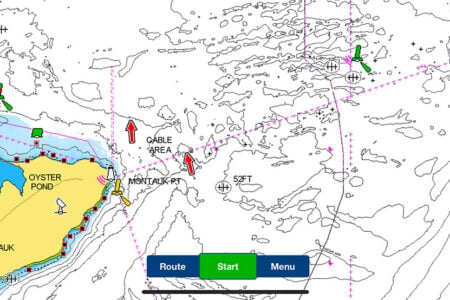

When the calendar flips to November, most anglers in the Long Island Sound start thinking about packing up their rods, winterizing boats, and waiting out the cold months ahead. But for those who chase tautog, or blackfish as they’re more commonly known, the season is just starting to heat up. Nowhere is this more evident than on the famed Middle Grounds—a stretch of broken bottom and reef structure that lies between Long Island and Connecticut, drawing in schools of hungry white-chin tog when the water cools and the bait moves.
Tautog are structure-oriented fish that thrive in hard-bottom habitats—wrecks, reefs, boulder fields, and ledges. The Middle Grounds area checks all those boxes. When the water temperature dips into the 50s during November, blackfish pile onto this type of habitat, feeding aggressively before sliding off to deeper wintering grounds.
November also coincides with prime keeper fishing. Early fall togging often produces shorts and medium fish, but once Halloween passes, those larger fish in the 6- to 10-pound class seem to dominate. On the Middle Grounds, double-digit tog are always a possibility, and it’s not unusual for boats to report multiple fish in that size range when conditions line up.
The Middle Grounds are well known and get plenty of boat traffic. Dropping a single anchor randomly isn’t the way to succeed here. Instead, precise anchoring is critical. Captains often spend more time setting the boat than actually fishing. With a strong tide running through the Sound, the key is to anchor uptide of the structure you want to fish, allowing baits to fall naturally back into the rocks. Two-anchor setups are common—one off the bow, another to swing the stern into position—holding the boat steady over a productive piece. Using Spot Lock is another way to go about the process of hovering over productive bottom.
Many savvy toggers mark their GPS spots carefully, often returning to the exact same rock pile or ledge season after season. Unlike drifting for fluke or stripers, togging is all about staying locked onto that tiny patch of sticky bottom where the tog hold.
November tautog fishing is a big-bait game. While green crabs are the standard, whole white crabs or halves are the ticket for tempting the larger fish that move in late fall. Some anglers prefer to crack the shell slightly, letting scent bleed out into the current. Others swear by using them whole, with a stout hook tucked into a leg socket. Either way, a strong leader and sharp hook are mandatory.
The classic rig is the Snafu—two snelled hooks tied off a single leader and pinned into opposite sides of a crab. This rig not only presents a natural look but also increases hookup odds when a big tog crunches down sideways on the bait. For those fishing jigs, the late fall bite can be a bit tougher. Heavy jigs tipped with crab work best when the tide slows, but most Middle Grounds regulars prefer traditional rigs once the water gets deeper and the current stiffer.
Middle Grounds tog are not for the faint of heart. They live among boulders and snags, and once hooked, they immediately dive for cover. To stop them, stout tackle is required. A 7-foot heavy-power conventional rod paired with a low-profile but high-drag reel spooled with 50- to 65-pound braid is standard. Leaders are usually 40- to 60-pound fluorocarbon or mono.
November weather in the Sound is unpredictable. Calm days can be a gift, but sudden north winds or hard tides make anchoring and fishing difficult. The best action often comes on moderate tide stages when current isn’t ripping too hard, allowing crabs to settle naturally in the rocks. A clear, crisp day with water temps in the low 50s is ideal.
Unlike summer fisheries that thrive on moving water, tautog sometimes prefer a slower flow. Slack or near-slack conditions can produce the heaviest hits, with fish moving out of the structure to feed aggressively. Many Middle Grounds regulars plan their trips carefully around the tide chart, targeting windows of peak feeding.
There’s a reason tautog inspire such obsession—they are one of the hardest-fighting bottom fish in the Northeast and also among the finest eating. A November limit from the Middle Grounds often means fish in the 5- to 8-pound range, with the possibility of much larger white chins. While shorts are still common, the ratio of quality keepers improves dramatically once the fall chill sets in.
Fishing the Middle Grounds in November is not just about catching fish—it’s about embracing the season. The leaves are gone, the air is sharp, and the Sound itself feels quieter. Out on the reef, surrounded by gulls and the smell of salt, toggers are focused entirely on the next bite, waiting for that unmistakable “thunk” as a blackfish crunches down on a crab.