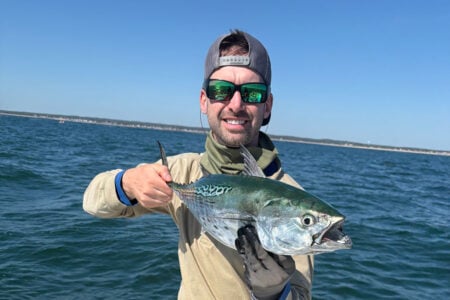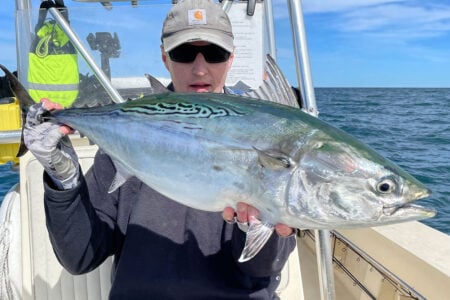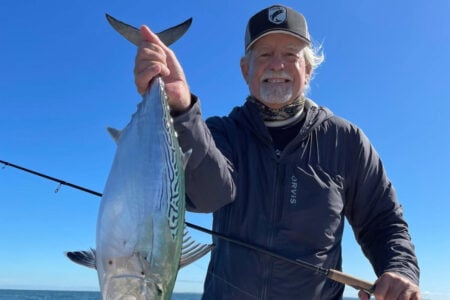
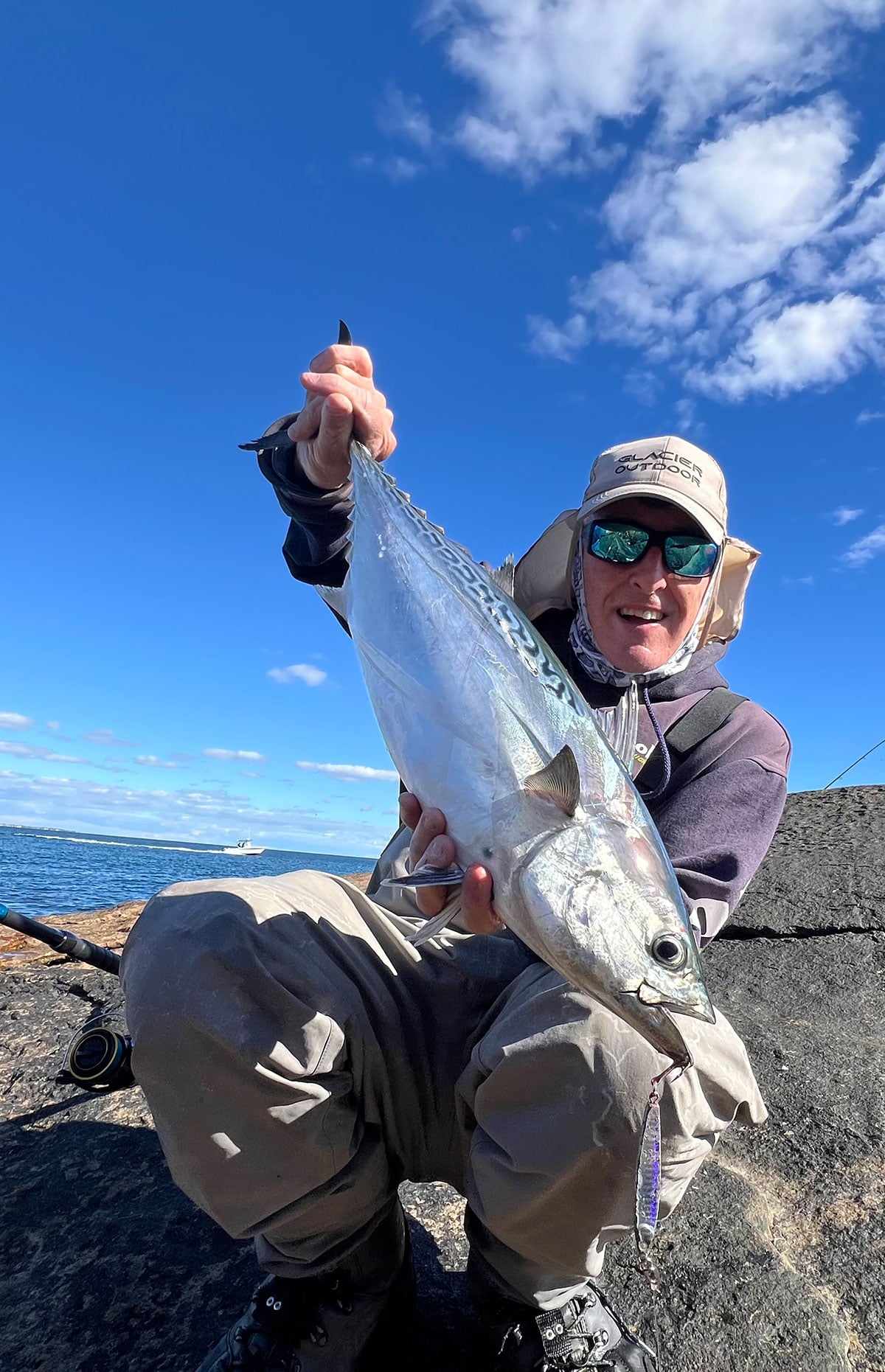
Look deeper when albies and bonito aren’t showing on the surface.
For years I used the same strategy to fish for albies and bonito. Whether I was in a boat or fishing from shore, I was constantly scanning the surface for breaking fish. If I found them, I would work on or near the surface with a number of lures. Chug the float and fly on the top, skim a metal lure on the surface or dance an Albie Snax right below the surface. I seemed to be always probing the top of the water column and rarely was I fishing more than a foot or two below the surface. And, that strategy brought me a lot of success when fish were showing. When no fish showed, it was generally a blank.
Over the last couple of years, I have been fishing from shore with a number of pelagic sharpies who only fish for albies, bonito and Spanish mackerel. These guys are elite fishermen when it comes to our fall season pelagic visitors. Their strategy was so much different than the way I was fishing, and they were catching with amazing consistency. Yes, they worked the surface when fish were breaking. They also worked the entire water column from top to bottom in known hotspots in a search of roving schools of pelagics. By doing this, they would often catch numbers of fish when nothing was showing.
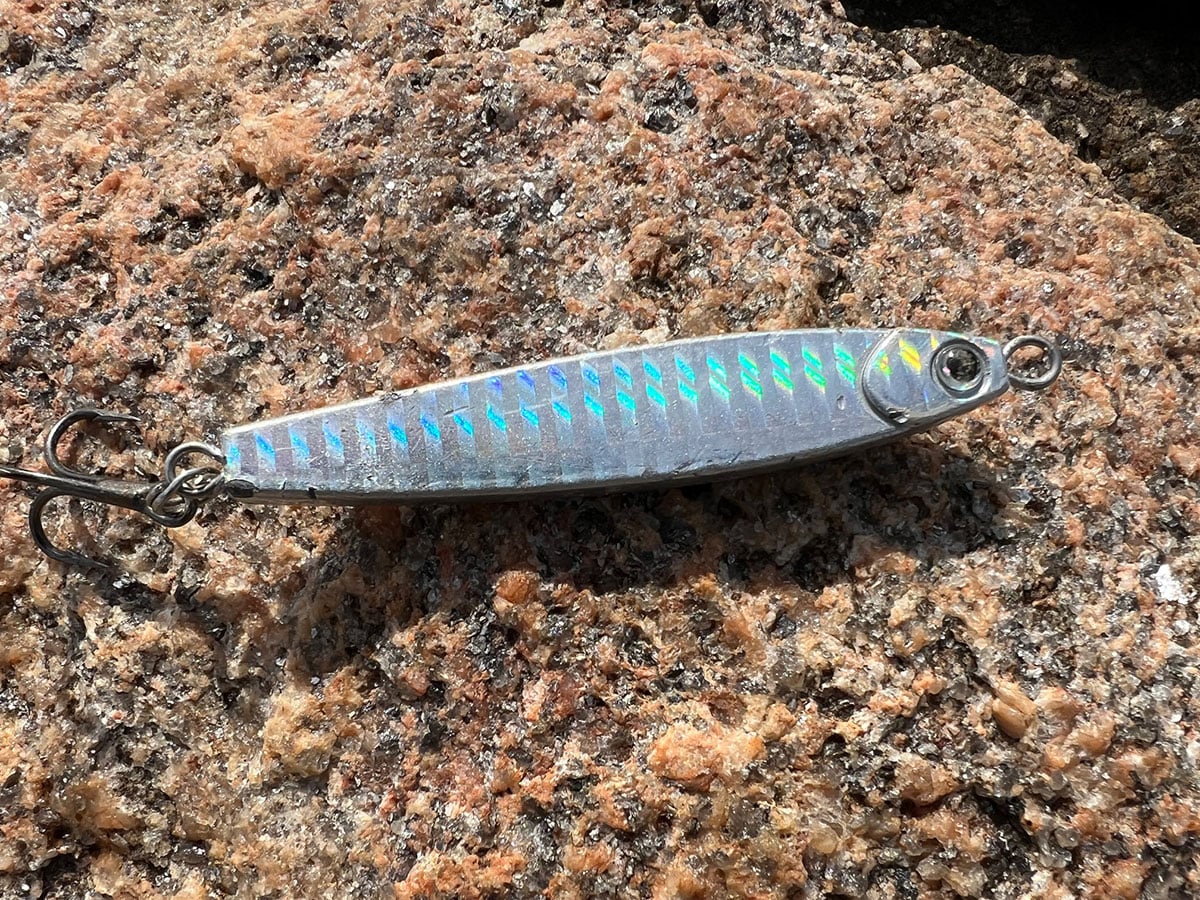
So, I began experimenting by probing the water column. I had to use a sinking lure so I generally used a silver Clarkspoon Jig Stick that weighed 1.5 ouces. Other lures such as the Kastmaster XL, Game On Exo Jigs and Colt Sniper jigs are also good choices. However, the flashy Clarkspoon was the best lure overall for me last year to catch pelagics.
Talking Technique
My strategy was to find the fish somewhere in the water column and once found fish, I tried to keep my lure in the zone on just about every cast. I was generally fishing deeper water off rocky, “drop-away” shorelines and jetties. For the most part I’m guessing the depths ranged between 20 and 40 feet. Note that many of my sharpie friends expanded their range and were also fishing off the beaches in shallower water with success using the same strategies.

Approach #1: Fish The Bottom
I would cast way out and let the lure sink to the bottom. Once the lure hits the water you gently feel the line coming off the spool. When it stops, you are on the bottom. Another good idea – which will come in handy later – is to count how many seconds it takes for the lure to hit the bottom. To keep the lure working near the bottom, I would simply jig the lure ashore with big sweeps of the rod while reeling slowly. As you move the lure toward shore, stop reeling every once in a while to let the lure drop back down again. Note that a lot of hits come on the drop.
Approach #2: Working Off The Bottom
Here I will let the lure go down to the bottom and reel the lure in quickly to move it up to where I want it. Now, I will start jigging again with a slow retrieve. In this case I want the lure to be about 10 feet off the bottom. Many of my sharpie friends would count in seconds right after casting the lure. If it took 10 seconds for the lure to hit the bottom, they might start the retrieve at 7 seconds. That is a more accurate measurement of finding where you want to be on every cast.
I like to keep doing this, cast after cast, while adjusting where the lure is in the water column. If you start getting hits or fish, you know you are in the right zone. I’ve had days when the fish were right on or near the bottom. On other days they might be half way up the water column. And, yes, you might be lucky and find them on the surface. I am always scanning the surface for breaking fish no matter where my lure is tracking.
Approach #3: Go Vertical
Boaters and kayakers have a third option, they can jig vertically. The basic strategy is the same, you’re just drifting instead of retrieving. Let the lure down and vertically jig it as you move along, lift the lure sharply and let it flutter down, then repeat. . Experiment with depth to find the zone where the schools of pelagics might be feeding. As the boat is drifting along you might have to occasionally drop the lure down again since the moving boat is constantly raising your lure off the bottom. Some boaters also have the advantage of using their fishfinders to locate schools of fish down deep.
Putting It To Use
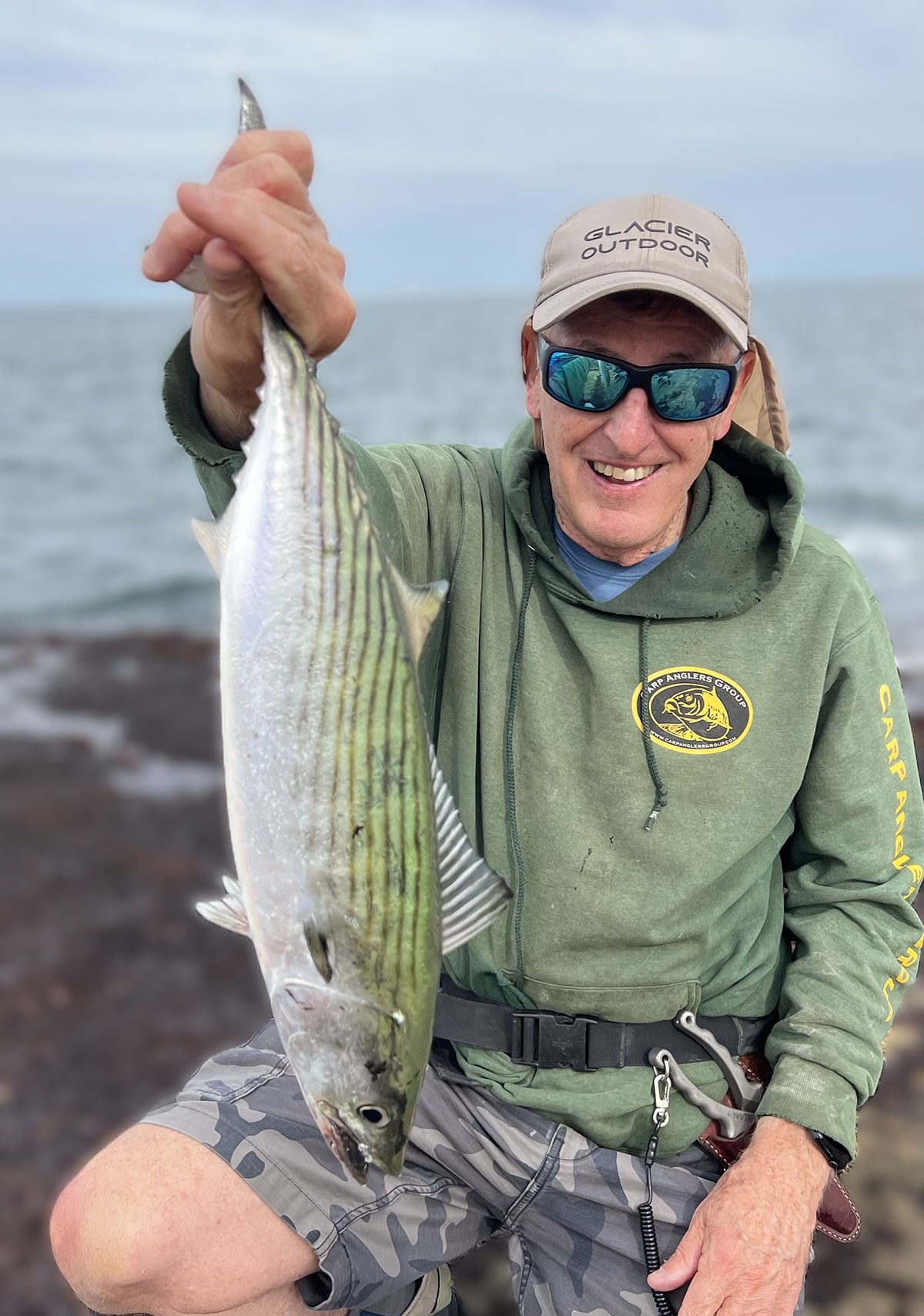
Last year I was out on one particular day in which there was a ton of bait around, but no breaks on the surface except for an occasional striper. With bait being the key to finding pelagics, I just knew they had to be somewhere in front of me. That day I started off working the bottom with a Clarkspoon and got nothing. Then I began probing the water column with my lure. It was the 5-second drop that really began to produce as I started getting hit after hit on just about every cast. It was all bonito and they were in super thick but in a thin zone only about halfway to the bottom. Anyone working the surface would have caught nothing.
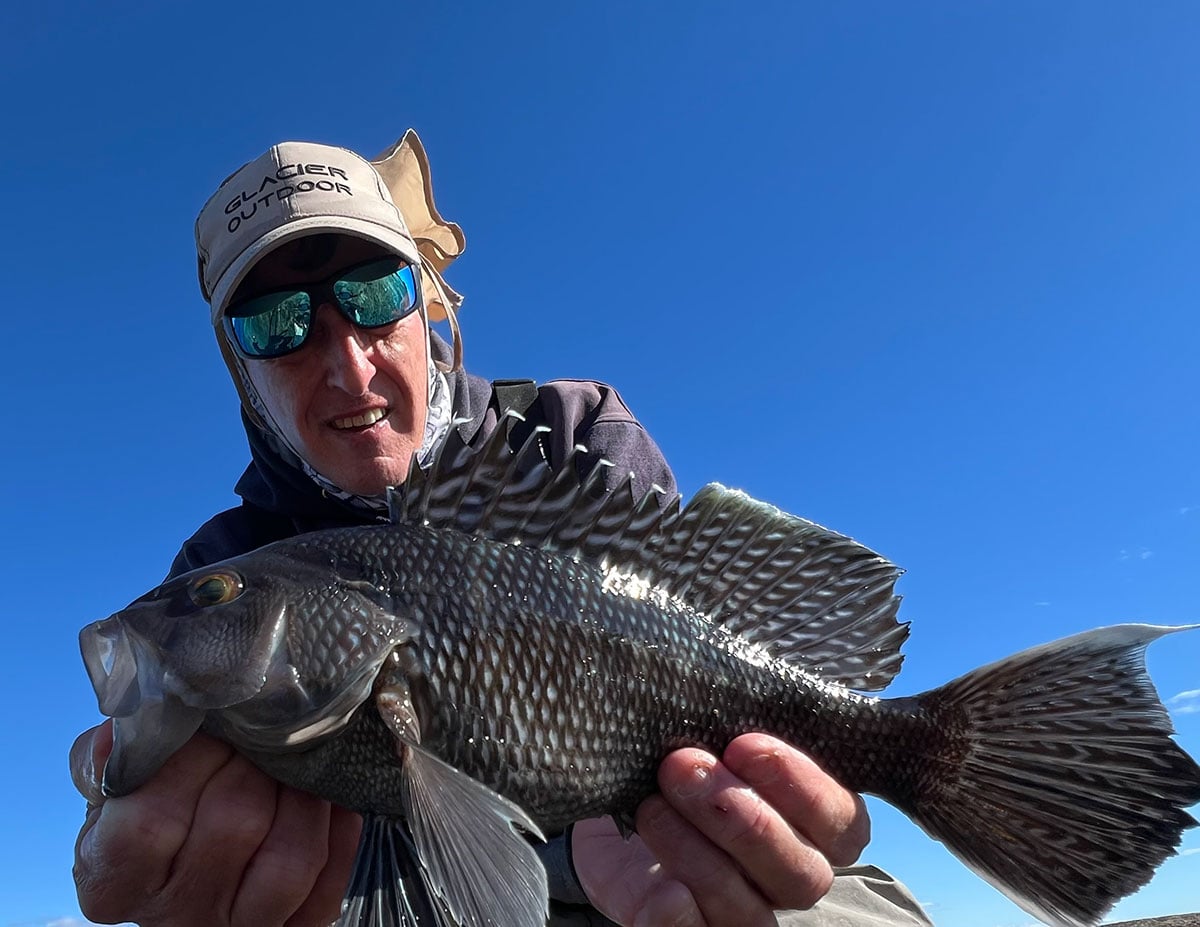
There is a side benefit to working the depths with a skinny metal lure while fishing for pelagics. You might encounter several other species of fish in the water column. There are the occasional stripers or bluefish lurking at various depths that will hit a metal offering. However, the main bycatch will be black sea bass. Black sea bass will often inhabit the same waters as pelagics in the fall as they are on the hunt for bait also. Especially when working your lure on or near the bottom, you will often catch good numbers of black sea bass. The big ones will often fool you as they put up a very good fight, similar to a bonito. I landed good numbers of them when fishing for pelagics last year.
Probing the water column when fishing for pelagics gives shore and boat anglers one more strategy in your bag of tricks to fool these highly sought after gamefish. This can be very productive in deeper water where albies and bonito tend to feed. Some bait in the area you’re fishing also tends to lead to success. Working the entire water column in search of the zone in which these fish are feeding can often deliver fall success when surface fishing is nonproductive and fish are not showing.